 |
Amtrak Great Stations Wilmington, Delaware |
Wilmington, De / Jul 2025 / RWH
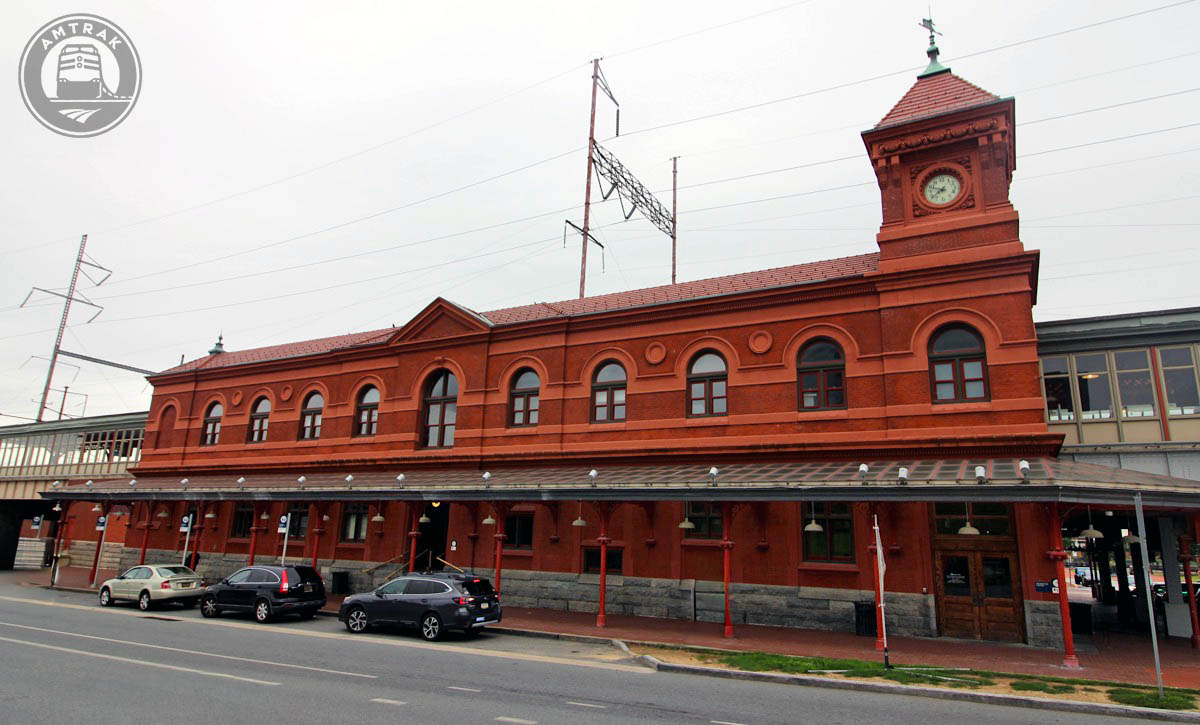
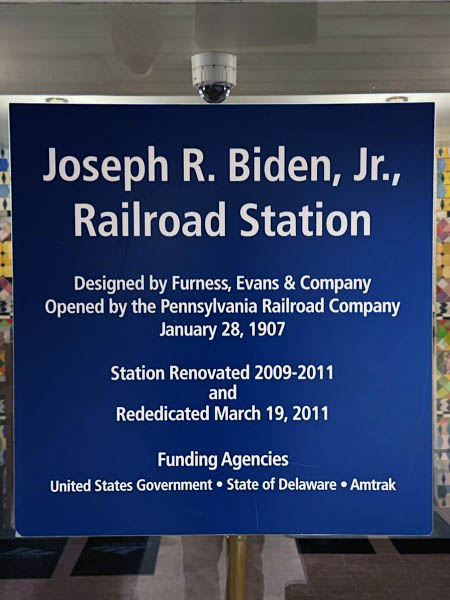
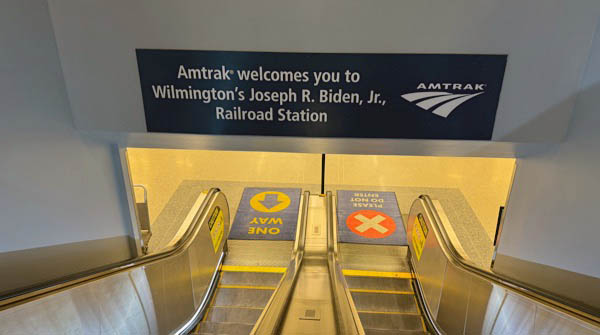
Wilmington's Joseph R. Biden Jr. Station
 One of Amtrak’s busiest stations nationwide, the Wilmington facility was completed on June 29, 1908, and has remained in continual use. Wilmington is also served by SEPTA commuter trains and Delaware Transit Corporation (DART First State) buses.
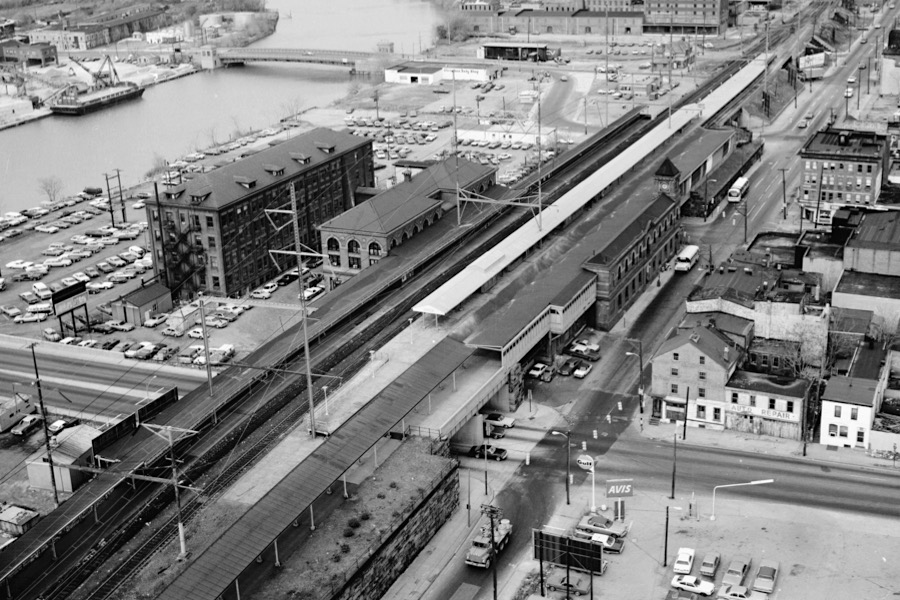
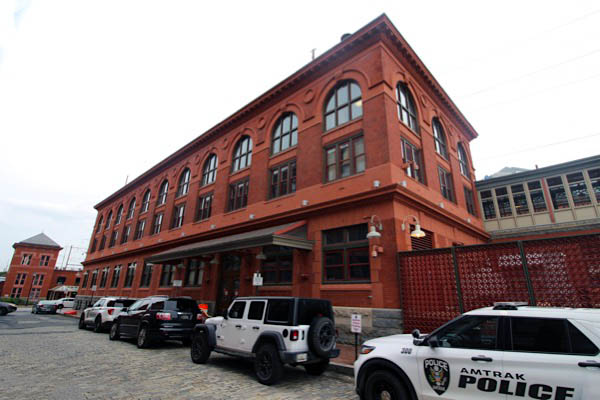
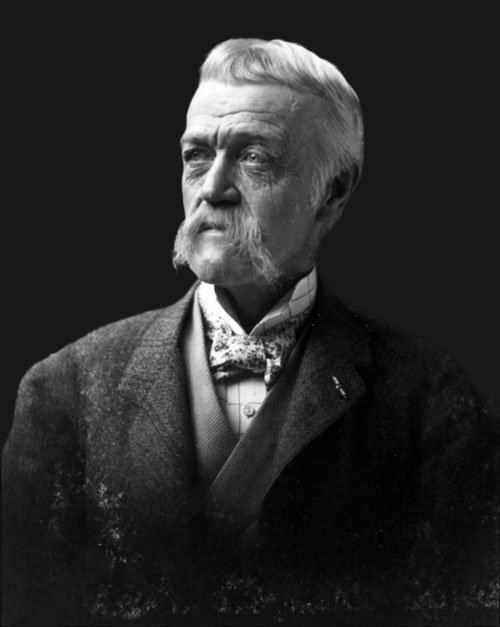 In the first decade of the 20th century the Pennsylvania Railroad (PRR) required a regional headquarters for its operations between Washington, D.C., and Philadelphia. They chose to build on the bustling Christina River waterfront beside the recently-finished Brandywine viaduct, which was built to eliminate rail grade crossings. The PRR’s director, A.J. Cassatt (brother of Impressionist painter Mary Cassatt), knew architect Allen Evans and his senior partner, the renowned Frank H. Furness, and so naturally called upon Furness and Evans to replace the 25-year-old facility that had been built for a PRR subsidiary (the Philadelphia, Wilmington and Baltimore), as well as design the neighboring office building.
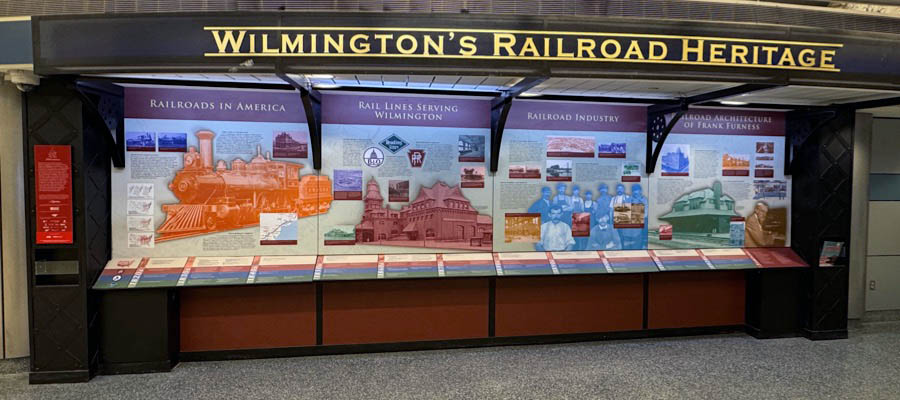
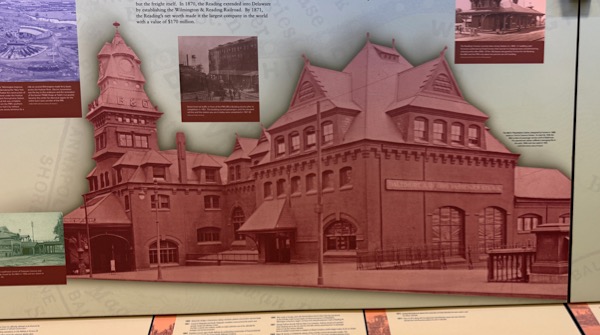
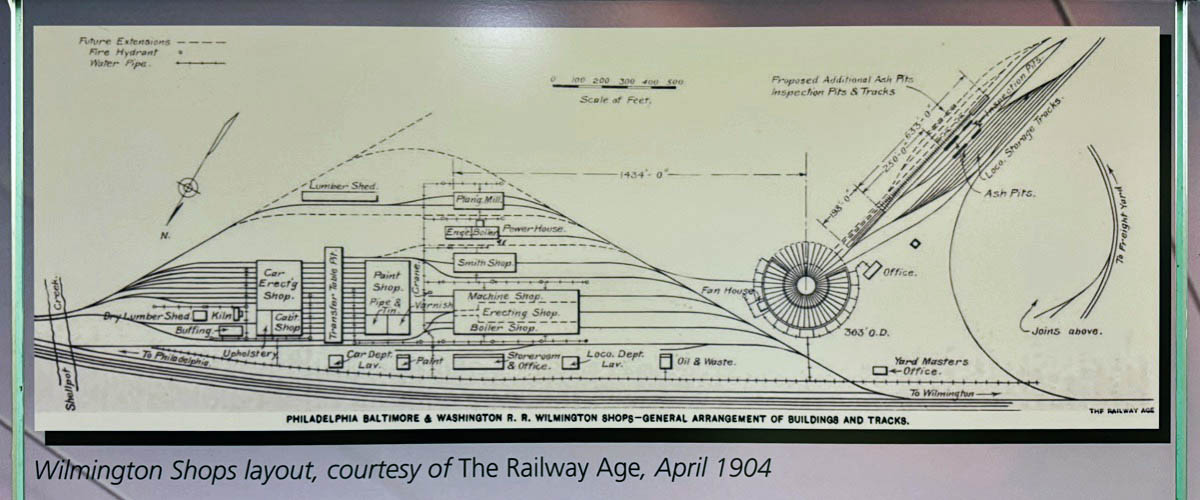
Furness had built a smaller station for the Baltimore & Ohio Railroad, a few blocks to the west on Water Street in 1887. In 1903, that smaller station was converted to freight service. In 1905 the PRR opened what is today called the Pennsylvania Building as office space. This became the PRR management center for its many local operations, machine shops, maintenance and repair activities and more.
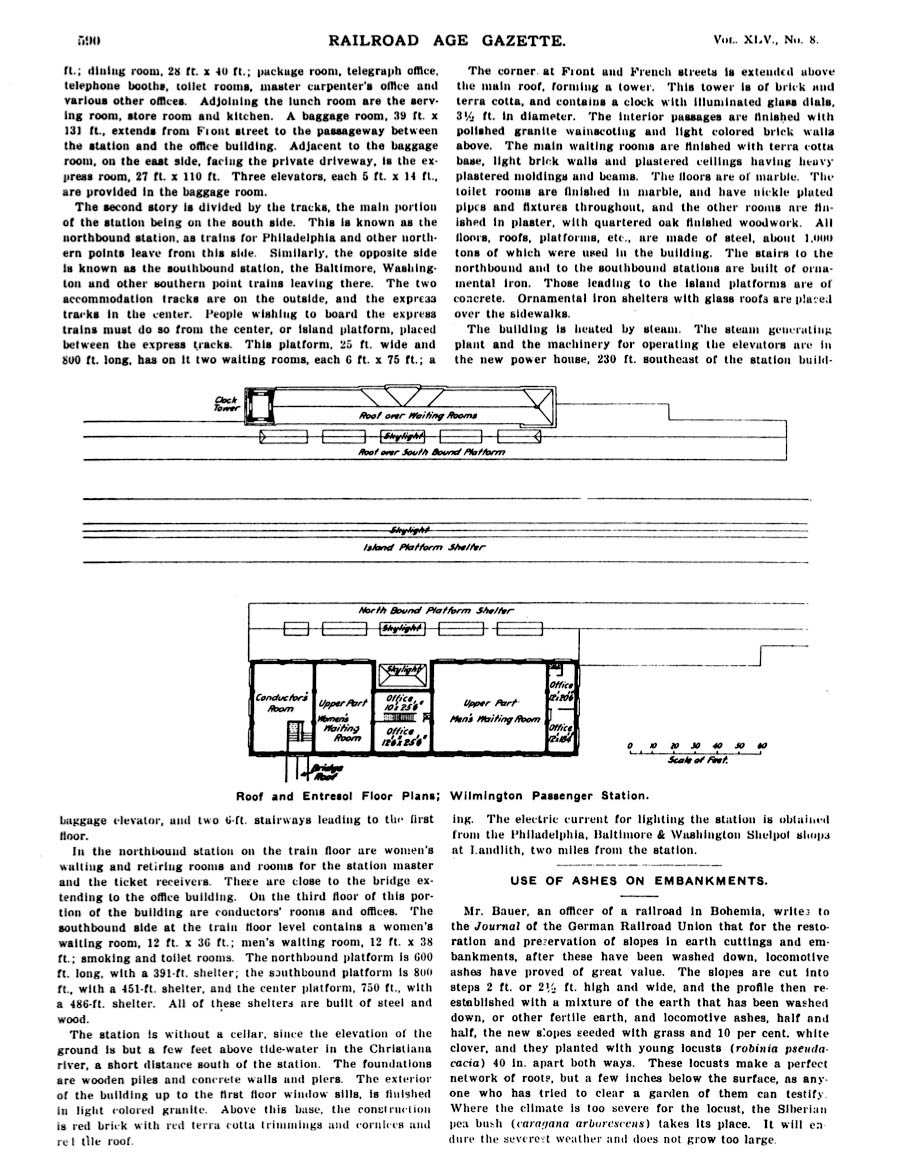
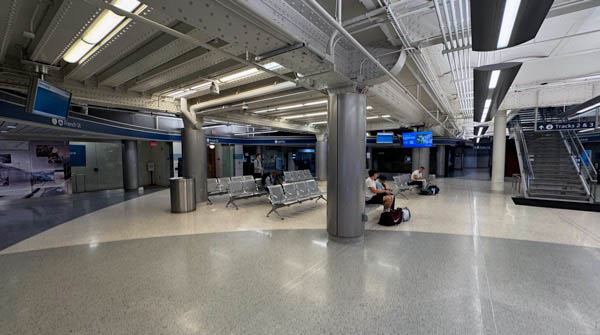
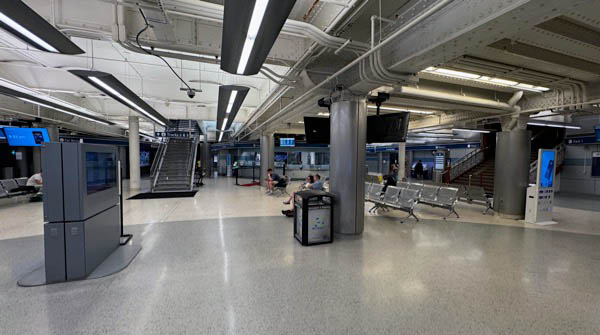
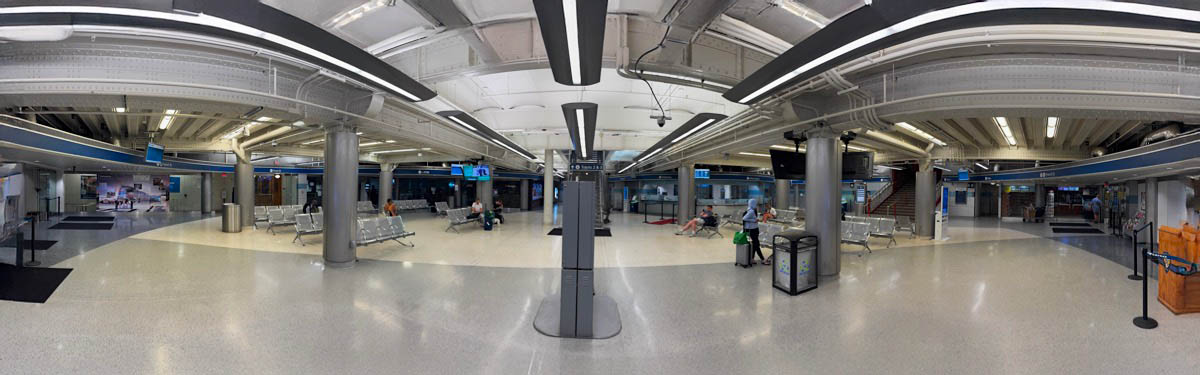
 The station presented more of a challenge. It was required to stand directly beside the offices, squeezed into a fairly narrow space for a formal city station. Other architects might have tried to isolate the passengers from the noise and fumes of the railroad, but Furness, who was known for his advanced use of materials and the forcefulness of his architectural statements, chose to have the train effectively drive right through the second floor of the station. Even the ceiling of the ground-floor concourse showed exposed steel beams, the many extra rivets studding them providing a decorative if industrial design element.
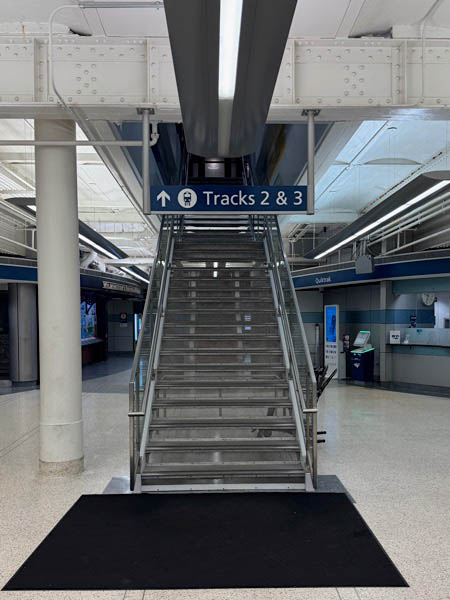
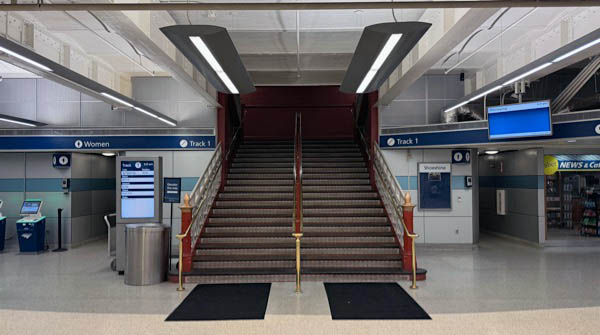
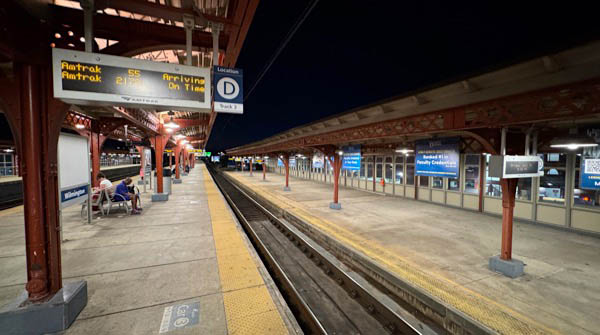
The platforms and men’s and women’s waiting rooms were reached by stairs to the second floor, with room for a ticketing and retail concourse underneath the tracks, indoors on street level. This unconventional arrangement, where the trains thundered overhead as they arrived and departed, was part of Furness’ celebration of the power of the locomotives, and of the industrial and modern America of that day.
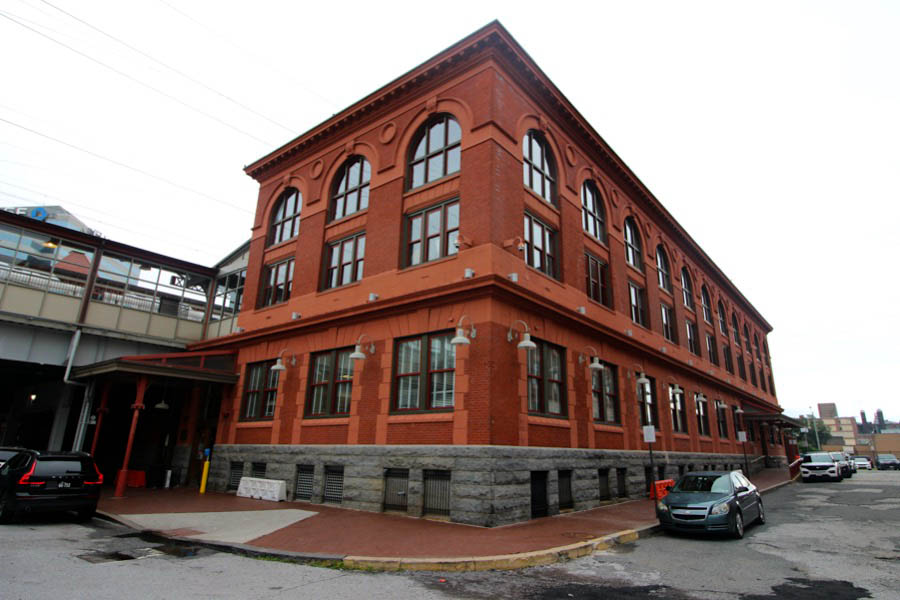
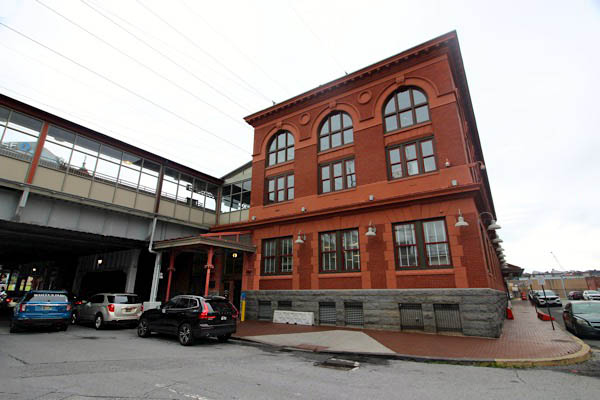
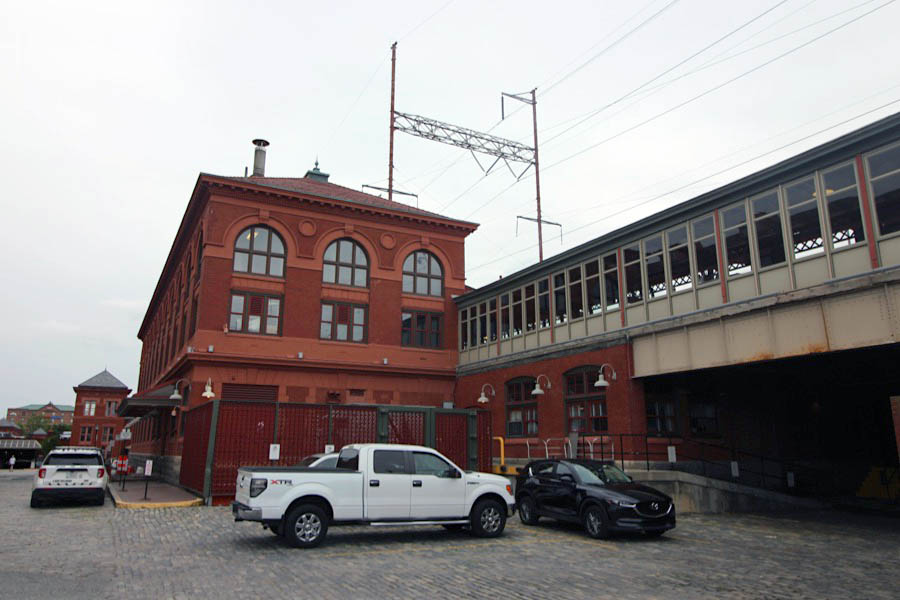
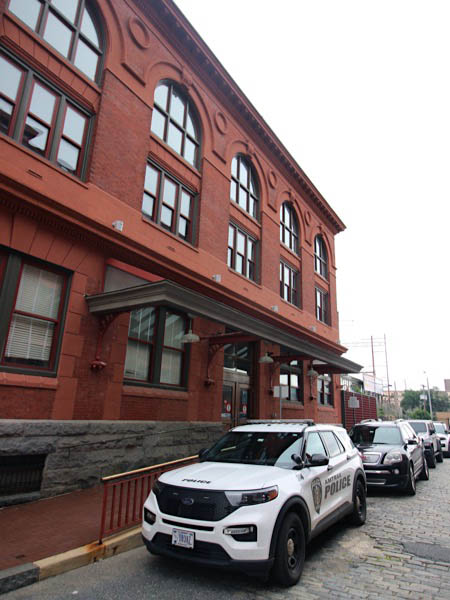
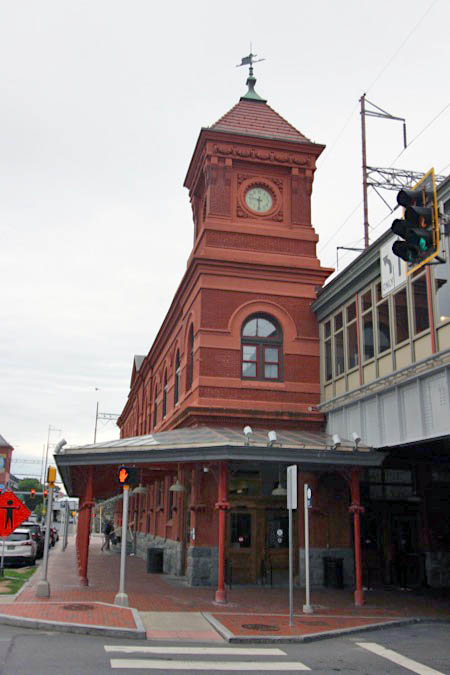
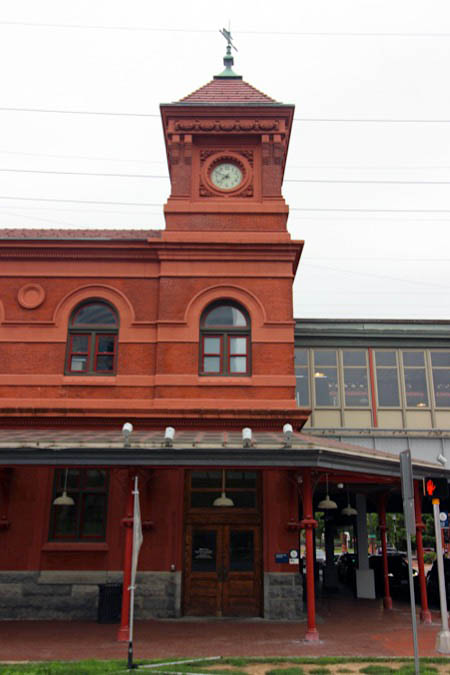
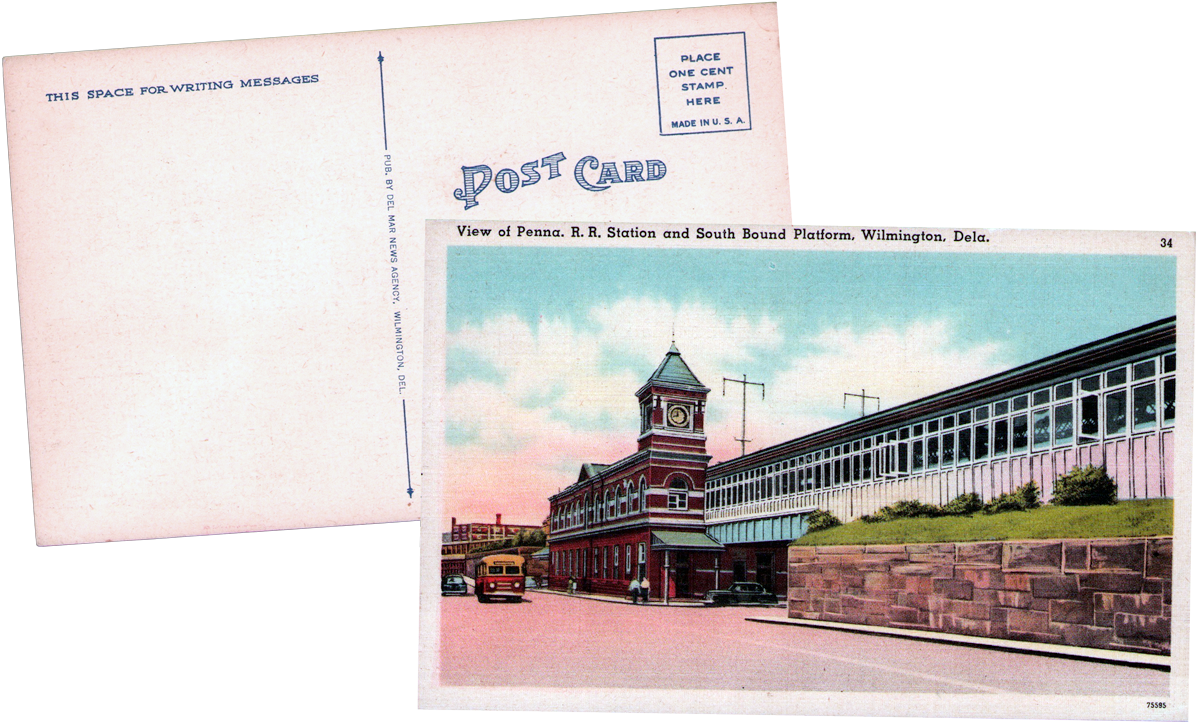
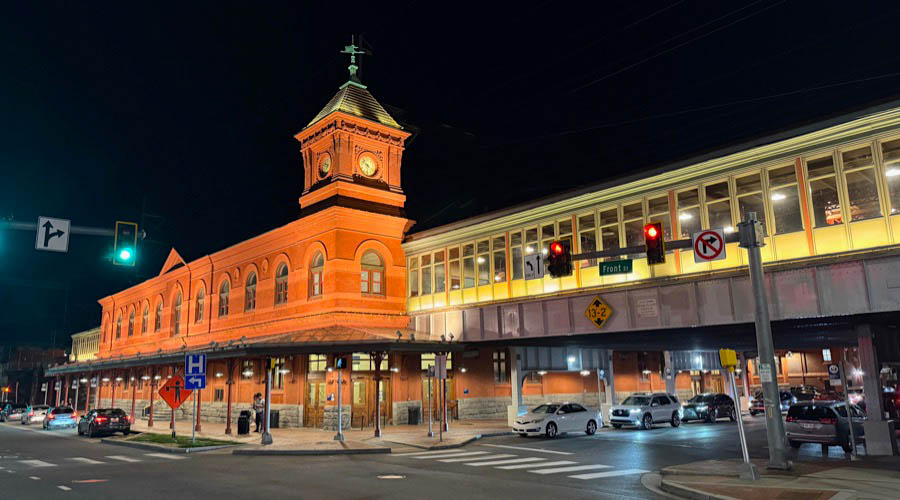
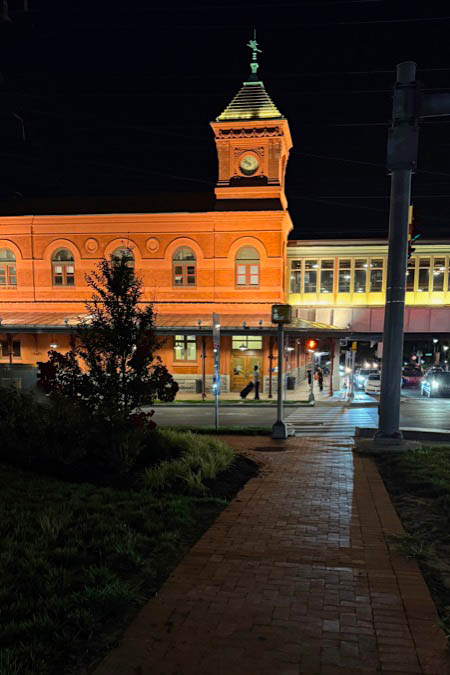
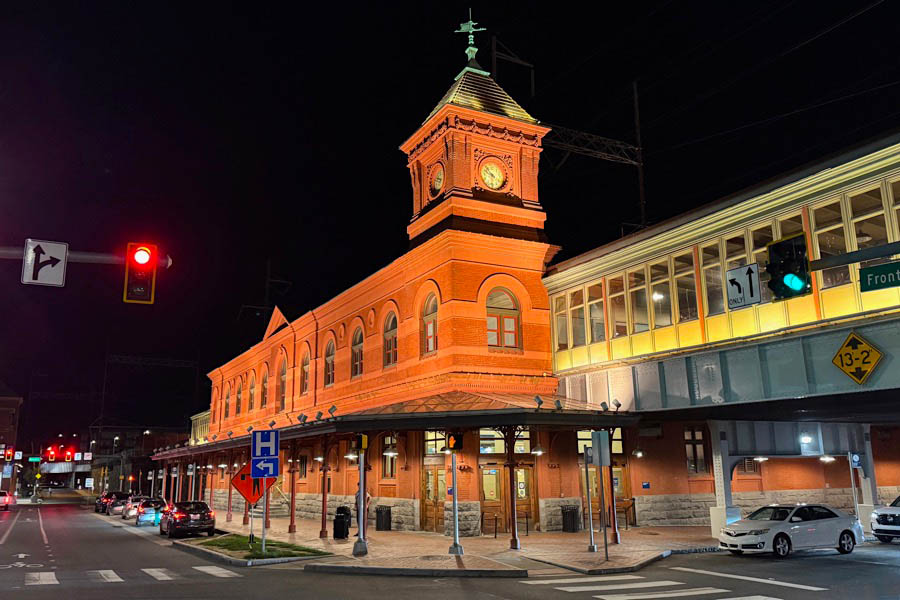
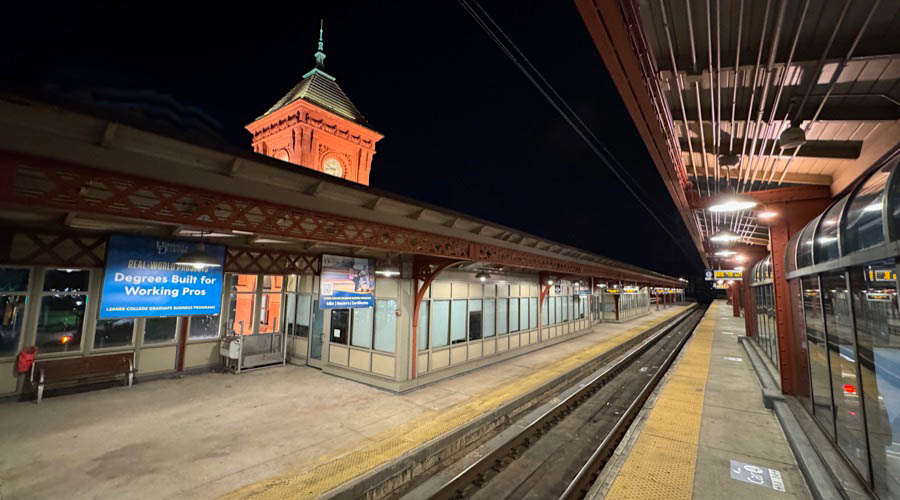
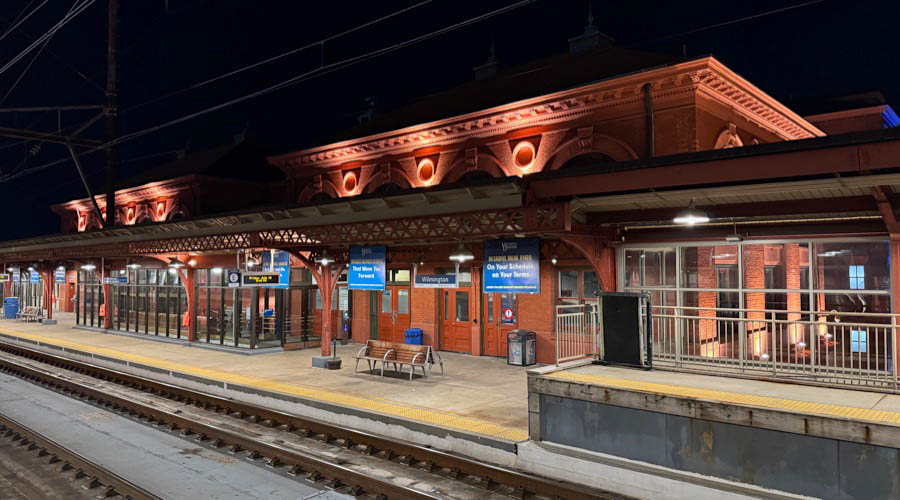
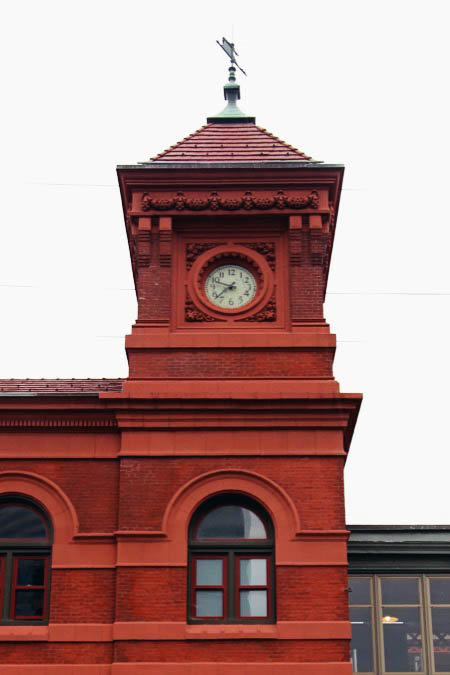 The Wilmington station, the last railroad station that Furness designed, presents a compact, Romanesque face to the world. About 160 by 200 feet in footprint, the main floor, slightly above street level, provides entrances onto the concourse with its ticketing, baggage office, restrooms, and news and coffee stands. The second floor is divided by the tracks into two virtually separate buildings. The larger south building contains offices and connects at the second floor to the old PRR office building by its side. The north structure, beside Front Street, contains a small waiting room and the clock tower at the corner of Front and French Streets. Both parts are steel-framed with walls of brick, brownstone, and terra cotta.
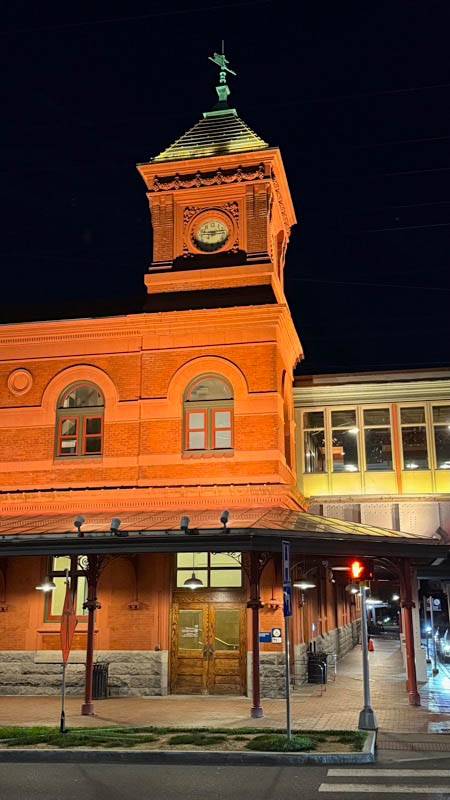
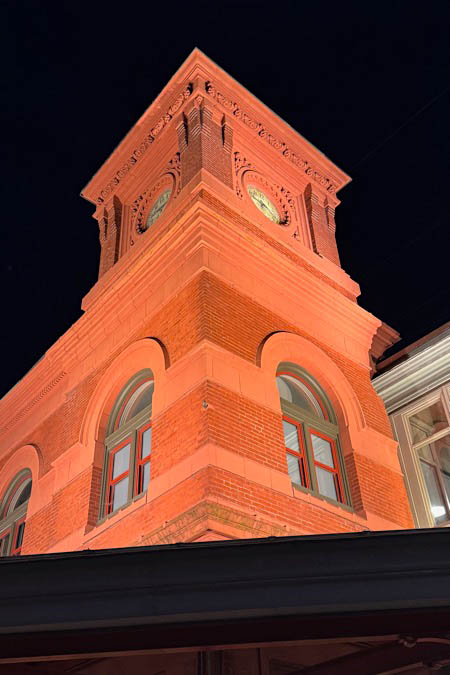
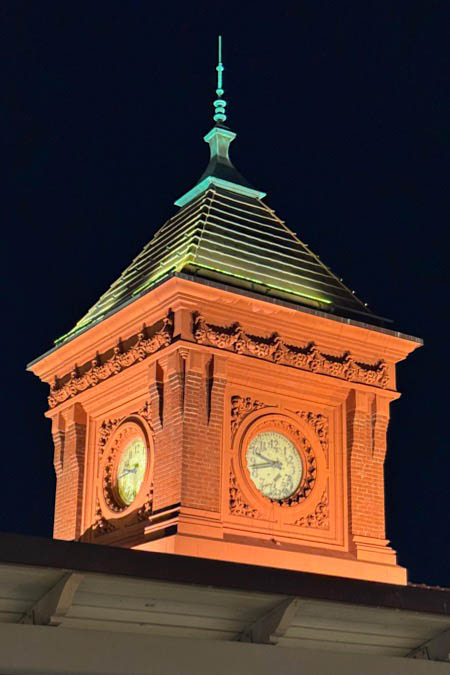
The north portion is the more decorated of the two, and rises two stories with a hipped roof, bracketed cornice and dentils over a plain frieze. The four-faced rectangular clock tower, rising an extra story above the main roof, is decorated with stone and terra cotta work that is repeated in plainer form throughout the station, and capped with a pyramidal roof. The south side possesses a similar hipped roof. Roman arches repeat above the top story windows, connected by a belt course, with round medallions between the arches.
Altogether, the Wilmington station cost the PRR $300,000 to complete, and earned Furness one of his largest commissions, $11,000. This station, out of the approximately 180 that Furness designed, is one of the 18 surviving today. In his 45-year career, Furness designed more than 600 buildings, including banks, offices buildings, churches, synagogues and numerous residential mansions in Philadelphia and its suburbs. One of the most respected and highly-paid architects of his era, Furness founded the Philadelphia Chapter of the American Institute of Architects. A Civil War veteran, he was awarded the Medal of Honor for gallantry at the Battle of Trevilian Station, Va. Furness is ranked with his contemporaries John Root, Louis Sullivan and Frank Lloyd Wright as a designer and innovator.
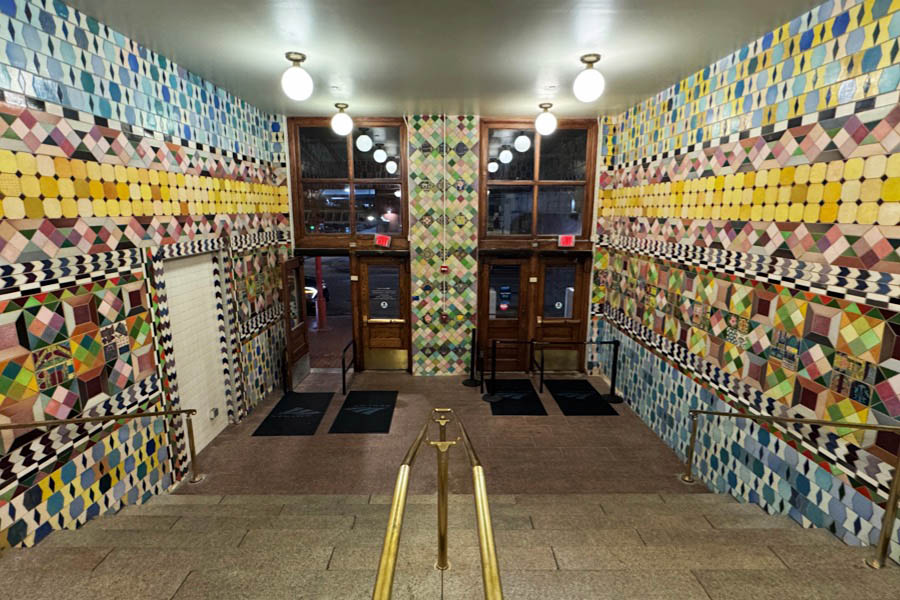
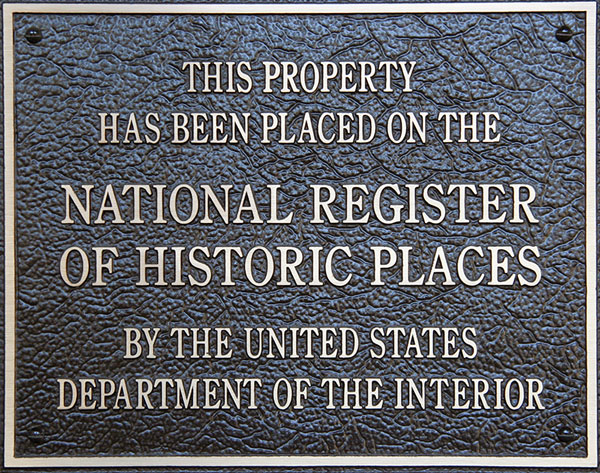 The Wilmington station was added to the National Register of Historic Places on July 6, 1976, in recognition of its cultural value. The Wilmington station was in great need of repair, and Amtrak completed a year-long $10.4 million renovation in 1983. The waiting room was moved down to the main floor and many long-vanished details, such as the glass-and-metal canopy surrounding the entrances, were reproduced and installed. This restoration coincided with the revitalization of the Christina River waterfront, which included significant private and public investment such as the restoration of the Pennsylvania Building and the B&O station for commercial purposes.
Jul 2025 / RWH
Jul 2025 / RWH
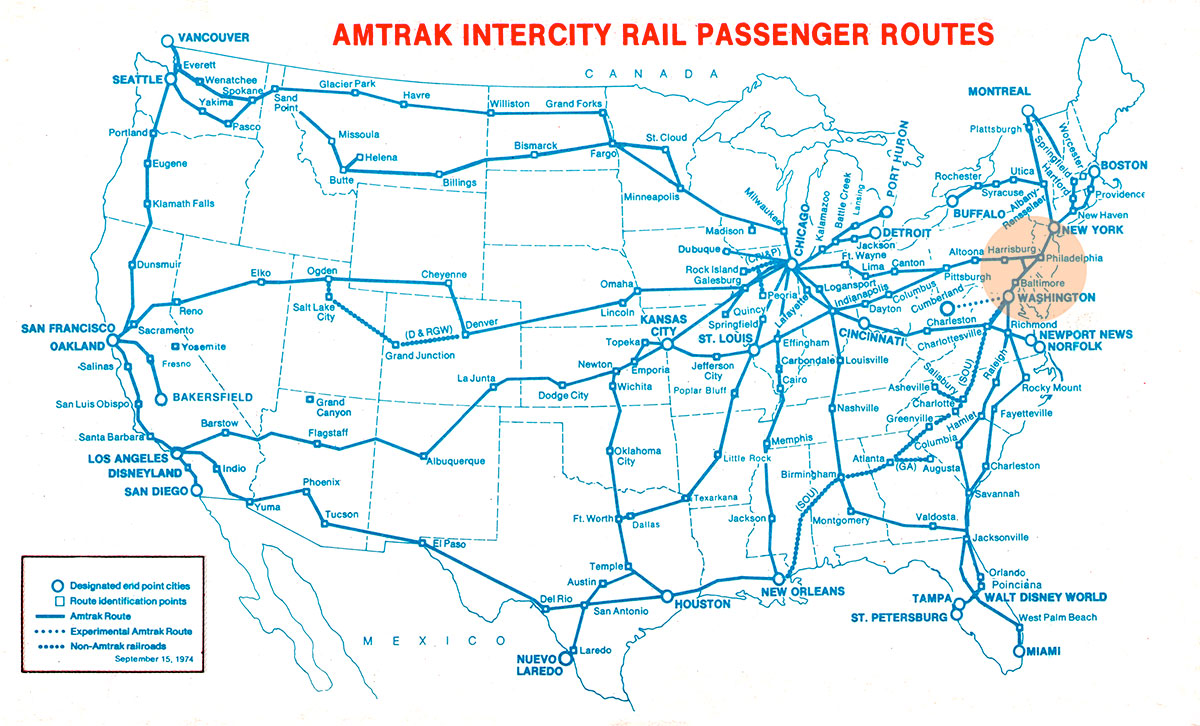
1974 Amtrak system timetable map / collection

Wilmington
- name:Joseph R. Biden, Jr., Railroad Station
- station code:WIL
- location:100 South French Street, Wilmington
- owner:Amtrak
- operators:Amtrak, SEPTA, DART, Greyhound
- platforms:2 side, 1 island
- tracks:3 through
- opened:1908, replaced previous PW&B station
- style:Romanesque Revival
- architect:Furness, Evans & Company
- rebuilt:2011
- Nat Reg Historic Places:1976
- notes:
- 1 of 18 surviving railroad stations from the 180 Frank Furness designed
- routes:
- Northeast Corridor | Cardinal | Carolinian | Crescent | Palmetto | Silver Service | Vermonter
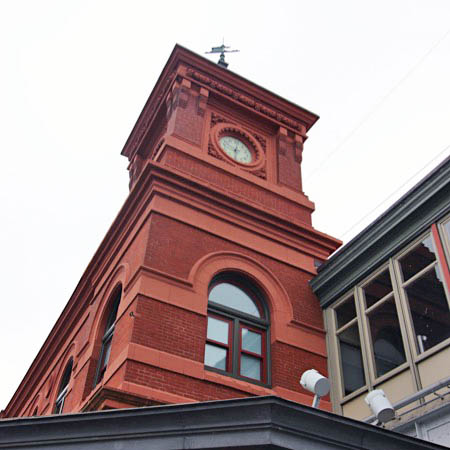
Jul 2025 / RWH
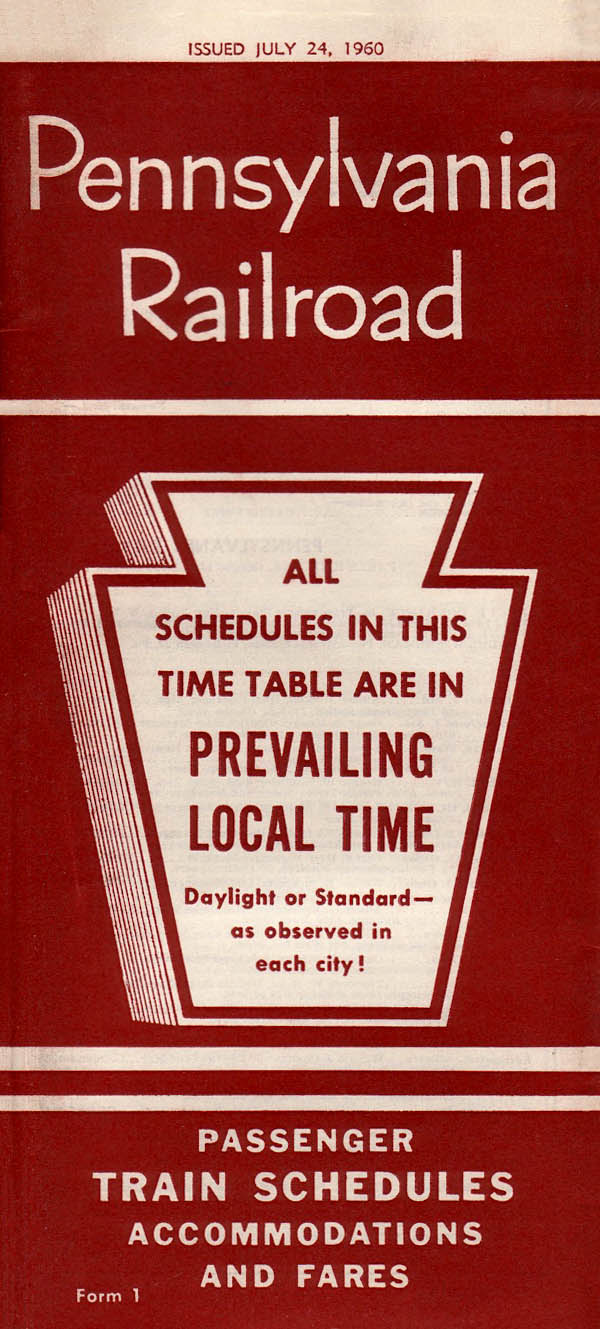
Wilmington, De / Jul 2025 / RWH
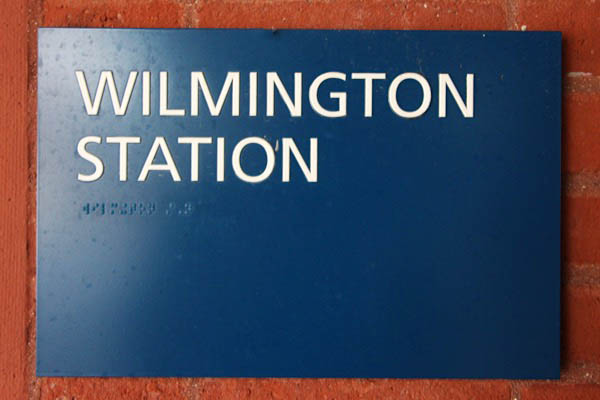
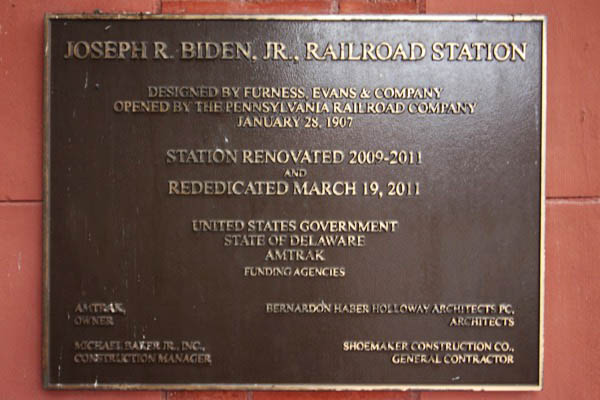

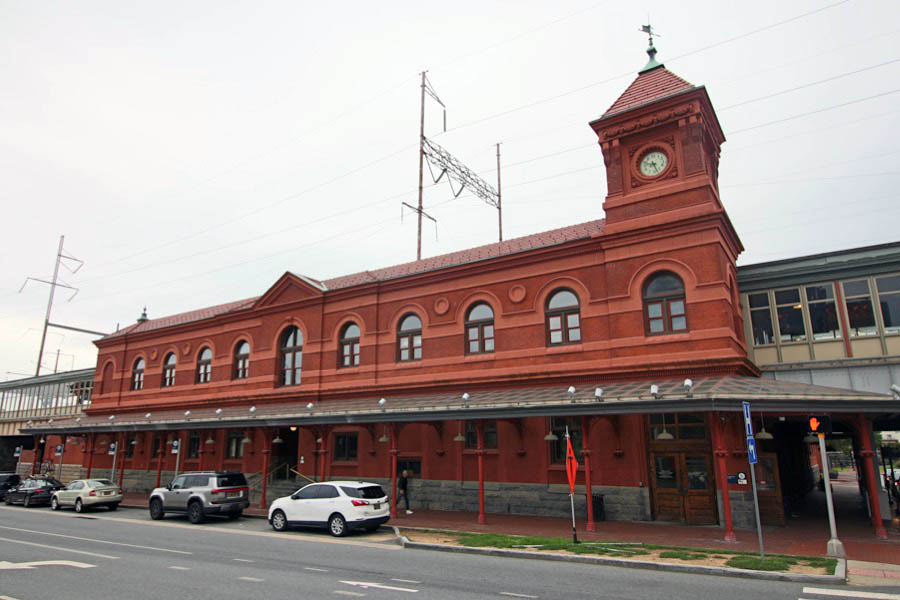
Wilmington, De / Jul 2025 / RWH



Click to see the Wilmington Amtrak station plotted on a Google Maps page
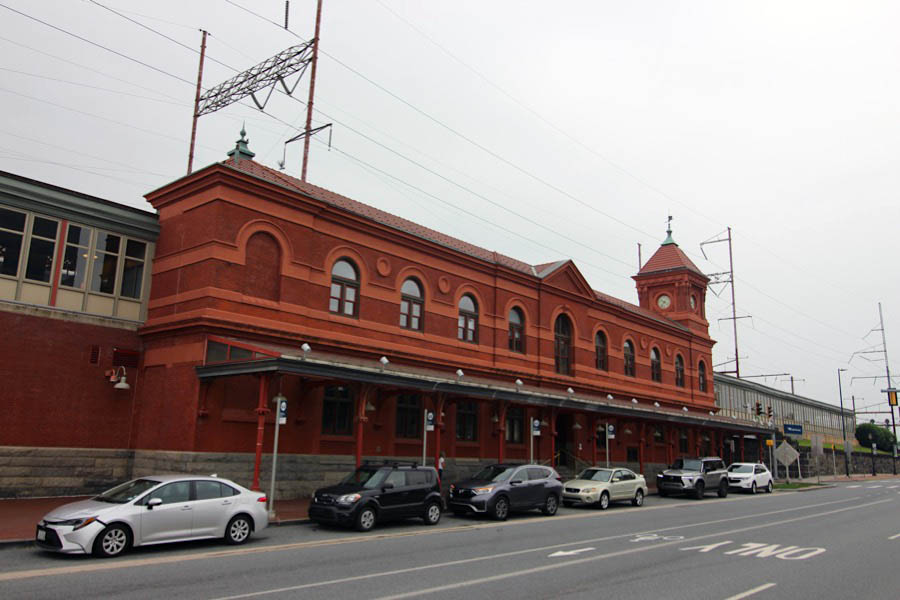
Wilmington, De / Jul 2025 / RWH
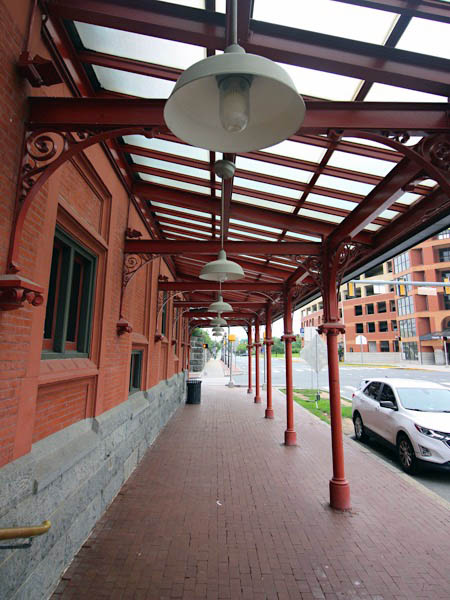
Jul 2025 / RWH
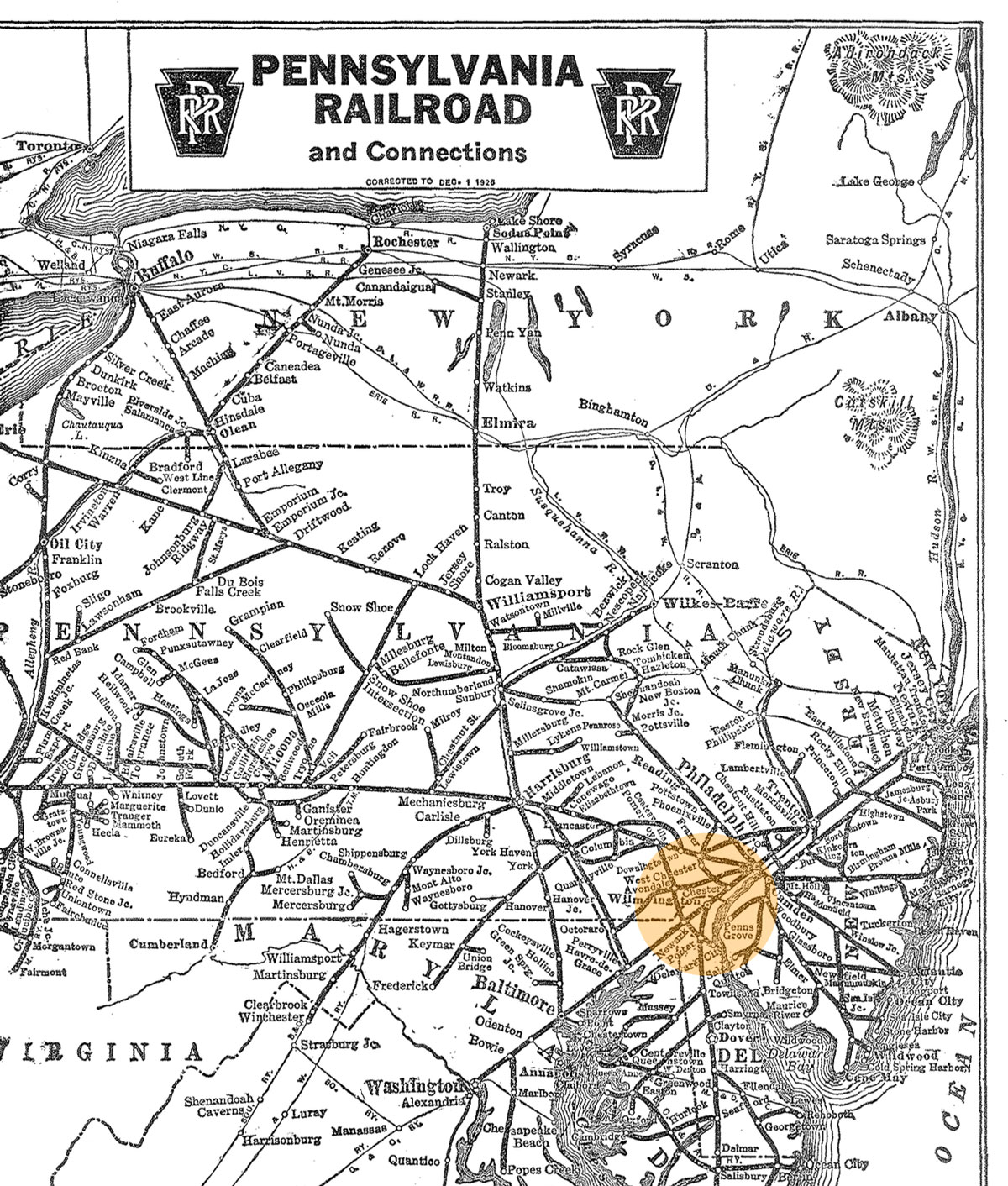
1930 Official Guide map / collection
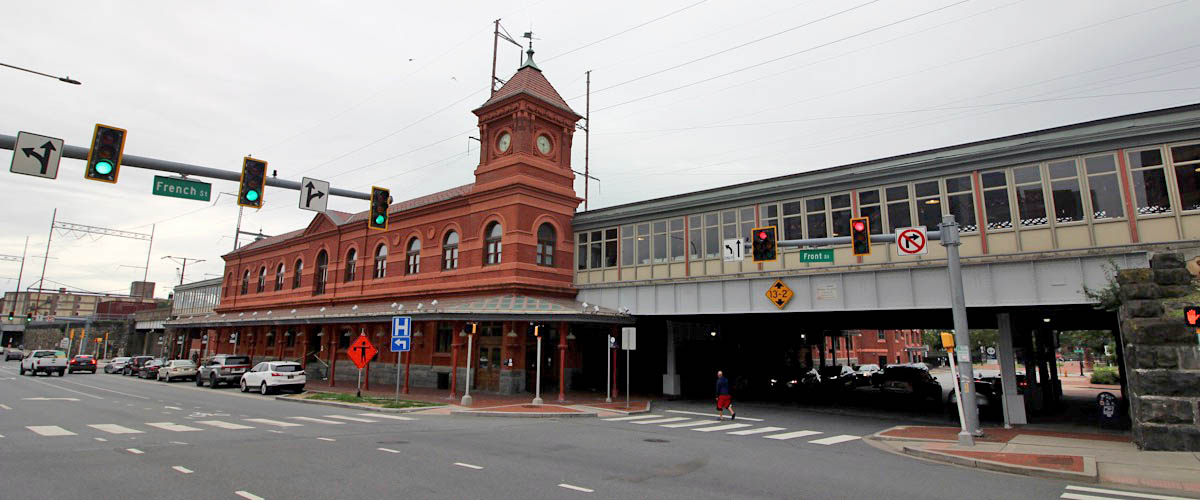
Wilmington, De / Jul 2025 / RWH
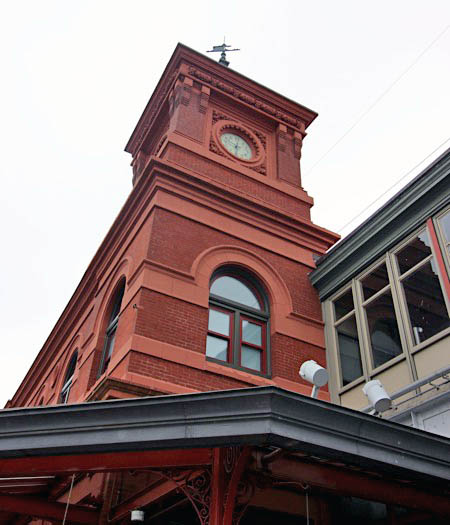
Jul 2025 / RWH
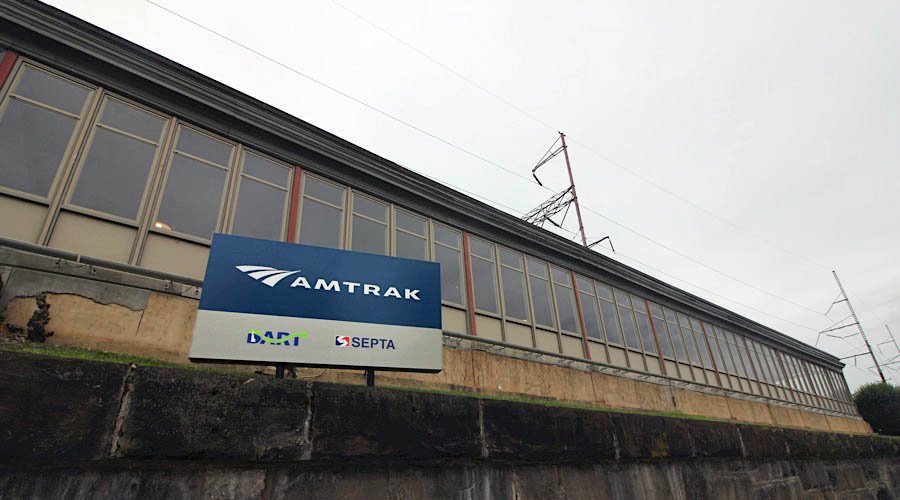
Wilmington, De / Jul 2025 / RWH
Wilmington, De / Jul 2025 / RWH
Wilmington, De / 1977 / Wikipedia
Wilmington, De / Jul 2025 / RWH
Wilmington, De / Jul 2025 / RWH
Wilmington, De / Jul 2025 / RWH
Jul 2025 / RWH
Jul 2025 / RWH
postcard / collection
 Wilmington @ Night
Wilmington, De / Jul 2025 / RWH
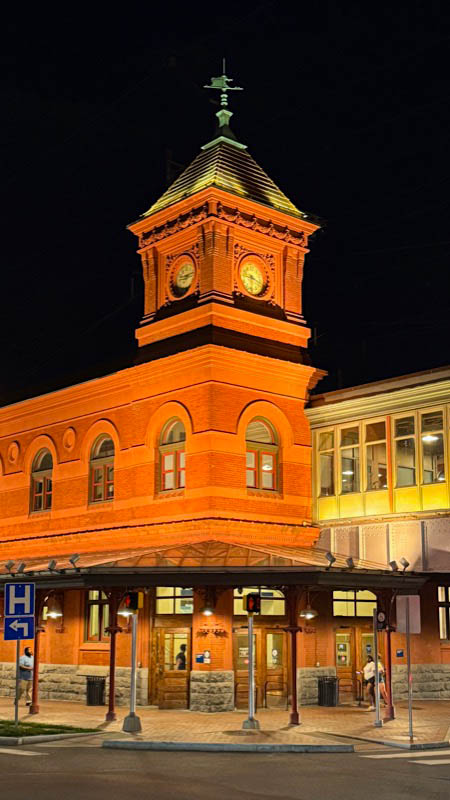
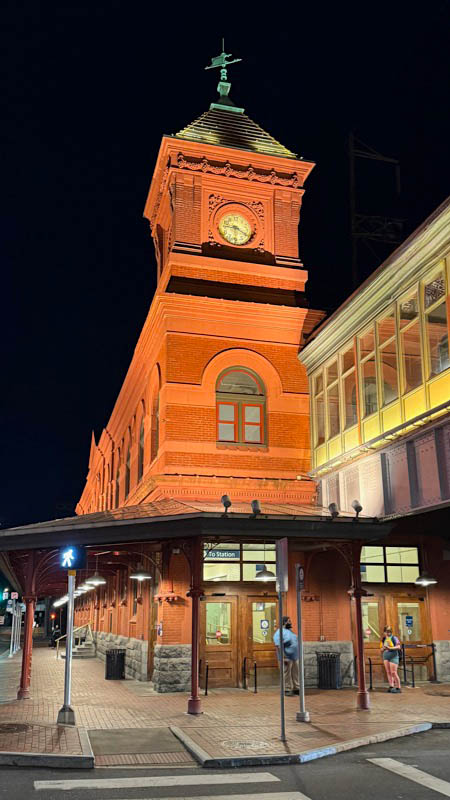
Jul 2025 / RWH
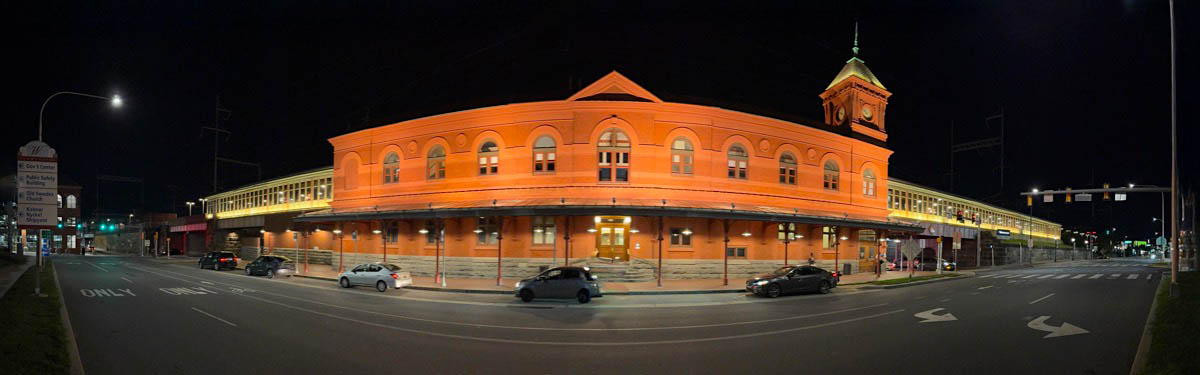
Wilmington, De / Jul 2025 / RWH
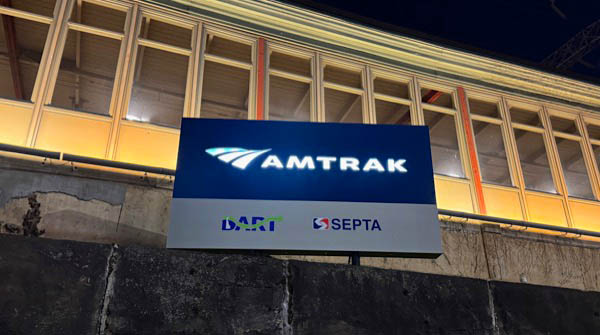
Jul 2025 / RWH
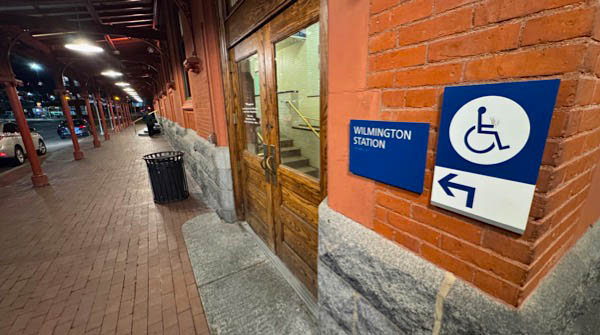
Jul 2025 / RWH
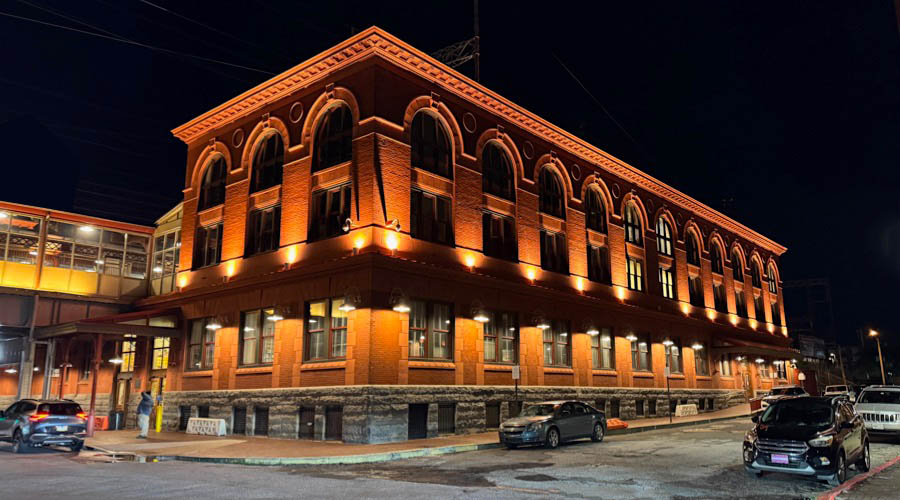
Wilmington, De / Jul 2025 / RWH
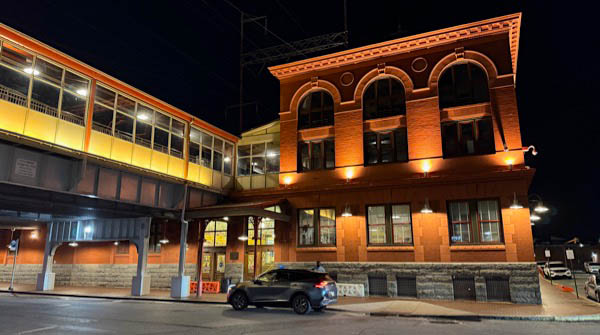
Jul 2025 / RWH
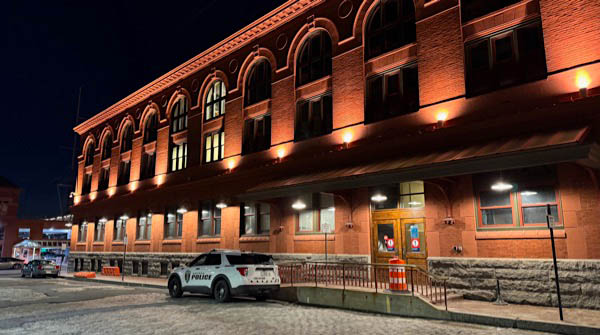
Jul 2025 / RWH
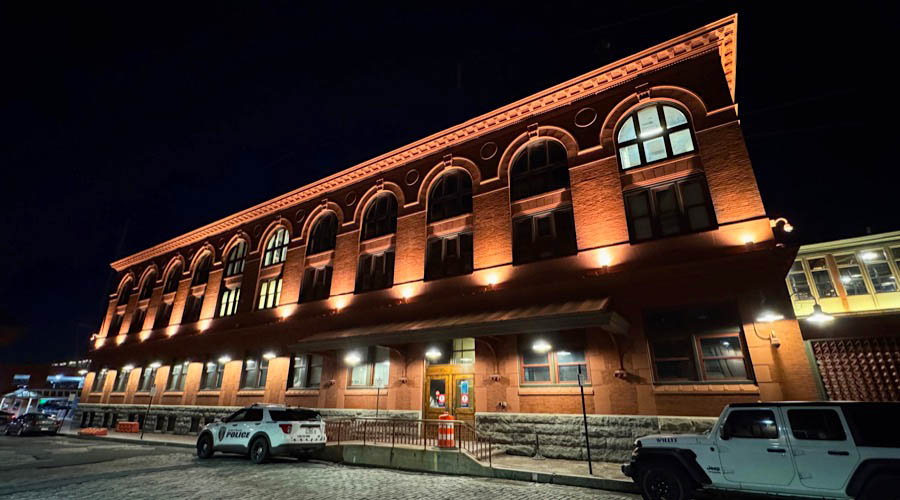
Wilmington, De / Jul 2025 / RWH
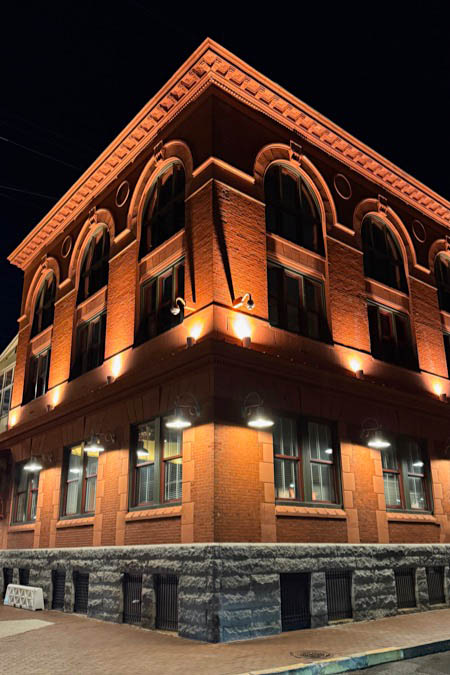
Jul 2025 / RWH
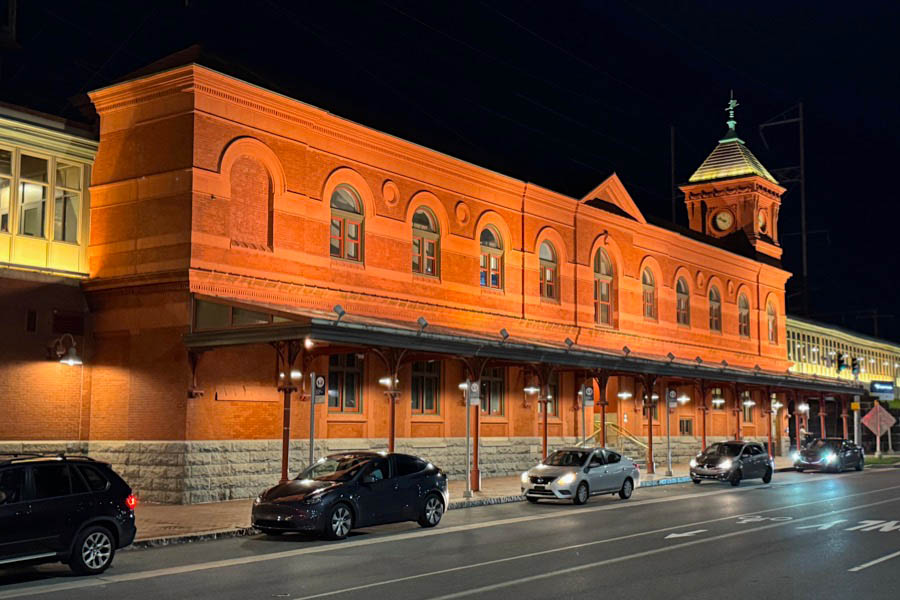
Wilmington, De / Jul 2025 / RWH
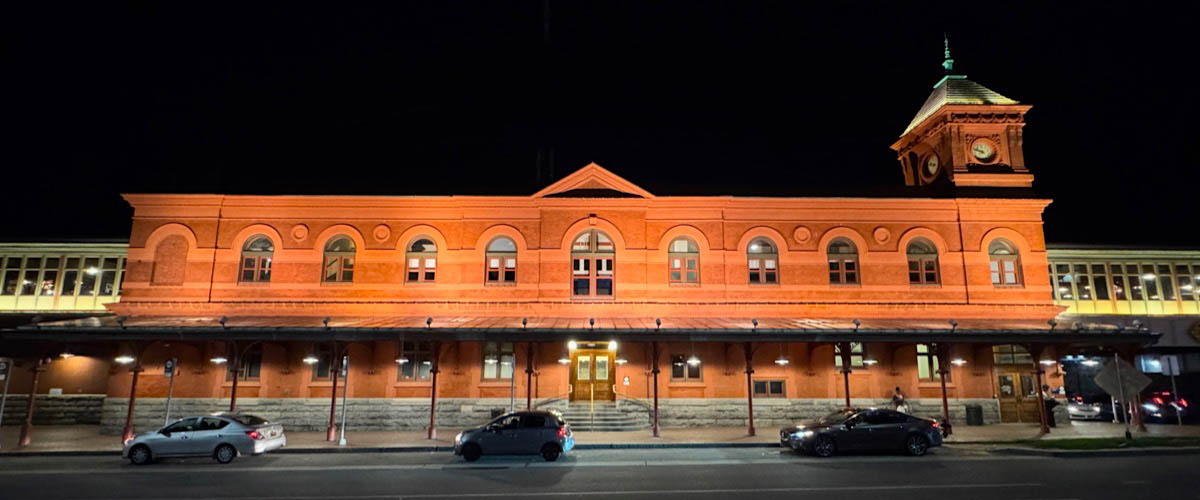
Wilmington, De / Jul 2025 / RWH
Jul 2025 / RWH
Wilmington, De / Jul 2025 / RWH
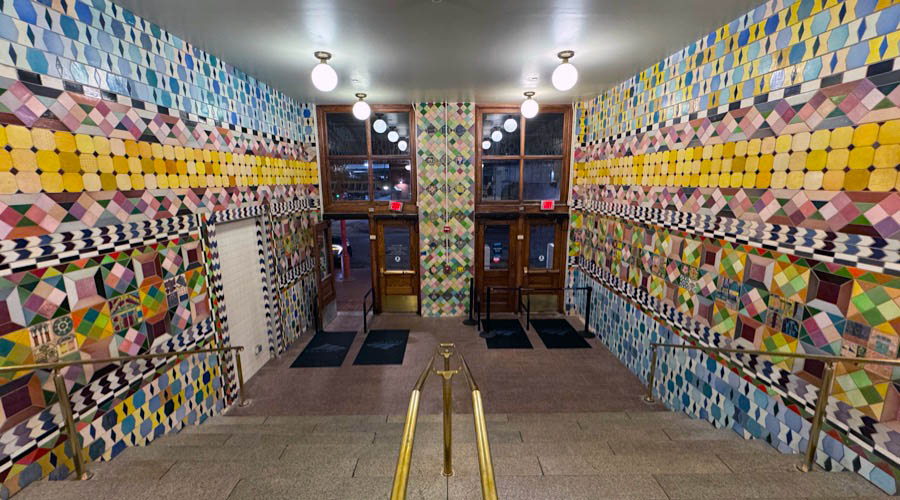
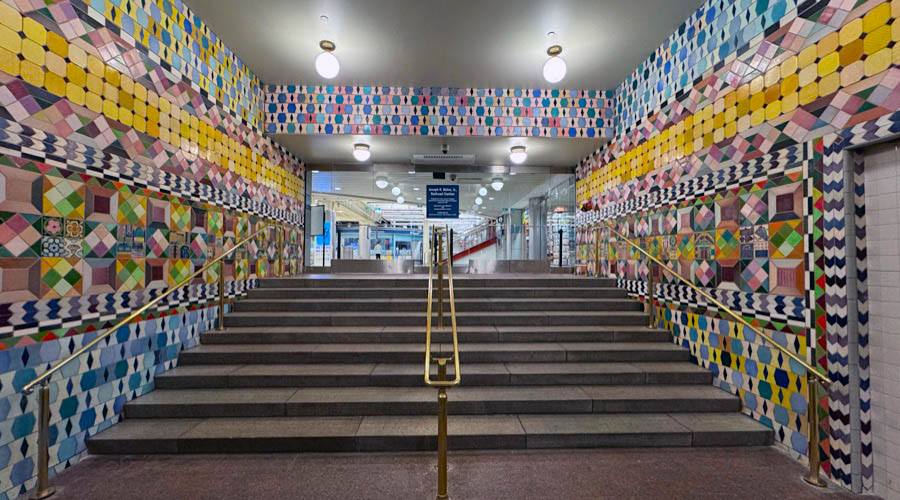
Jul 2025 / RWH
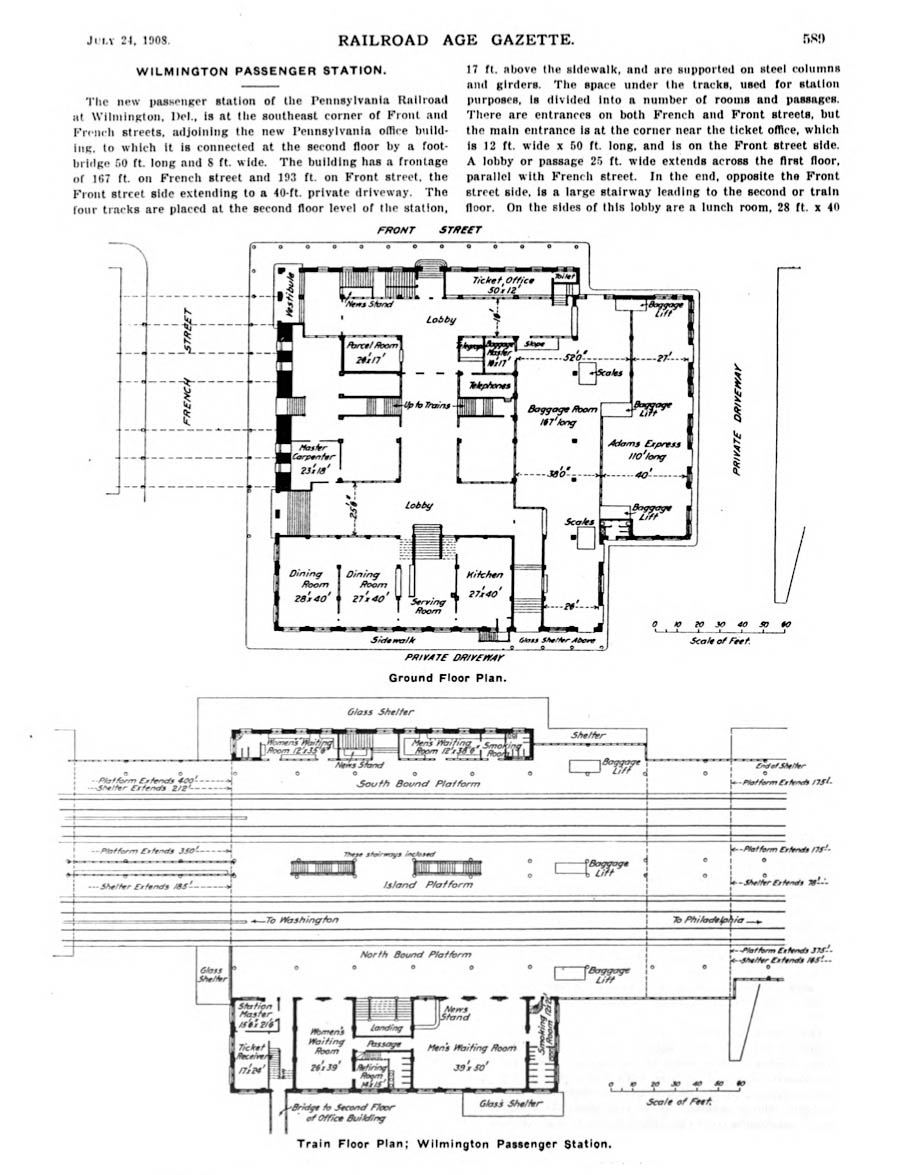
from Railroad Age Gazette [July 1908] / collection
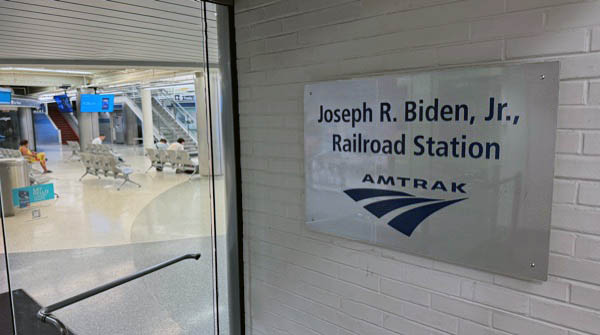
Jul 2025 / RWH
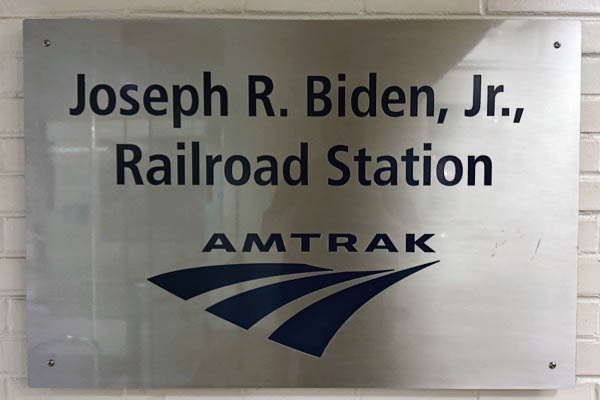
Jul 2025 / RWH
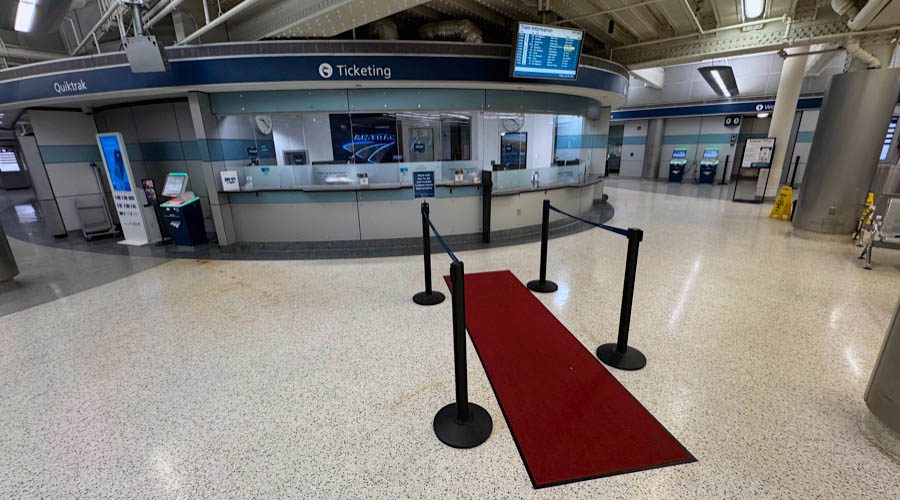
Jul 2025 / RWH
Jul 2025 / RWH
Jul 2025 / RWH
Jul 2025 / RWH

Jul 2025 / RWH
Jul 2025 / RWH
Jul 2025 / RWH
Jul 2025 / RWH
Jul 2025 / RWH
Jul 2025 / RWH
Jul 2025 / RWH

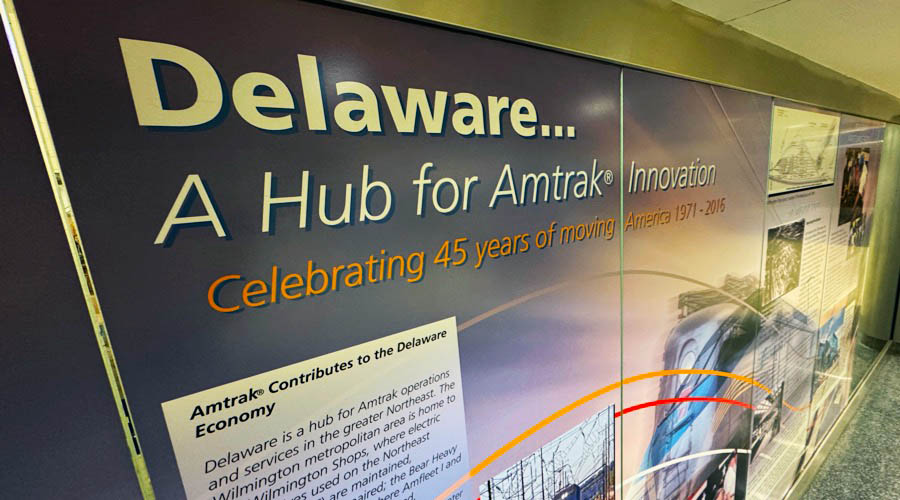
Amtrak in Delaware
Jul 2025 / RWH

Jul 2025 / RWH
Jul 2025 / RWH
Jul 2025 / RWH
Jul 2025 / RWH

Jul 2025 / RWH
 Wilmington, DE
Wilmington, De / Jul 2025 / RWH
Wilmington, De / Jul 2025 / RWH
Wilmington, De / Jul 2025 / RWH
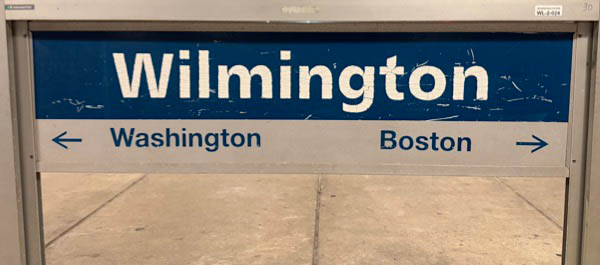
Jul 2025 / RWH
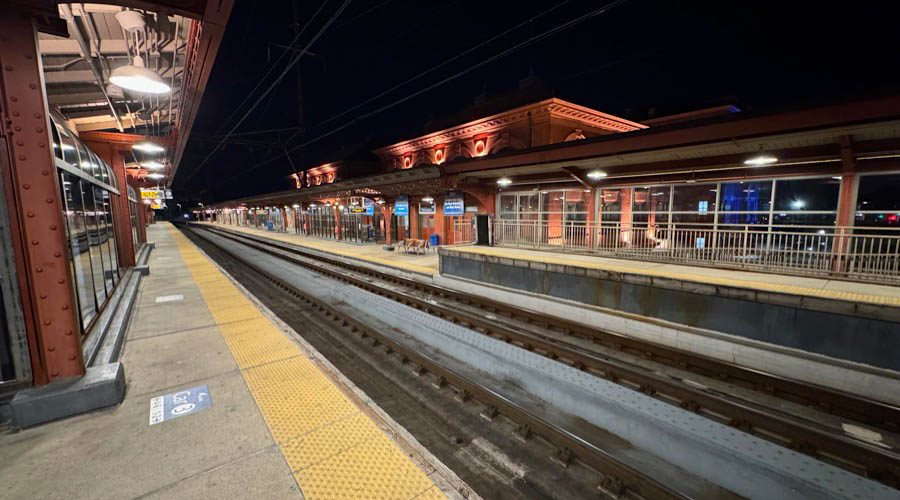
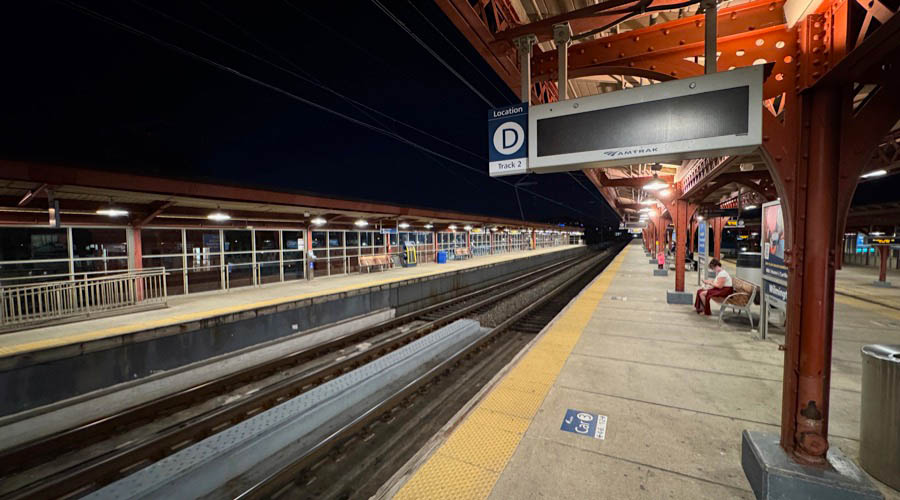
Wilmington, De / Jul 2025 / RWH
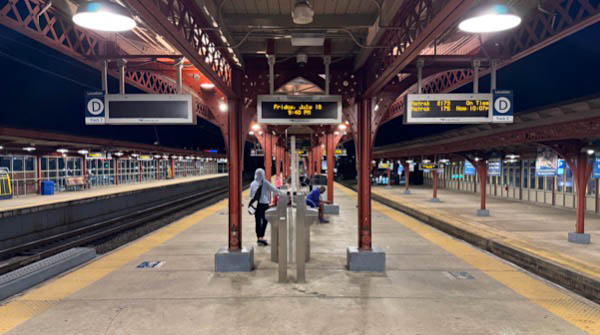
Wilmington, De / Jul 2025 / RWH
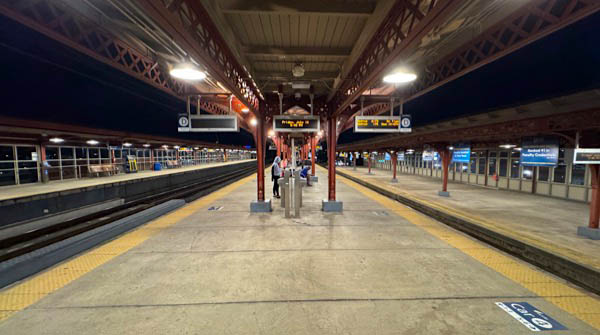
Wilmington, De / Jul 2025 / RWH
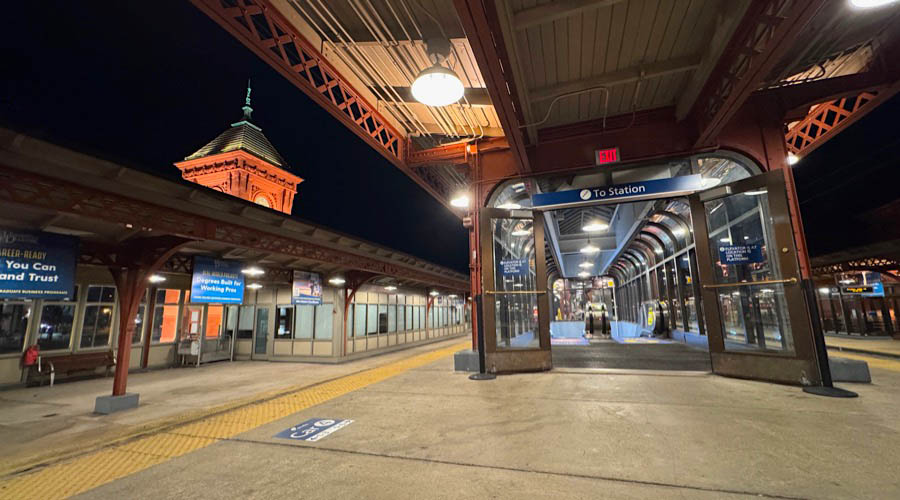
Wilmington, De / Jul 2025 / RWH

northbound #50
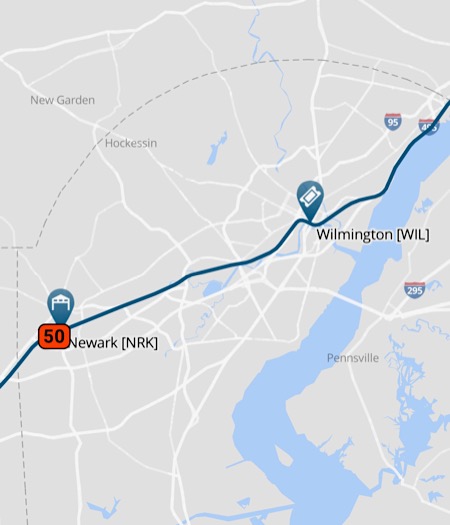
Jul 2025 / RWH
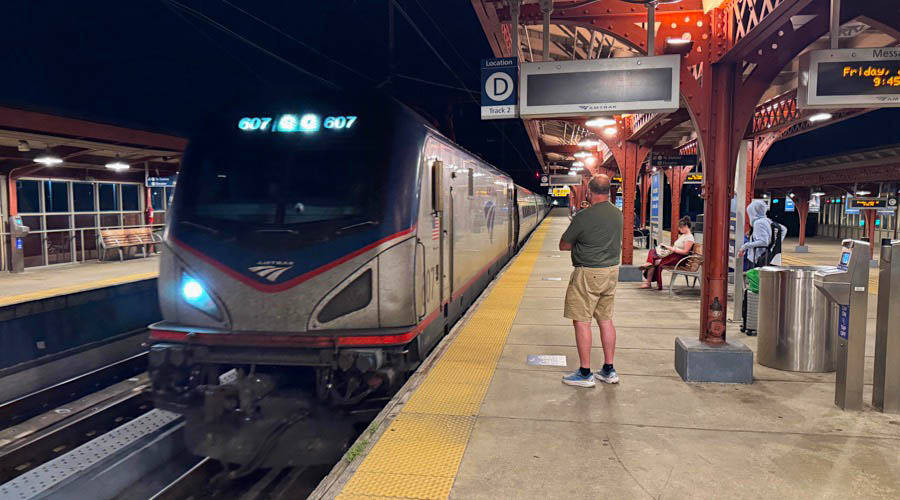
Wilmington, De / Jul 2025 / RWH
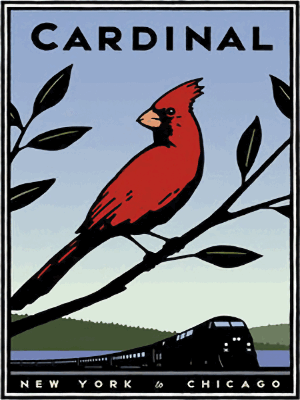 Amtrak's
Cardinal
Amtrak's
Cardinal
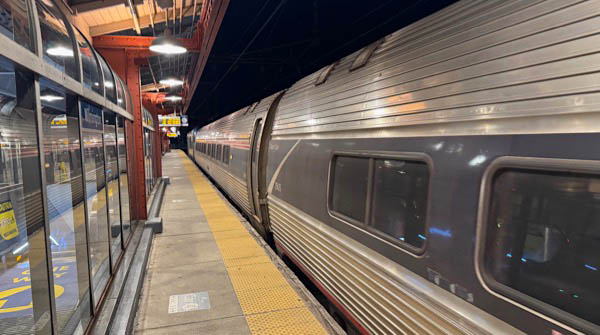
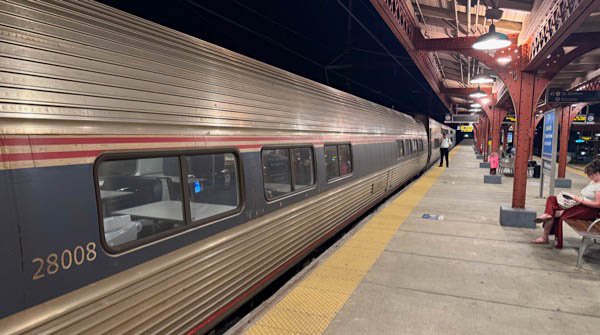
Wilmington, De / Jul 2025 / RWH
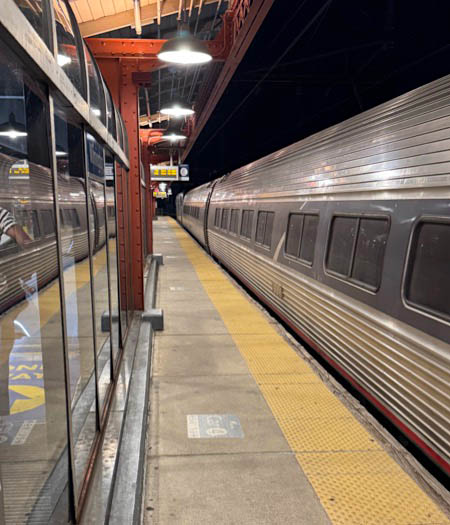
Jul 2025 / RWH
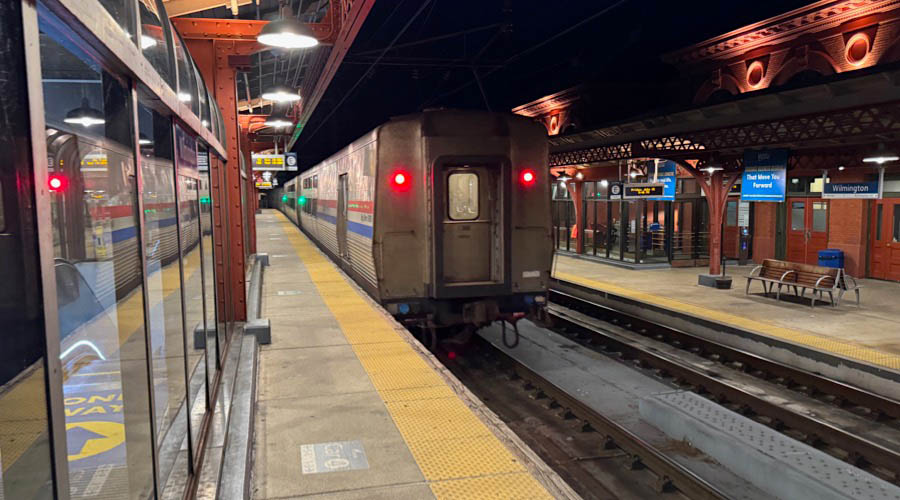
Wilmington, De / Jul 2025 / RWH

See also our complete Amtrak Cardinal route scrapbook in Mainlines
Lagniappe



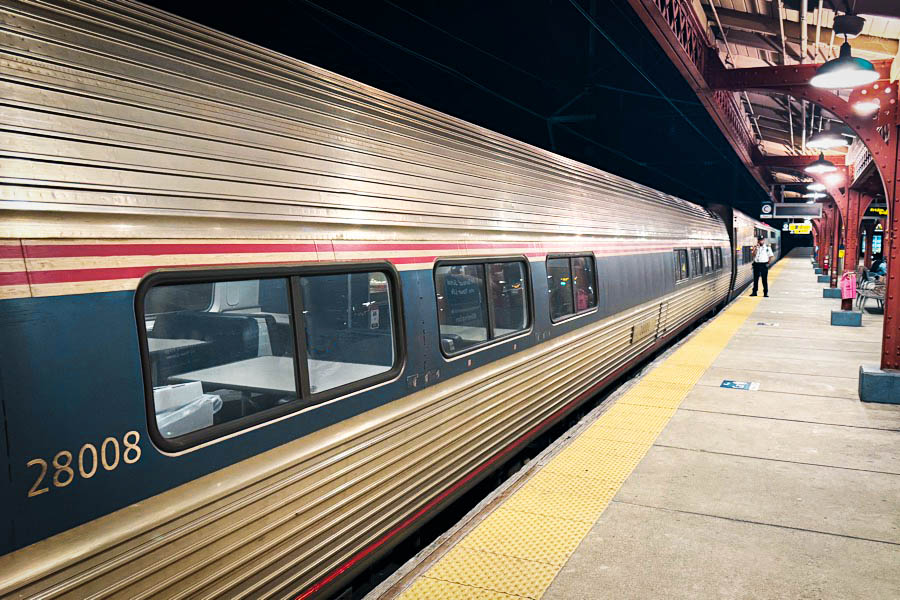
In Command of the Cardinal
Wilmington, De / Jul 2025 / RWH
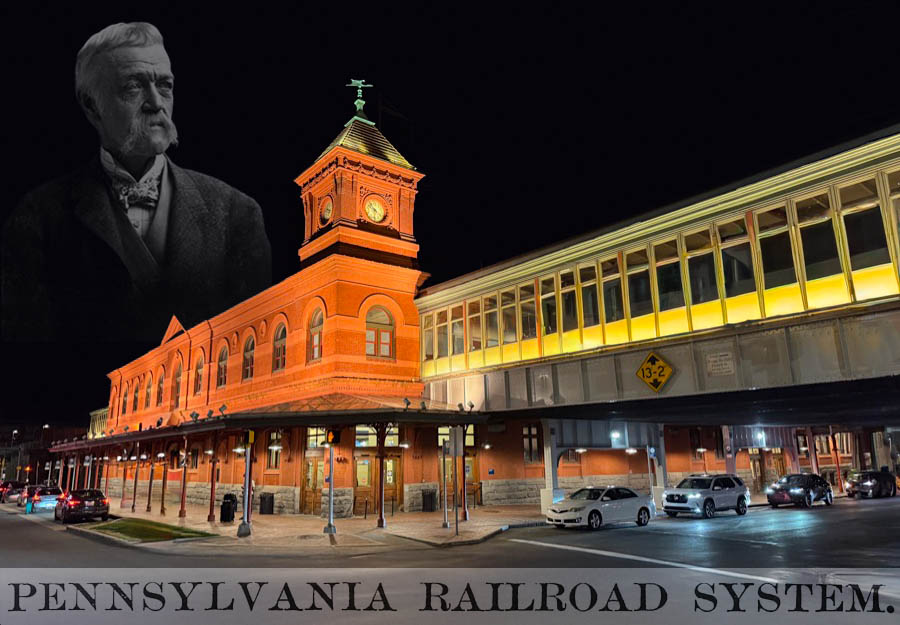
Frank Furness' French Street Fortress
image and artwork RWH
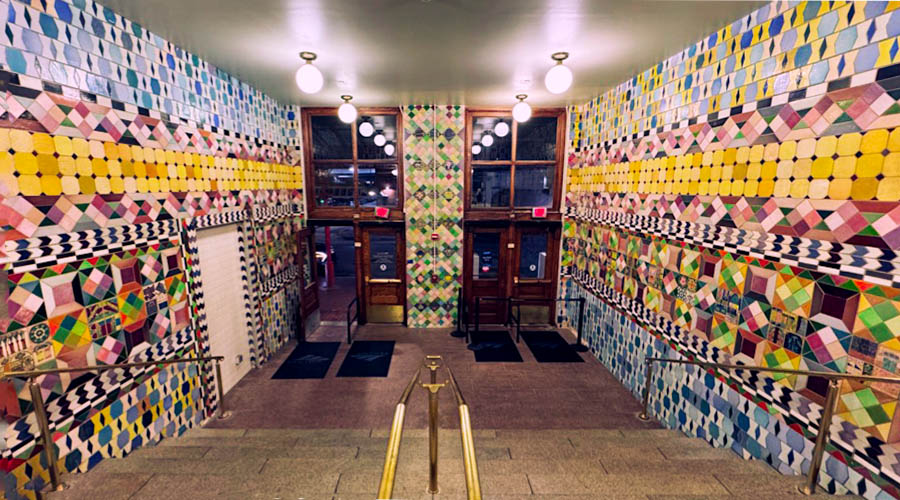
Expressive Egress
Wilmington, De / Jul 2025 / RWH
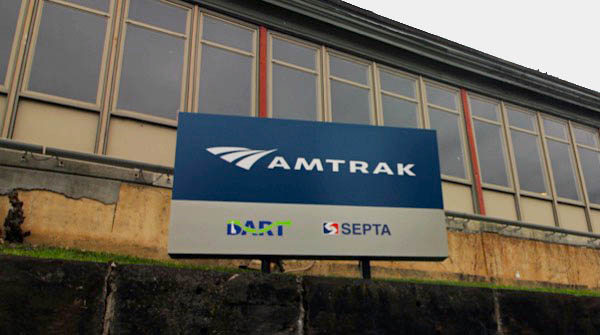
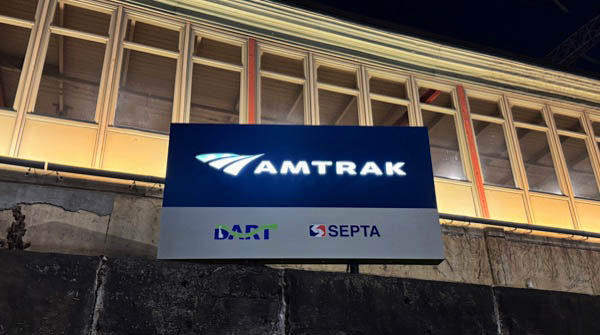
Morning and Evening
Wilmington, De / Jul 2025 / RWH
Links / Sources
- Amtrak's Wilmington Station page
- Great American Stations Wilmington page
- Wikipedia article for Wilmington Station