 |
Amtrak Great Stations Richmond, Virginia |
Richmond, Va / Jul 2025 / RWH
Richmond Main Street Station
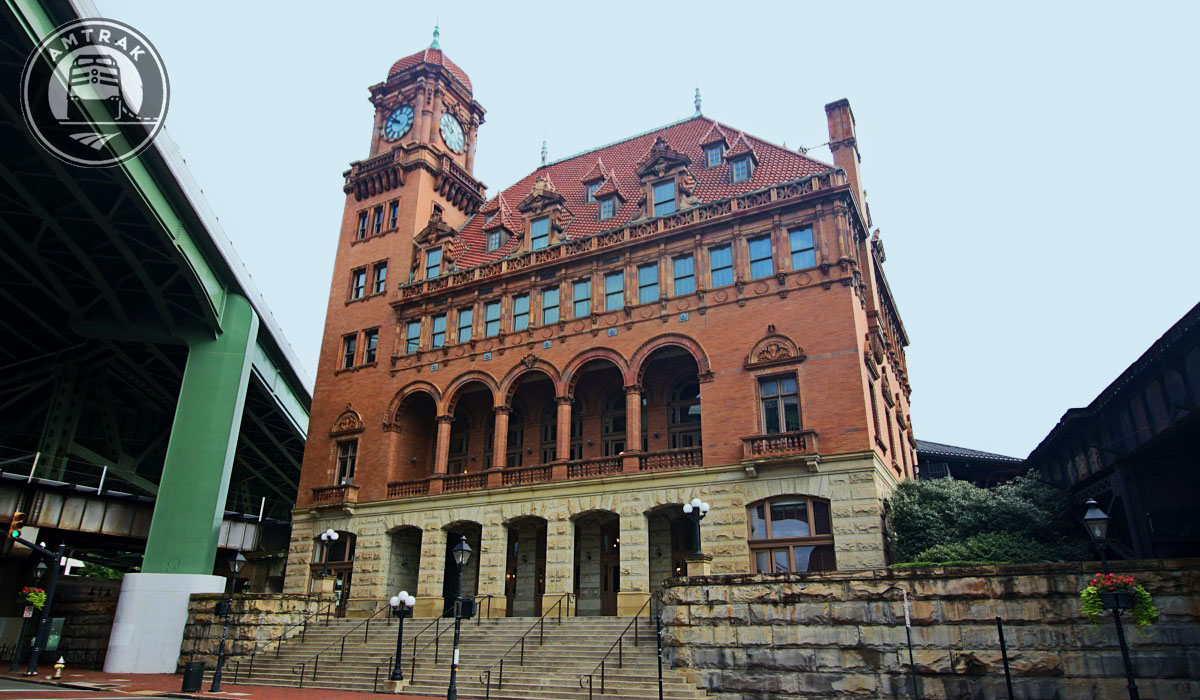
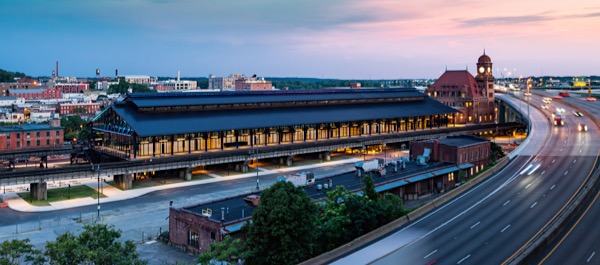
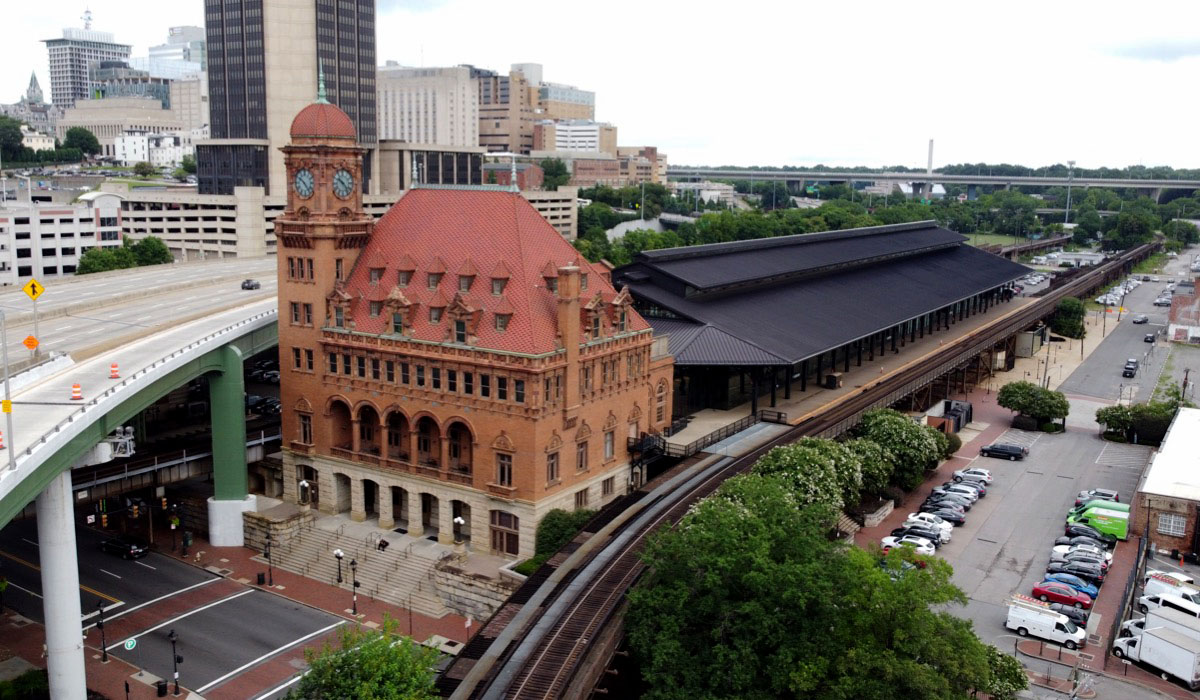
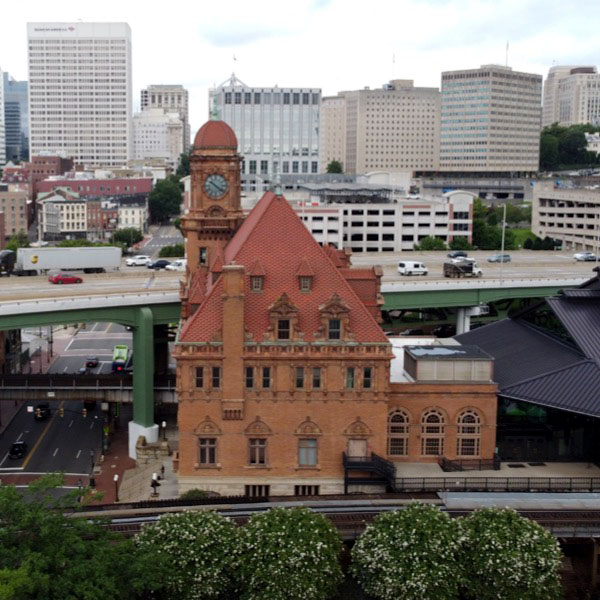
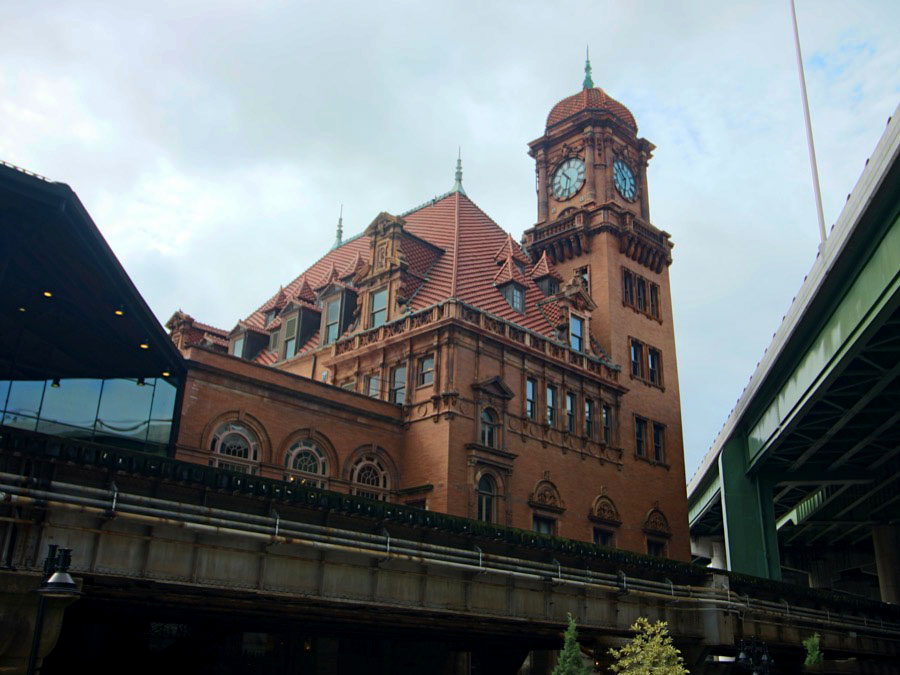
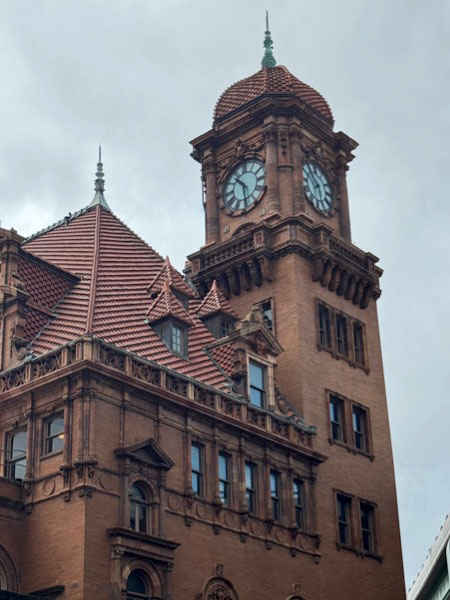
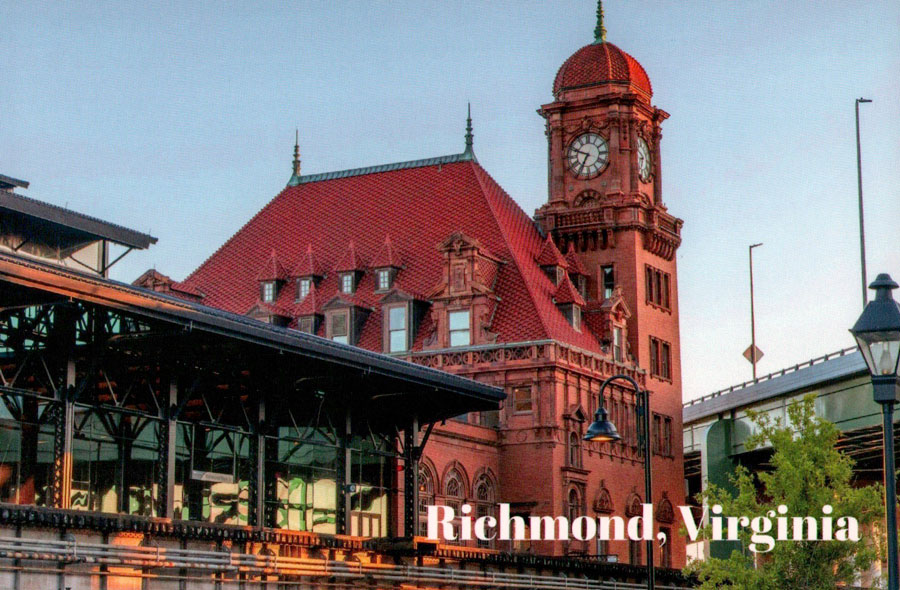
Located in Shockhoe Bottom, the Renaissance Revival style station opened in 1901 to serve the Seaboard Air Line and C&O railroads; its ornate, domed clock tower is a city landmark.
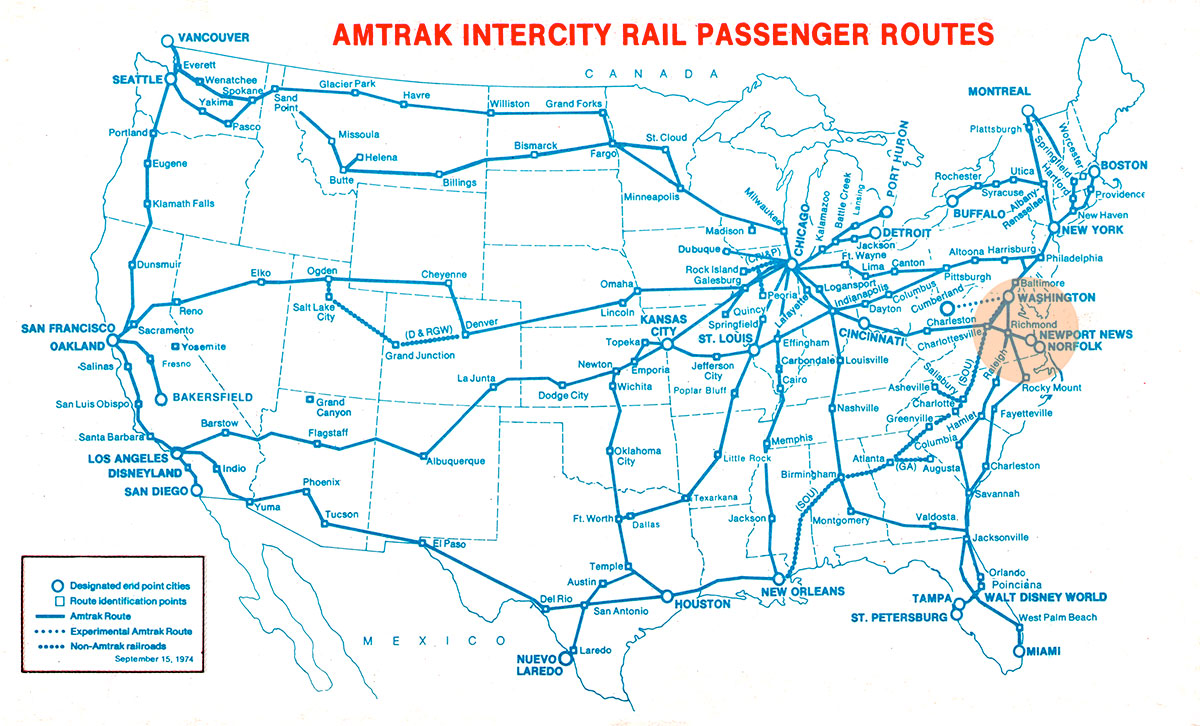
 Main Street station in Richmond’s Shockhoe Bottom district, a National Historic Landmark, is the second of two rail connections between this southern capital and the greater Northeast Corridor; the first, the Staples Mill Road station, lies north of the city in the Henrico County suburbs. Served by Amtrak and Greater Richmond Transit Company buses, Main Street station houses a Virginia Welcome Center stocked with information about local and statewide tourist destinations, and portions of the building can be rented for a variety of events.
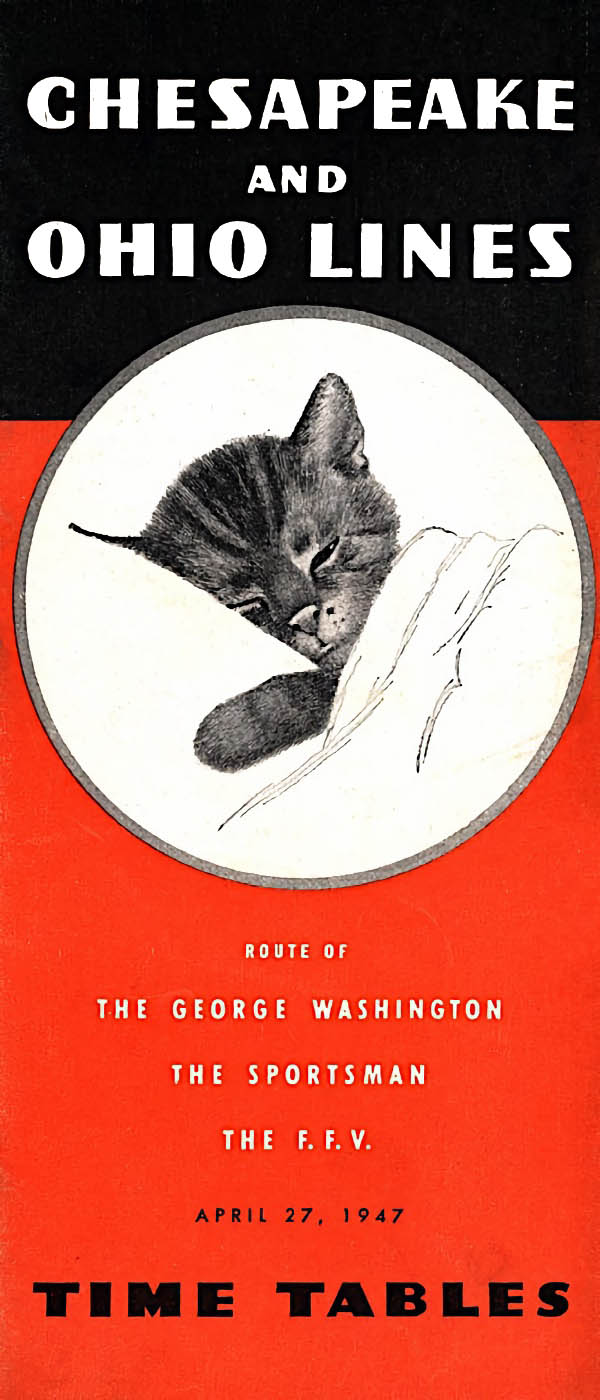
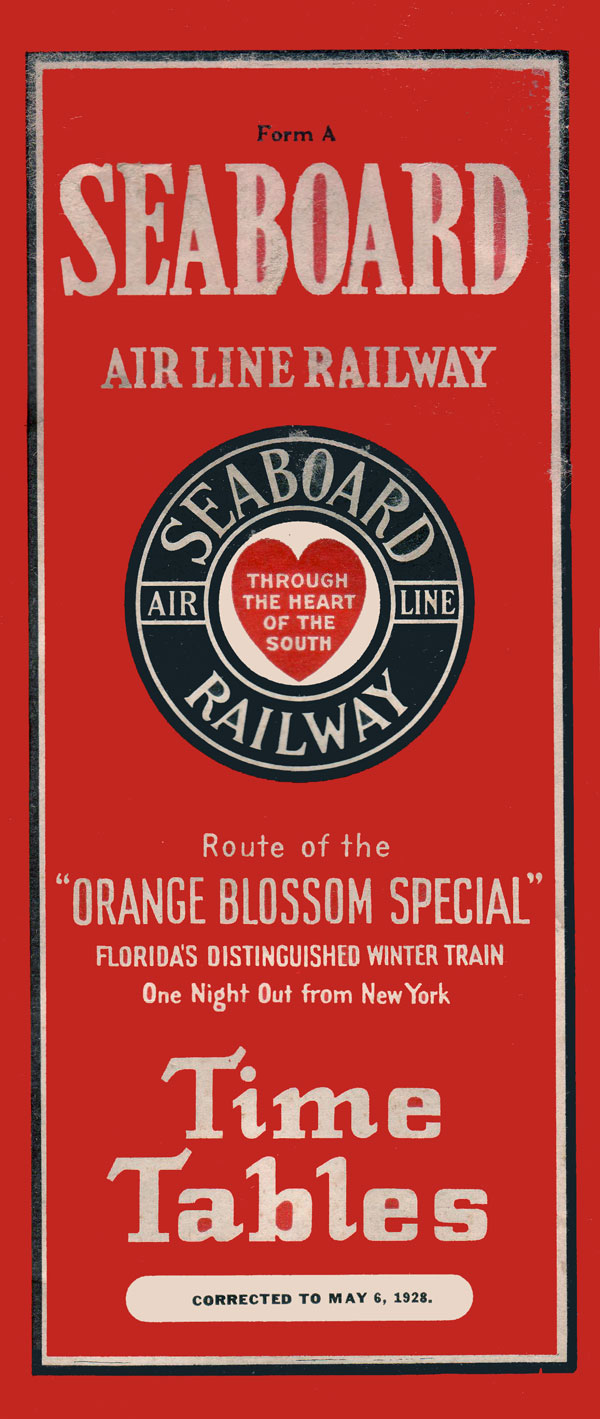
 The Main Street facility opened to serve as a union station for two major railroads, the Seaboard Air Line (SAL) Railroad, running north and south, and the Chesapeake and Ohio (C&O) Railroad, running east and west. The headhouse building and train shed were originally designed by Wilson, Harris, & Richards, famous railroad terminal specialists from Philadelphia, prior to the Spanish-American War, in 1898. Economic hardships following the war delayed construction and the facility was not opened until November 27, 1901. Architecturally, the station presents an excellent example of the Beaux Arts style adapted in what has been termed Second Renaissance Revival, dating from the 1880s and fostered by premier 19th century architect Richard Morris Hunt.
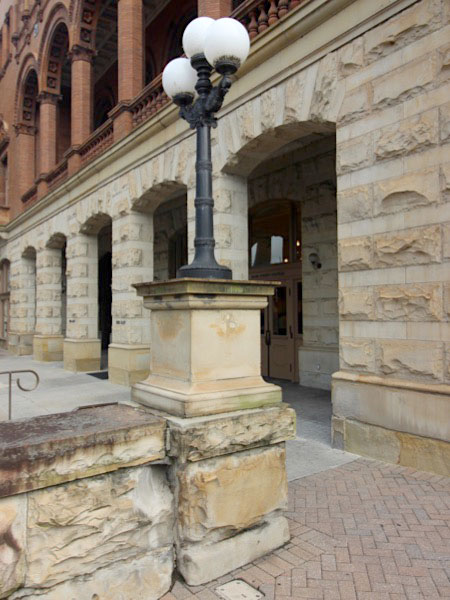
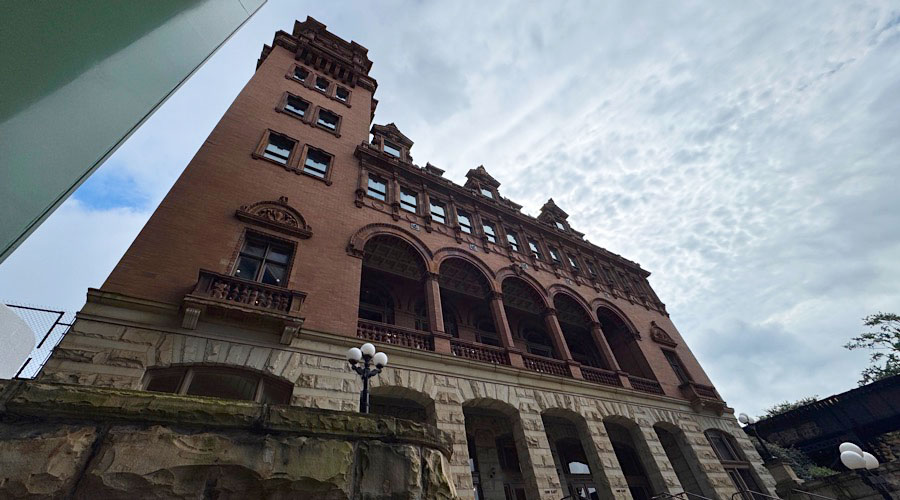
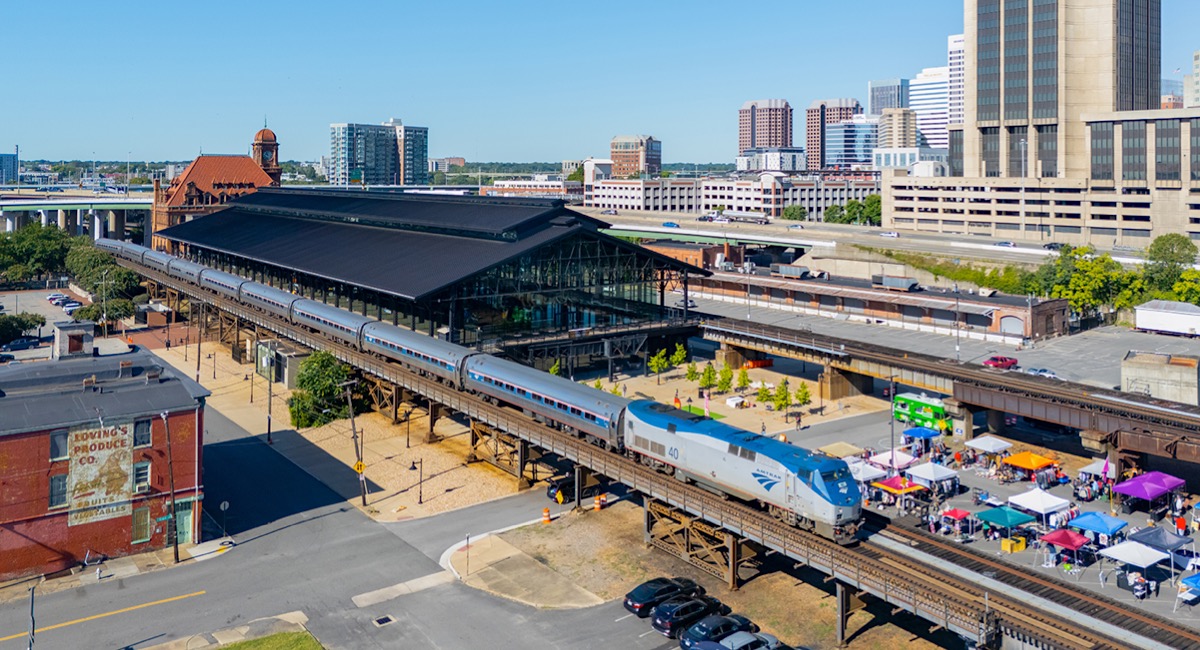
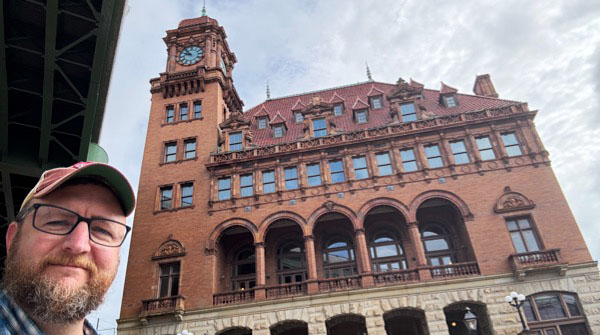
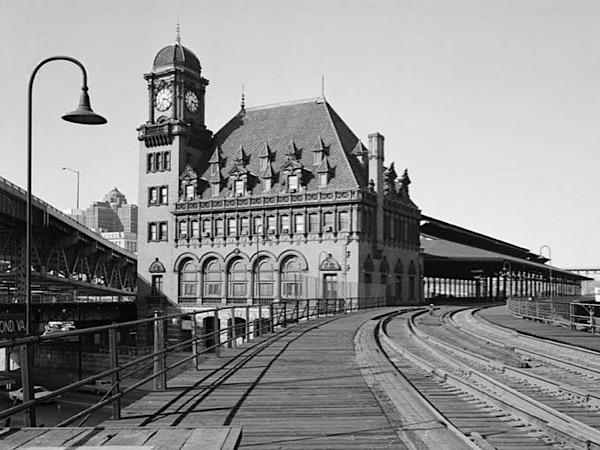 Seven bays wide on its entry sides and three on the flanking sides, the terminal building is veneered with elegant Pompeian brick and many architectural embellishments in stone and terracotta. A five-bay loggia, with Corinthian capitals on its columns and roses carved into the lower face of the arches, sits above the rusticated stone portico with its own segmented arches; an ornate six-story tower with four clock faces stands at the southwest corner of the building—a familiar Richmond landmark to drivers above on Interstate 95. The steeply-pitched hipped roof is covered in red clay tiles and pierced by two rows of dormers. The main body of the headhouse is four stories tall and originally contained the station waiting rooms, ticket offices, men’s and ladies’ rooms, dining and retiring rooms on the first and second floors; and railroad offices on the two floors above.
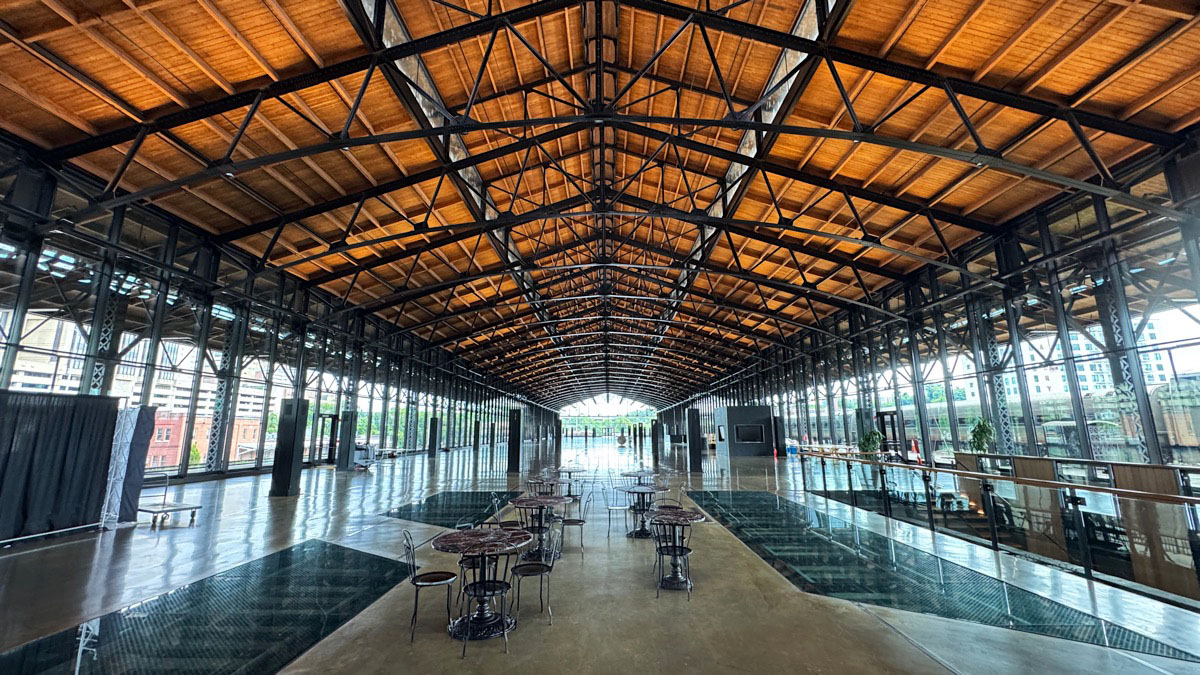
The 123-by-517 foot train shed on the north side of the station is also historically designated, and was one of the last gable-roofed train sheds ever built, as architects soon switched to longer arched balloon sheds. Built by Wilson Brothers of Philadelphia, the same firm responsible for the mammoth arched balloon sheds of Philadelphia and the Reading Railroad, the structure is one of the earliest examples of riveted steel trusses, which are now standard construction. The newer platform is above street level but rests on its original trestles. This makes it the largest intact train trestle system in the country.
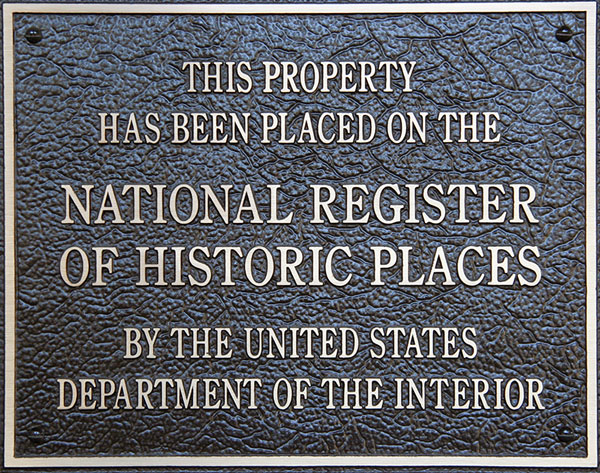 Main Street station was added to the National Register of Historic Places on October 15, 1970, and designated a National Historic Landmark on December 8, 1976.
In 1959, the SAL moved its passenger services to the Broad Street station (now the Science Museum of Virginia) while the C&O retained passenger service through the Main Street terminal as well as offices in its upper floors until Amtrak took over service in 1971. However, after Hurricane Agnes caused the rise of the James River which flooded the first floor of the station, Amtrak discontinued passenger service to Main Street station on October 15, 1975.
The station remained vacant for several years until SWA Development Corporation bought it in 1983 with plans to turn it into a shopping mall. On the eve of the conversion, October 7, 1983, a six-alarm fire destroyed the upper floors and roof of the headhouse. The building was subsequently restored, using replica roof tiles, and the shopping mall opened in 1985 but closed in a short time thereafter. In these interim years between active train service, the station also housed an unsuccessful nightclub—the Shockhoe Bottom area being a center for nightlife at the time.
With the passage of the 1991 Intermodal Surface Transportation Efficiency Act, which emphasized preservation of existing systems before construction of new facilities, restoration advocate and City Planner Viktoria Badger saw an opportunity to fund the station’s restoration and return it to transportation use. She envisioned a true multimodal transportation hub serving trains, shuttles, buses, taxis, vanpools, and intercity bus service.
 The State of Virginia purchased the station in 1995, and shortly thereafter, Badger contacted Harry Weese Associates (HWA) of Washington, D.C. to do the initial feasibility study regarding restoration. Construction began in August 2001, with six months of interior gutting, because the plaster walls required significant asbestos abatement. Restorations were accomplished thereafter, trying to match original materials and usage of the building—a more complex matter than rehabilitation. Further complicating matters was the lack of as-built plans for the headhouse, which led to surprises such as discovering that some raised platform floors were not made of concrete, but compressed coal ash that fell apart once uncovered. Other surprises included discovering much architectural ornament long covered over and hidden. Some problems during renovation were solved through replacement of outdated materials, but other structural issues were more serious: a steel skeleton was added to support the second floor of the station. Additionally, building codes had changed in the years since the restoration’s original design, and plans had to be altered in some cases as they went along and discovered the applicable code changes.
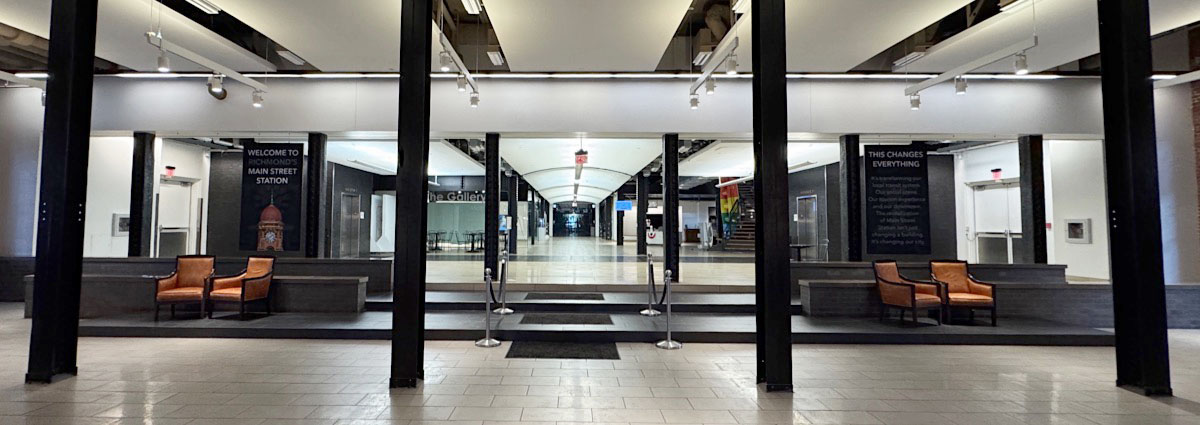
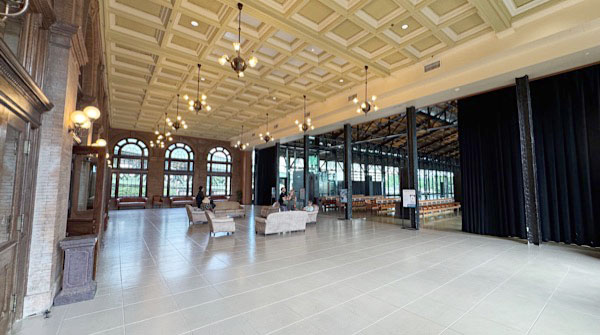
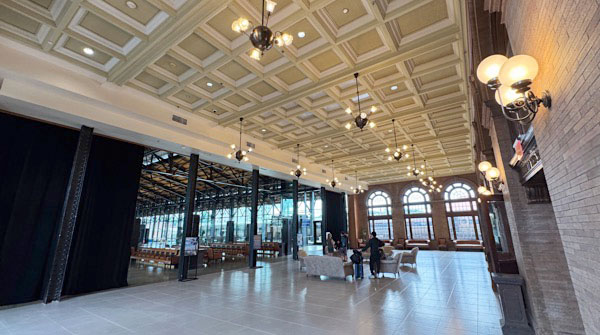
Modern elements, such as life safety systems, security systems, network wiring, a new elevator, upgrades to comply with the Americans with Disabilities Act, and mechanical, electrical and plumbing upgrades were done as unobtrusively as possible. Another important challenge to interior restoration was the lack of historical paint samples, due to the fires and water damage over the years. Bringing the interior lighting up to modern code—much brighter than the station originally had—caused the proposed historical color scheme to be toned down a little, but it still retained the rich tones of the post-Victorian era. The colors chosen were peach-gold, sea-foam green, French white and a dark ivory typical of the period.
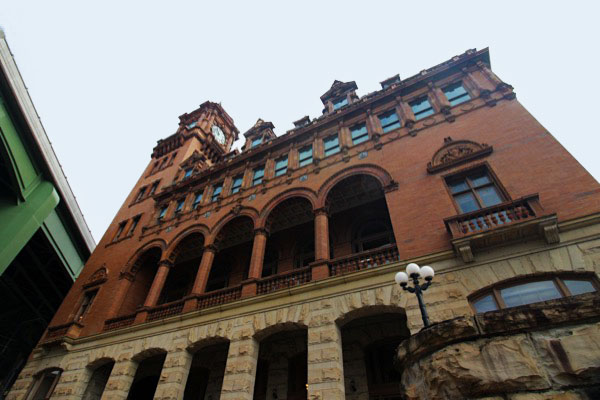 The building’s exterior was also restored, as the Pompeian brickwork needed extensive tuck-pointing, much of the terra cotta decoration had succumbed to the weather, balustrades were structurally unsound, and stonework was deteriorating. As the tracks running past the station were active during the entire restoration, outside work was required to stop several times a day for safety reasons. Cast concrete replaced the original platform, per code, but the shed’s unique and decorative ironwork was preserved and replacement iron support structures emulated the original as well. Finally, spotlighting the features of the restored structure at nighttime was done not only for safety reasons but because it would have a positive impact upon the neighborhood and called attention to the station’s renaissance.
In 2017, the city completed a full renovation of the train shed, highlighting the original metalwork and replacing metal cladding on the exterior walls with panels of glass that allow natural light to flood the space. The shed offers two levels. The upper level is one large, soaring, flexible, open space that provides expansive views of the city; at night, it glows from within, a reborn civic space and beacon for train travelers and those passing by on the interstate. At approximately 40,000 square feet, the upper level can be used for a variety of public and private events, from art fairs to galas.
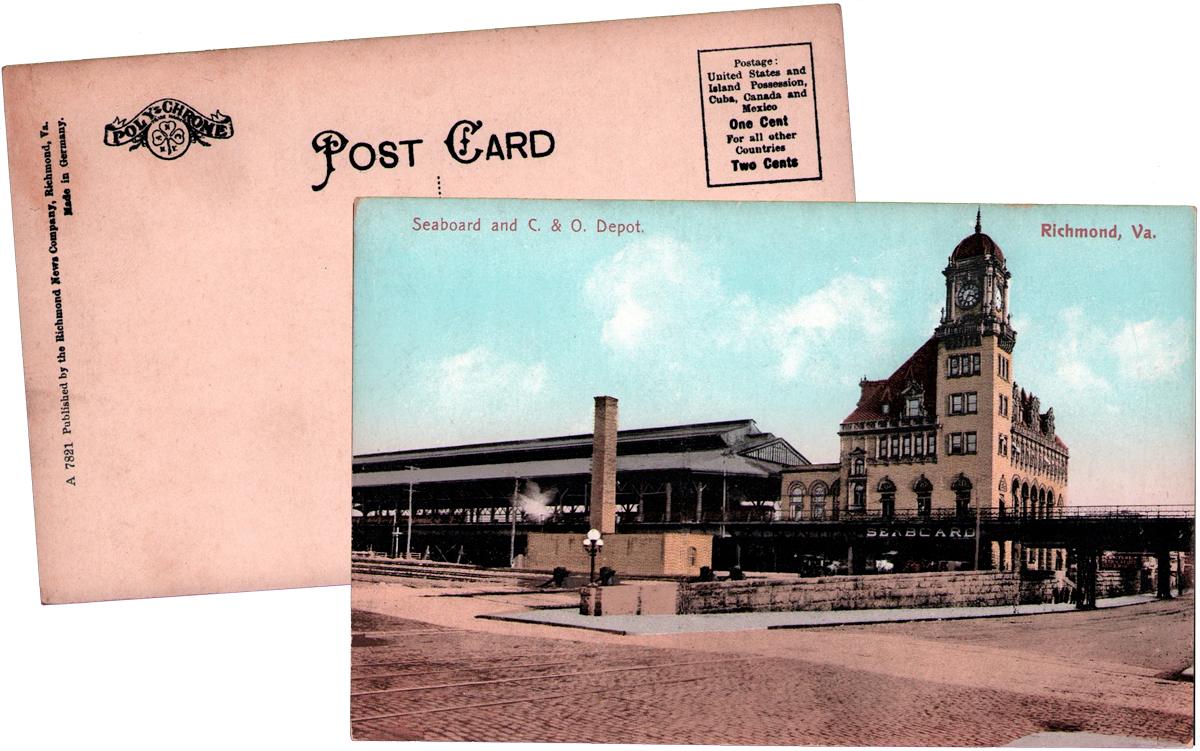
postcard / collection
Richmond, Va / Jul 2025 / RWH

Richmond
- name:Main Street Station
- station code:RVM
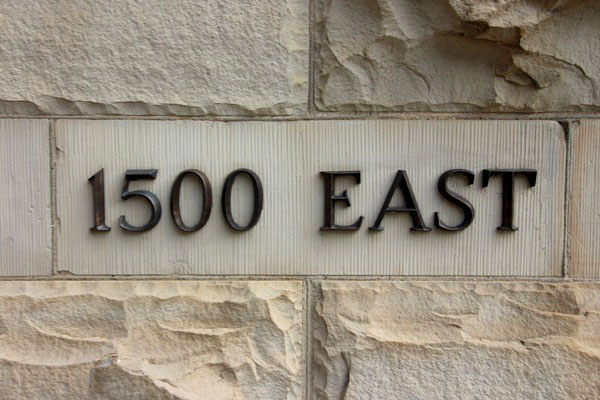
- location:1500 East Main Street, Richmond
- owner:City of Richmond
- operators:Amtrak, GRTC Pulse
- platforms:2 side platforms
- tracks:2 through (historically 8)
- opened:1901
- style:Beaux Arts
- architect:Wilson, Harris, & Richards
- rebuilt:completed 2003
- Nat Reg Historic Places:1970
- notes:
- Although several regional Amtrak trains use Main Street station, most Amtrak service to Richmond uses the Staples Mill Road station
- routes:
- Virginia Service
Jul 2025 / RWH
collection
collection
1974 Amtrak timetable map / collection
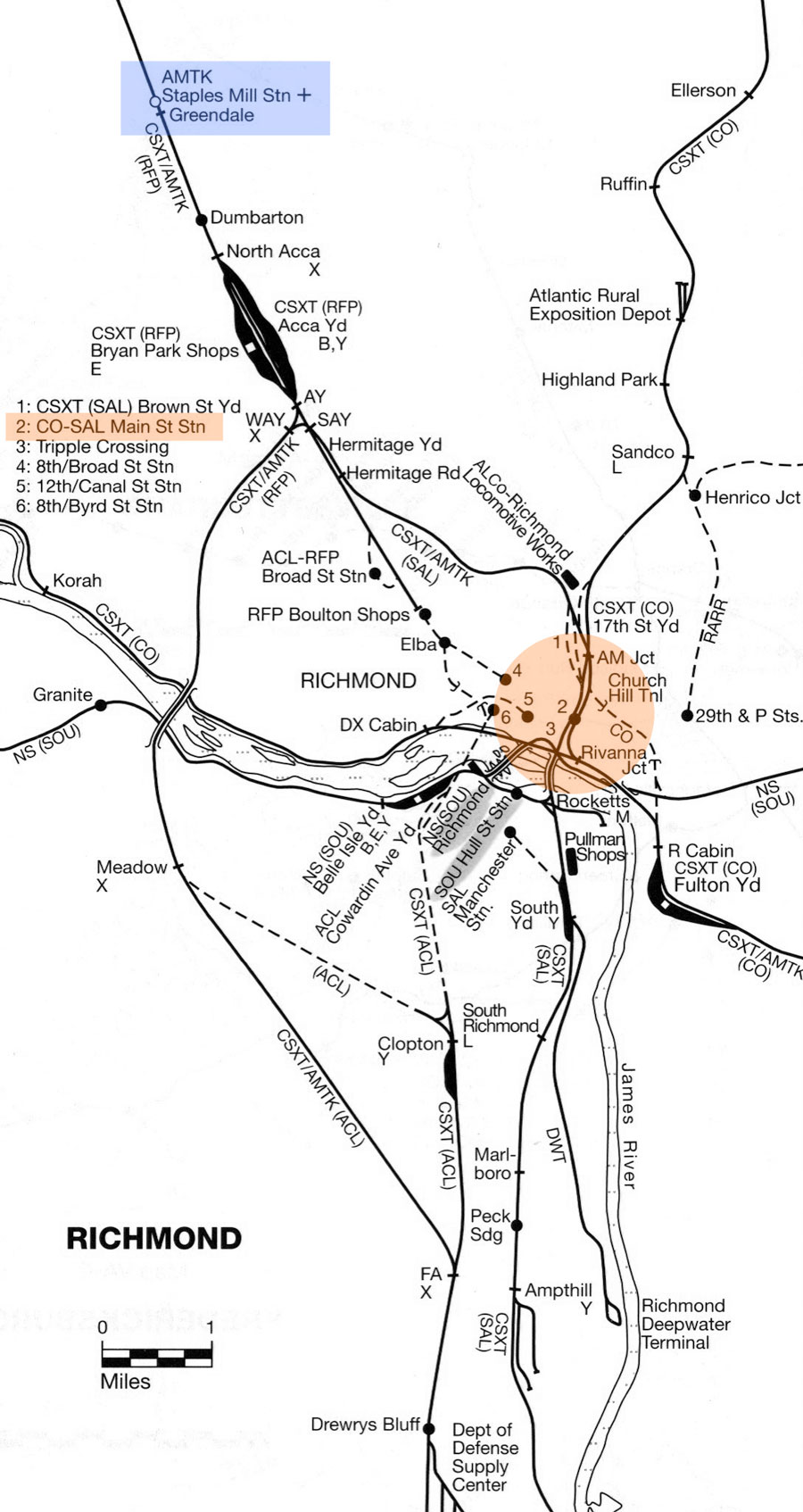
Richmond area rail map
adapted RWH
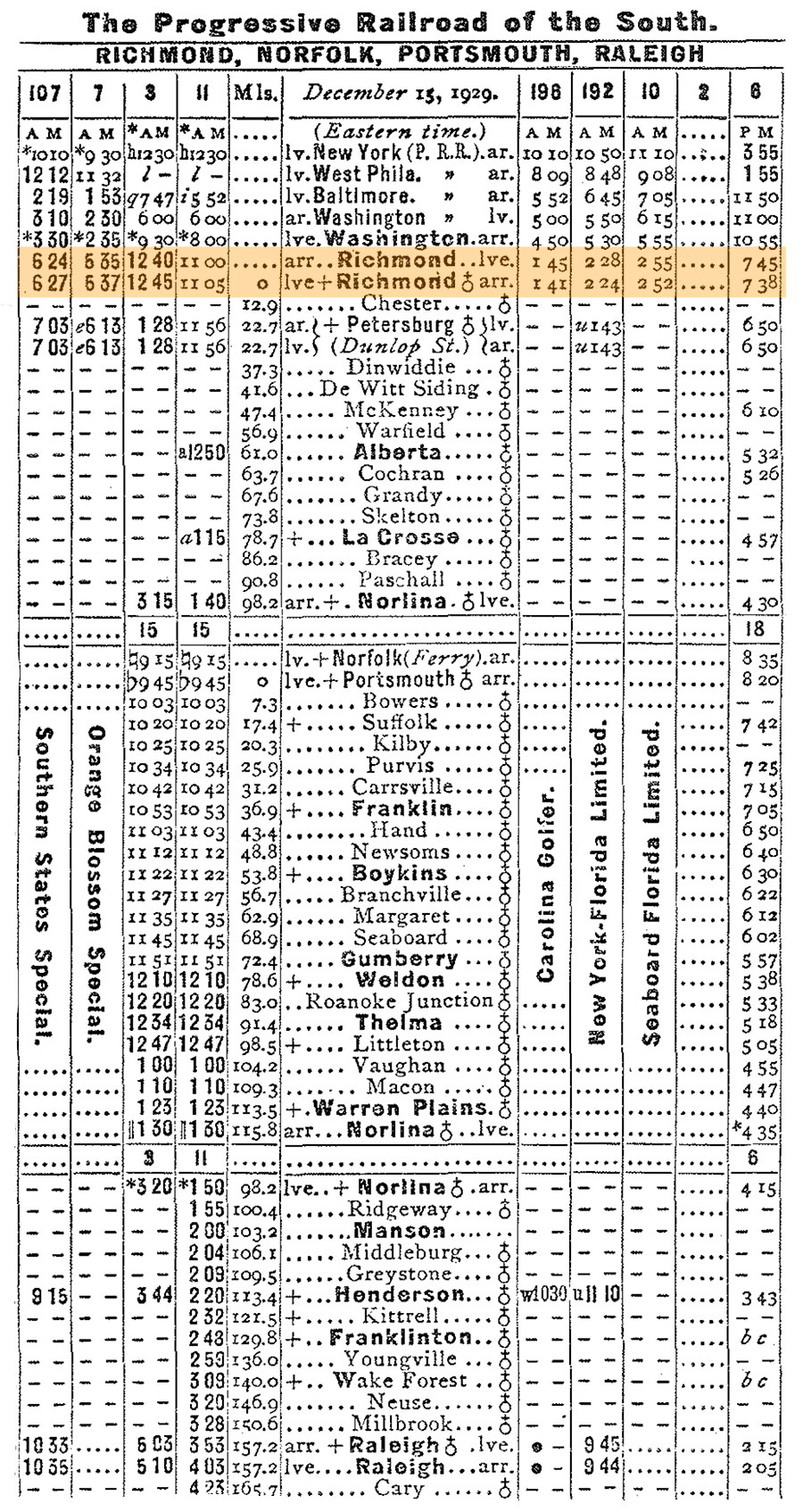
1930 Official Guide ad / collection
collection
collection
Exterior
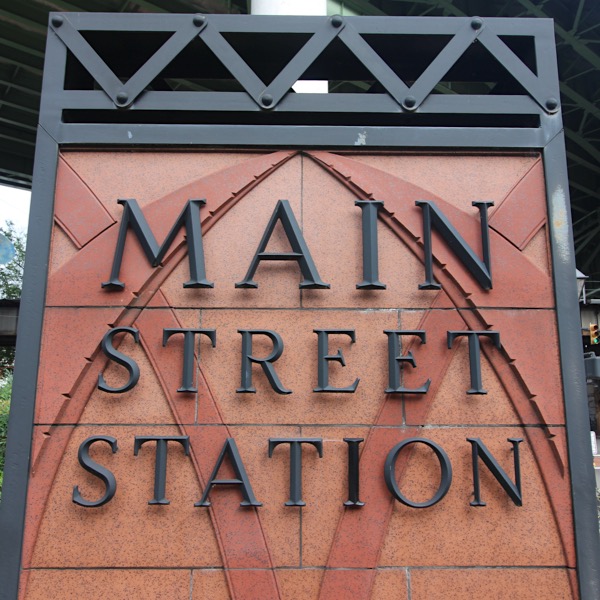
Jul 2025 / RWH
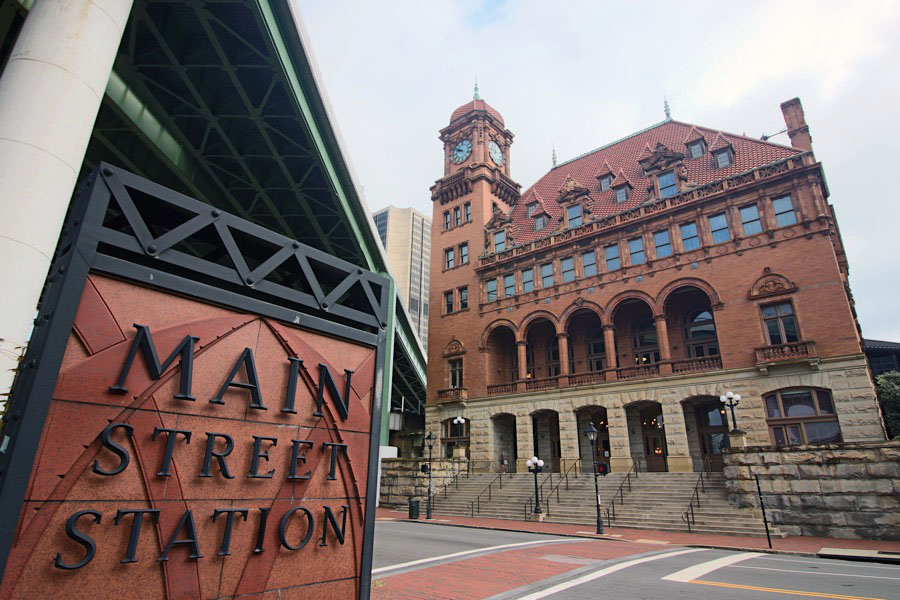
Richmond, Va / Jul 2025 / RWH
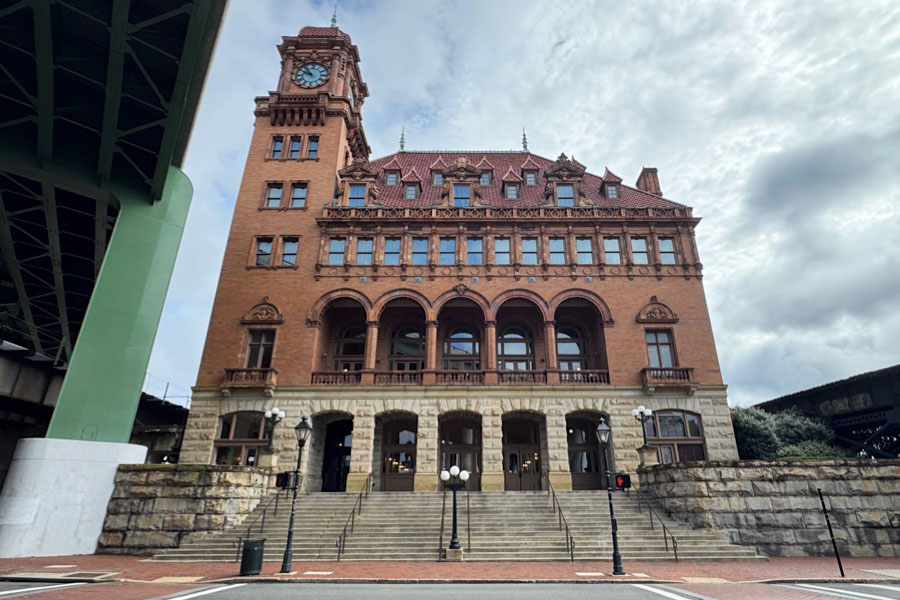
Richmond, Va / Jul 2025 / RWH

Click to see Richmond's Main Street Station plotted on a Google Maps page
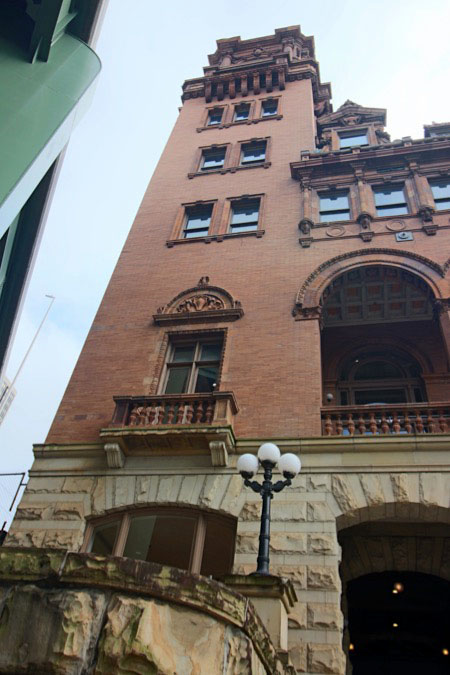
Jul 2025 / RWH
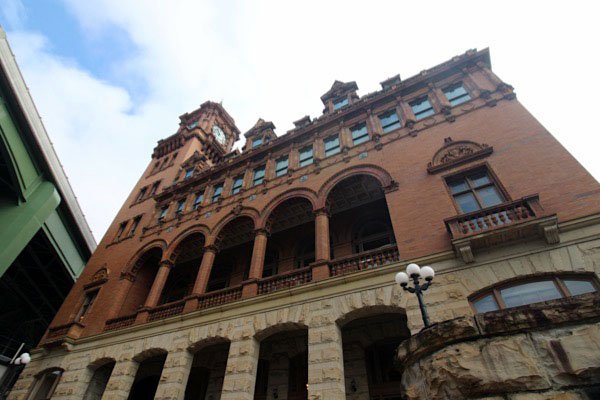
Jul 2025 / RWH
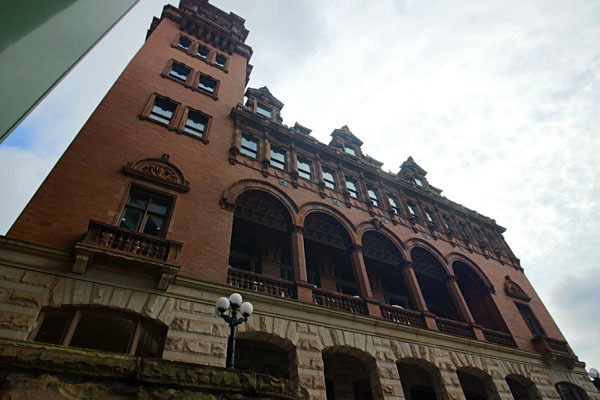
Jul 2025 / RWH
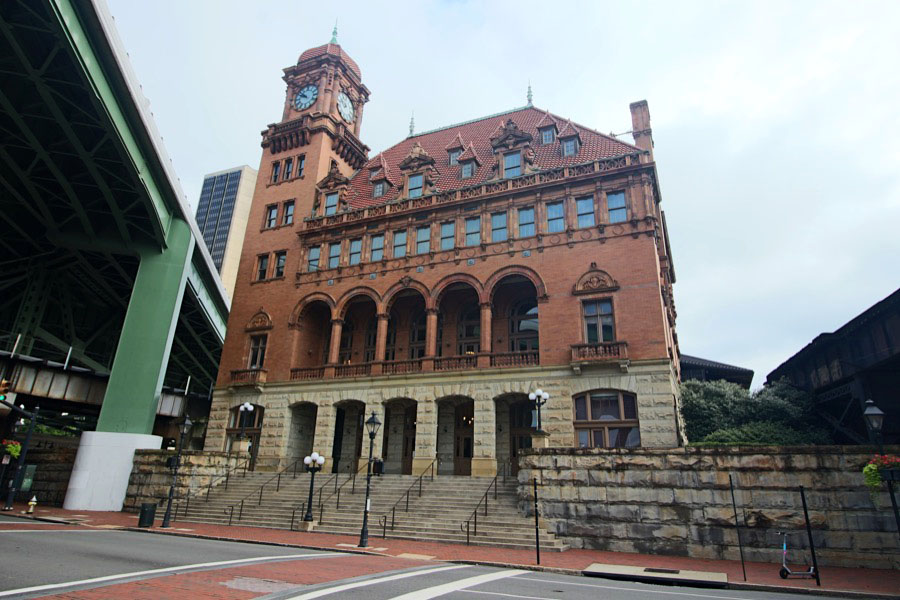
Richmond, Va / Jul 2025 / RWH
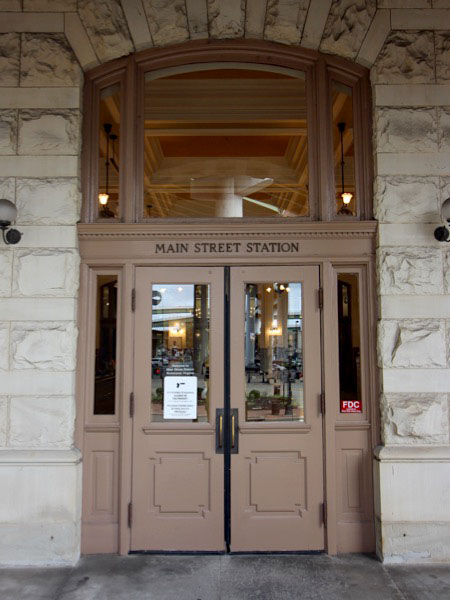
Jul 2025 / RWH

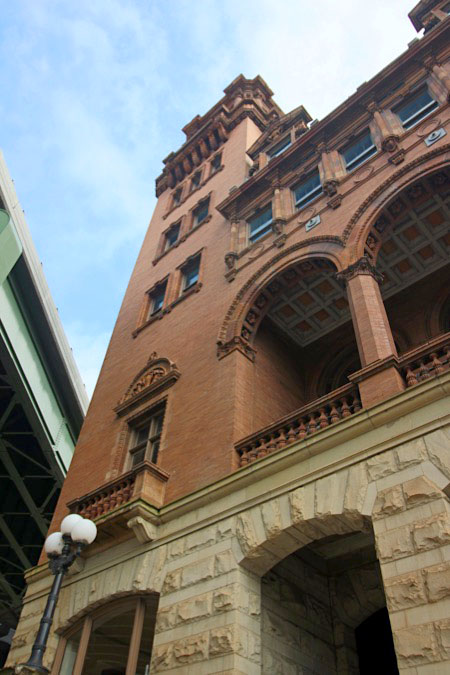
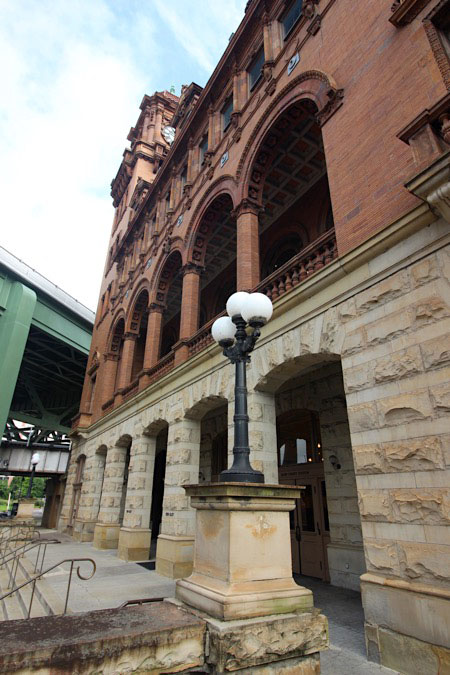
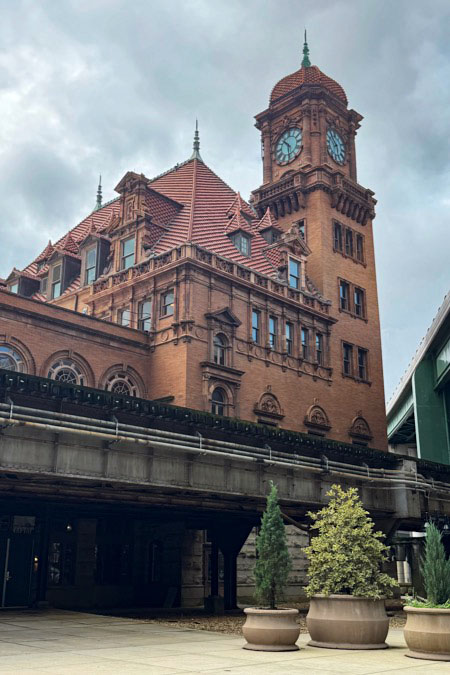
Jul 2025 / RWH
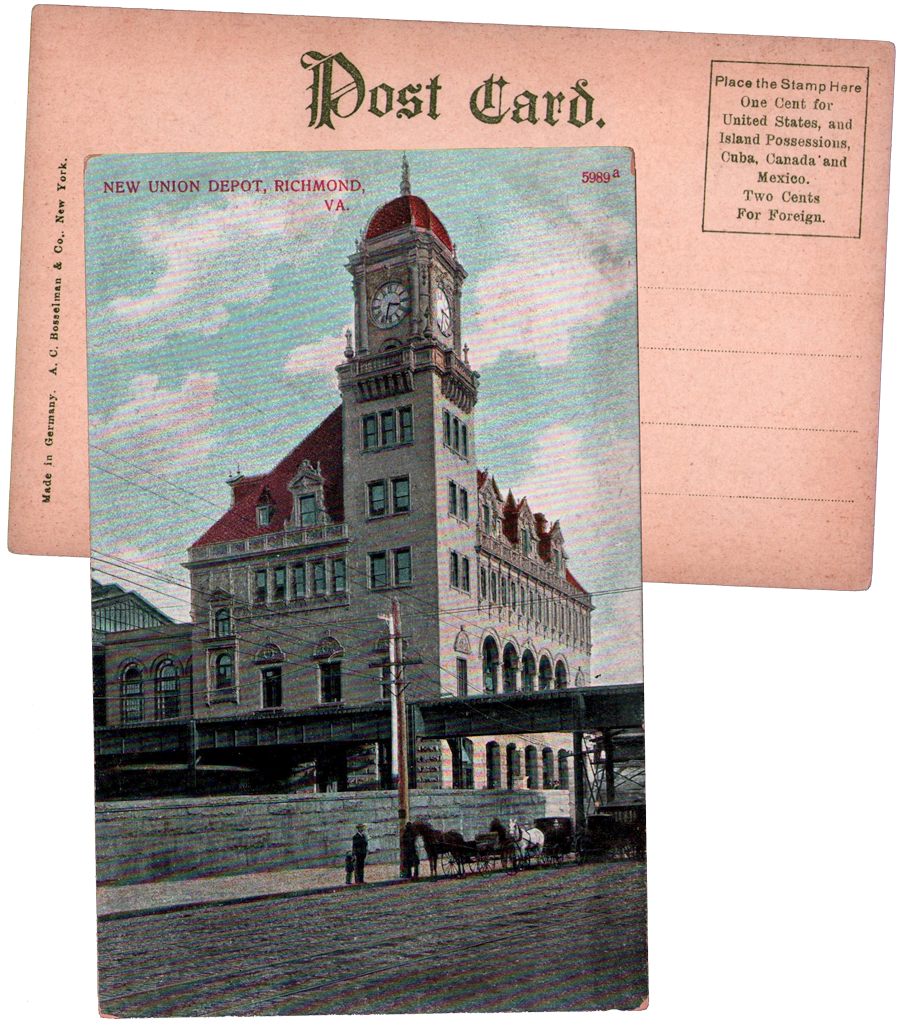
postcard / collection
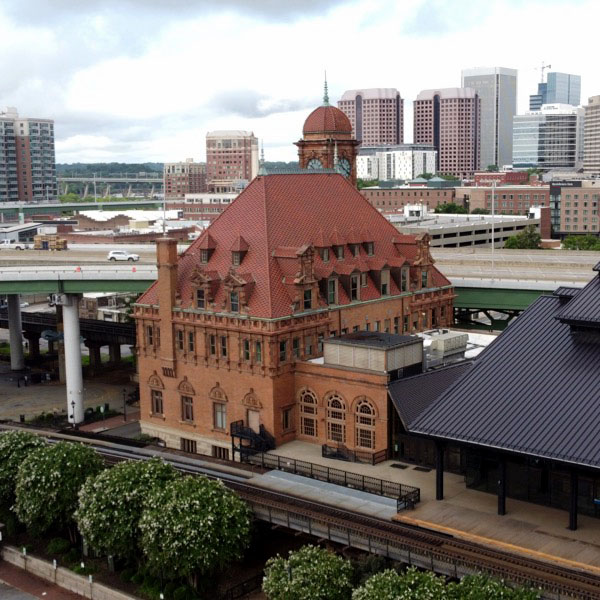
Richmond, Va / Jul 2025 / RWH
Richmond, Va / Jul 2025 / RWH
Richmond, Va / Jul 2025 / RWH

 Our story starts in 1901. Railroad stations were a declaration — a statement to the world of a city’s worth. Philadelphia firm Wilson, Harris and Richards created a grand metropolitan milestone in the Second Renaissance Revival Style, right in the heart of Richmond, Virginia. Today, Main Street Station thrives as an active train station and one of the most important venues in Greater Richmond. With the addition of the Shed, it totals an overall $95 million transformation.
Richmond, Va / Jul 2025 / RWH
Jul 2025 / RWH
details
Jul 2025 / RWH
Jul 2025 / RWH
Jul 2025 / RWH
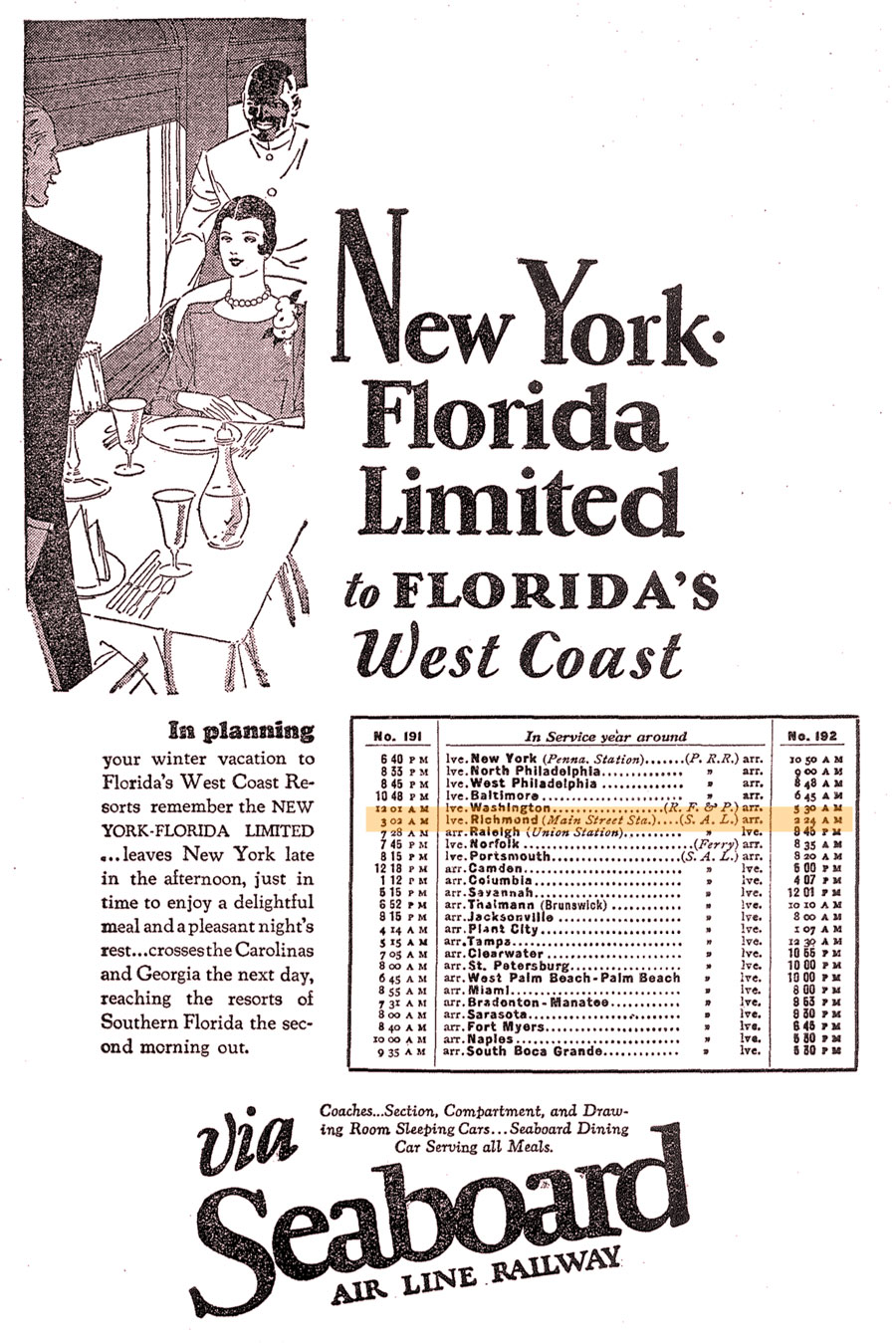
1930 Official Guide ad / collection
 Richmond, Va
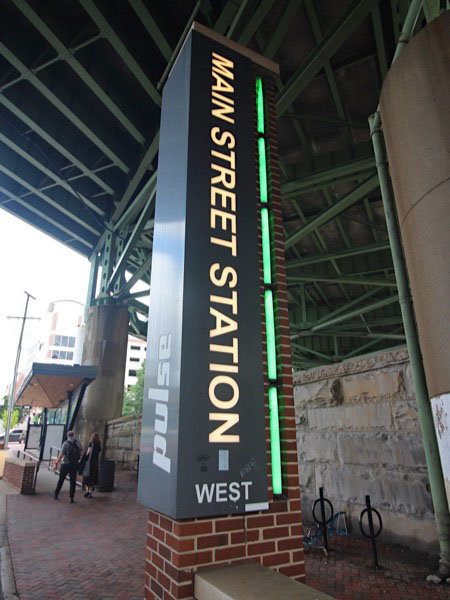
 Located in the heart of downtown Richmond, Main Street Station is an active Amtrak train station. It is also the Richmond region’s premier multimodal transportation center, with local buses, including The GRTC Pulse – Richmond’s bus rapid transit line, national buses, bike rentals, car services and electric car charging. So it’s not only a place to go. It’s a place of connection. Main Street Station is Amtrak’s downtown Richmond (RVM) location, with service on the Northeast Regional Train. North to south, service goes from Richmond to DC, New York, Hartford, Providence/Springfield and Boston, and east to west to Norfolk/Newport News and Virginia Beach. Or, of course, you can head to DC and transfer to just about anywhere Amtrak serves.
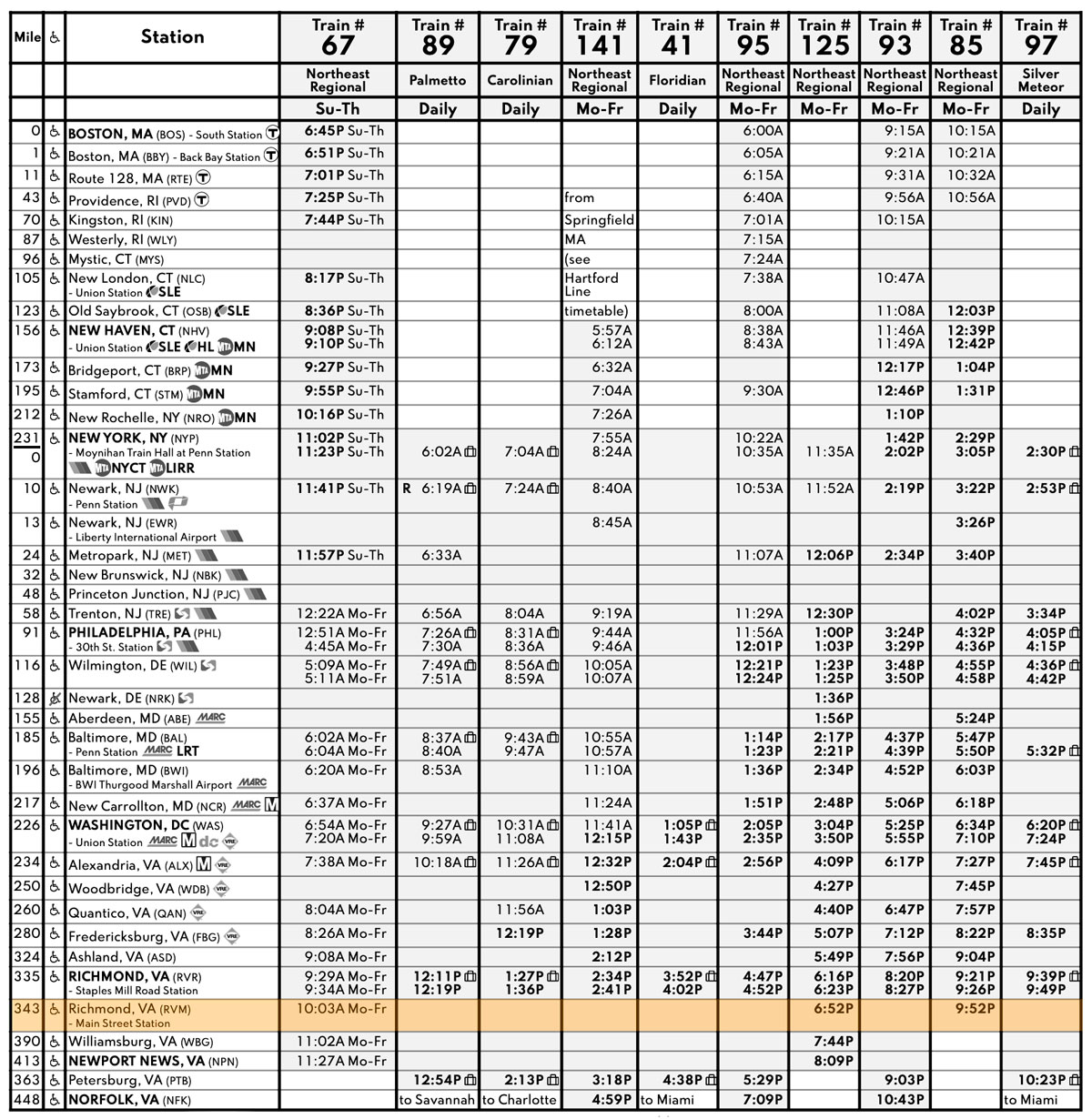
Rail Passengers Association 2025 southbound timetable / adapted RWH
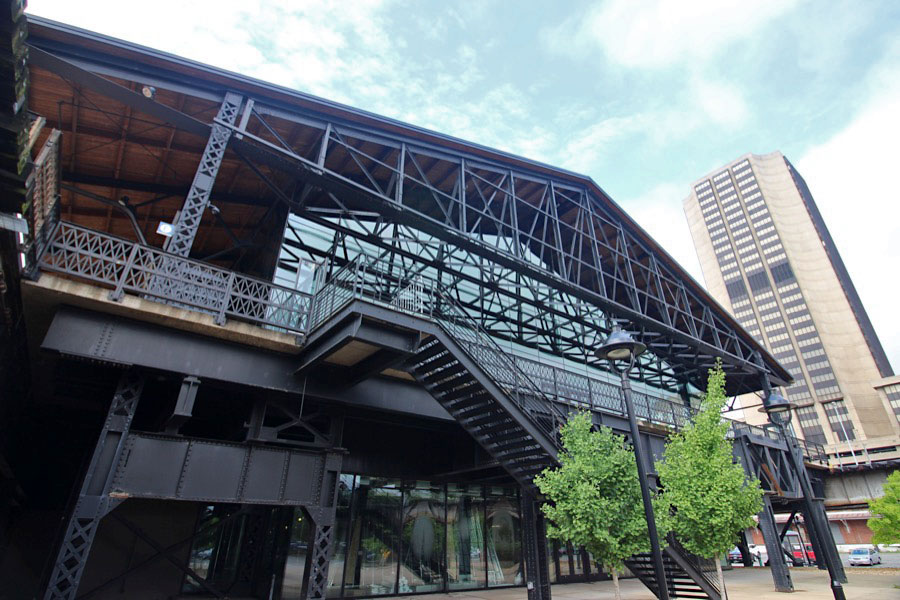
Richmond, Va / Jul 2025 / RWH
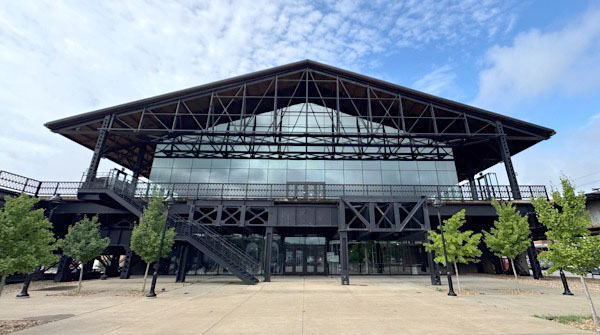
Richmond, Va / Jul 2025 / RWH
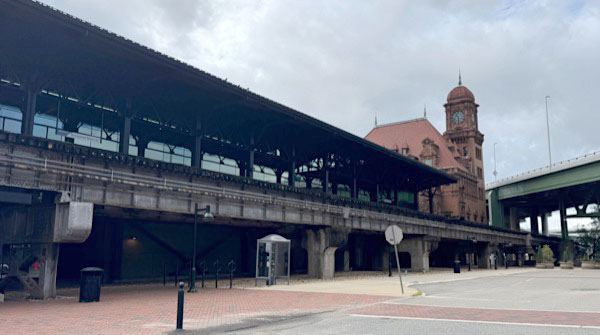
Richmond, Va / Jul 2025 / RWH
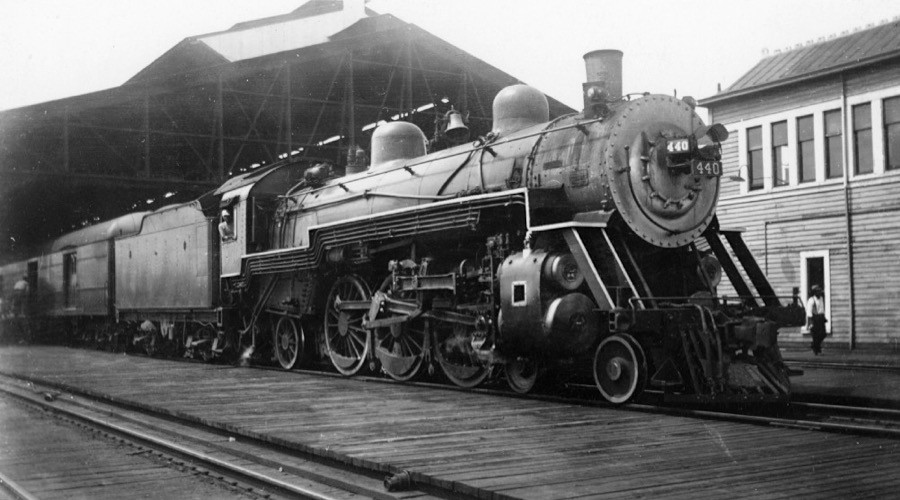
Chesapeake & Ohio #440
Richmond, Va / Jun 1941 / Gary Everhart collection 
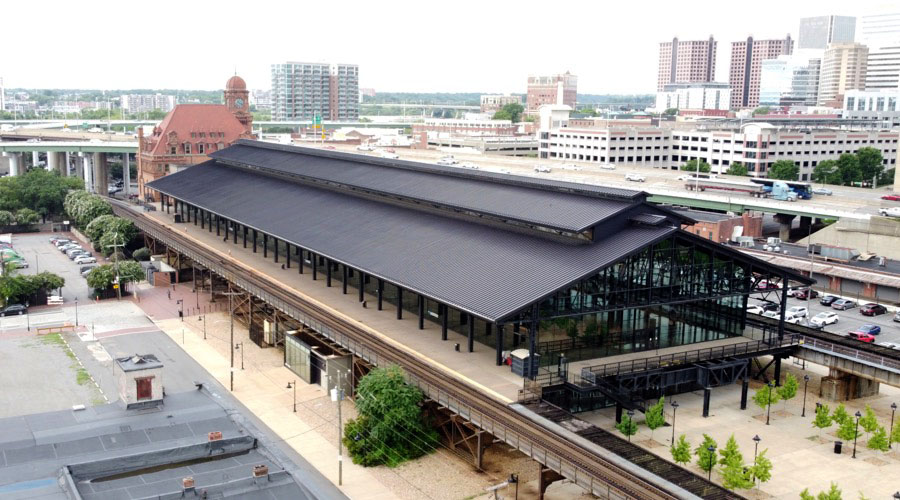
Richmond, Va / Jul 2025 / RWH
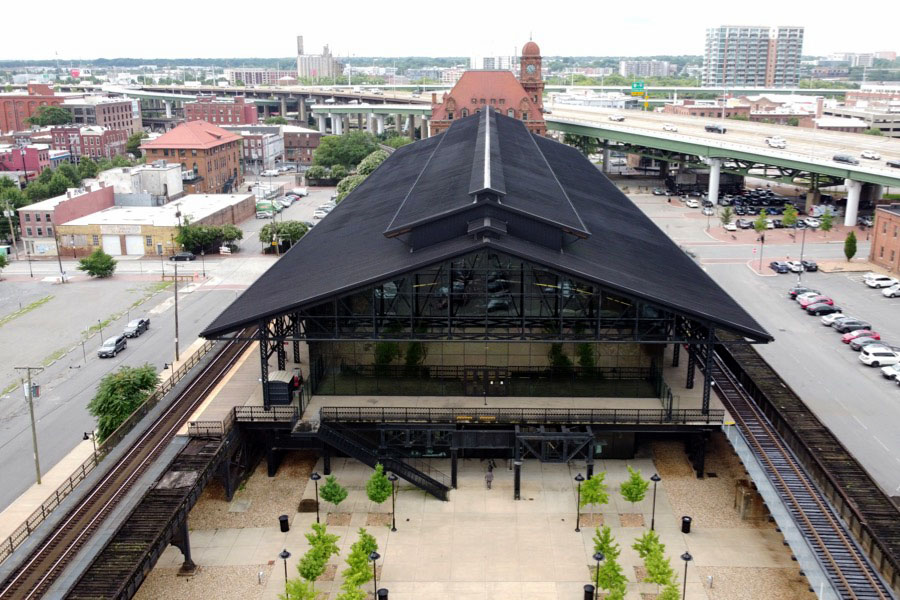
Richmond, Va / Jul 2025 / RWH
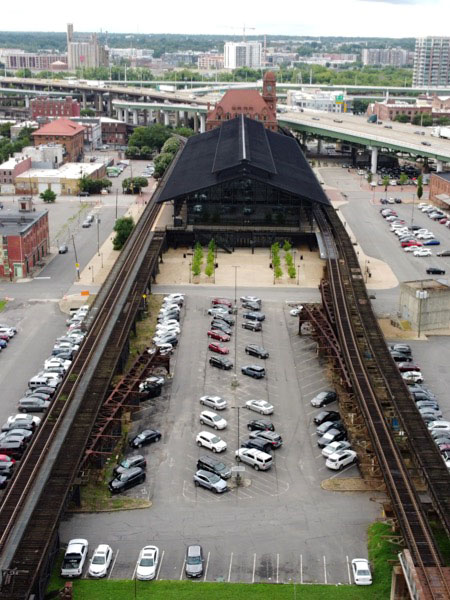
Jul 2025 / RWH
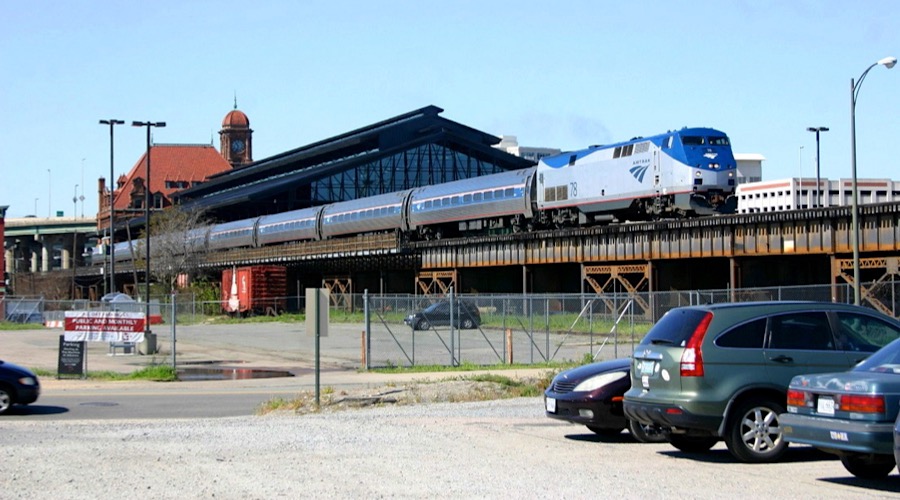
Richmond, Va / Apr 2018 / William Duvall 
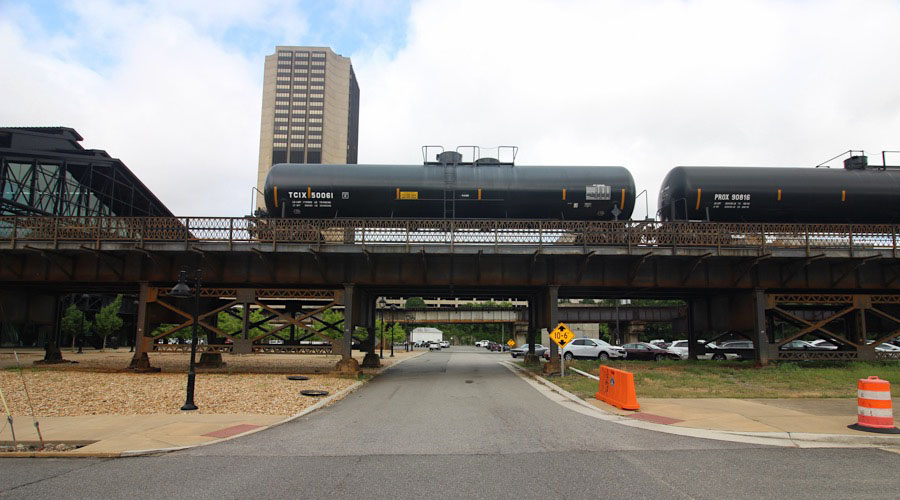
Richmond, Va / Jul 2025 / RWH

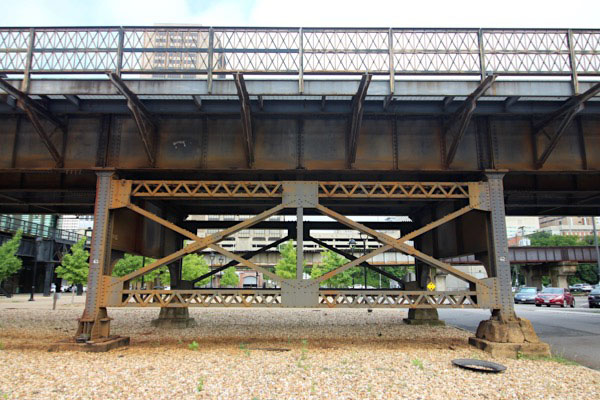
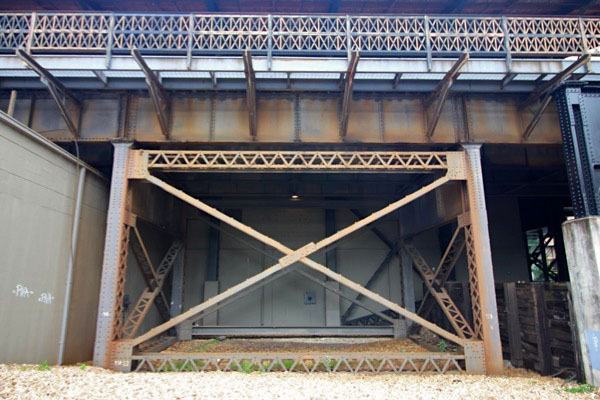
Richmond, Va / Jul 2025 / RWH
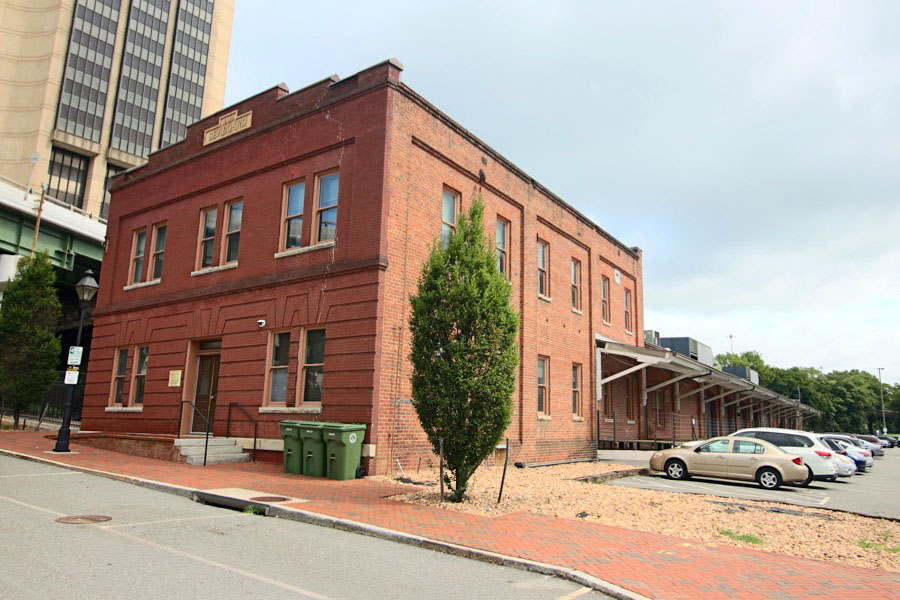
Seaboard Air Line freight station
Richmond, Va / Jul 2025 / RWH
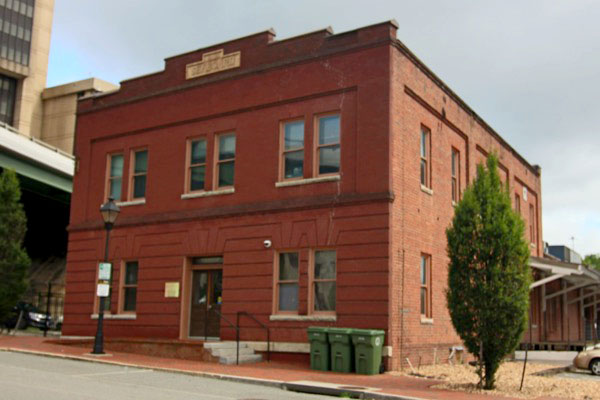
Richmond, Va / Jul 2025 / RWH
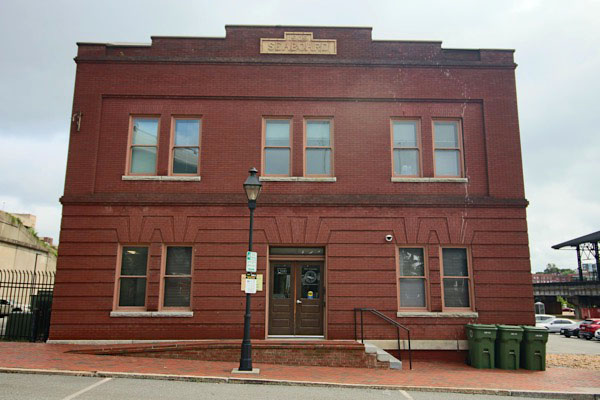
Richmond, Va / Jul 2025 / RWH
Click to see the Seaboard Freight Station plotted on a Google Maps page
Interior
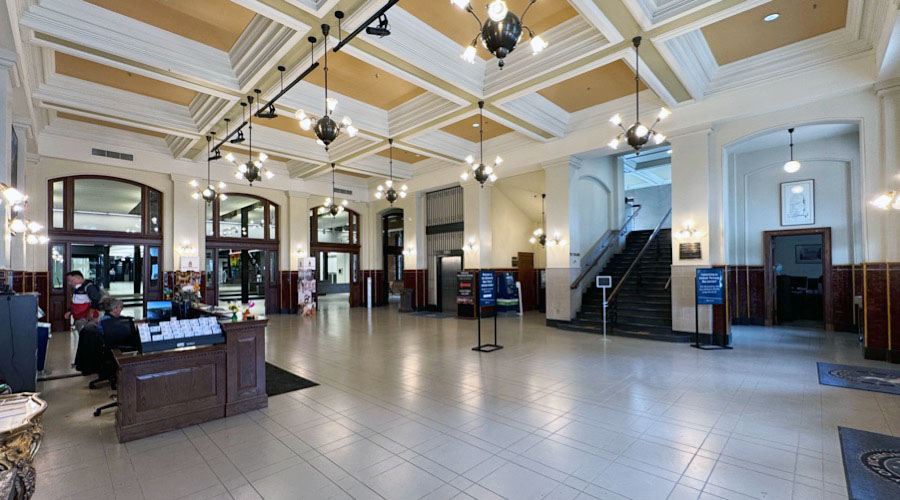
Jul 2025 / RWH
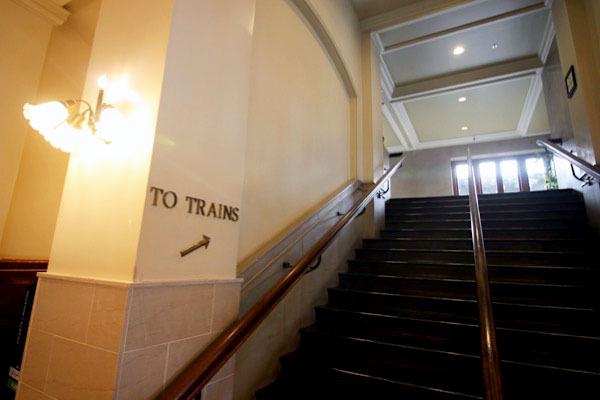
Jul 2025 / RWH
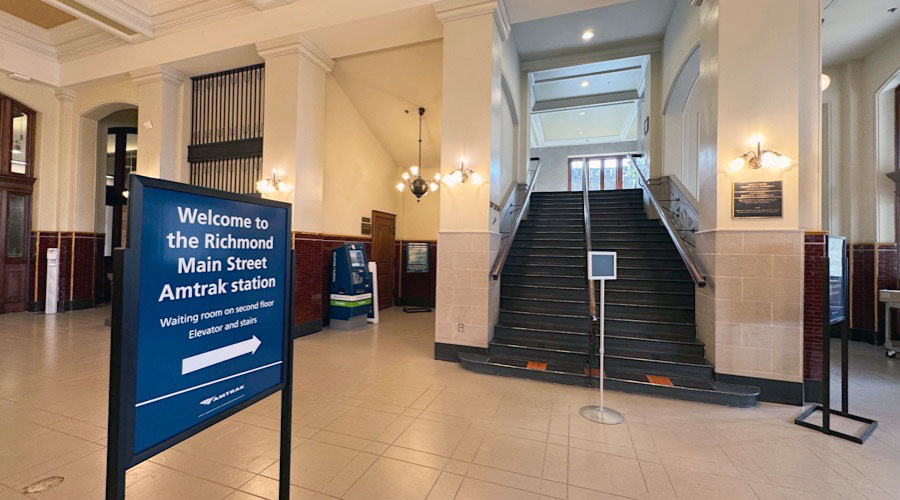
Jul 2025 / RWH
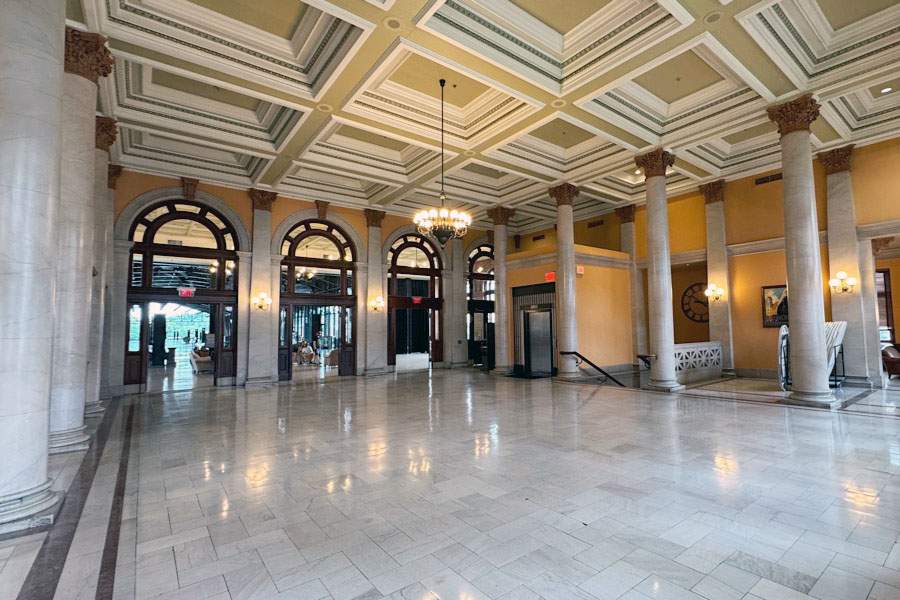
Jul 2025 / RWH
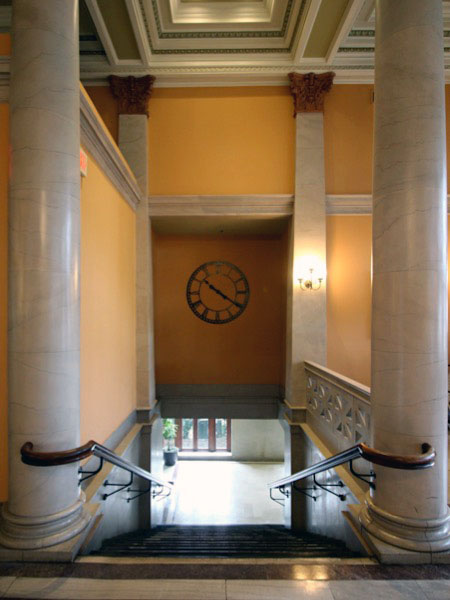
Jul 2025 / RWH
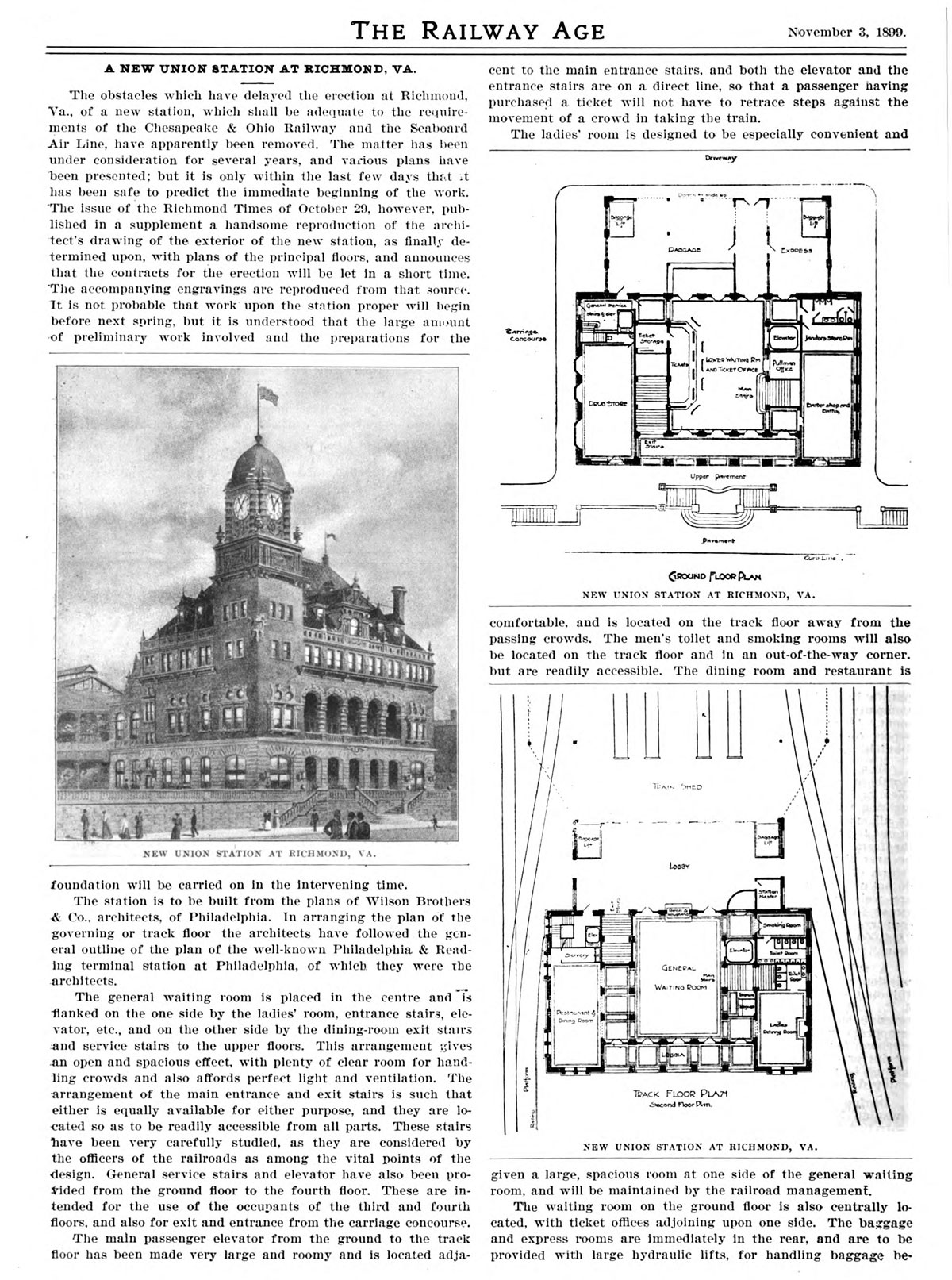
from The Railway Age magazine [Nov 1899] / collection
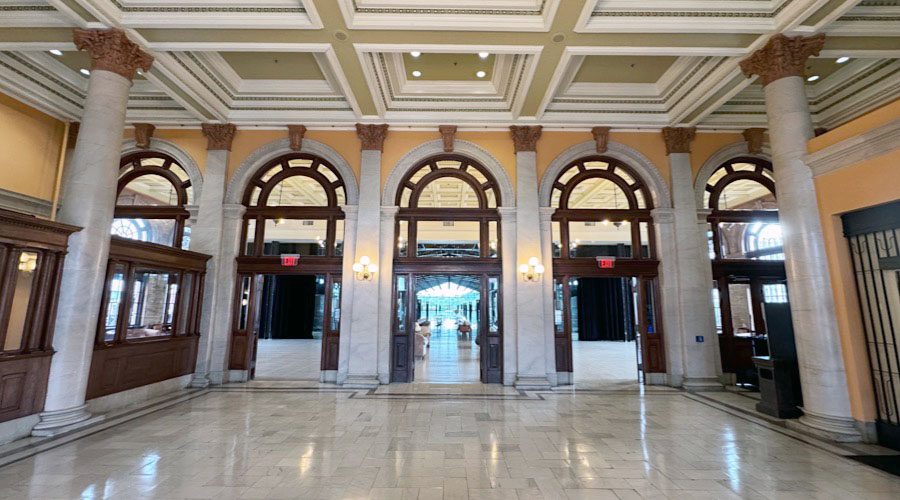
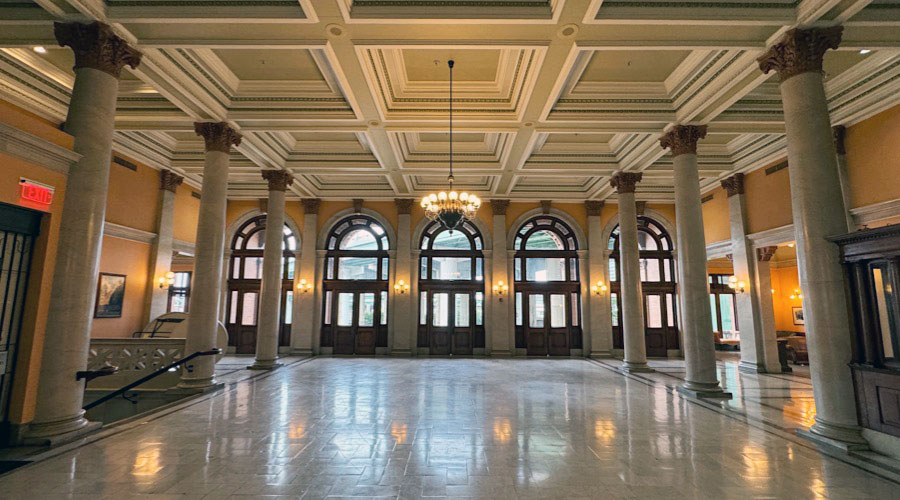
Jul 2025 / RWH
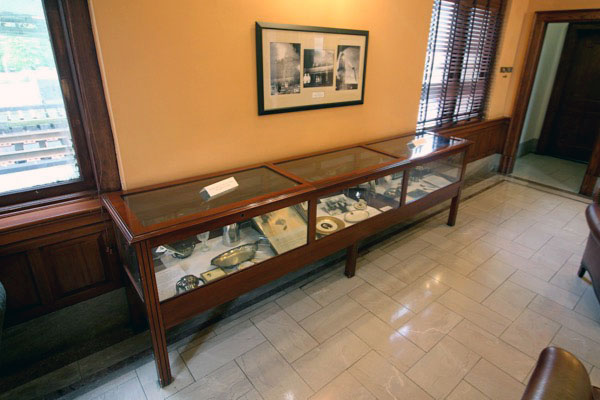
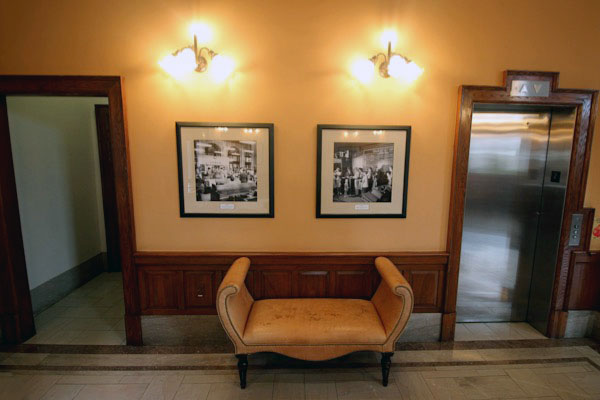
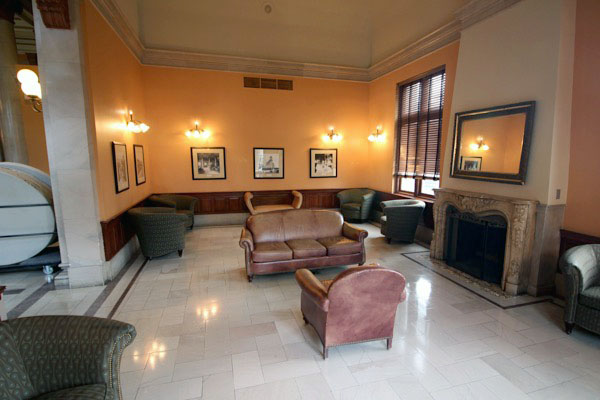
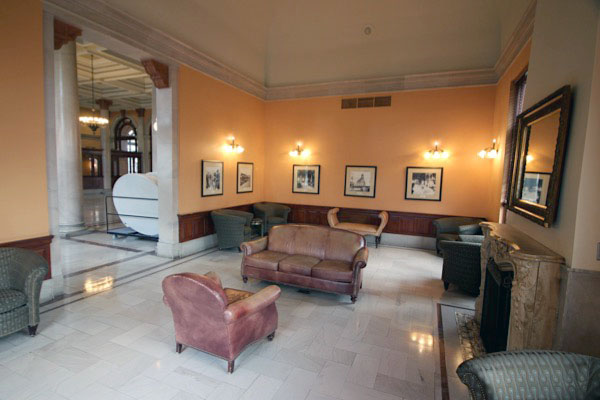
Jul 2025 / RWH
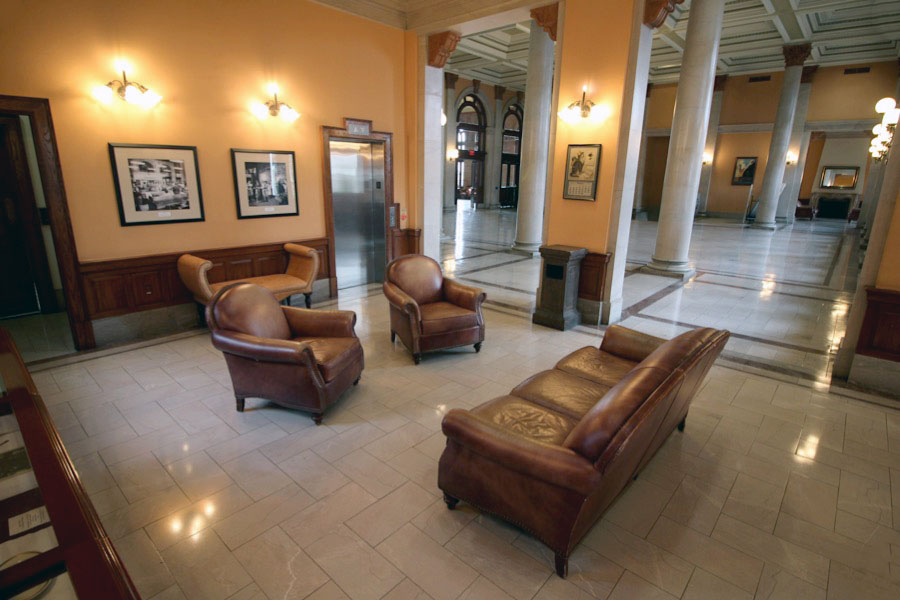
Jul 2025 / RWH
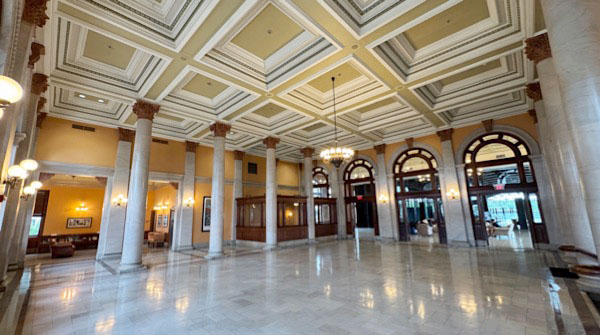
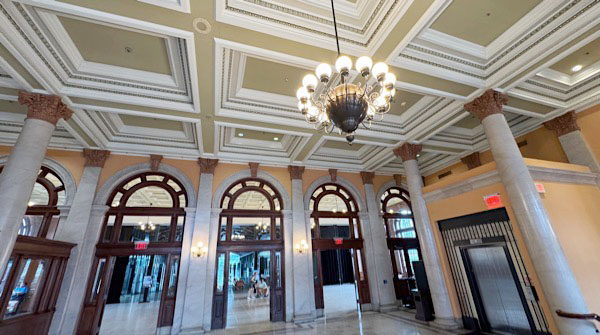
Jul 2025 / RWH
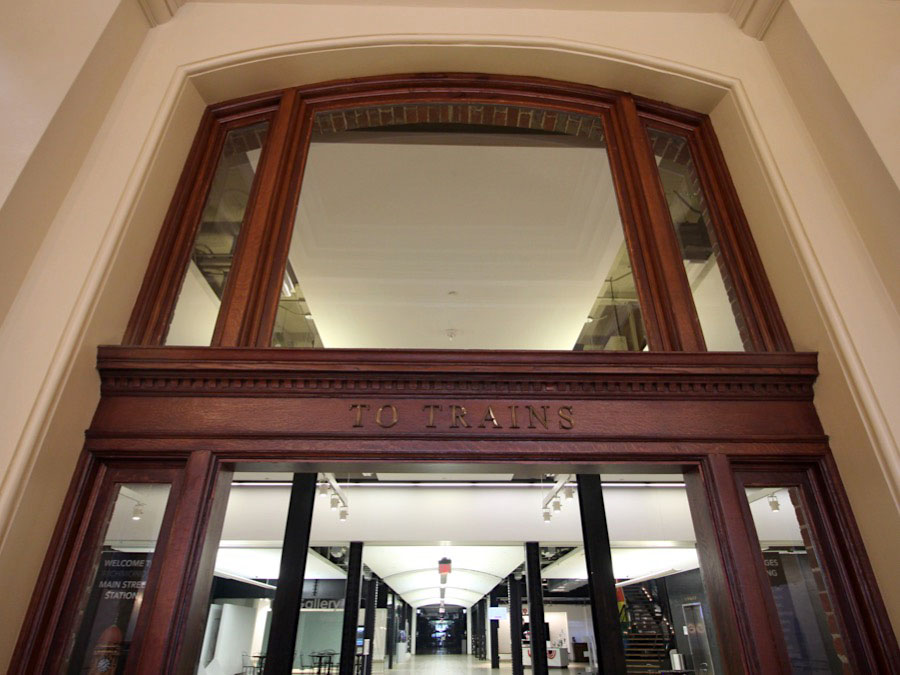
Jul 2025 / RWH
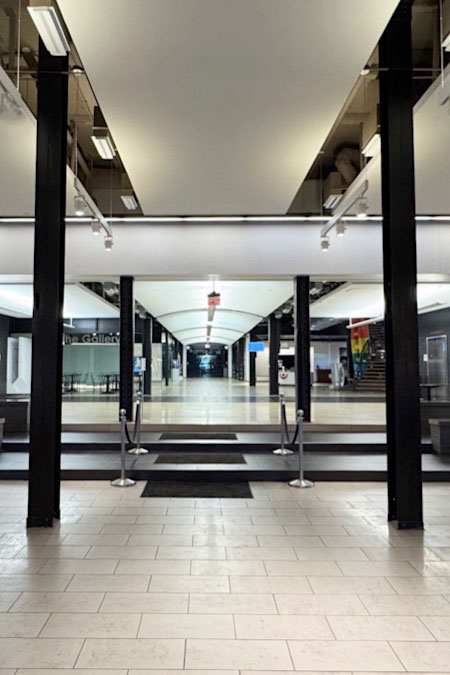
Jul 2025 / RWH
Jul 2025 / RWH
Jul 2025 / RWH
Jul 2025 / RWH
Richmond, Va / Sep 2024 / Doug Boudrow
 Snapshots
Richmond, Va / Jul 2025 / RWH
Links / Sources
- Amtrak Main Street Station page
- Great American Stations Richmond Main Street Station page
- Wikipedia article for Richmond Main Street Station
- Main Street Station website

