

 |
Huntsville 1:48Early O Scale Plans and Models |
Huntsville, Al / Jun Jun 1970 / JCH
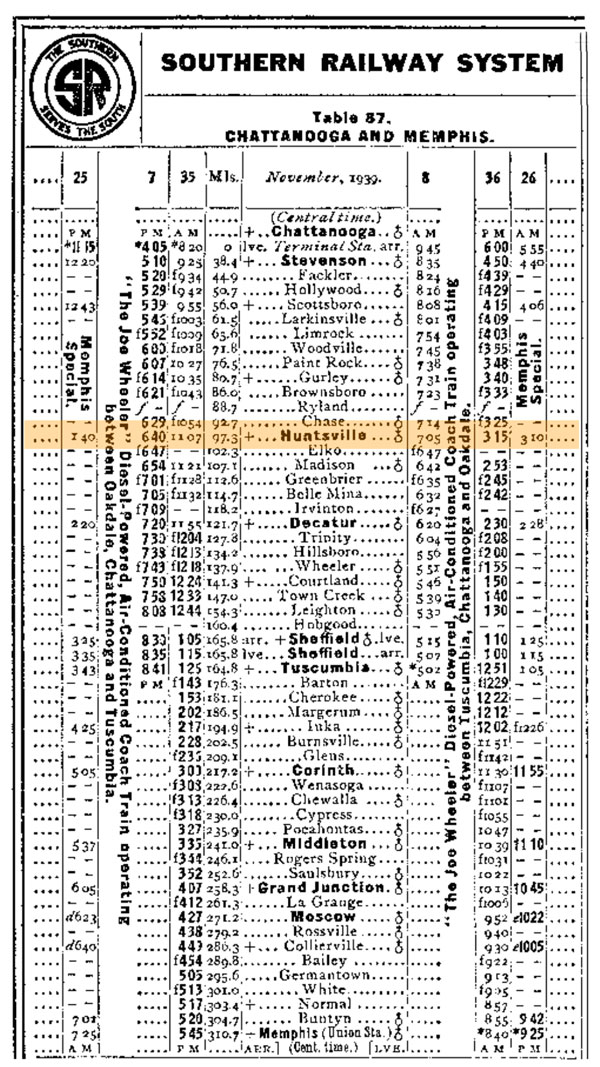
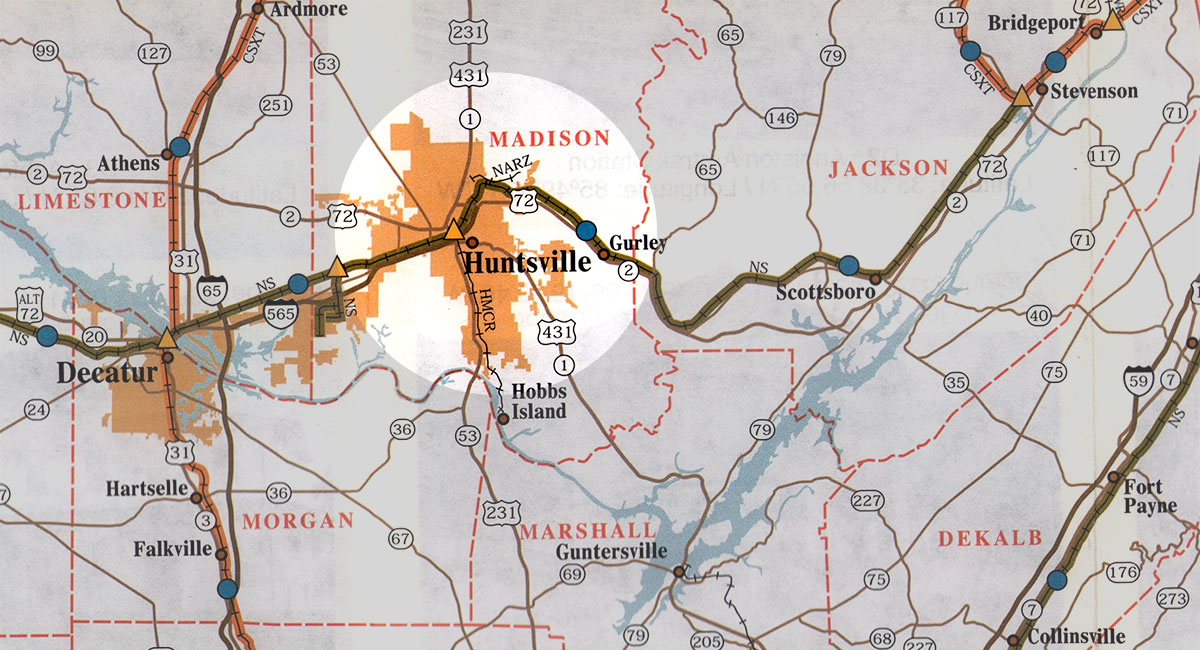
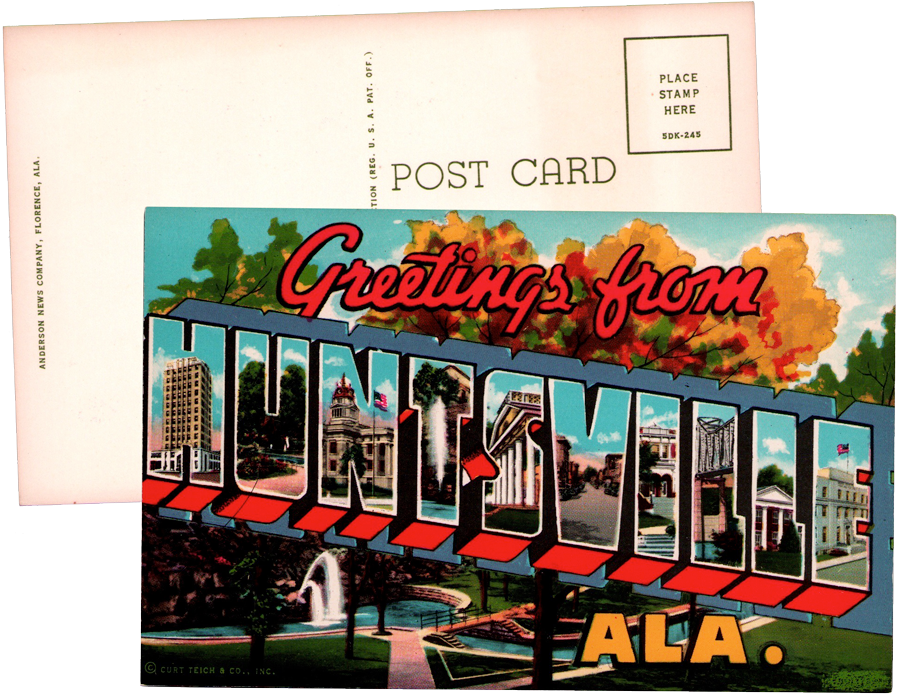
postcard / collection

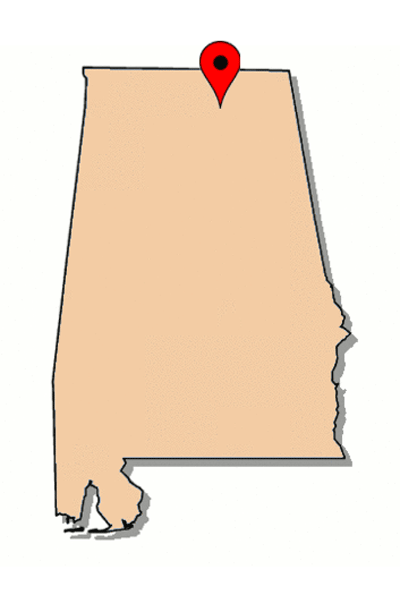

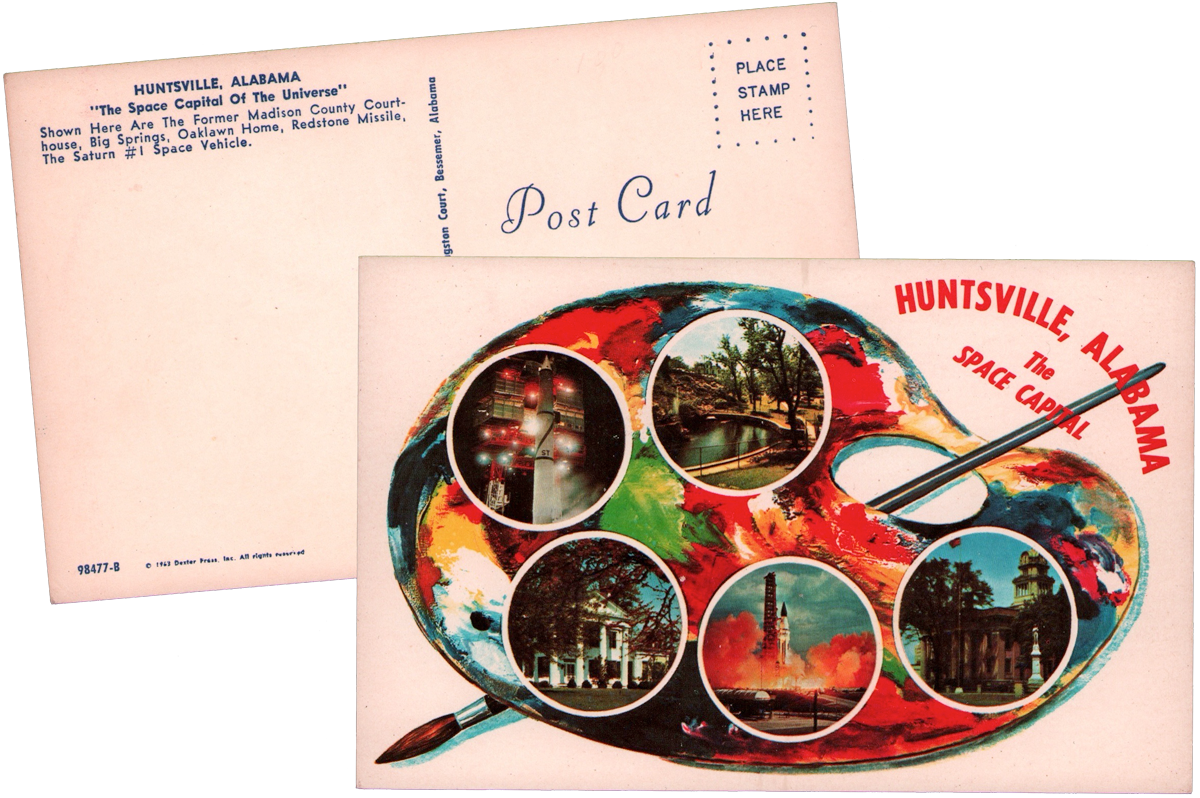
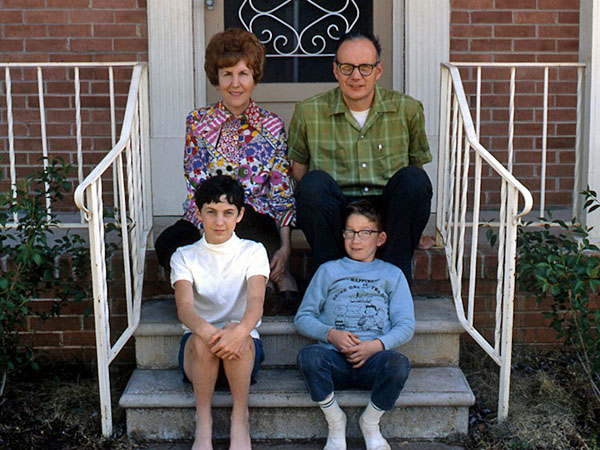 My family moved from eastern Texas to northern Alabama in 1965. Dad took a promotion and joined Huntsville Utilities as a lead engineer for their municipal electrical system. It was a heady time to be in Huntsville, Alabama. Over at Marshall Space Flight Center, another engineer — the German-born Wernher Magnus Maximilian Freiherr von Braun — was busy at NASA executing his ideas for heavy-lift Saturn V rockets that were putting men on the moon. JCH would later tell me good stories about going out to the Center to troubleshoot electrical service issues. He remembered seeing a "computer" that took up a large room and computed one formula. It was powered by a backup system that was one electric motor turning another electric motor (as a generator), with a flywheel in between for momentum. If the power dad and his people were supplying went out, at least NASA had a hot second to turn off its big calculator before losing Neil Armstrong's glide path formula.
Meanwhile, over on Moss Road, engineer Hawkins was settling into the O Scale hobby during nights and weekends.
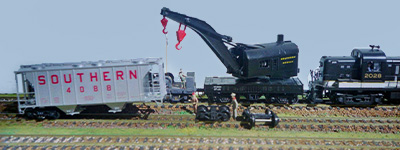
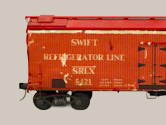
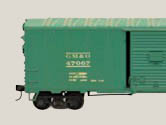
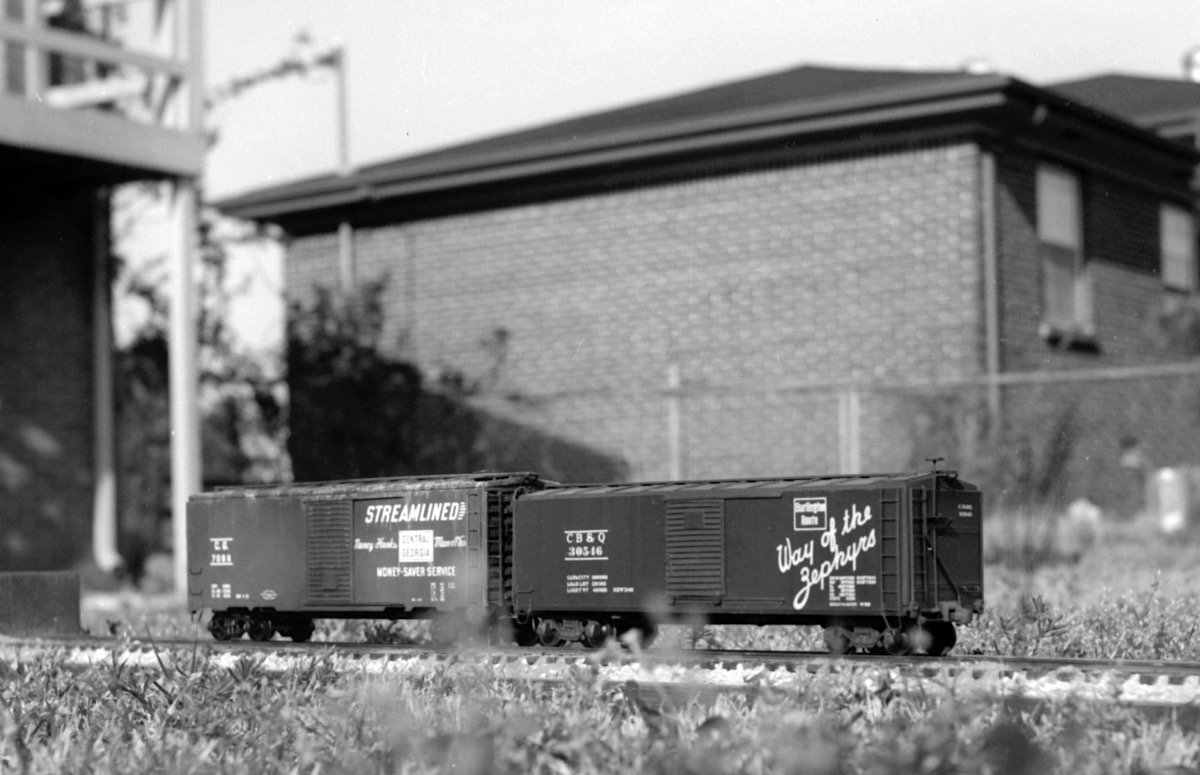
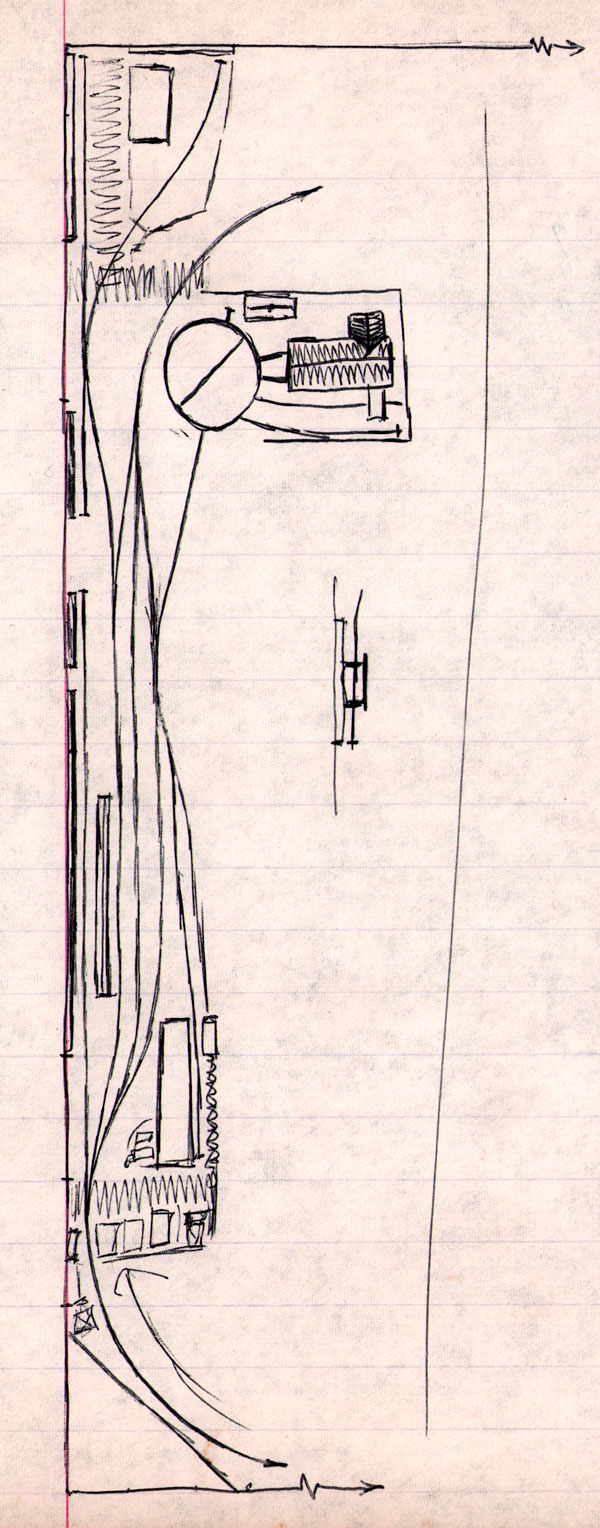
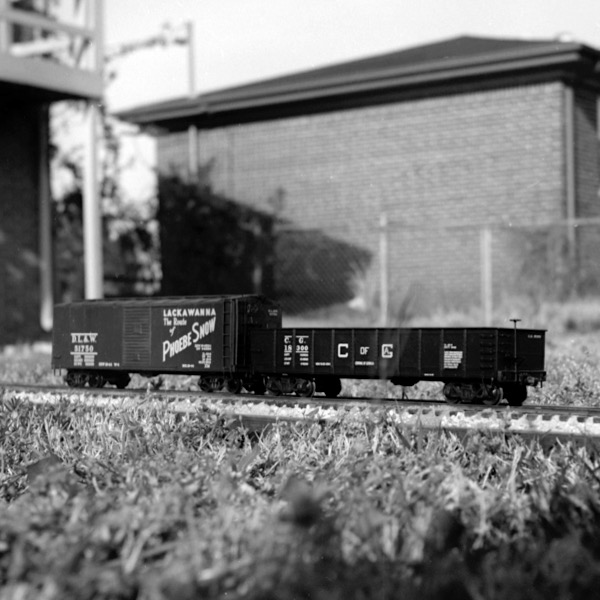
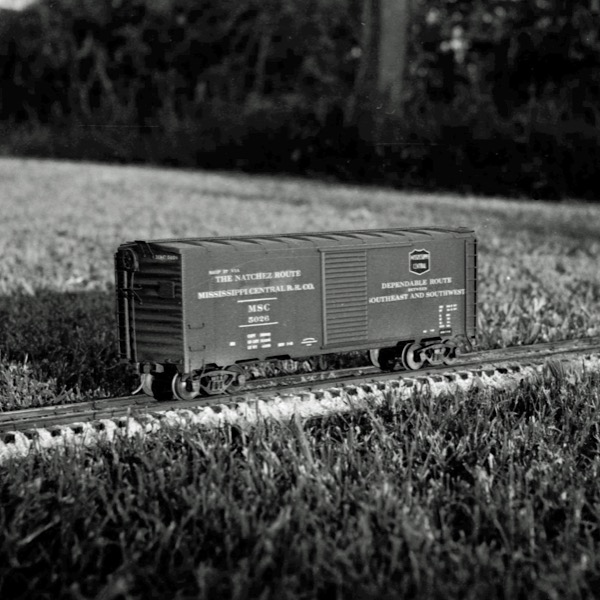
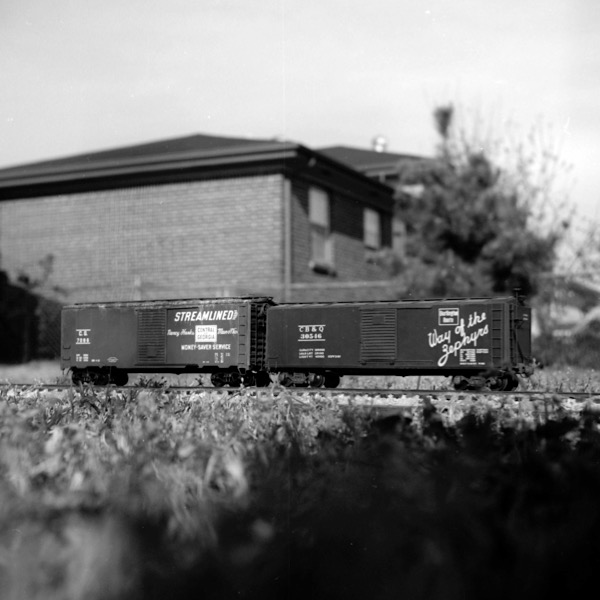
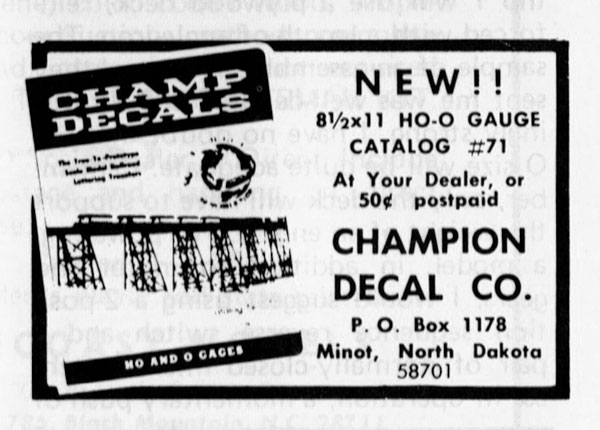
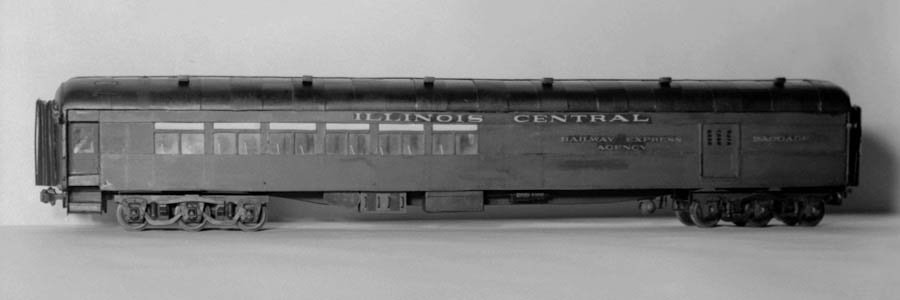
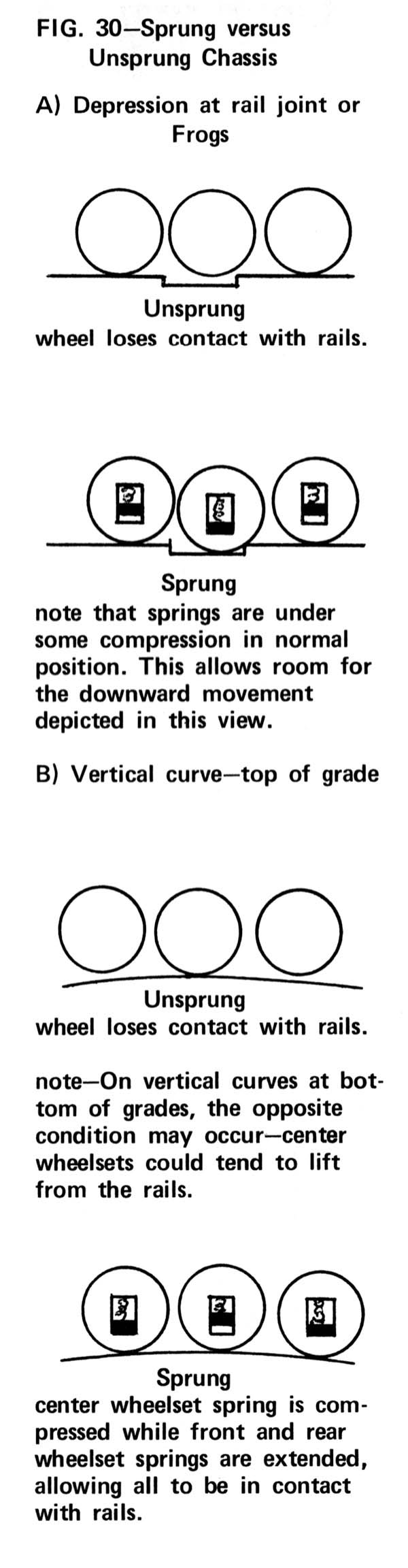
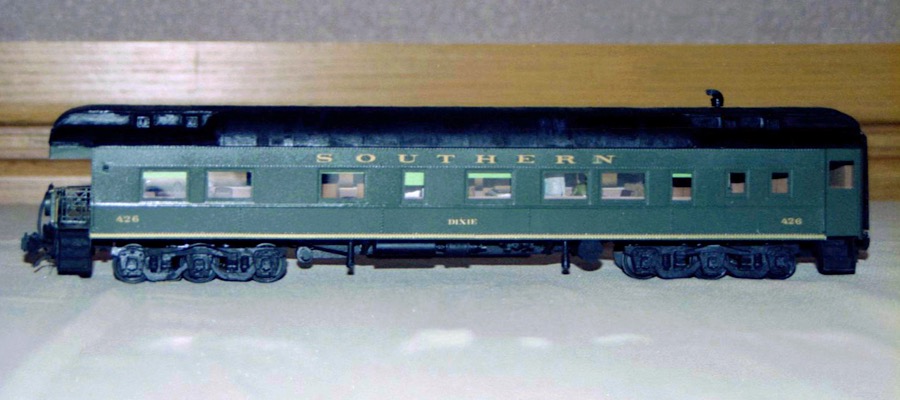
 A handful of rolling stock came with him to Huntsville, but in the basement of the family home he began dreaming, sketching, and building in earnest. One end of his first layout came to be, with benchwork ready for subsequent sections that would not materialize until the 1980s. Locomotives and cars rolled off the workbench, most representing dad's beloved southern mains and shortlines. He did a deep dive on his beloved Columbus & Greenville, including NW2s and cupola combines the Mississippi railway never actually owned but, dad believed, fit the spirit of the Delta Route. He made use of what was available. When he landed in Huntsville in the mid 60s, he was building kits in the time-honored "O" way: wooden cars with cast metal ends and sprung trucks, hand painted and Champ-decaled.
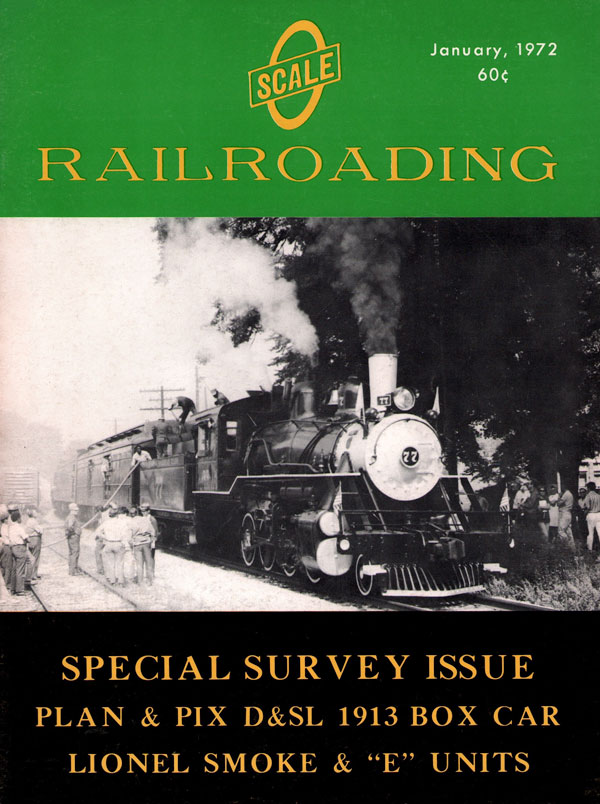
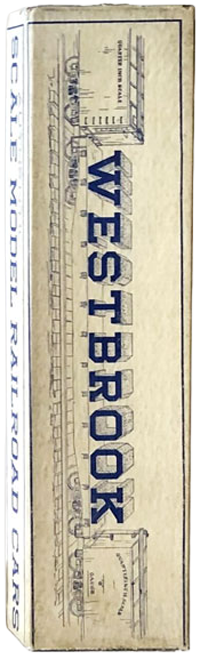
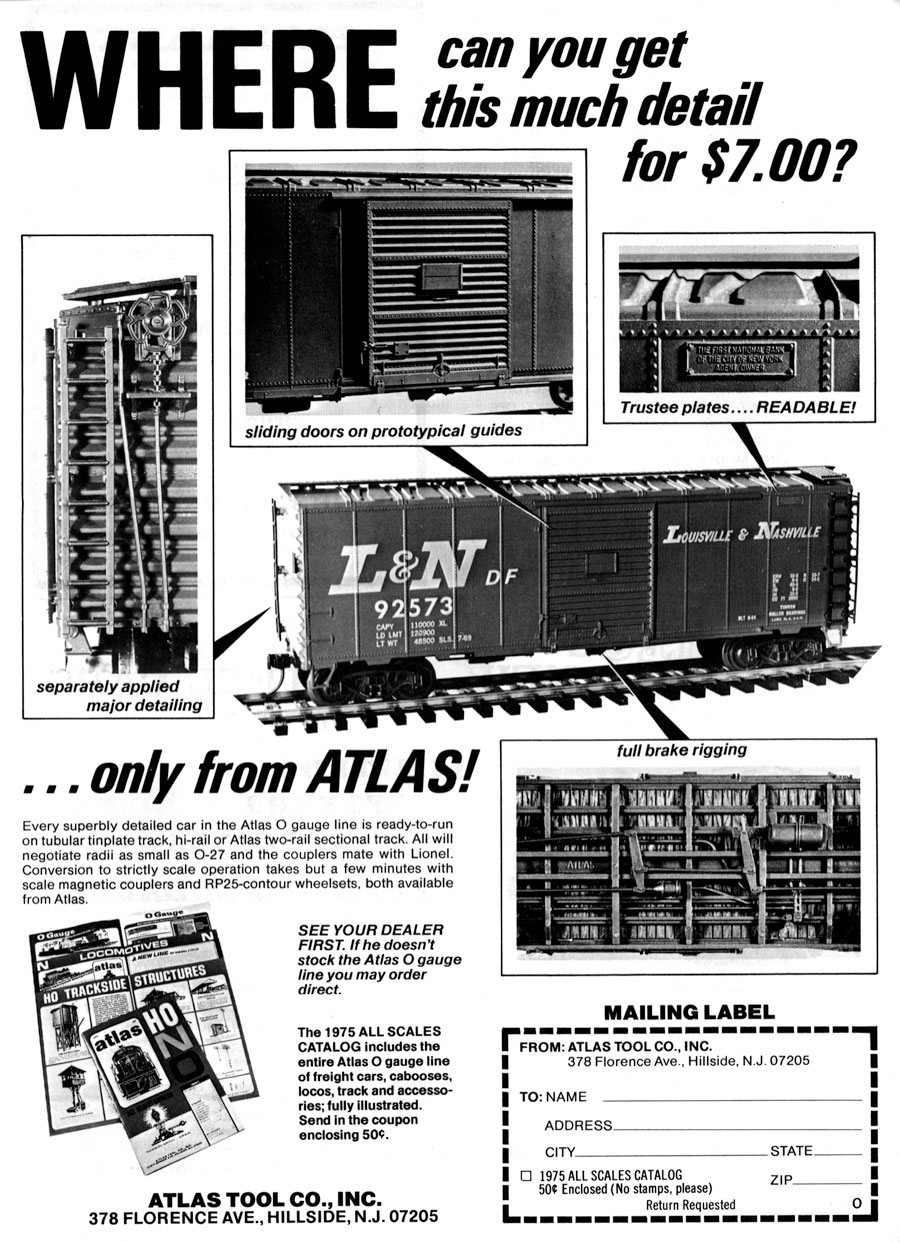
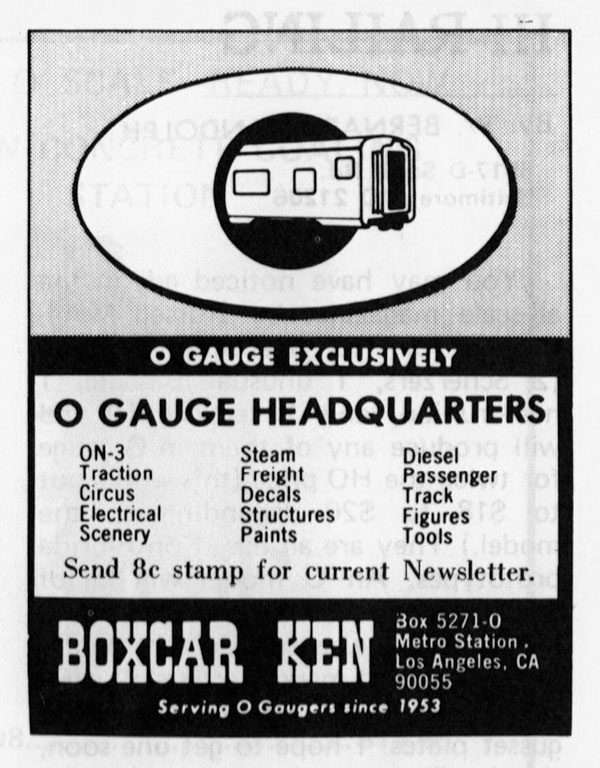
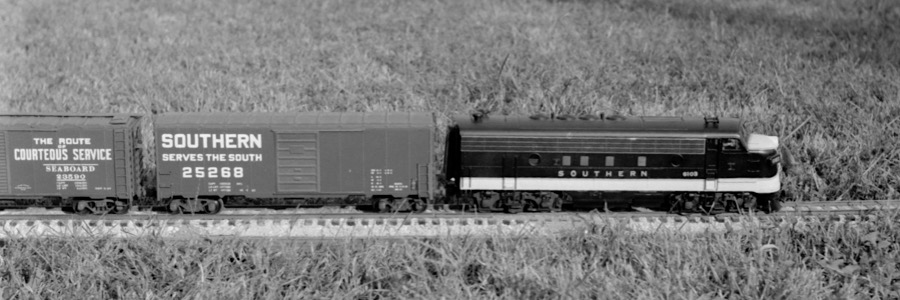
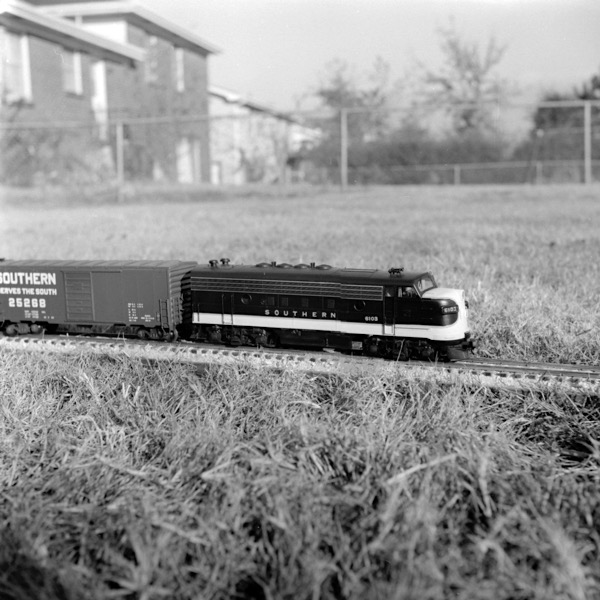
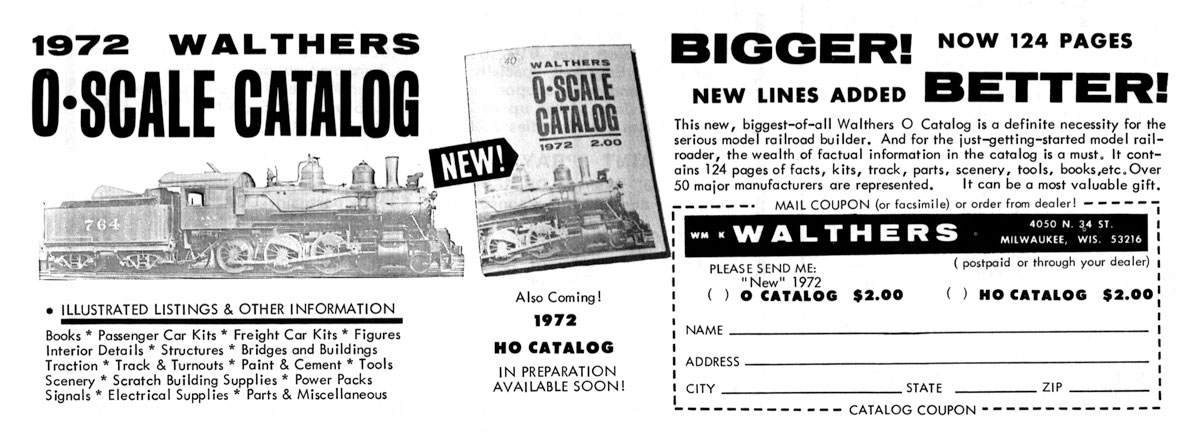
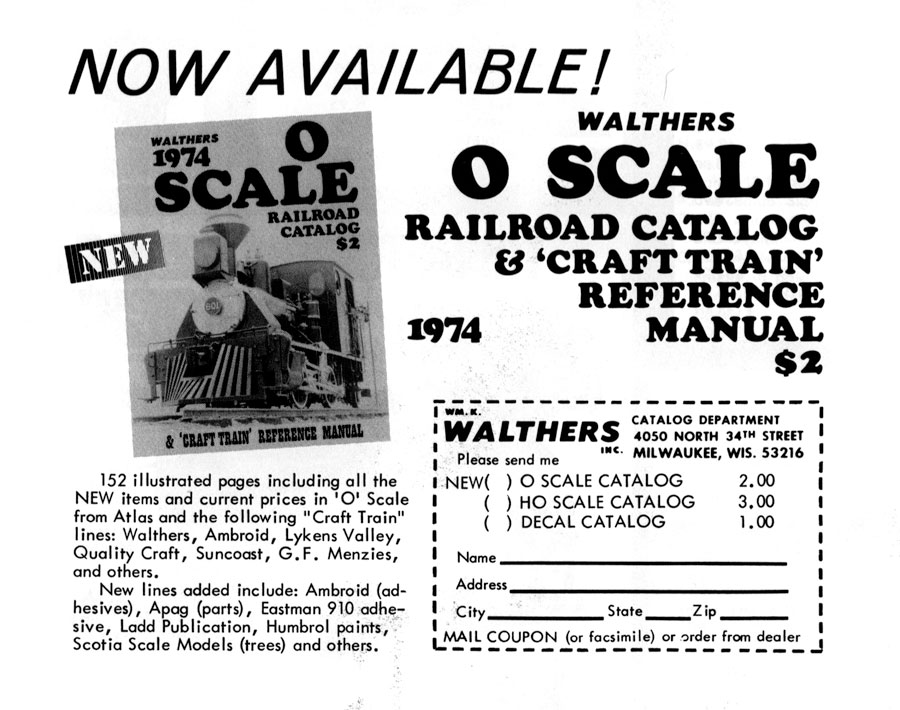
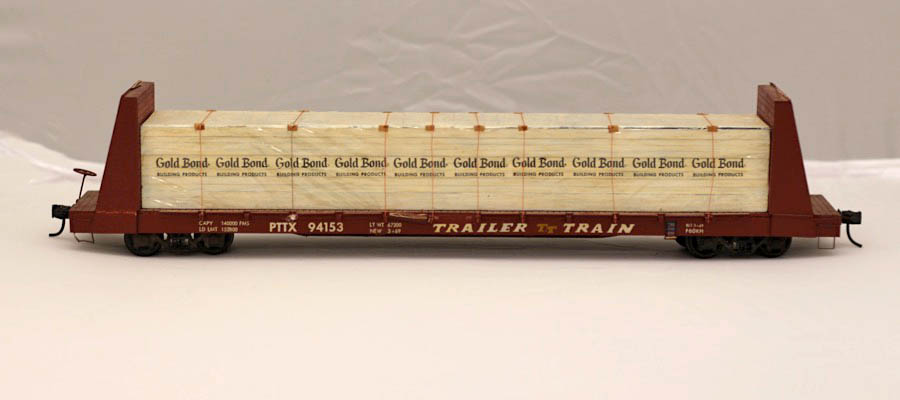
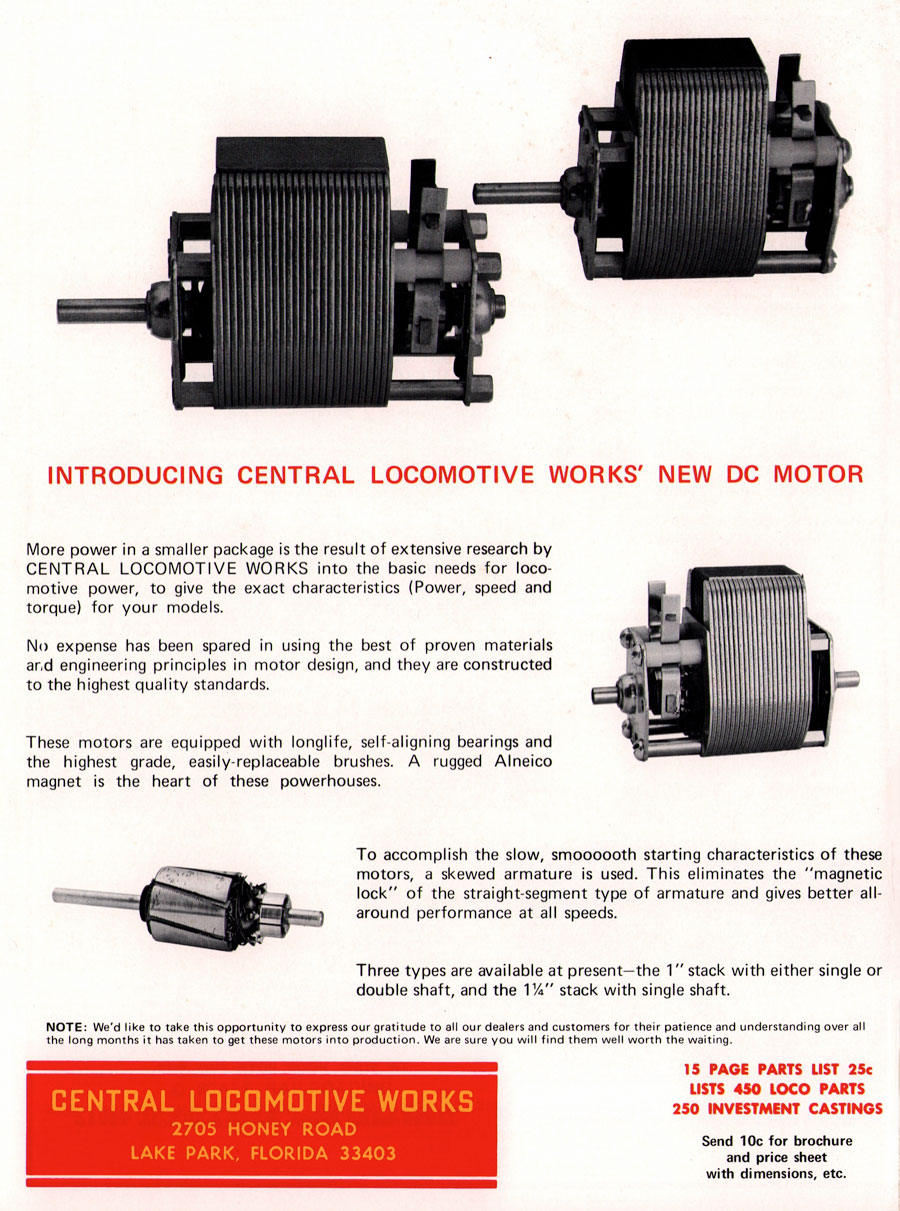
 Such kits came in long thin boxes, with nothing but uncut wooden sticks, cast parts, and blueprint plans. The Old Man burned through a lot of wood glue and Walthers Goo in those years. As the 1970s unfolded, however, Dad greeted the arrival of plastic kits and ready-to-run polymer locomotives. Never a sour purist, he welcomed Atlas F9s and hi-vision cabooses and got busy working out ways to trick them out for his favorite roads. They each arrived in white boxes with cellophane windows on top, visibly announcing their intention to hit the ground running. New ways combine with old ways. As dad was establishing himself in O Scale in Alabama, over in Indiana a new 1:48 magazine was also getting underway. O Scale Railroading launched in the early 1970s, and dad was a frequent and proud contributor of photos, articles, and updates. Thanks to the new mag and the annual edition of the big beautiful bible known as the Walthers "O" catalog, a steady stream of familiar model railroad names rolled into the Moss Road yard: All Nation, AHM, Quality Craft, Suncoast, Champ, Locomotive Workshop, Central Locomotive Works, and the like. By 1979, the family was packing up and heading back to my parents' home base: Covington, Louisiana, near New Orleans. Happily, all the O Scale from the previous 13 years made the journey south, destined to become part of the Southern's O Scale Louisiana Division. I remember watching the Atlas Van Lines moving men scratching their heads as they hauled out of our Moss Road basement one big piece of 2x4 wooden benchwork after another.
Mr. Hawkins built benchwork like Mr. von Braun built rockets: one at a time, and heavy-duty. Have you ever held an All Nation O Scale cast metal F unit in your hands? If you have, then you understand.
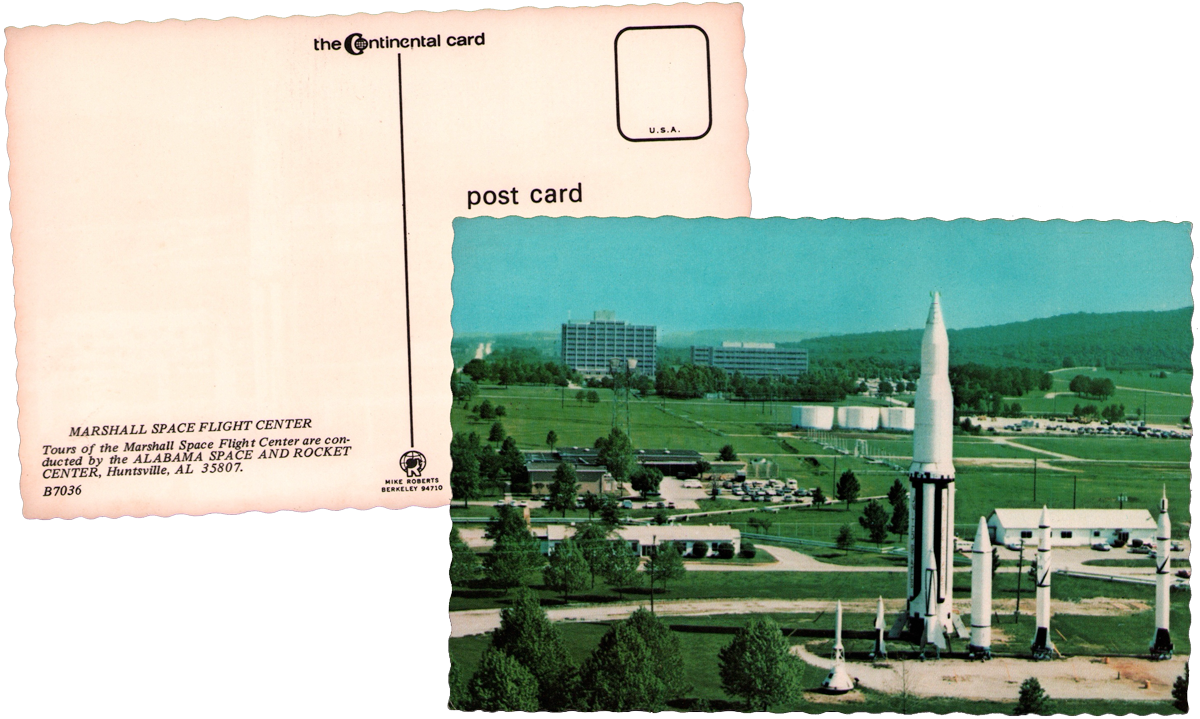
postcard / collection

See also our complete Huntsville Historic Depot scrapbook in Preservation
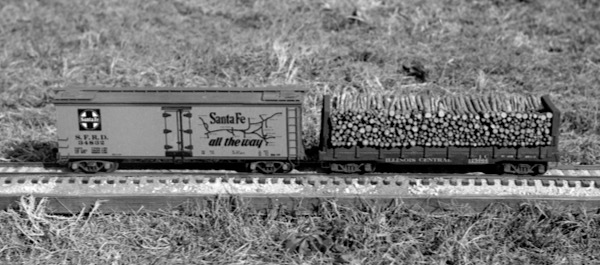
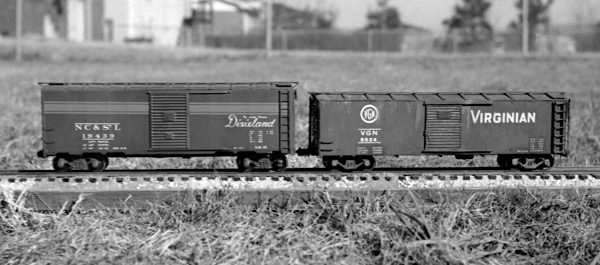
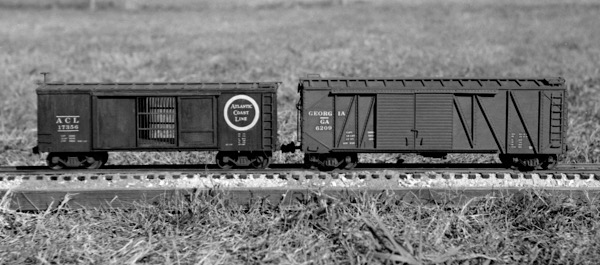
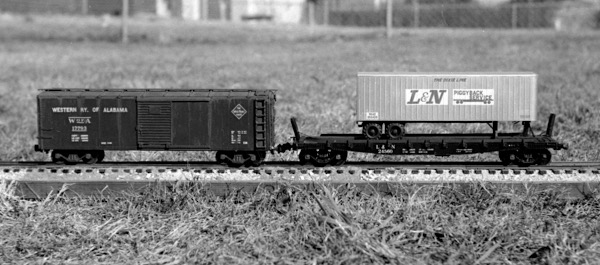
Huntsville, Al / Jun 1970 / JCH
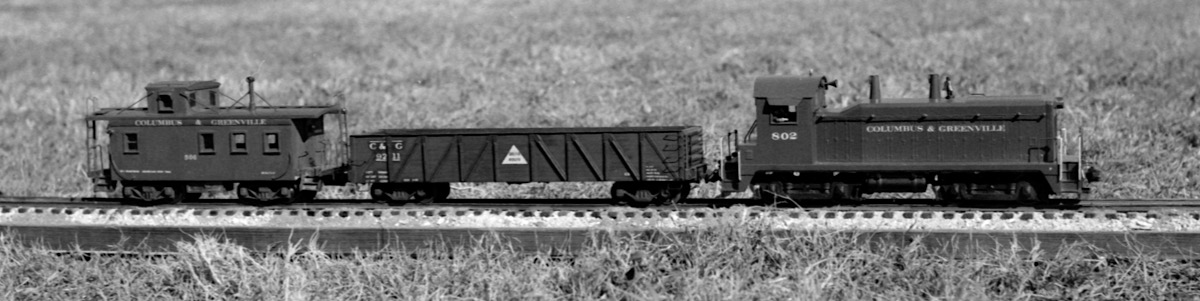
Huntsville, Al / Jun 1970 / JCH

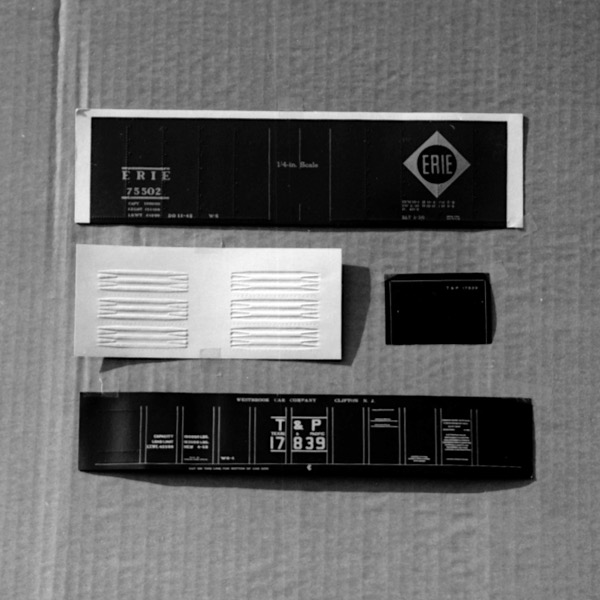
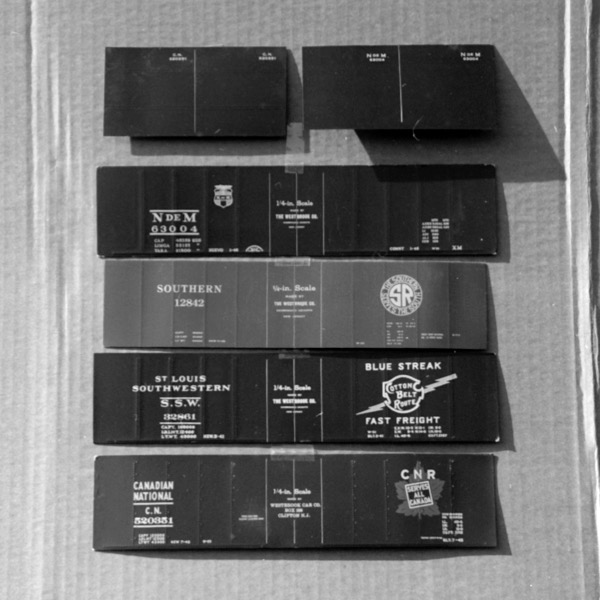
JCH
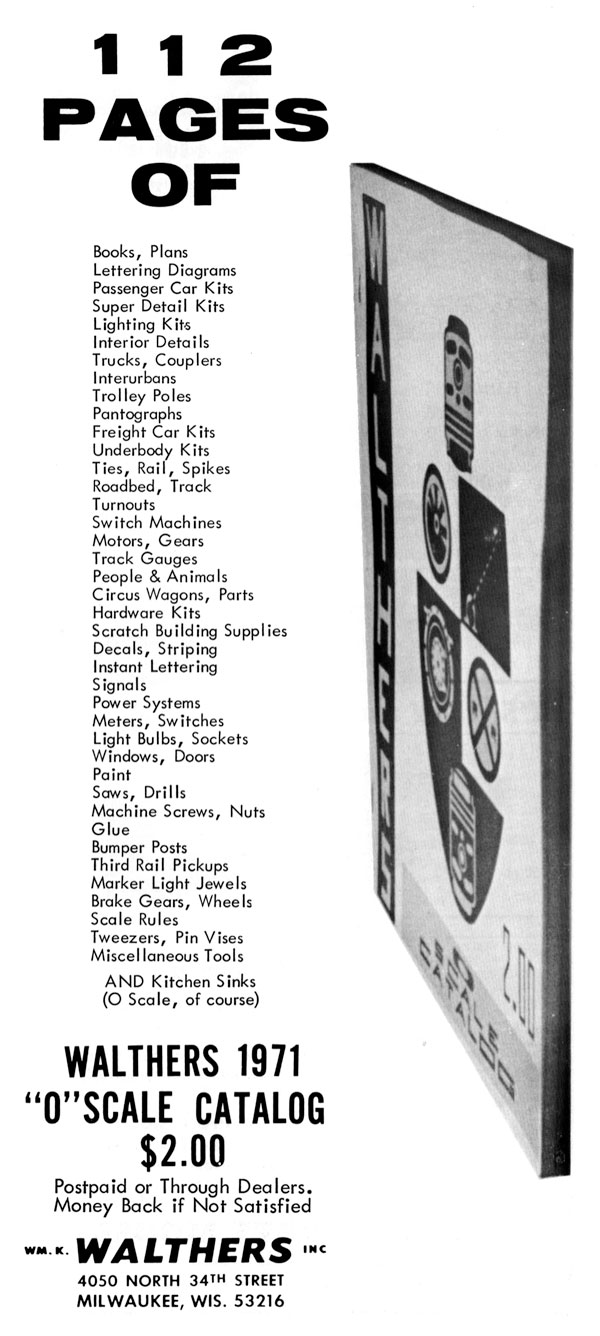
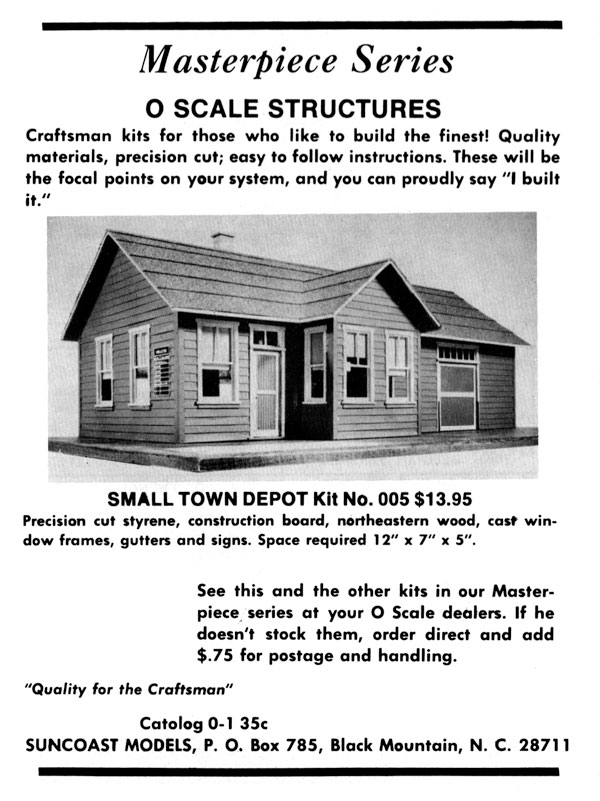

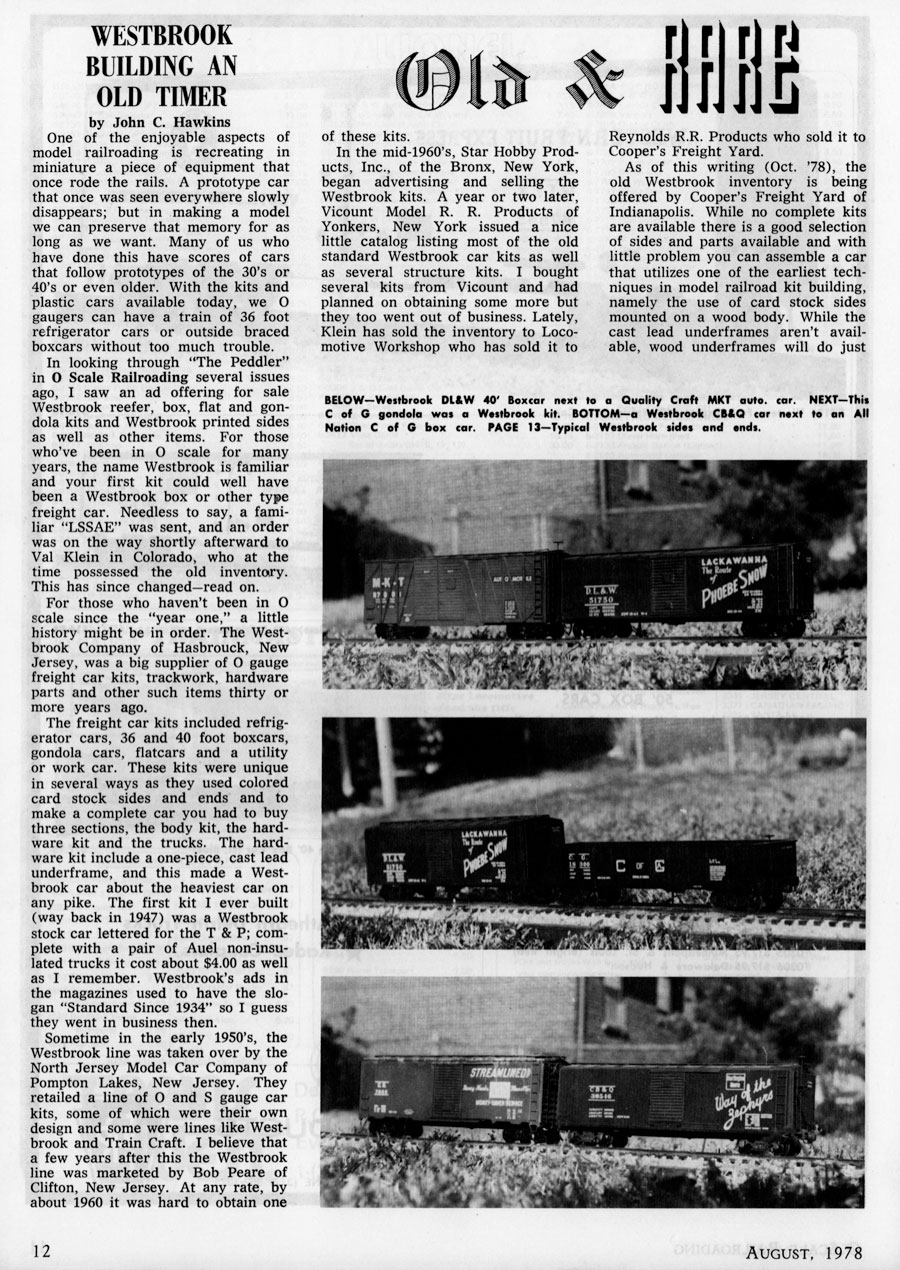
from O Scale Railroading magazine [Aug 1978] / collection
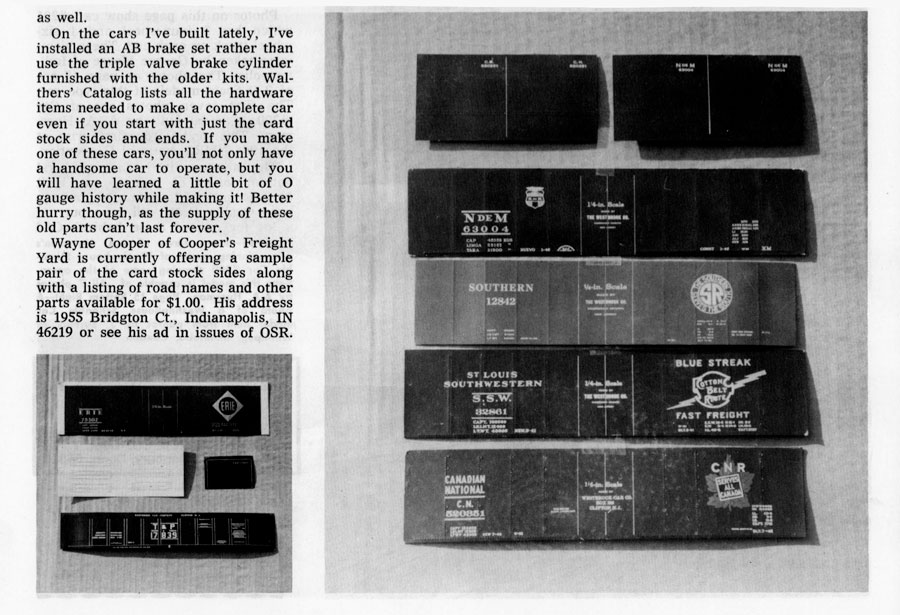

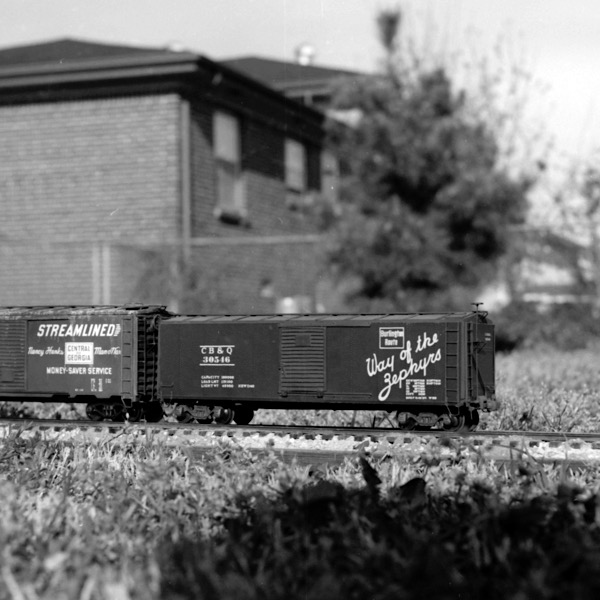
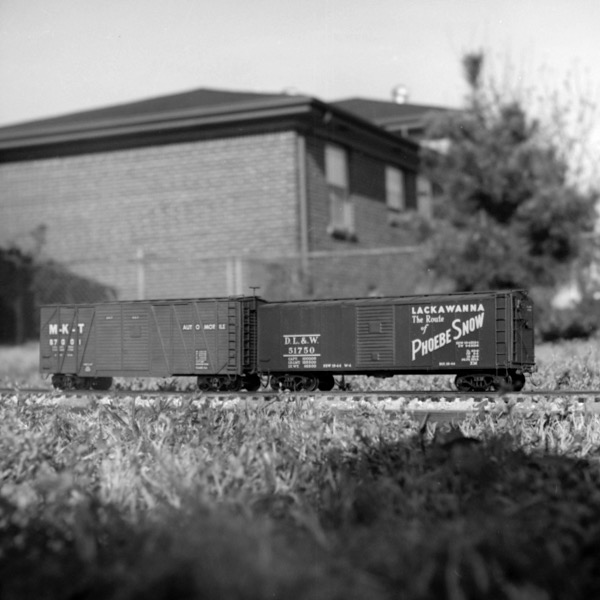
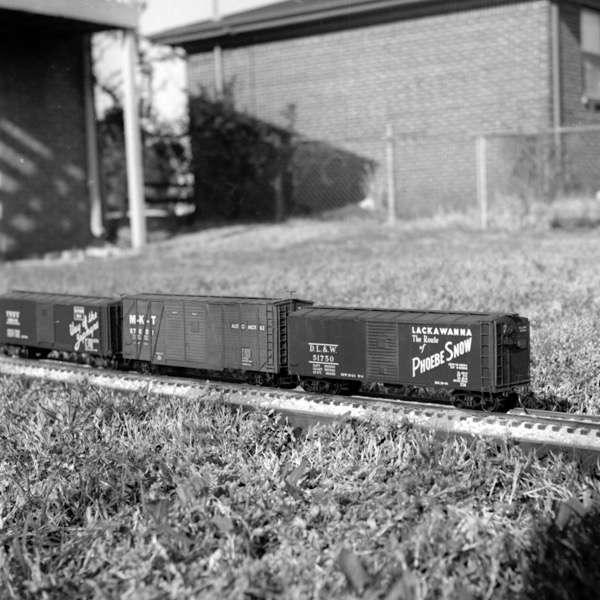
Jun 1970 / JCH
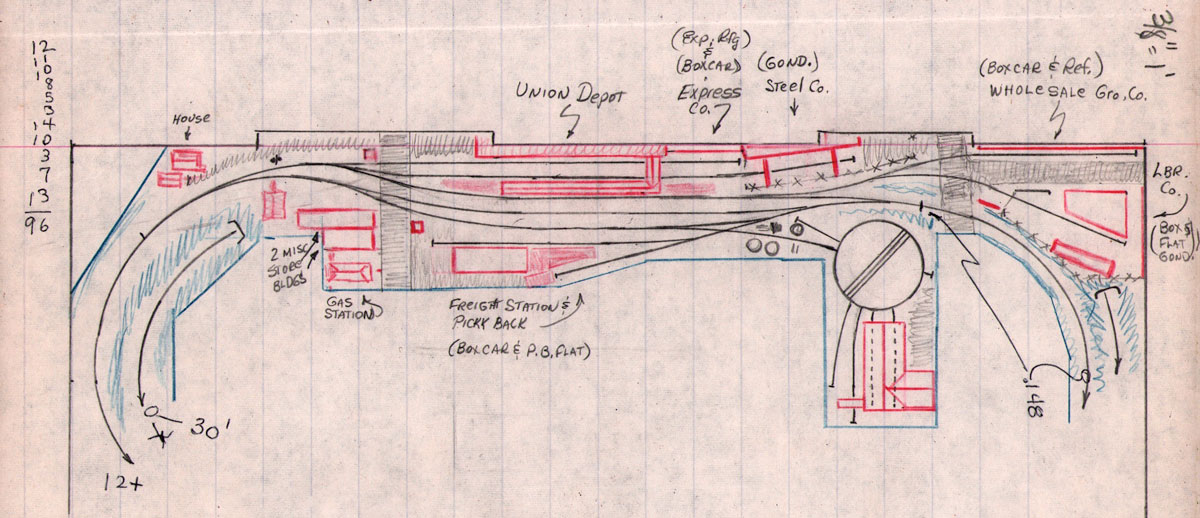
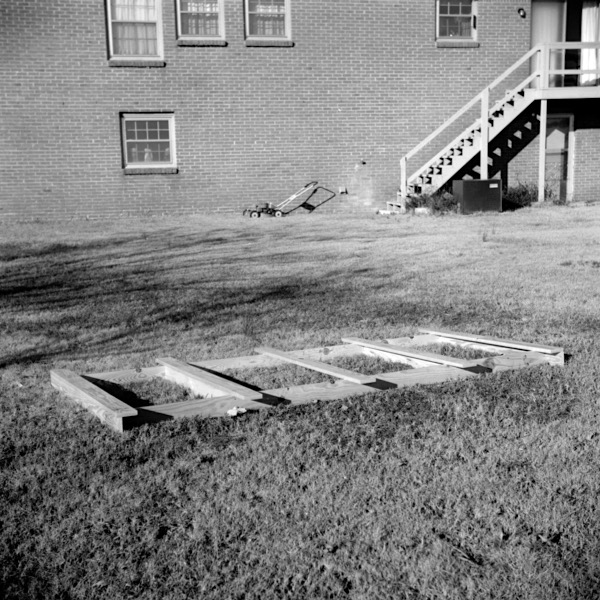
Jun 1972 / JCH
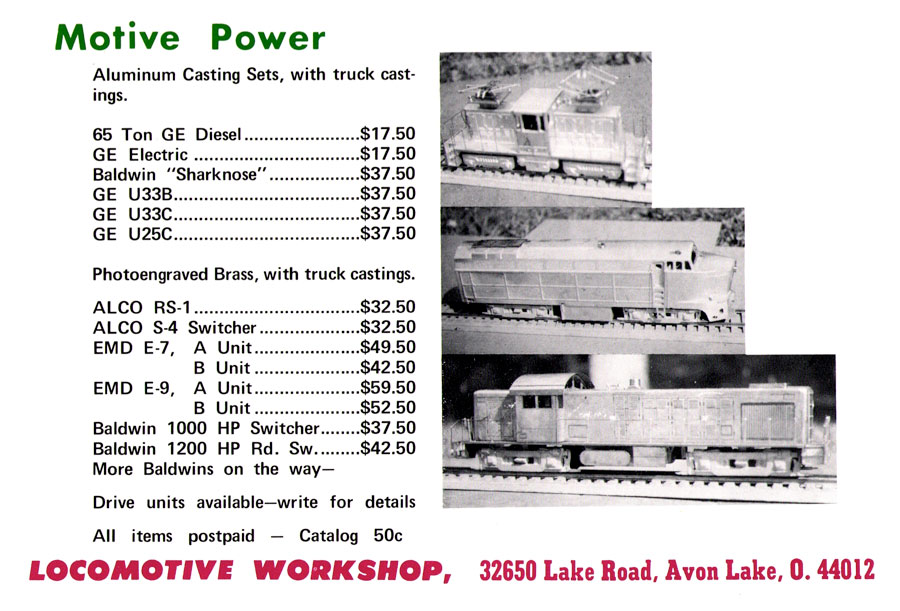

 All Nation "F"
Huntsville, Al / Jun 1970 / JCH

Jun 1970 / JCH
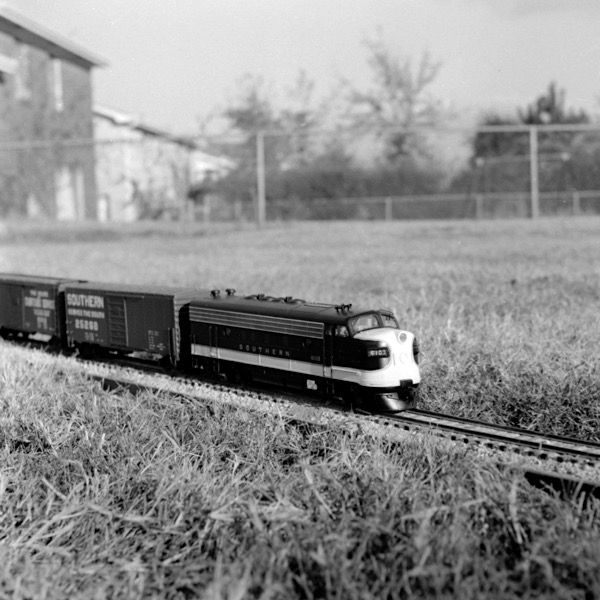
Jun 1970 / JCH
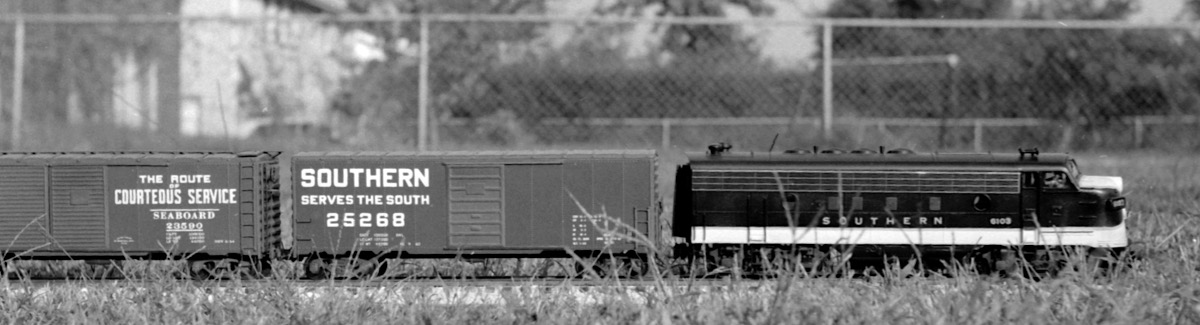
Huntsville, Al / Jun 1970 / JCH

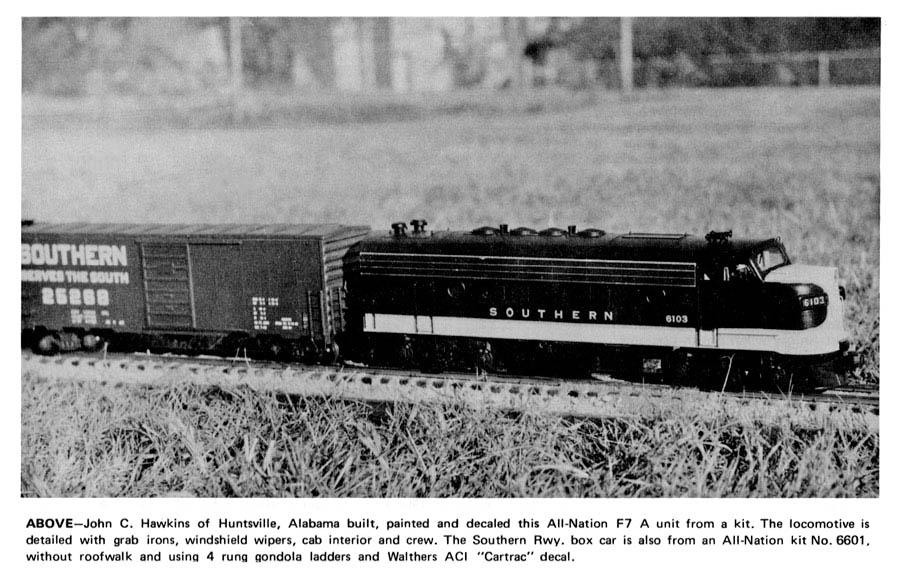
from O Scale Railroading magazine / collection

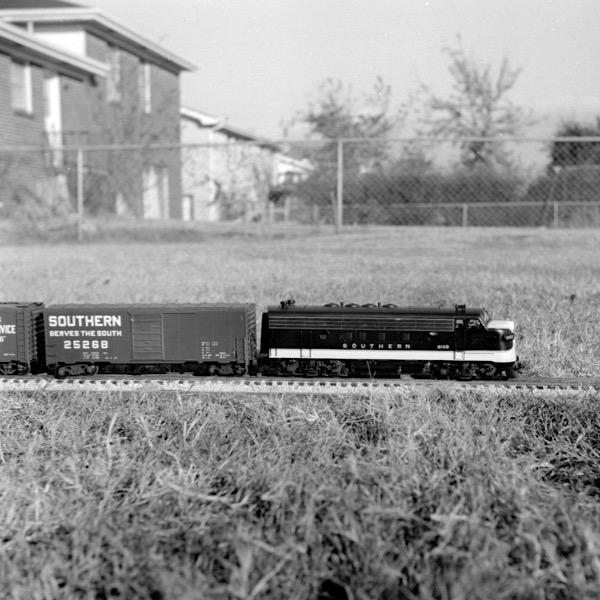
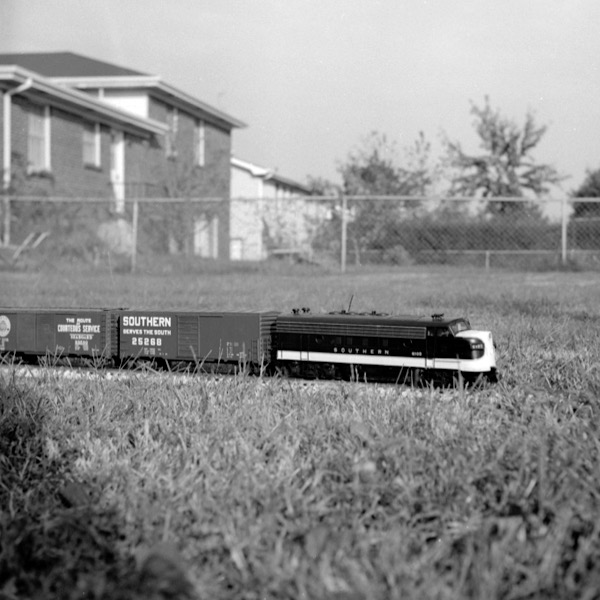
Jun 1970 / JCH
See also our complete Southern Railway featured Fallen Flag scrapbook in Mainlines

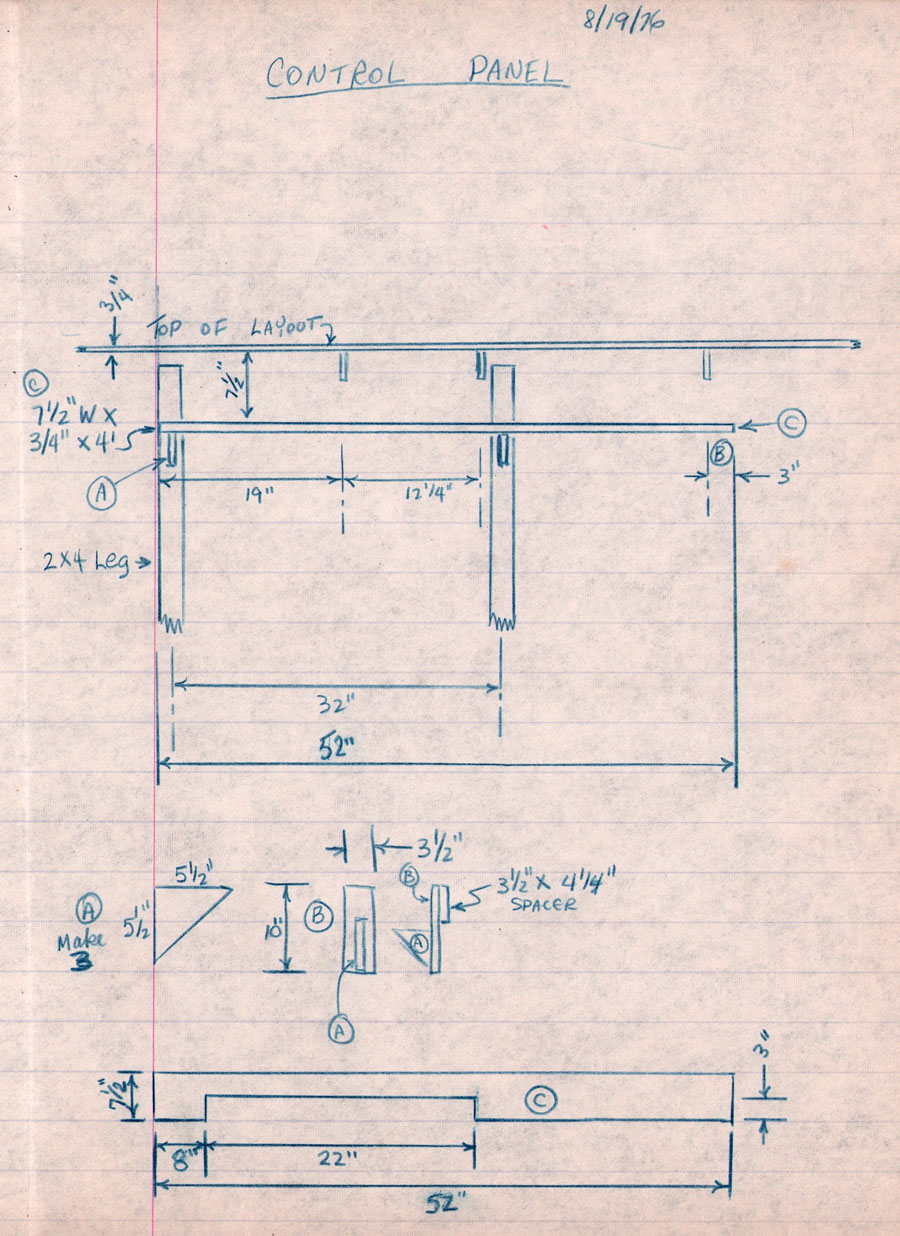
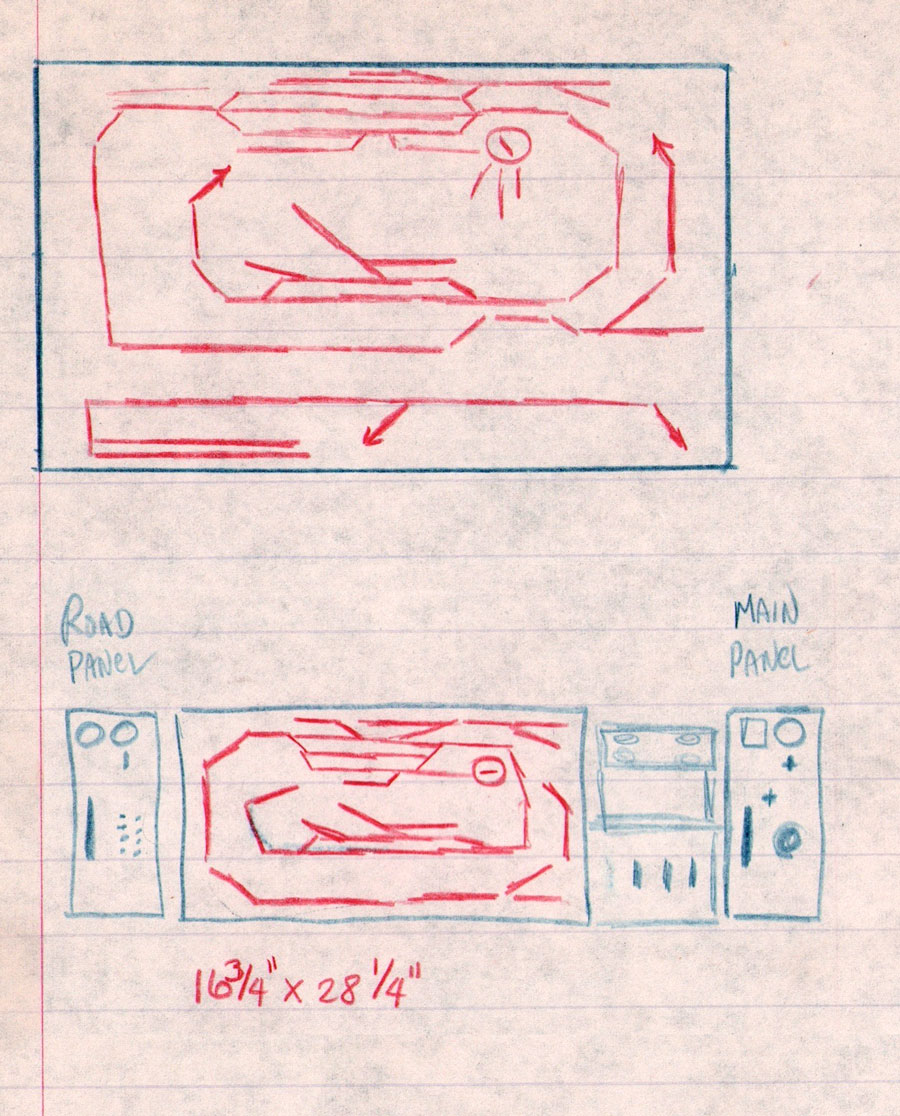

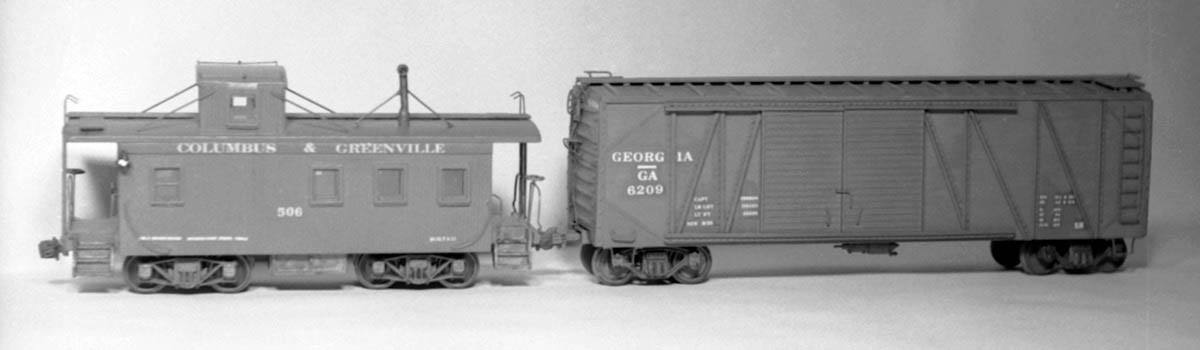
Jun 1970 / JCH
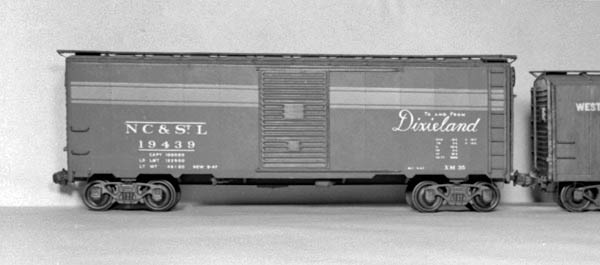
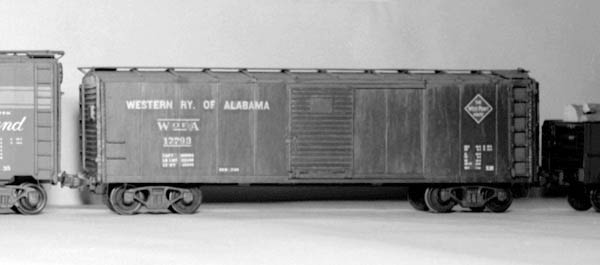
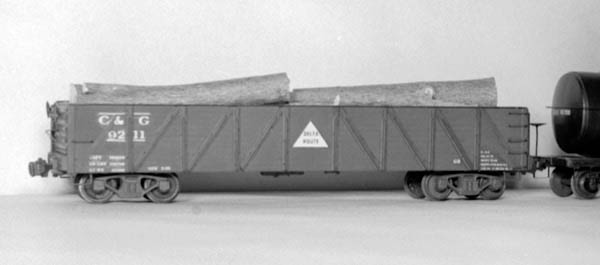
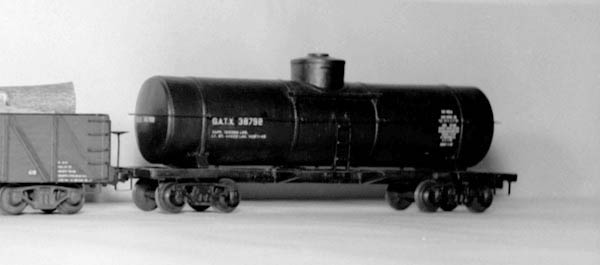
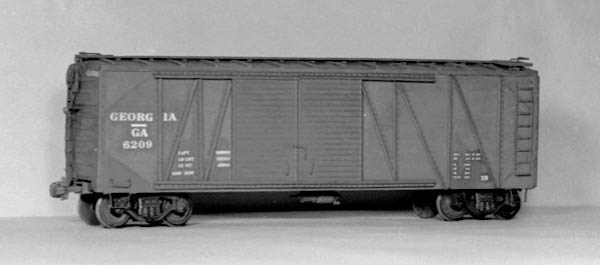
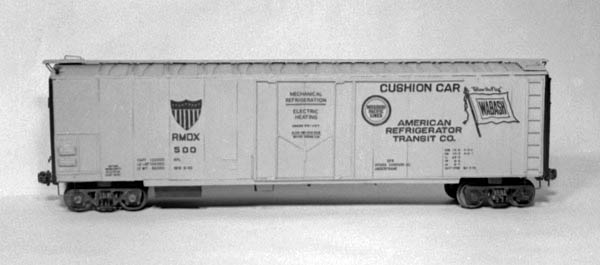
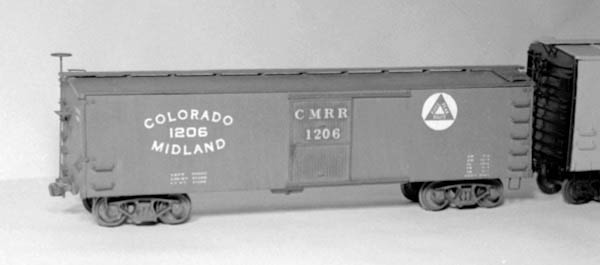
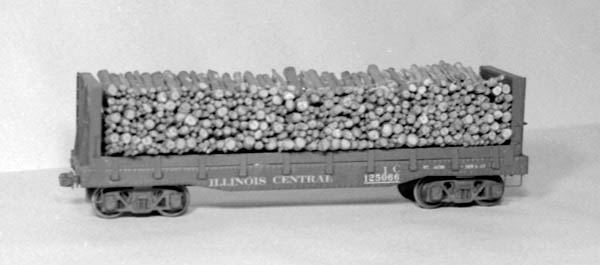
Jun 1970 / JCH

Jun 1970 / JCH

 Article
O Scale Is for the Chosen Few
Rev. Joseph W. Starmann — February 1978
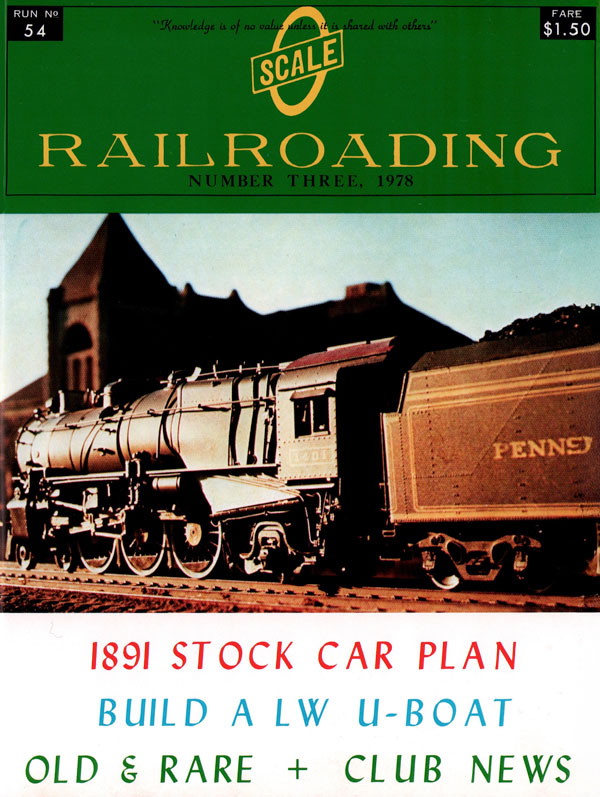 Let us assume you are new to the hobby of model railroading, or else in flight from one of the smaller flea gauges, and are pondering the possibilities of O Scale. If you peruse the standard literature on the subject, you will be led to believe that the chief considerations which you must face are geometric and economic: O Scale requires four times the area of a comparable model railroad in HO, or sixteen times in N Scale. Kits cost roughly two or three times an HO kit for the same piece of equipment, and an imported brass locomotive will likely run $500.00 or $600.00, and sometimes well over $1,000.00. Conversely, the advantages are said to be chiefly operational—the trains actually stay on the track—and esthetic—you can actually see the detail on the rolling stock.
Well, so much for the standard mythology. You will not have wandered far into the world of O Scale railroading before you discover some of the more disconcerting facets of this segment of the hobby which will surely give you pause and may, without a proper amount of determination on your part, eventually persuade you to withdraw. In an effort to help you meet your destiny with major league model railroading, and to chart your course through some hostile territory, we will try to describe some of the more immediate hazards.
The first thing that you need to recognize is that O Scale has been for the most part a well-kept secret since about 1950. The major model railroading magazines give it only occasional and generally off-handed attention. It is not easy, even for the veteran O Scaler, to keep abreast of all that is being produced and all that is happening in his chosen scale. Only with the advent of two key publications, O SCALE RAILROADING and Dan Henon's O SCALE NEWS, have we had in "modern" times any adequate source of news and a forum for exchanging information of peculiar interest to the scale. Even so, it is still impossible to find in print an adequate introduction to the entire subject of O Scale railroading.
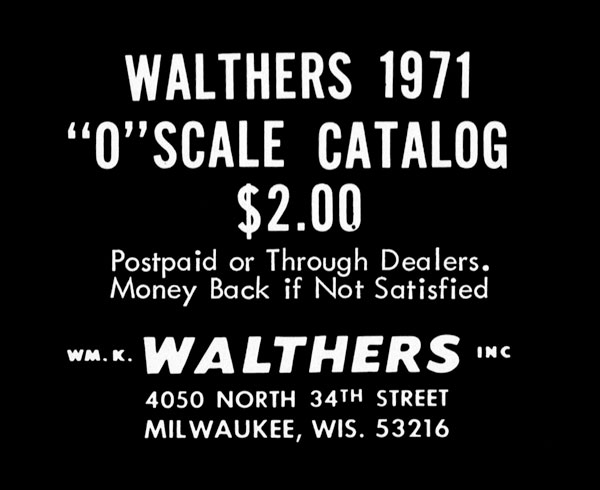 Every few years one major supplier, William K. Walthers, Inc., does manage to produce a large updated catalogue which serves as an excellent guide to the availability of supplies, but even here there are numerous and important lines missing. Finally, it turns out that the larger world of HO and N railroading has been so overwhelmed by r.t.r. plastic and brass imports that it is also difficult to come by articles and other printed information on the use of tools and construction techniques vital to more craftsmanship-oriented railroading in any scale, but especially essential to building a successful O Scale railroad.
It so happens that my professional work takes me several times a year to conventions and other meetings in various cities around the country, so I have long cultivated the habit of visiting model railroad shops in these towns to see if I can come home with an interesting souvenir of the place. All one has to do is search the yellow pages to come up with the names and addresses of one or two hobby shops which seem to specialize in model railroad supplies. Occasionally, I have achieved a real coup in this manner.
A couple of years ago, for example, I found a locomotive kit on a dealer's shelf which was currently listed for about $250.00, but for which he was eager to take $100.00. (He hadn't seen an O Scaler in a long, long time.) Now and then you will find some real classic items which all too frequently have waited many years for a buyer. Most often, however, the most significant thing you will collect on such a visit is the startled or bemused look on the face of the dealer. Recently, I stopped in at a shop in Omaha—the model railroad shop in town, I had been confidently advised. At first, the dealer, a very pleasant elderly man obviously retired from some more useful line of work, tried hard to sell me some used Lionel, finding it difficult to comprehend that I wanted real O Scale. Then I began to worry that he was going to try to catch me for resale to some museum. Before we parted he admitted that he actually knew of two or three other O Scalers in the Omaha area. I went away with a Quality Craft kit, one of which I already owned, because I was determined to escape despite everything with a souvenir of Omaha.
 At this point, we can conclude that the first set of personal qualifications you will need to enter the world of O Scale include the instincts of a bloodhound, the resoluteness of a detective, and the single-mindedness of a tiger on the hunt. As in religion, politics and marriage, the best thing you can hope for is to find another human being with similar interests. As a matter of fact, I am pretty well convinced that the self-made O Scaler is totally non-existent. Most model railroaders seem never to have seen a piece of real O Scale equipment; many HO modelers who have visited my workshop or our railroad have expressed genuine amazement at the bulk, detail and operational qualities of the O Scale they have seen for the first time.
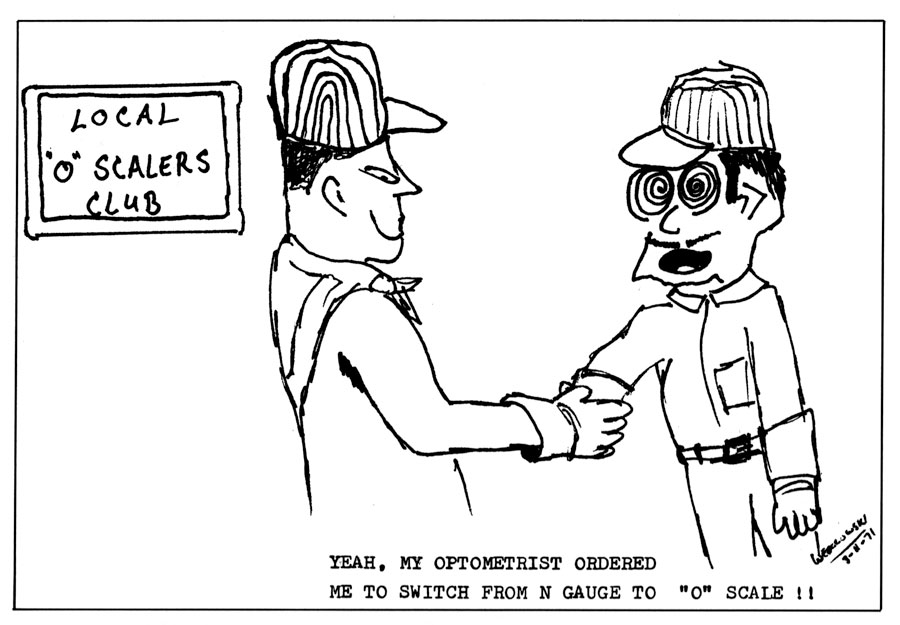 Many have seen pictures and other references in the general hobby press, but photographs of O Scale equipment have a way of looking much like photographs of HO equipment, and the mathematical data are sufficiently abstract to lack real impact. Unfortunately, many O Scalers are very private people—one could say "closet railroaders"—unwilling to let even their closest friends know their quarter-inch addiction.
I'm not sure why this should be, but it does make for a rather lonely feeling on the part of those of us who would willingly share our fun and our interests. In my work, I travel around the central part of my home state a great deal, and I belong to a railfan club with 200 active members, many of them personnel at the university, and yet I am aware of only two other O Scalers outside of the club. Thus, while I would like to offer as my second recommendation to newcomers to O Scale that they seek out the advice and companionship of other sympathetic practitioners, I'd have to admit that such a suggestion would be very difficult to implement. Probably we should mount a campaign to persuade more O Scalers to "come out."
I was initially infected with the O Scale virus nearly thirty years ago as a teenager, thanks to the opportunity to view, at that tender age, the work of the great O Scale club layouts in the Saint Louis area, where I grew up, and to the friendly guidance of a couple of older modelers who were willing to act as mentors. That turned out to be a rare as well as fortunate experience, because subsequently I have been dismayed again and again by the sour mentality of many O Scalers.
 The newcomer and the outsider are frequently surprised to find that relatively few O Scalers really believe that model railroading is fun or even a hobby. Many approach the subject with the same intensity and seriousness one usually devotes to religion or politics. After thirty years, I sometimes delude myself into believing that I have achieved a certain knowledgability and experience in O Scale railroading, but I still encounter any O Scaler I haven't met before with real trepidation, fairly certain that I will be advised in short order that, after all, he communicates only with God and other Master Builders.
In sum, I have come to believe that the grumpiness, petty jealousies and deliberate hostility which characterize so many of its practitioners is a peculiar O Scale plague which does not infect to such a notable degree other segments of the hobby. So I would strongly advise the newcomer to O Scale to search for a friendly mentor and to ignore some of the more unpleasant types you are likely to turn up. Even though it may be heretical, there are plenty of O Scalers who enjoy the hobby, have a lot of fun, and who are generally glad to have you around.
 One other type you are advised to ignore with special fervor is the super-rich collector who likes to assure you that you can't enjoy the hobby for less than a quarter of a million. The only function he actually performs is to drive up the price of the older brass imports; you will discover that he rarely has an operating layout and knows almost nothing about O Scale railroading. It is quite possible to enjoy the hobby quite thoroughly on a much less grand financial scale.
As it turns out, then, your decision to go into O Scale will force you to consider some other problems beyond finding adequate space and providing sufficient financing. But if you have a taste for adventure, are intrigued by membership in a secret society, and enjoy searching for new friends (or are resigned to doing without them), you can do it. At least you will understand why we think of ourselves as a special breed and why we savor our accomplishments to an unconscionable degree. To be a successful O Scaler is to be more than liberated from silly millimeters; you get the firm feeling of solid achievement.
O Scale Magazine / Feb 1978

Delta Route O

Jun 1970 / JCH
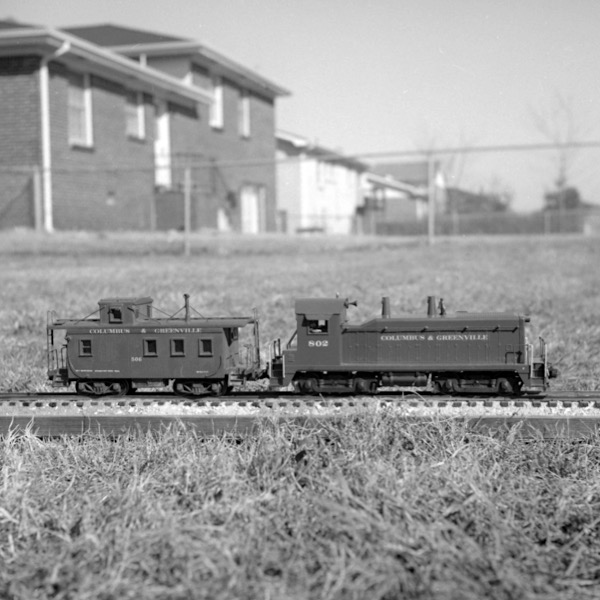
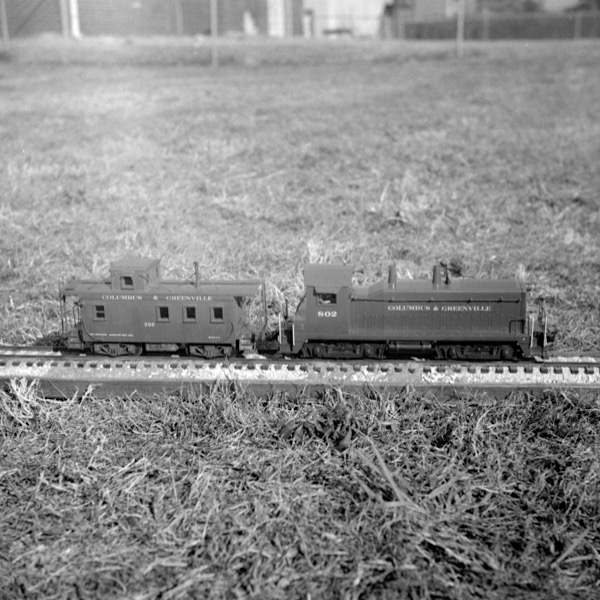
Jun 1970 / JCH
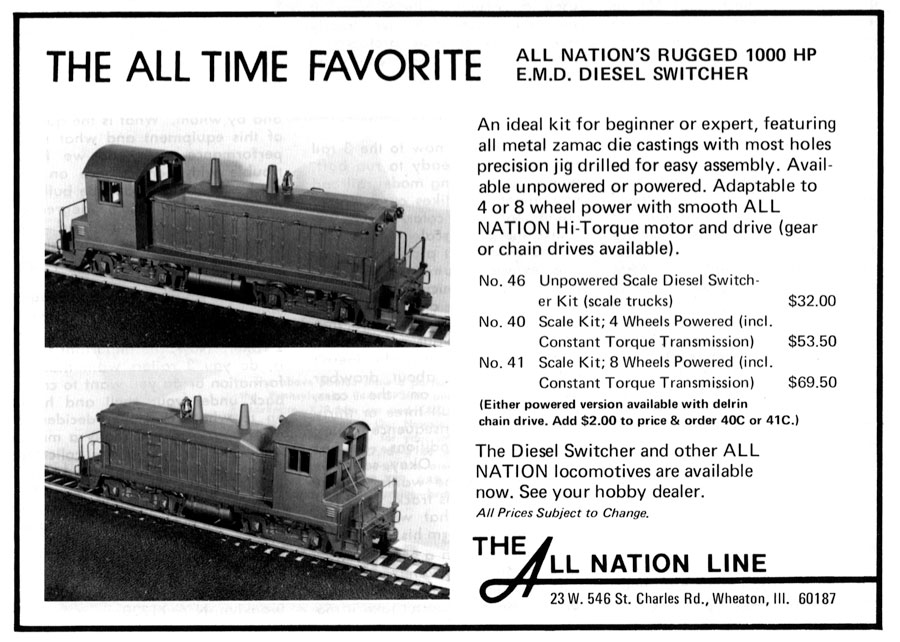

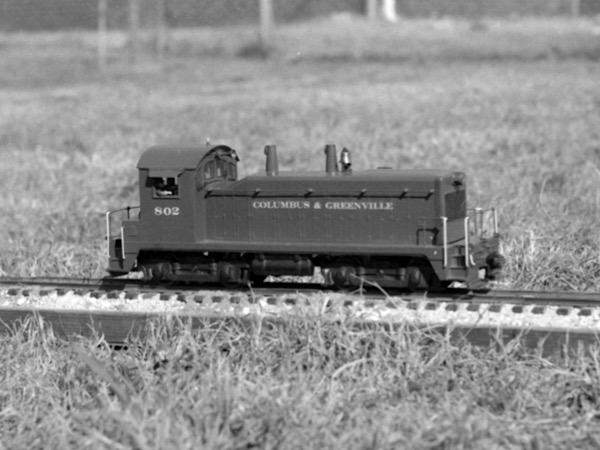
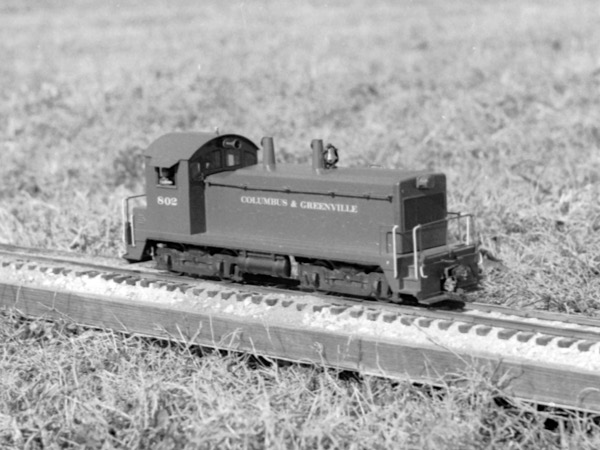
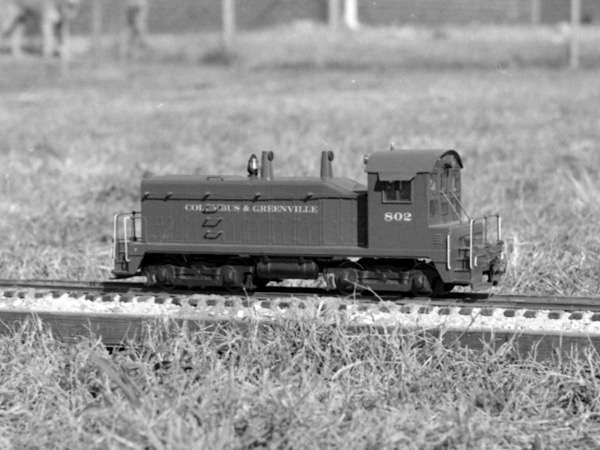
Jun 1970 / JCH
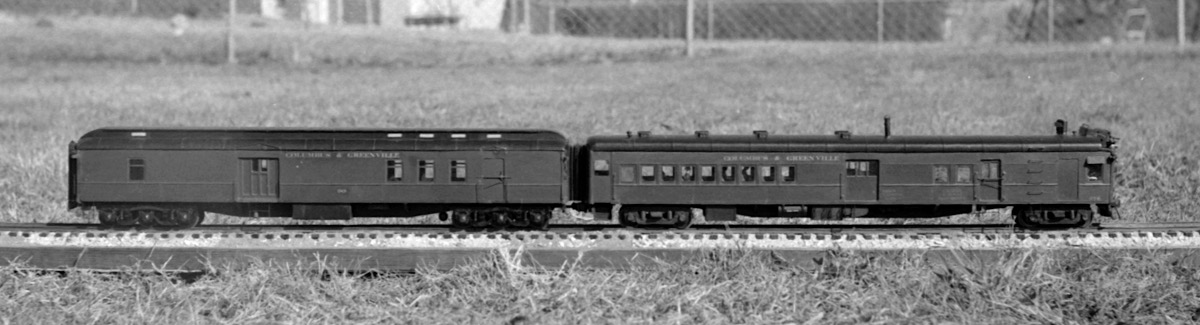
Jun 1970 / JCH
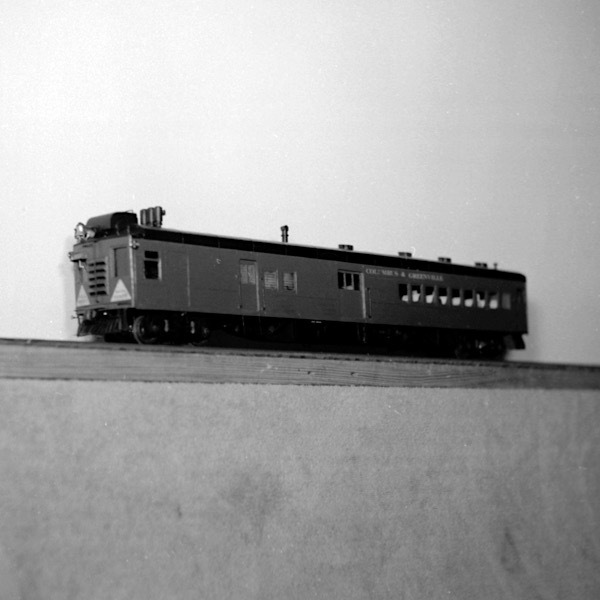
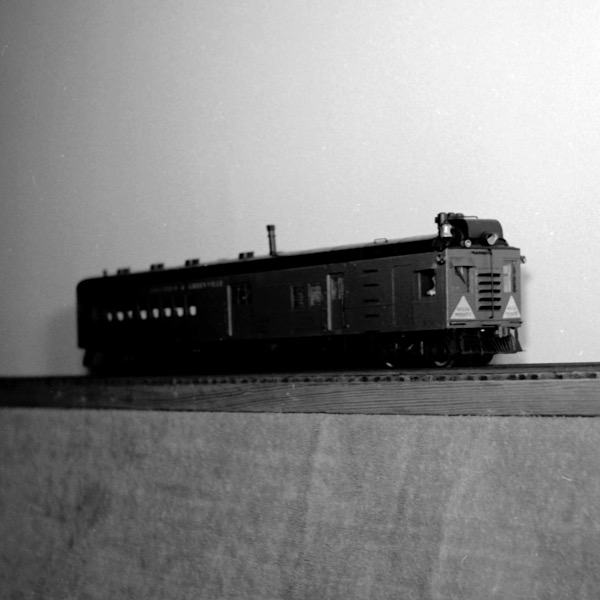
Jun 1970 / JCH
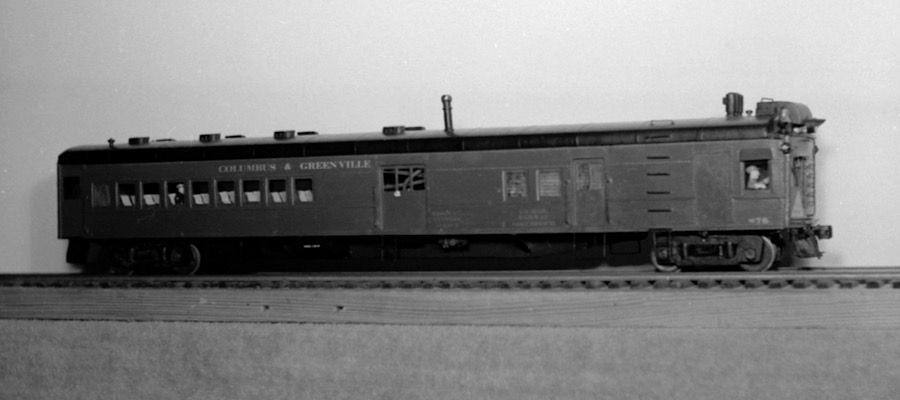
Jun 1970 / JCH
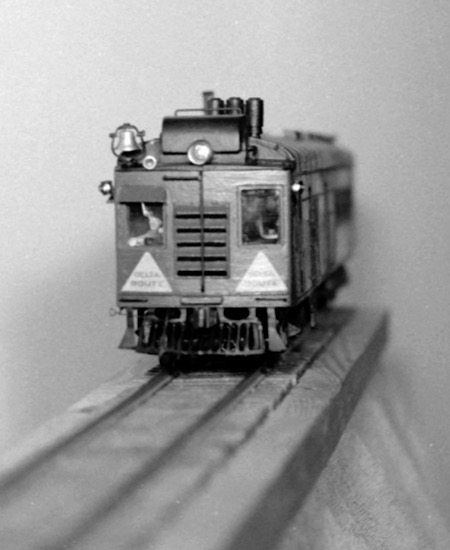
Jun 1970 / JCH
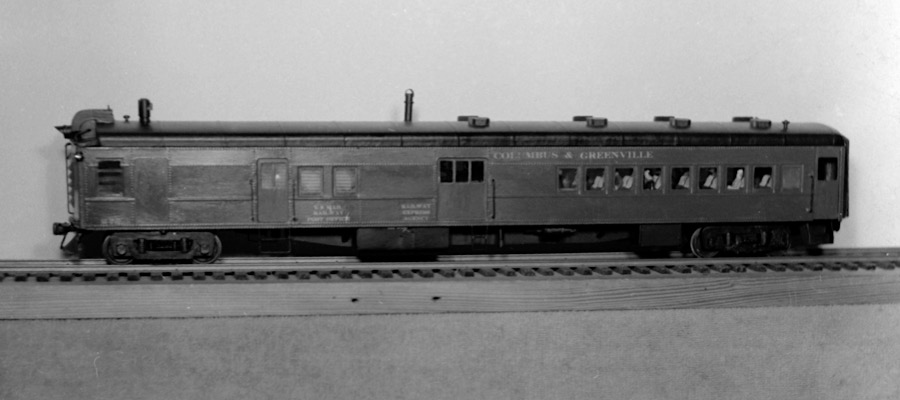
Jun 1970 / JCH
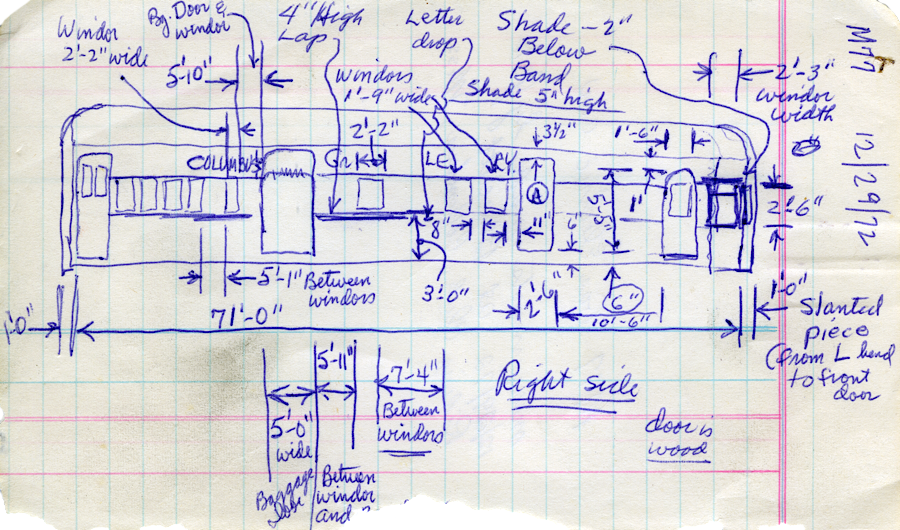
JCH notes
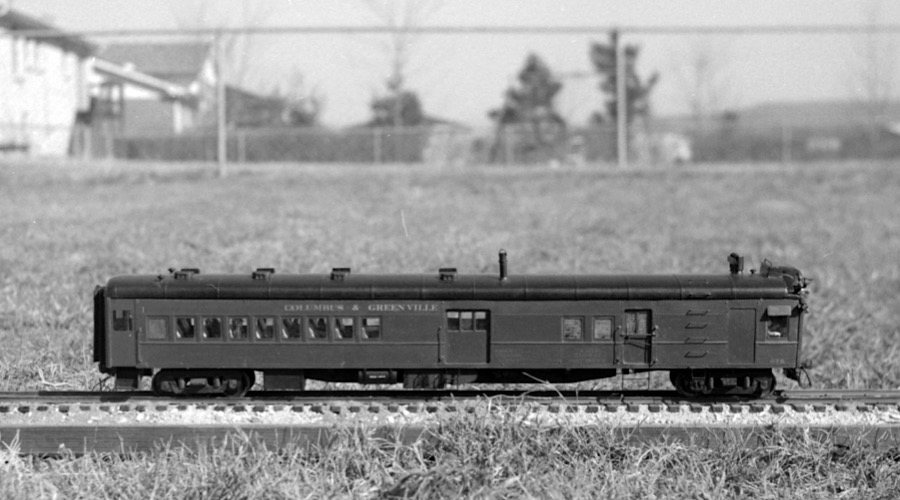
Jun 1970 / JCH
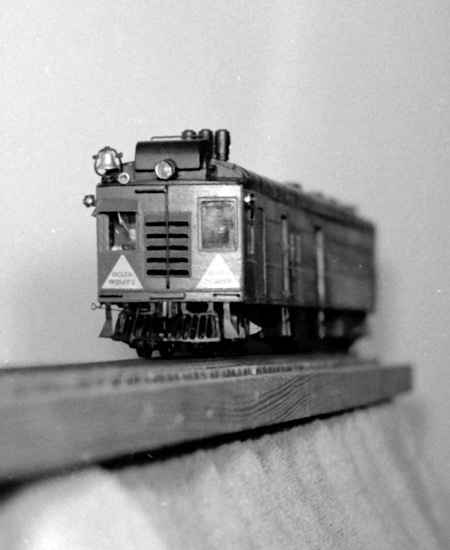
Jun 1970 / JCH
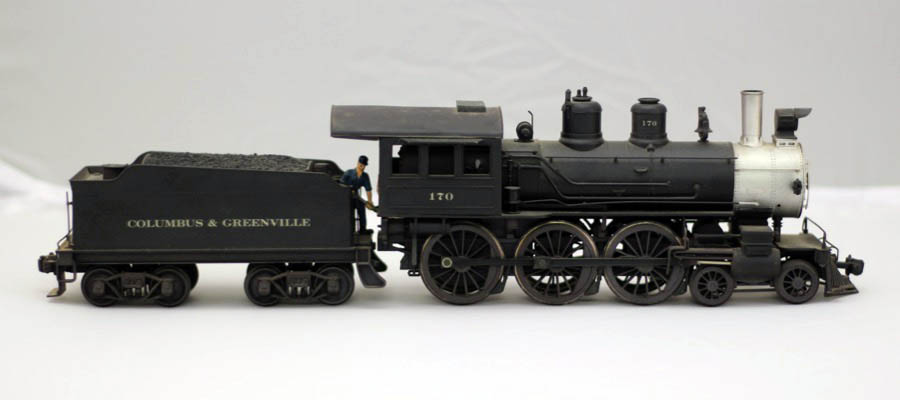
Jul 2020 / RWH
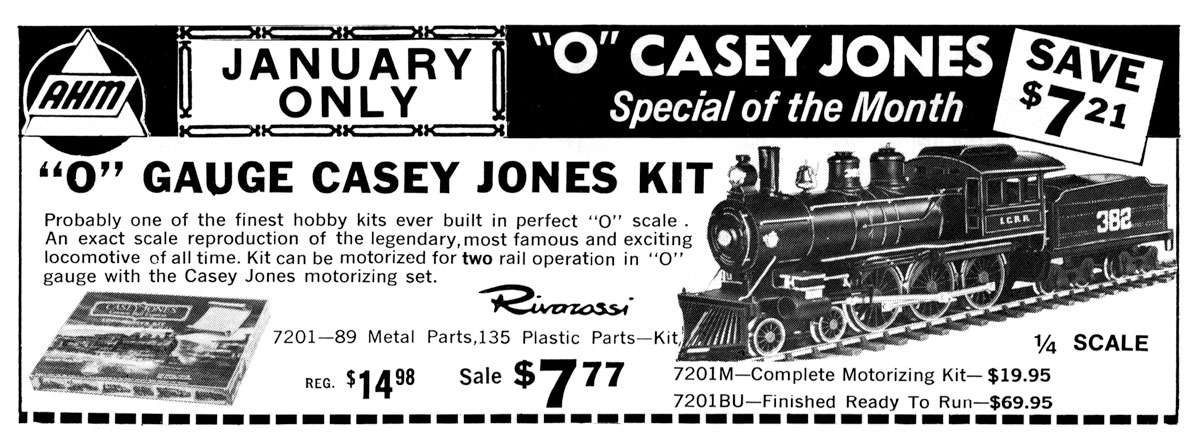
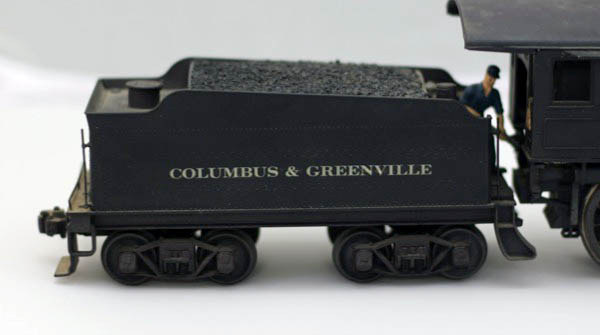
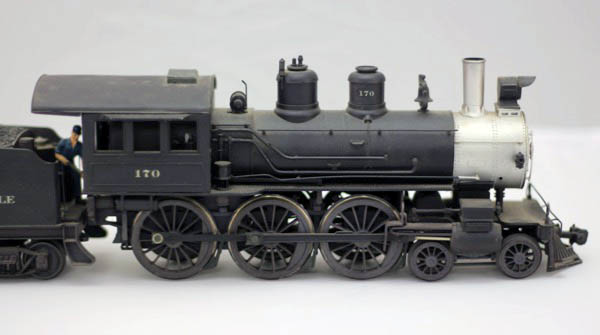
Jul 2020 / RWH
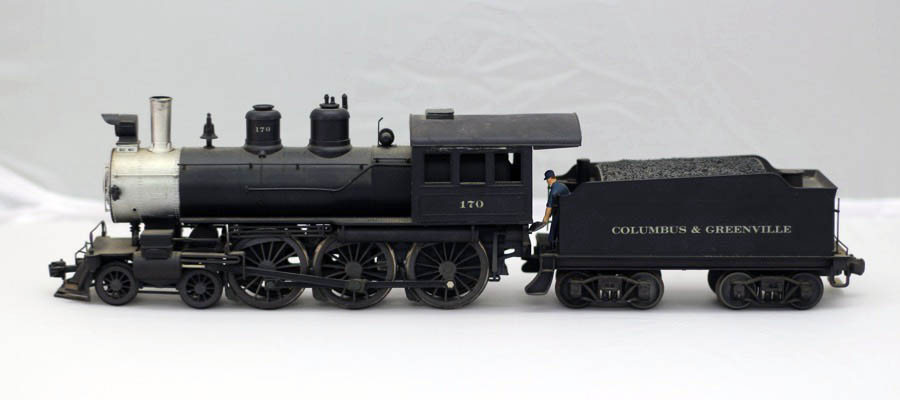
Jul 2020 / RWH
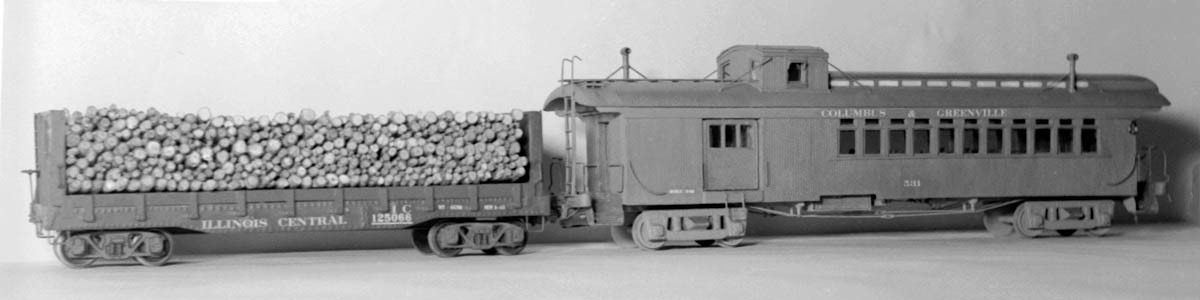
Jun 1970 / JCH
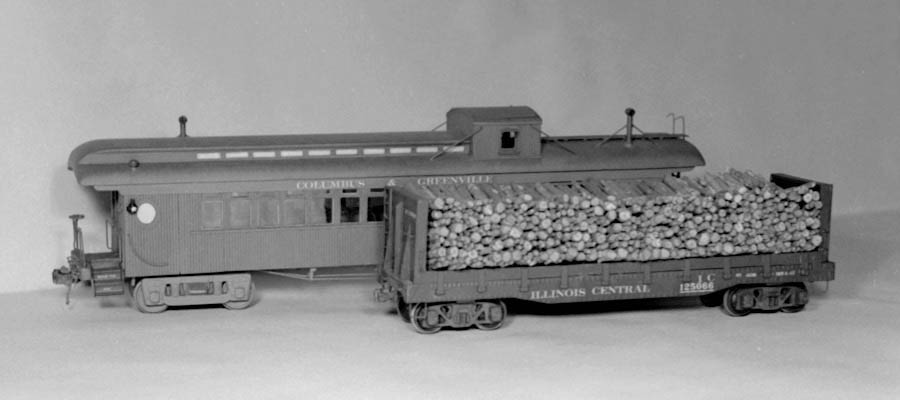
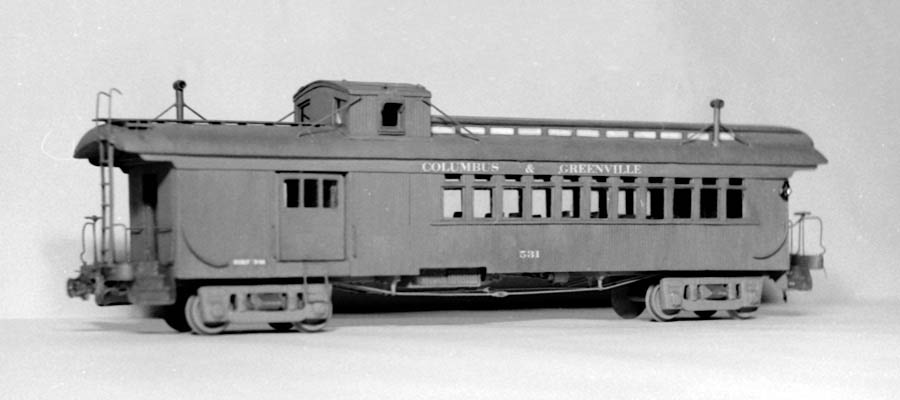
Jun 1970 / JCH
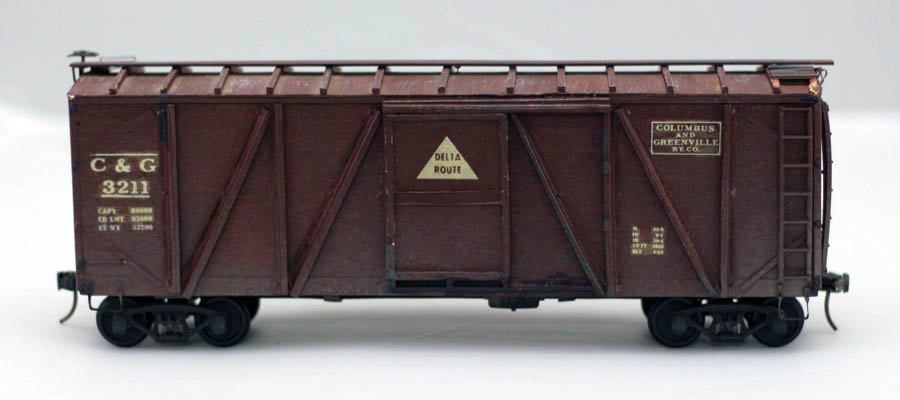
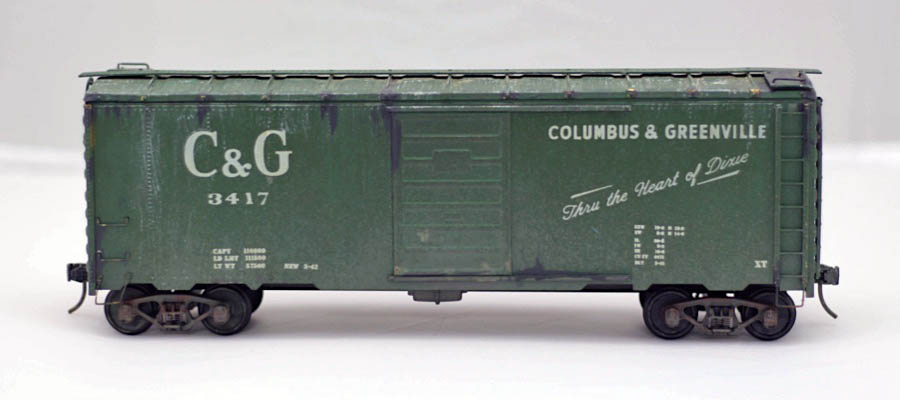
Jul 2020 / RWH
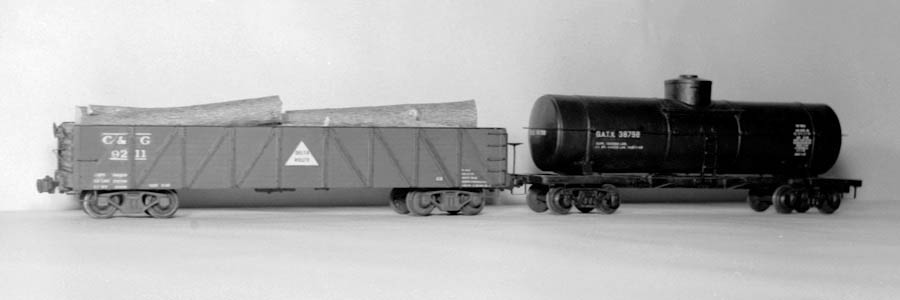
Jun 1970 / JCH
See also our complete Columbus & Greenville Railway featured scrapbook in Shortlines
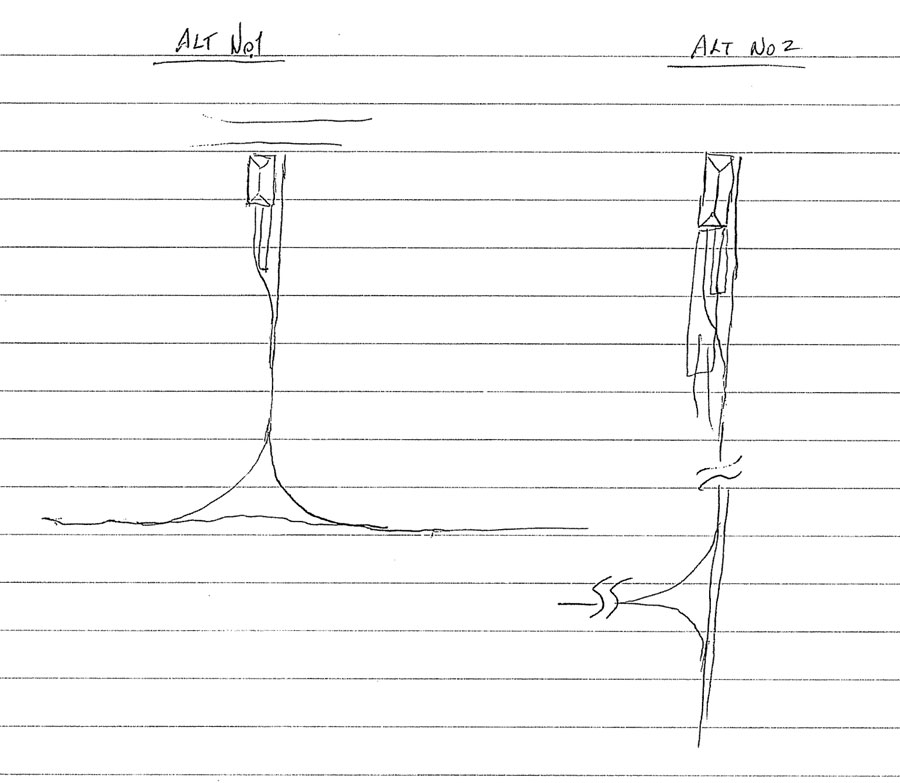
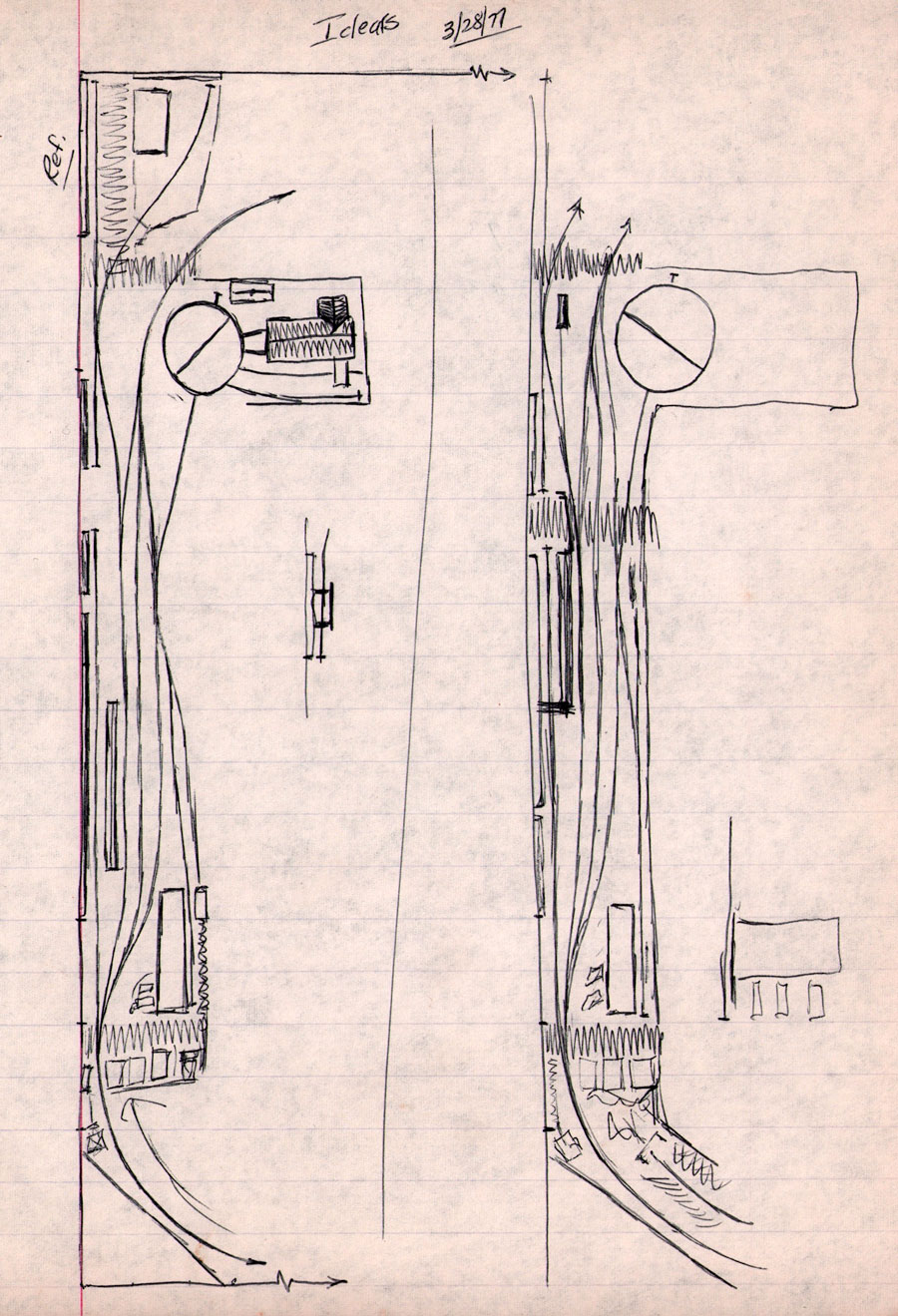
JCH notes
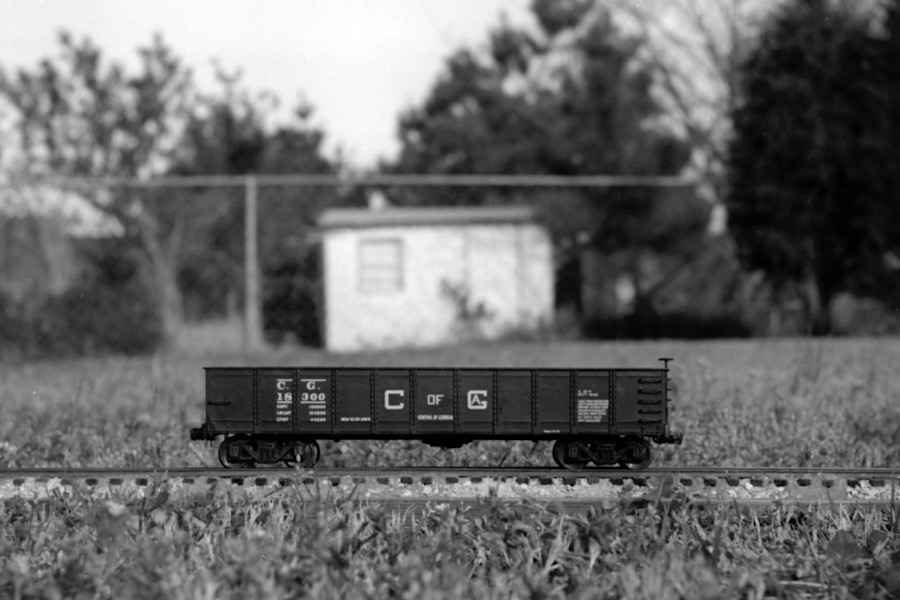
Jun 1970 / JCH



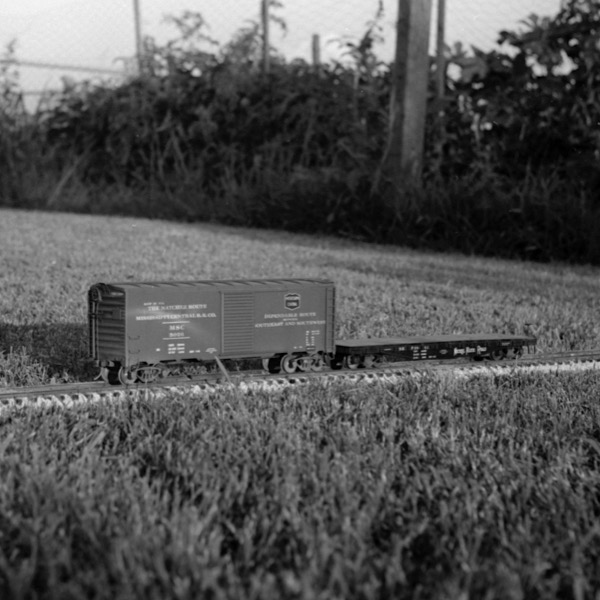
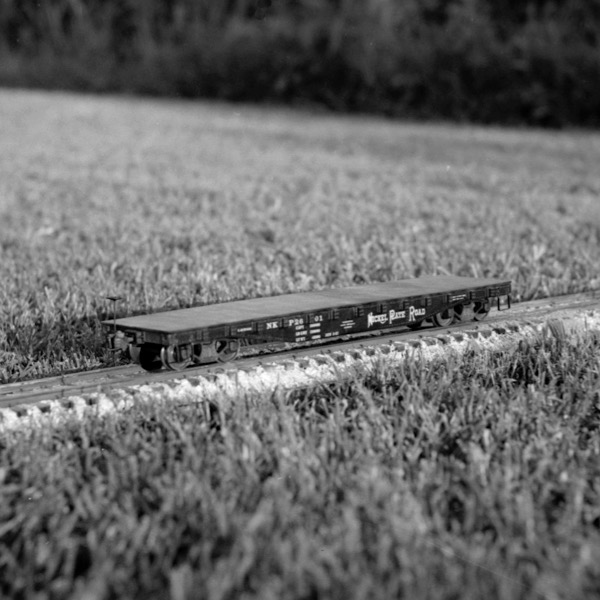
Jun 1970 / JCH

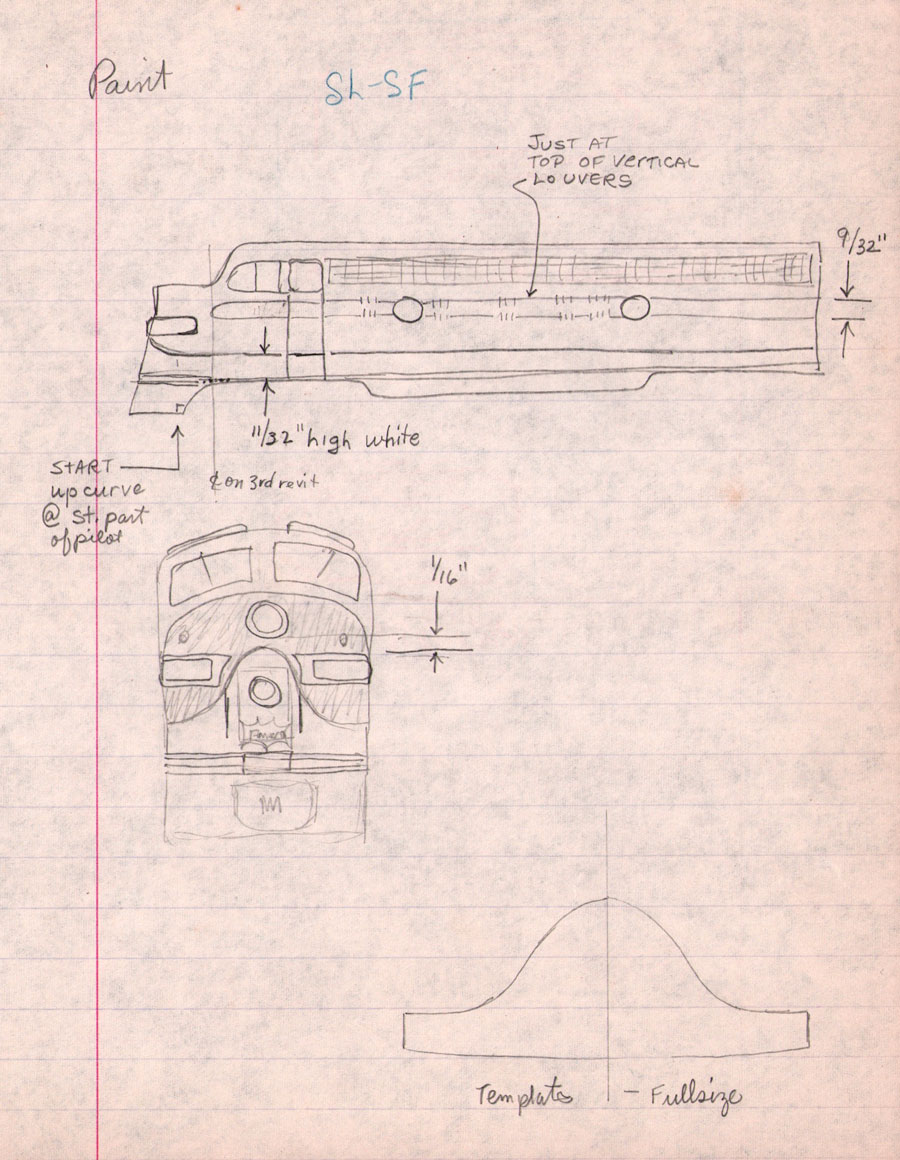
JCH notes
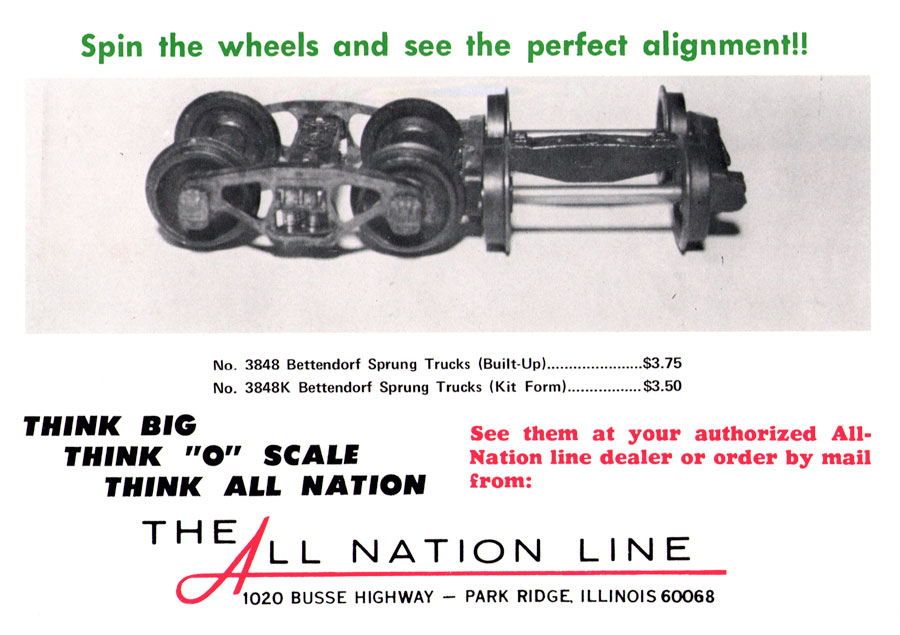
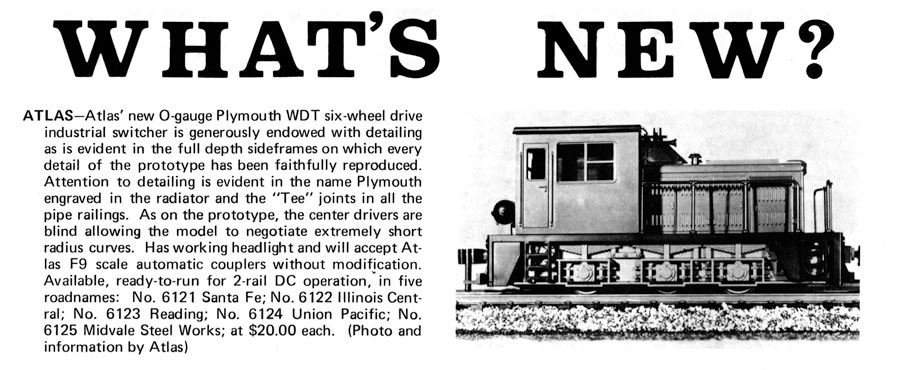
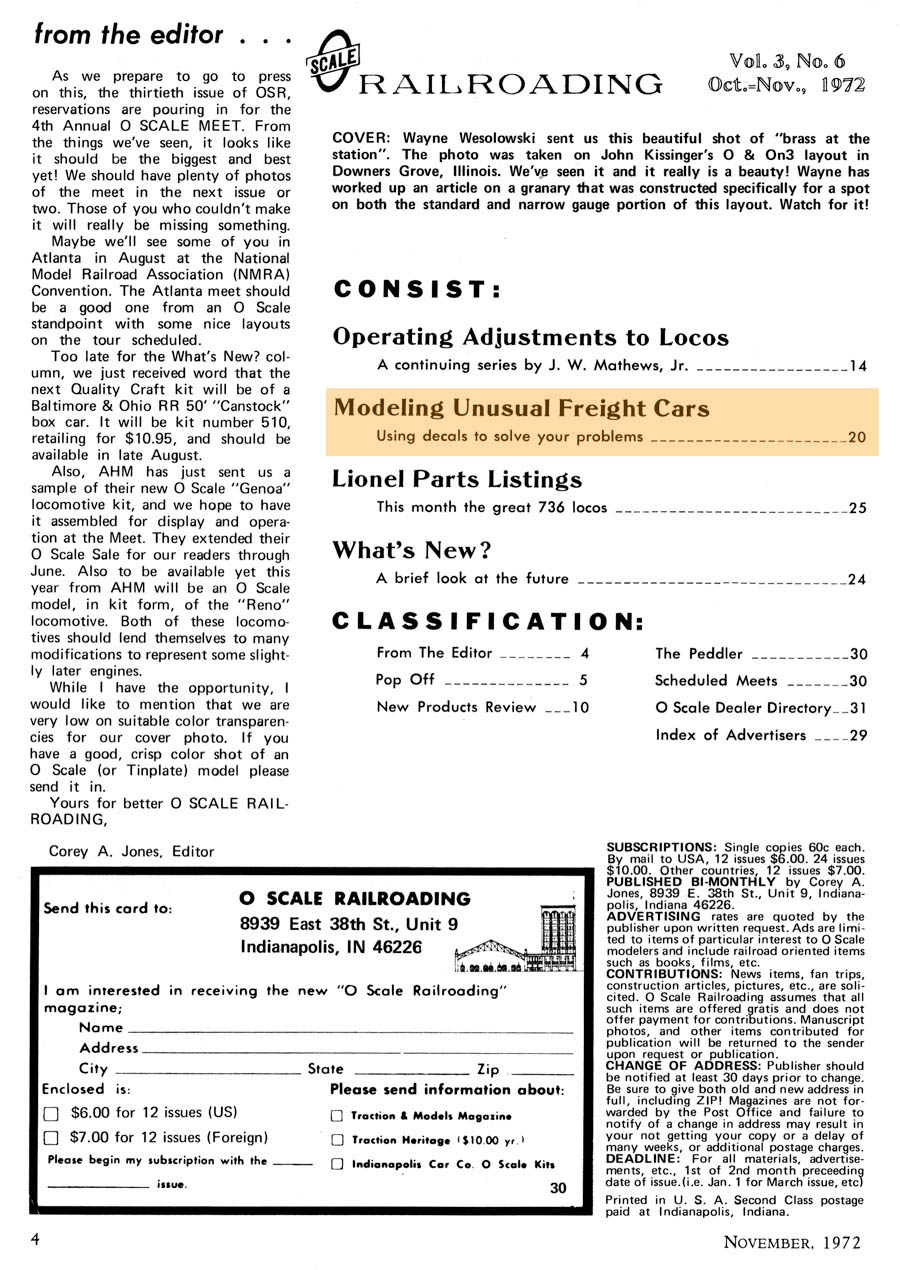
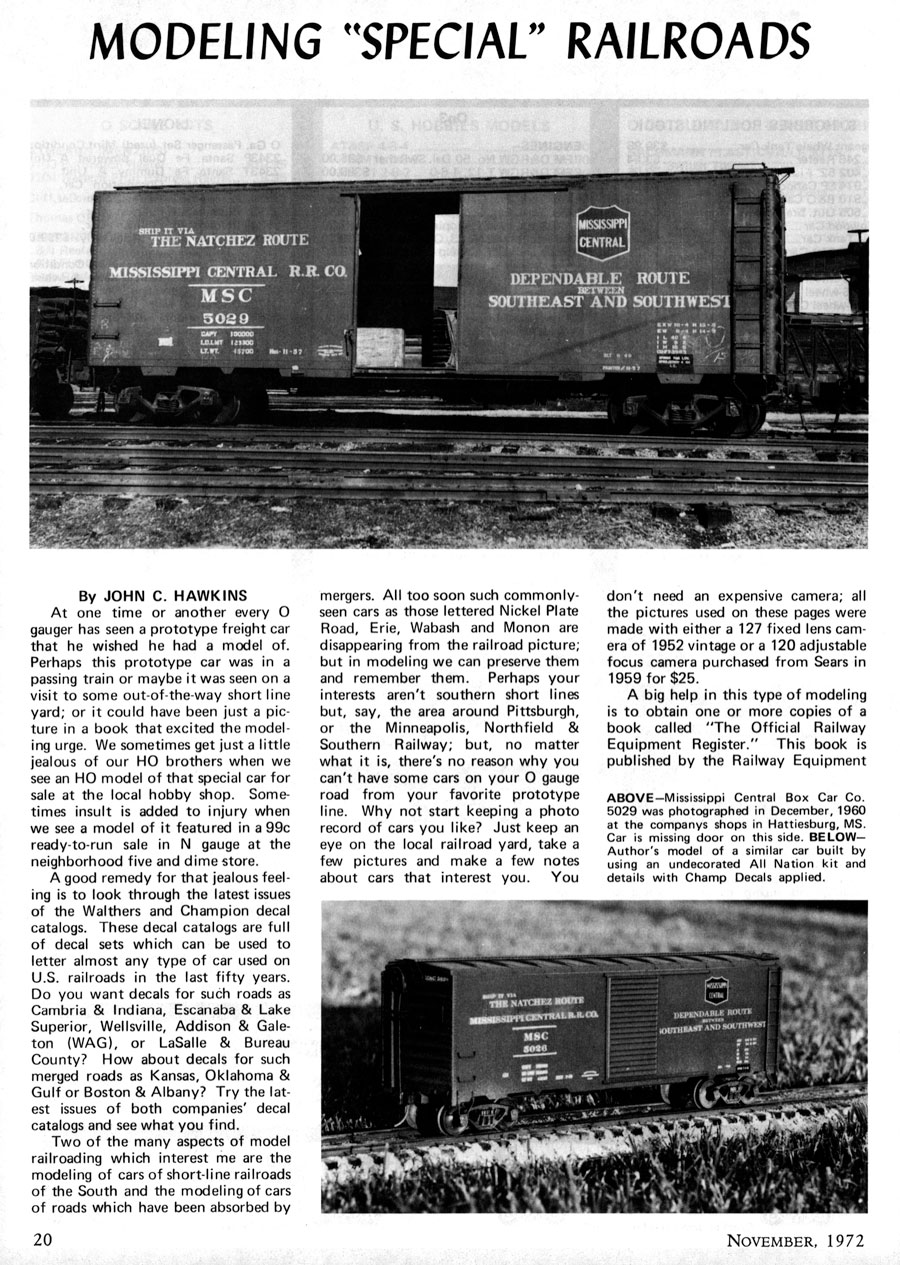
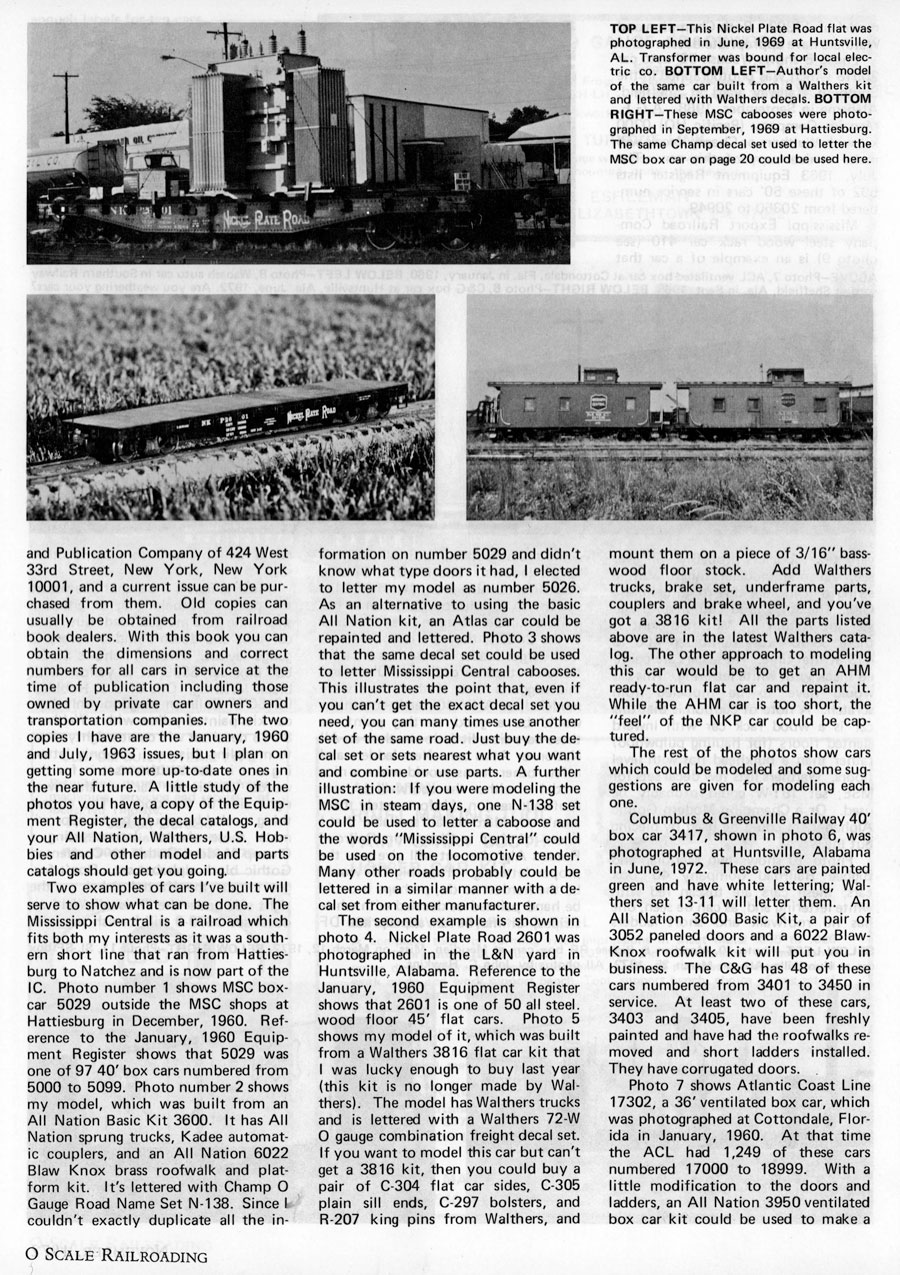
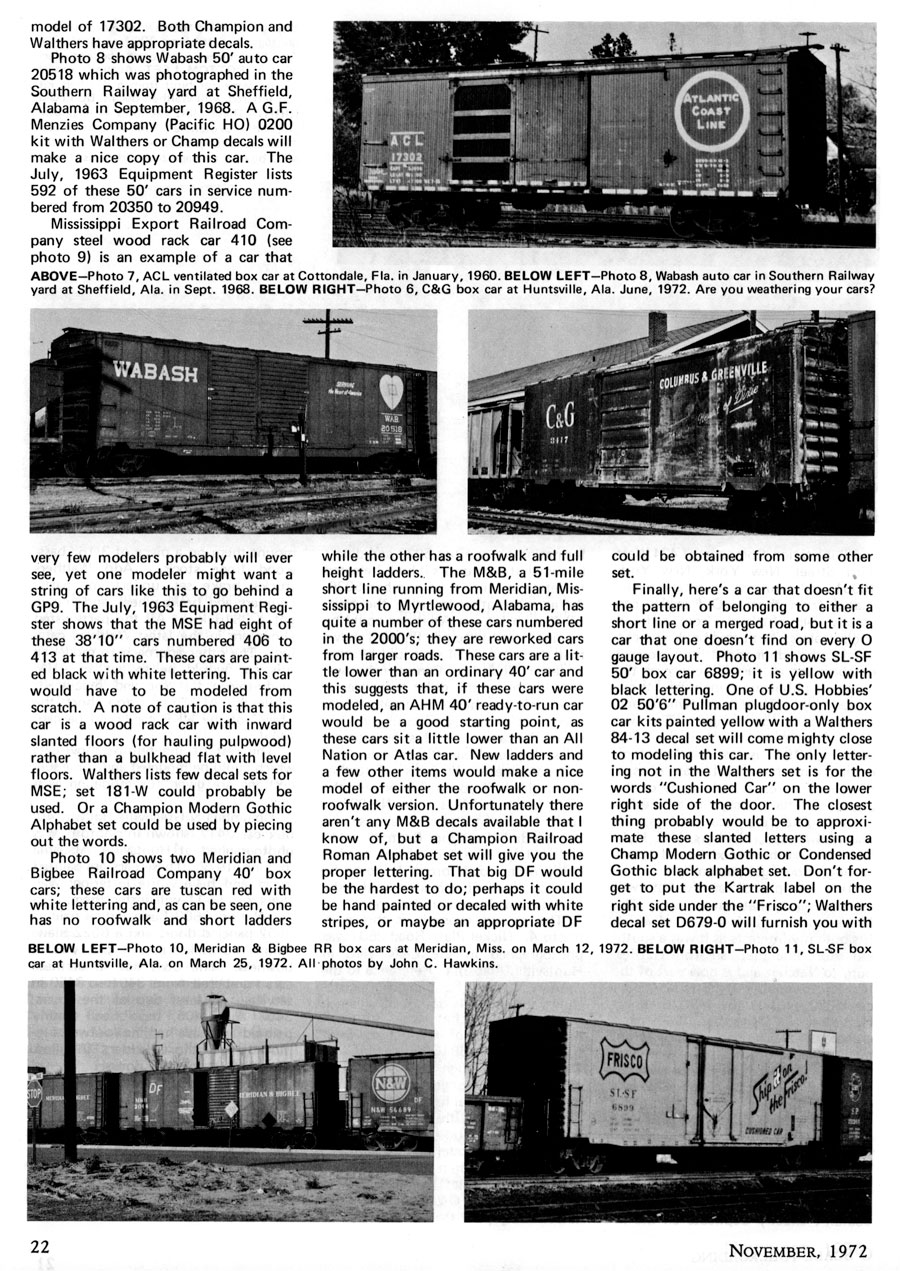
from O Scale Railroading magazine [Nov 1972] / collection
Brand New Atlas O
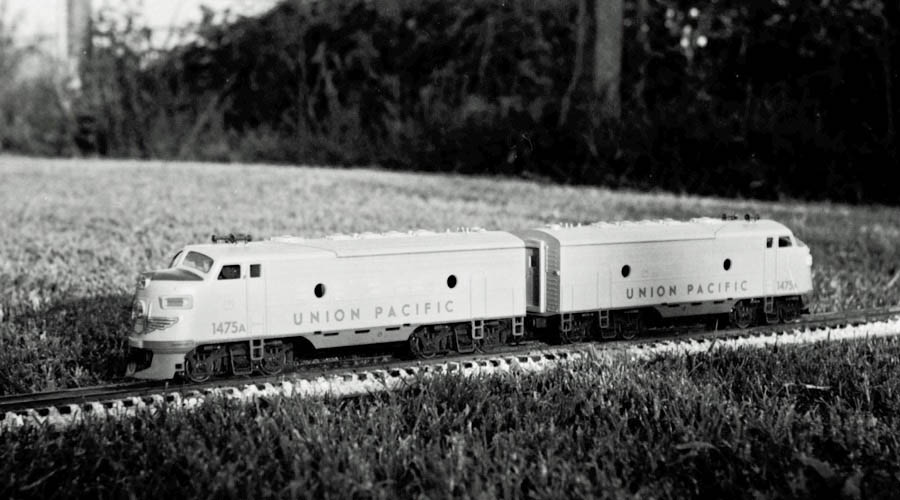
Jun 1970 / JCH
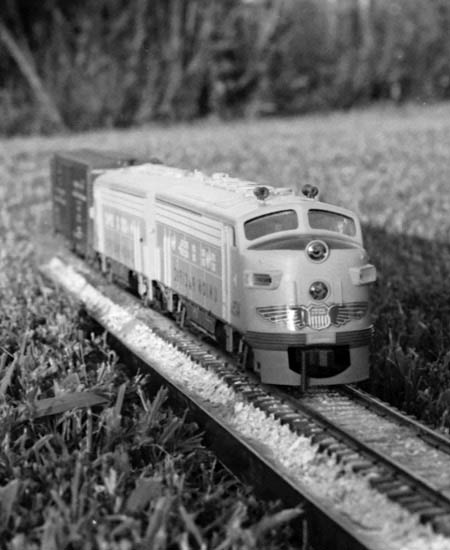
Jun 1970 / JCH
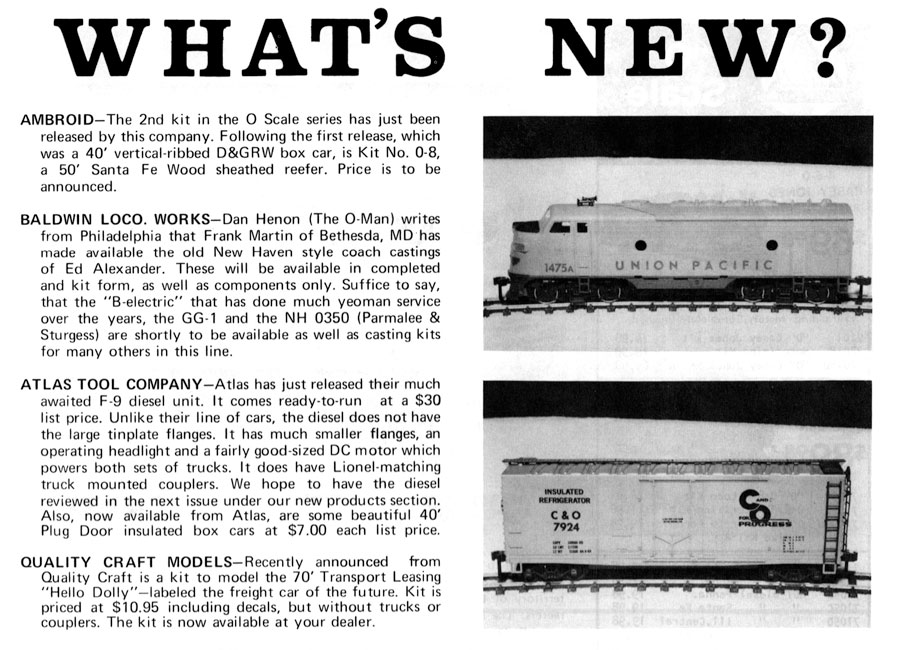
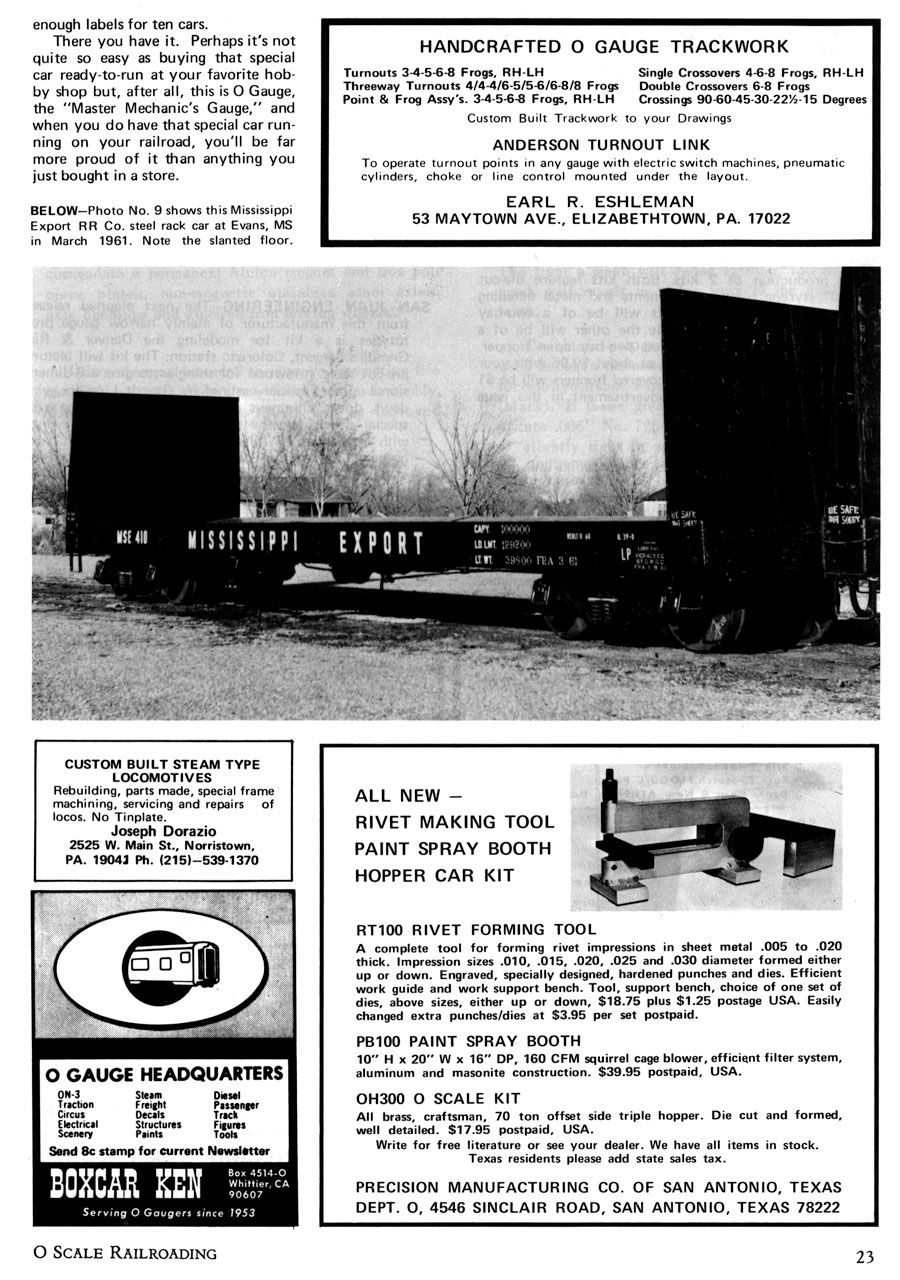
from O Scale Railroading magazine / collection
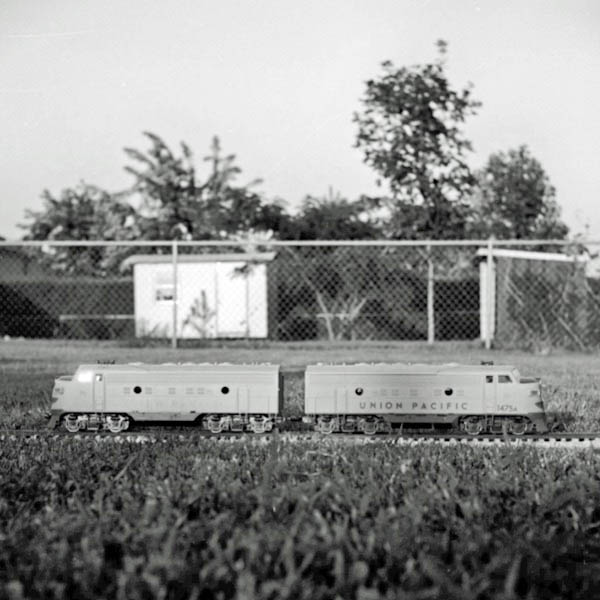

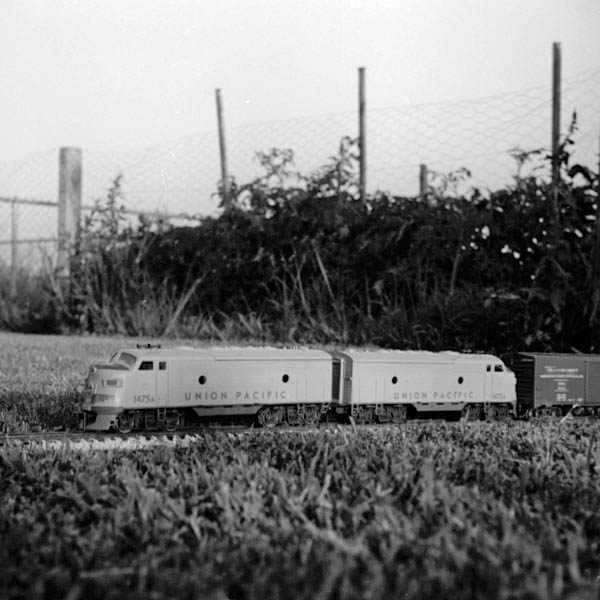
Jun 1970 / JCH
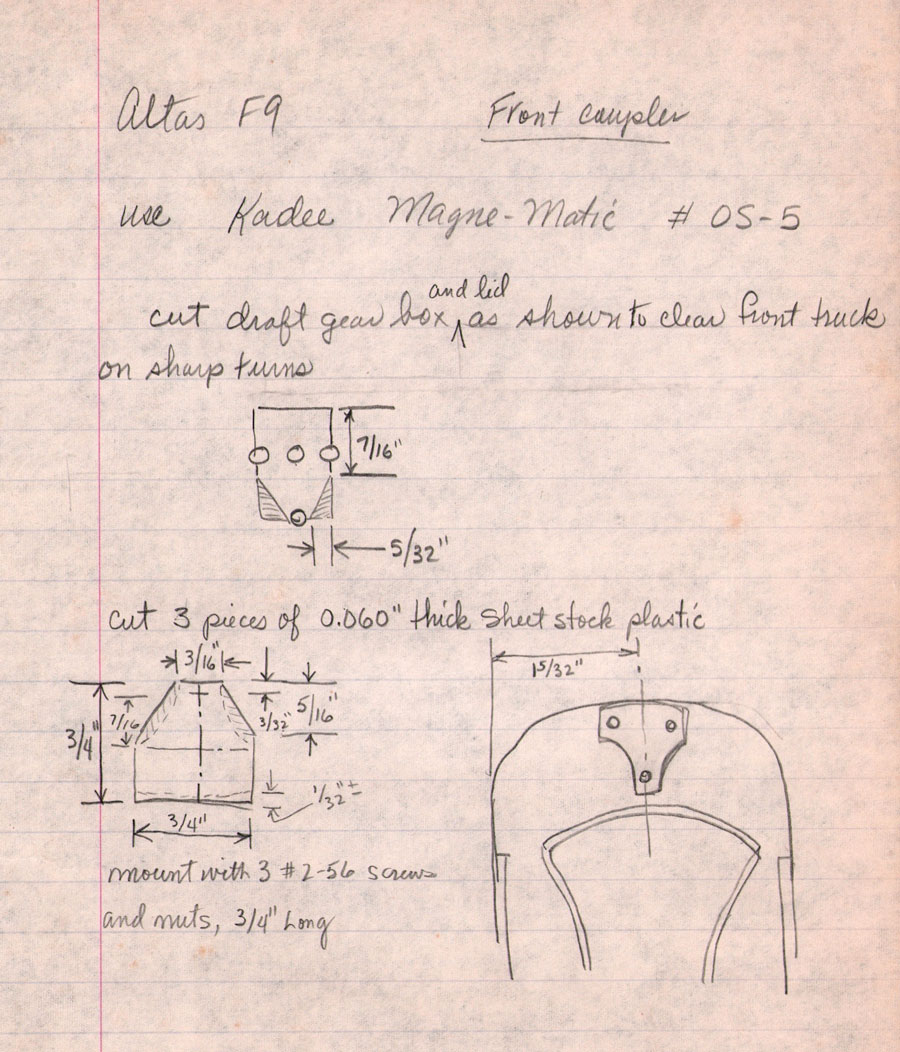
JCH notes
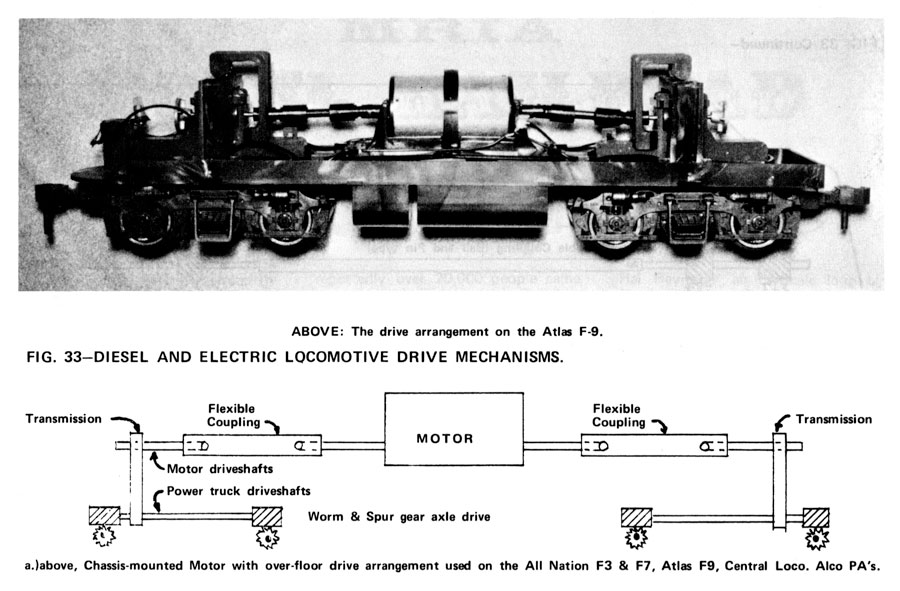
from O Scale Railroading magazine / collection
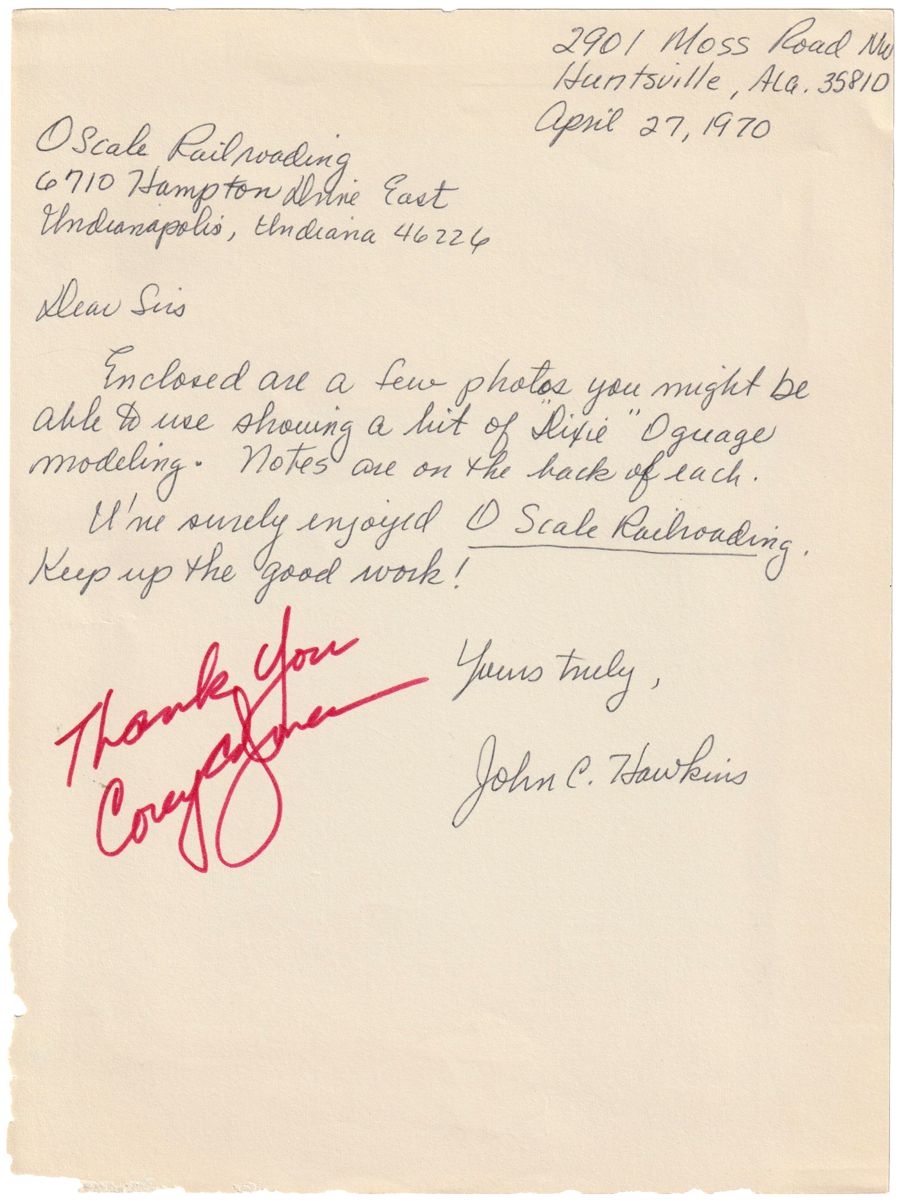
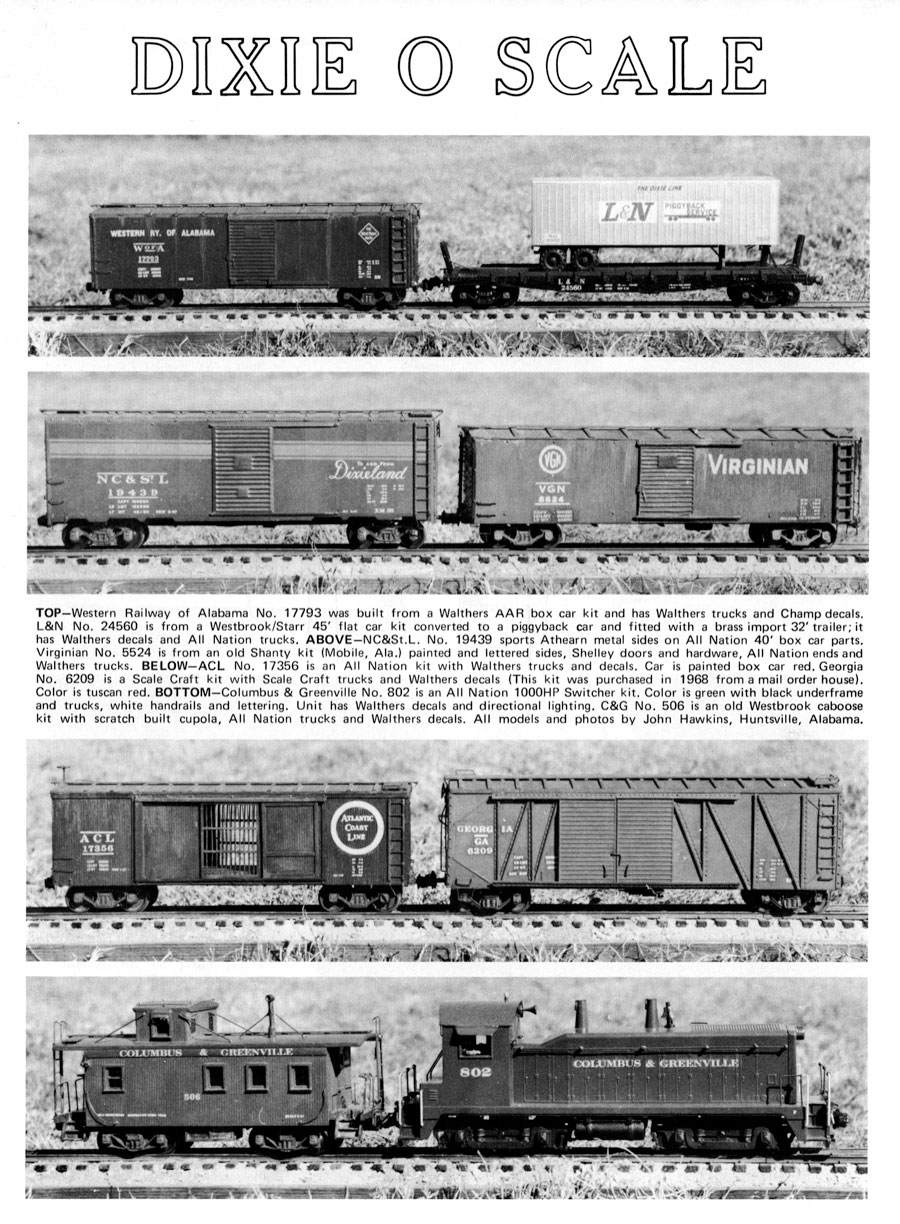
from O Scale Railroading magazine / collection
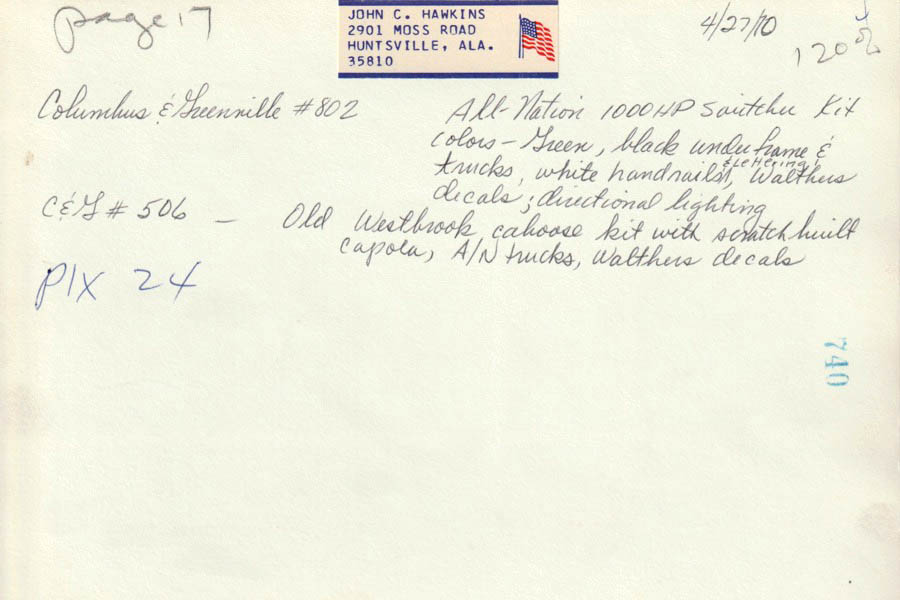
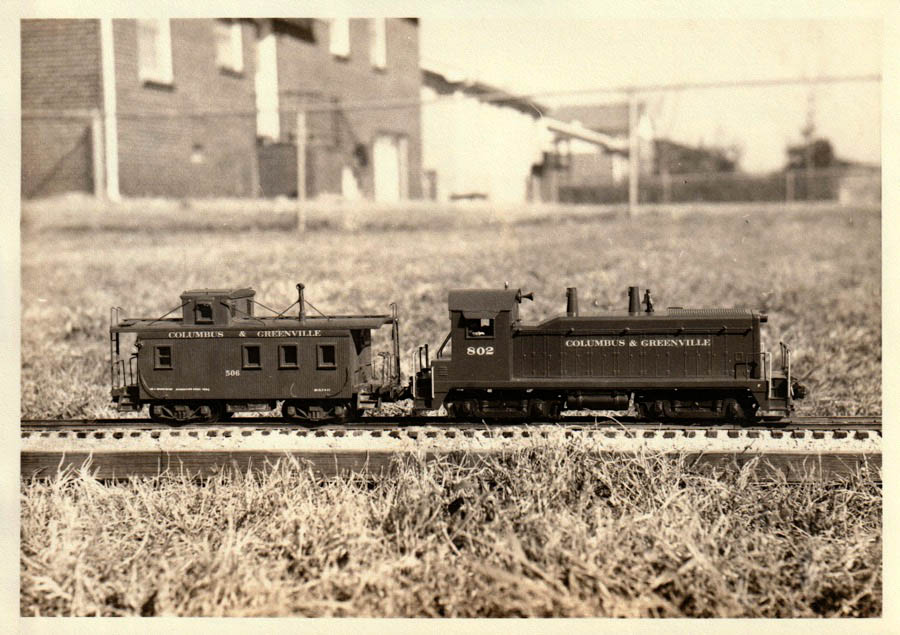
Huntsville, Al / Apr 1970 / JCH
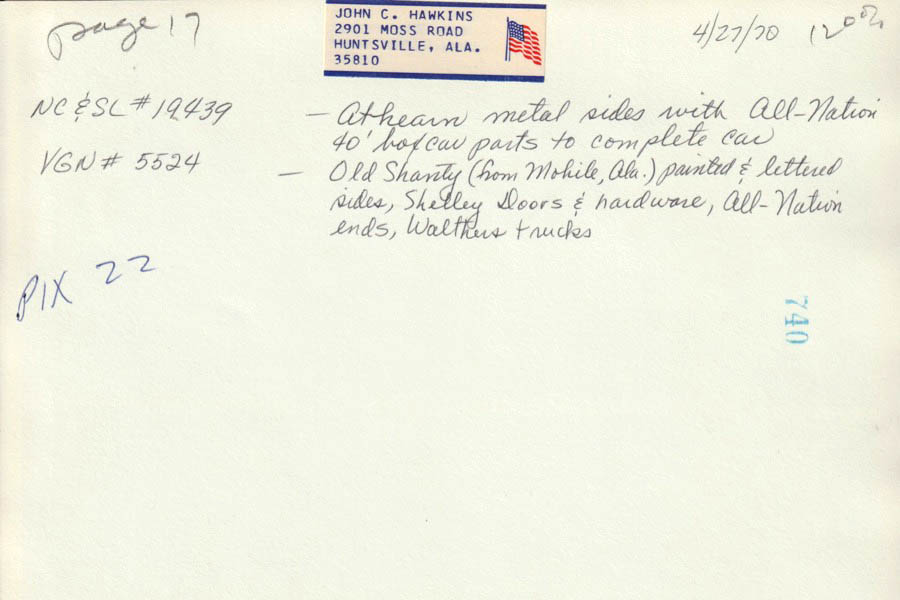
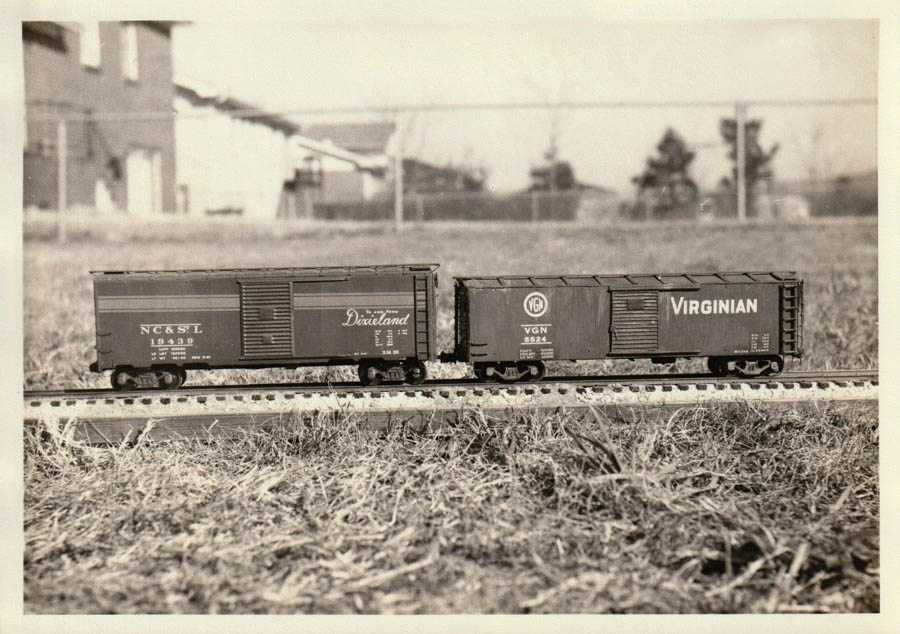
Huntsville, Al / Apr 1970 / JCH
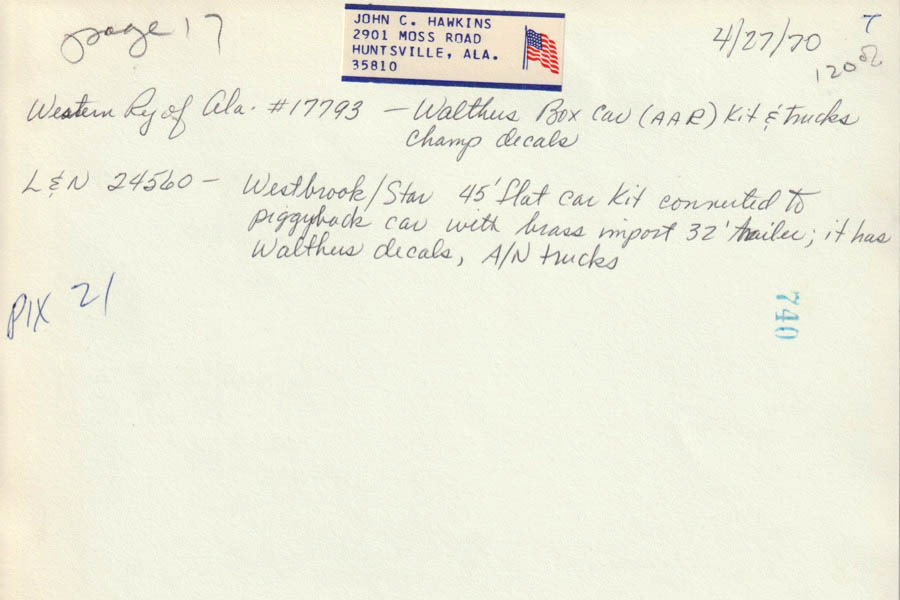
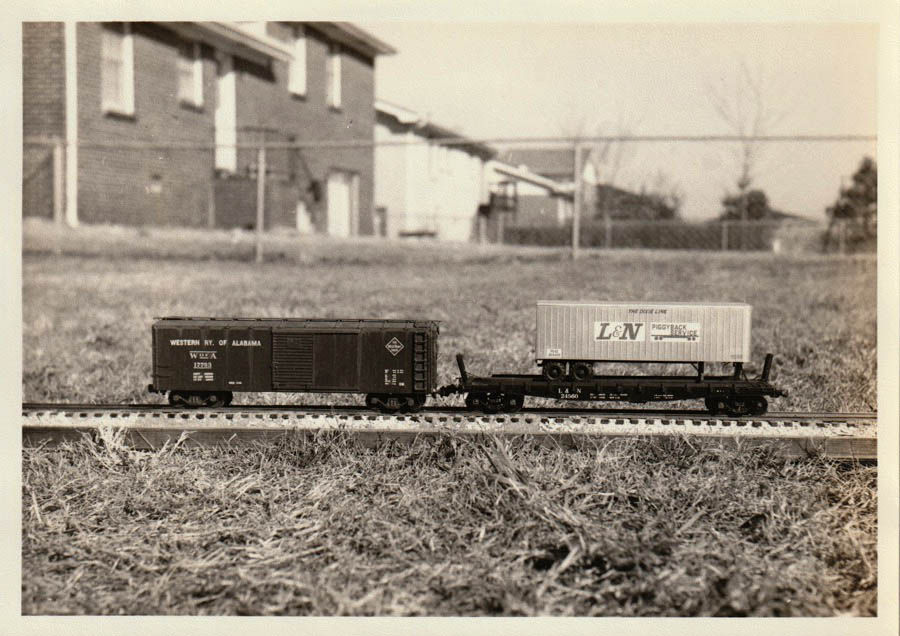
Huntsville, Al / Apr 1970 / JCH
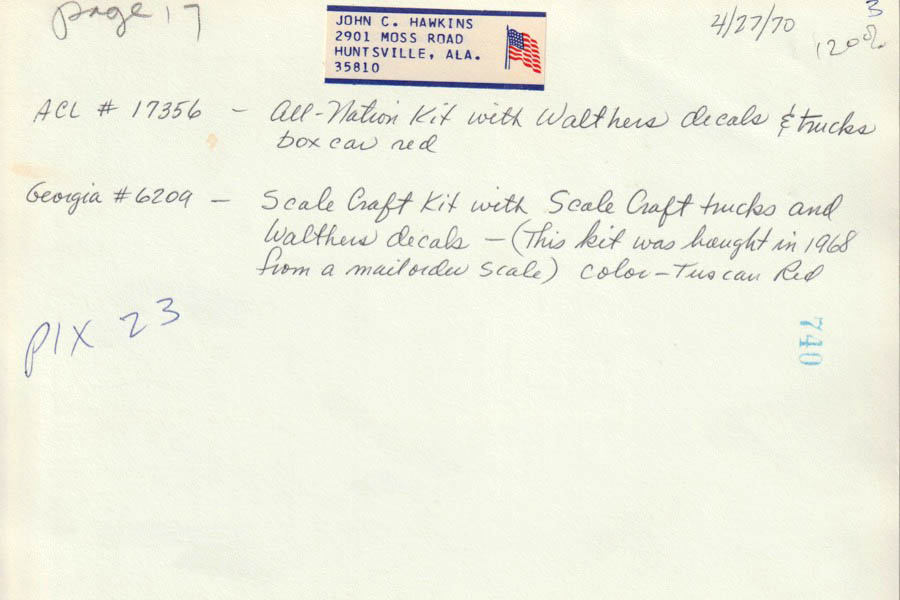
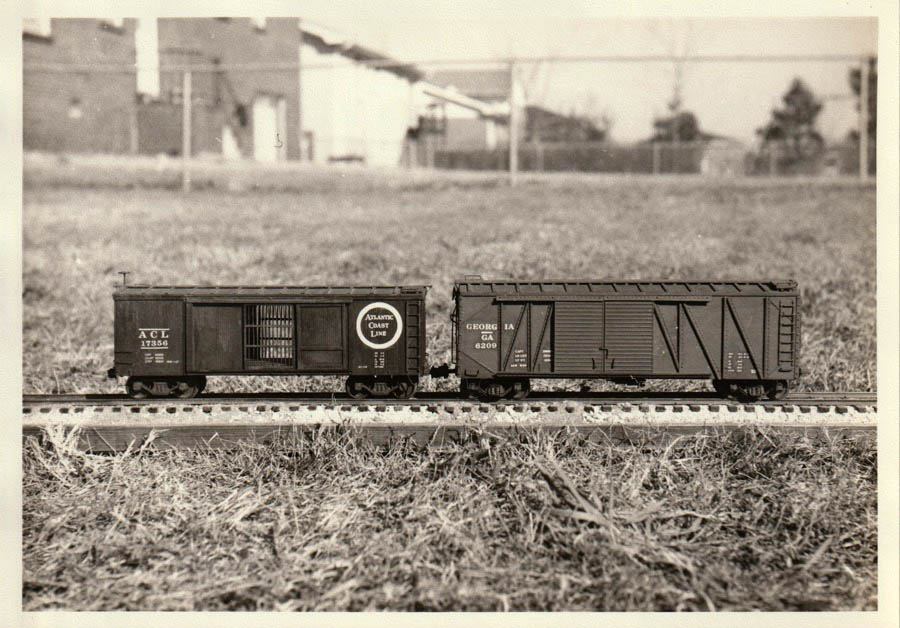
Huntsville, Al / Apr 1970 / JCH
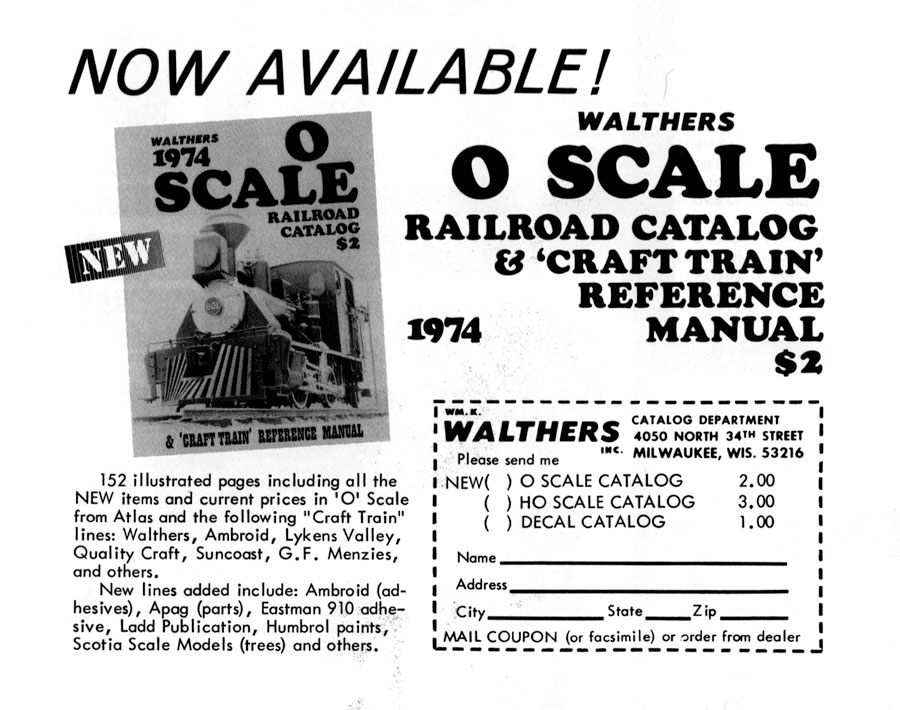
 Kits to Keepers
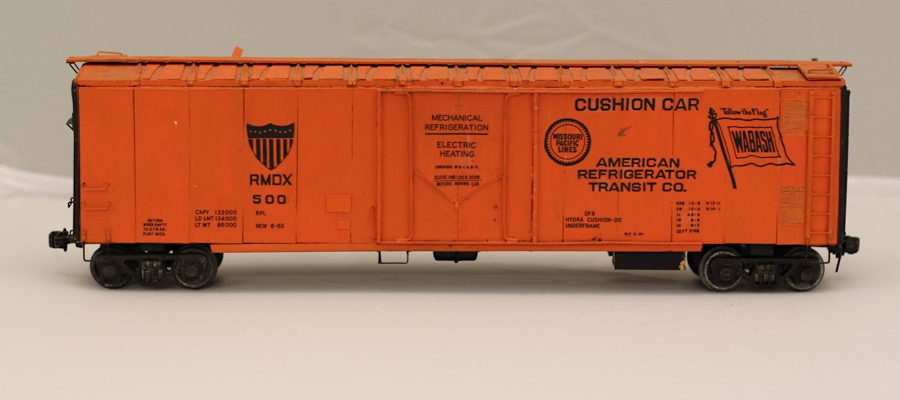
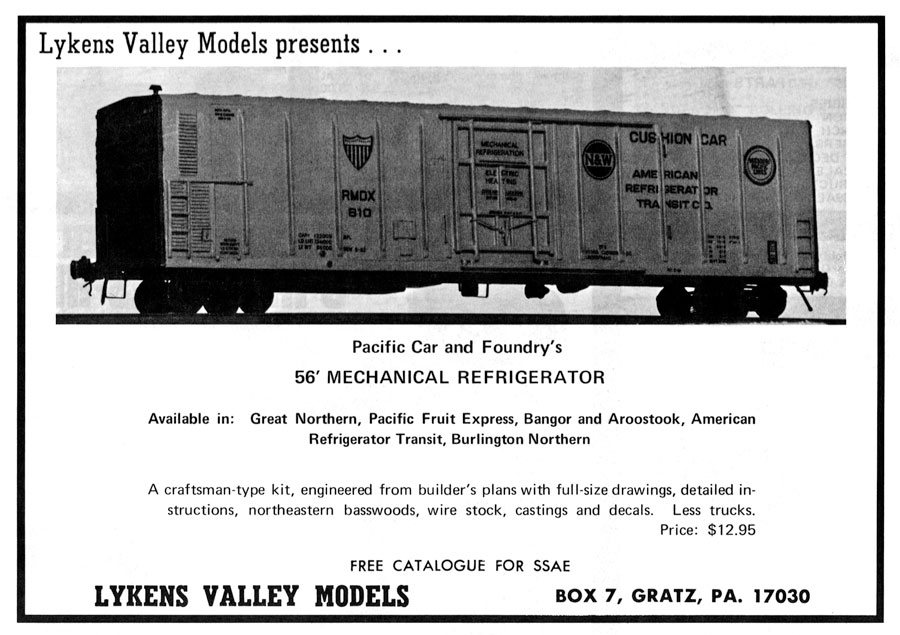
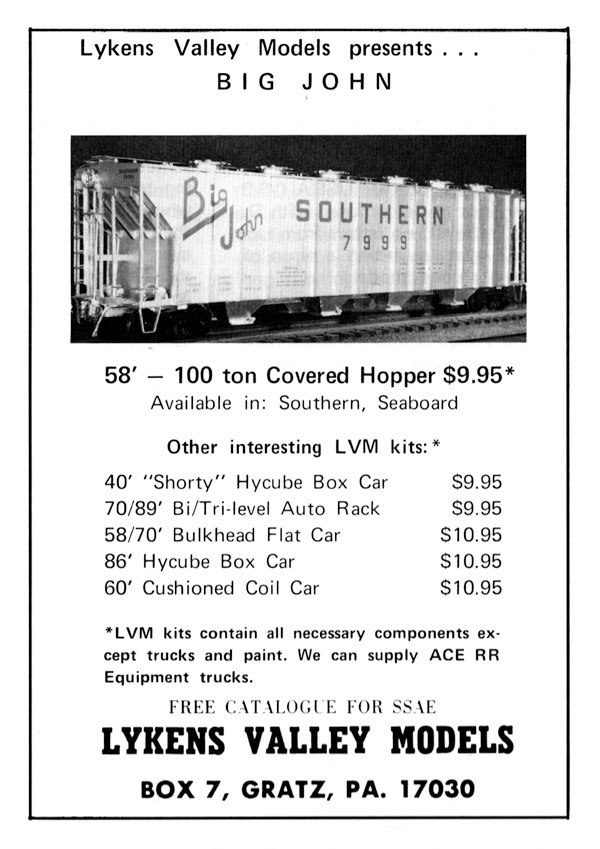
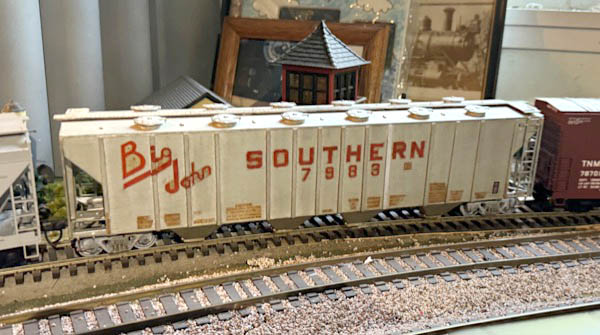
Marrero, La / Aug 2024 / RWH
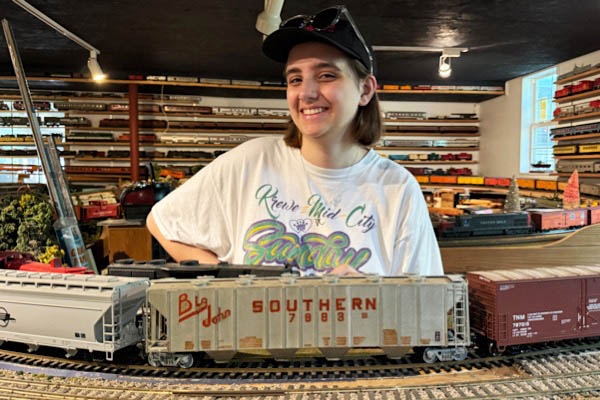
Marrero, La / Aug 2024 / RWH
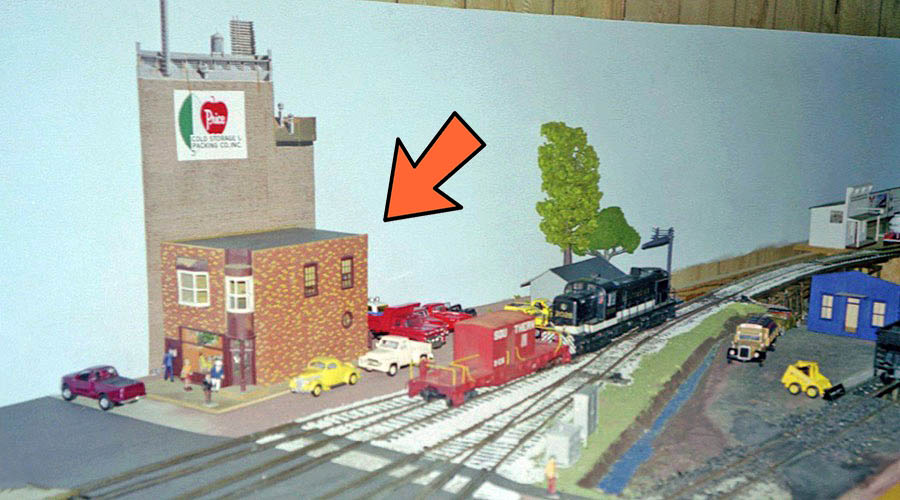
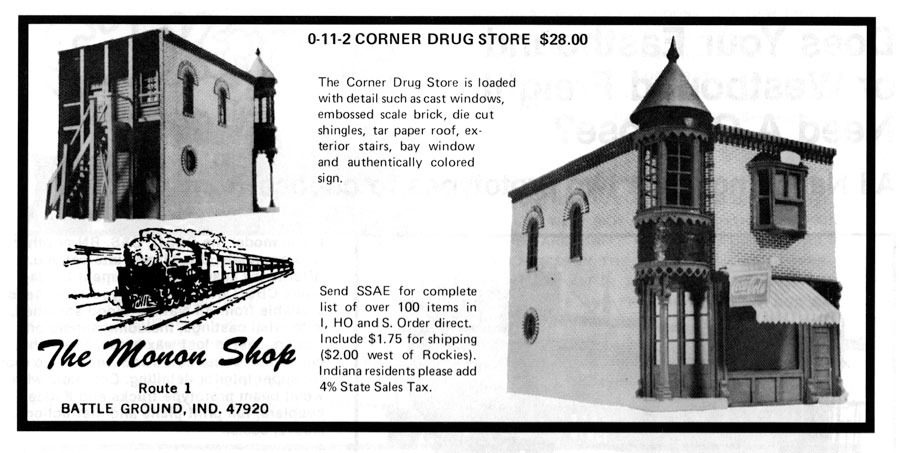
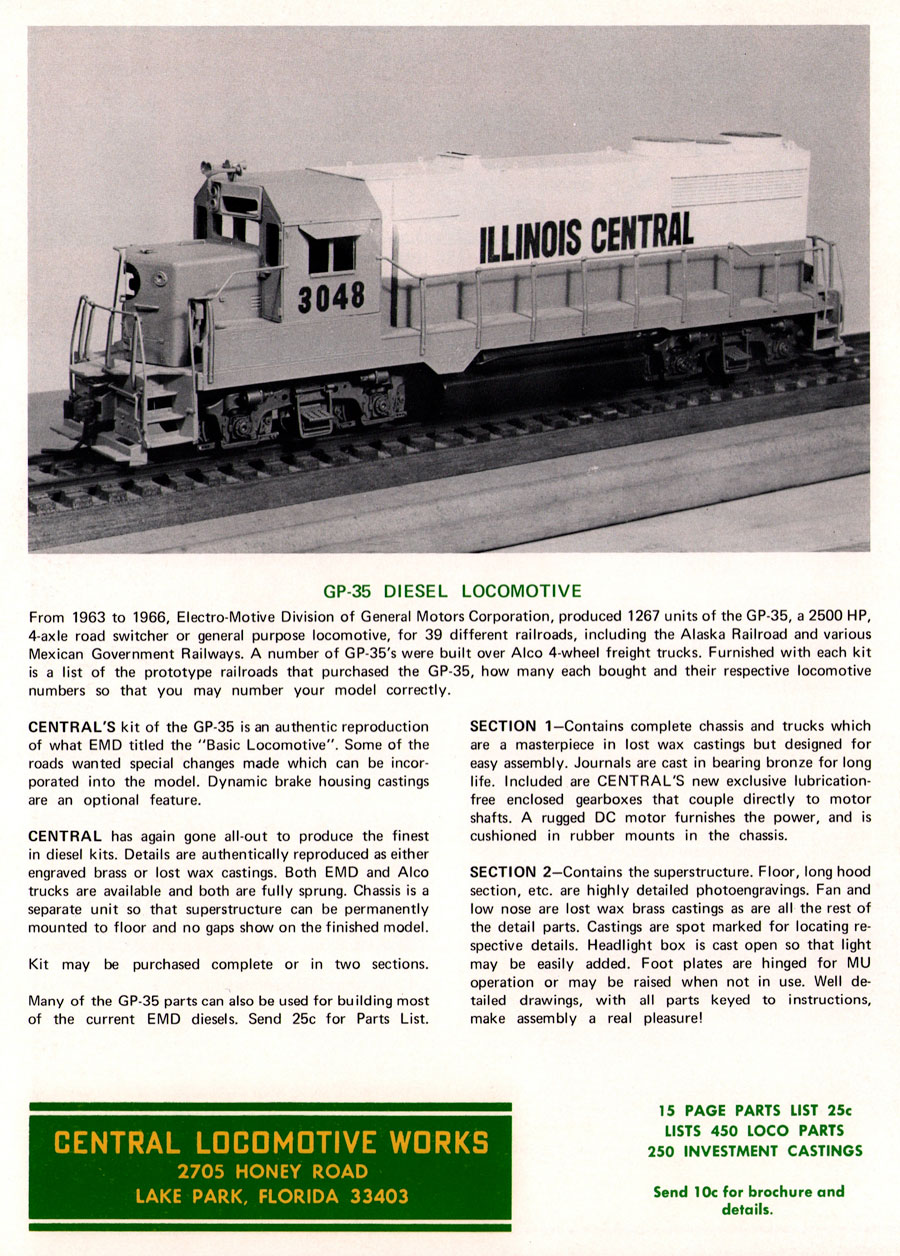
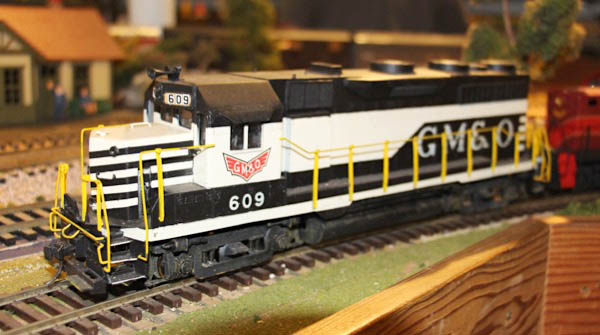
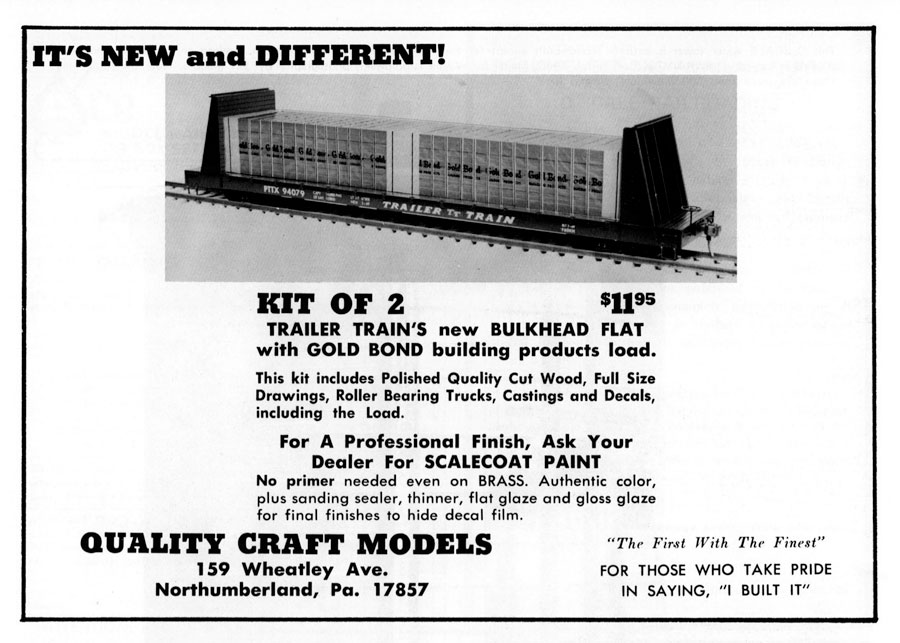
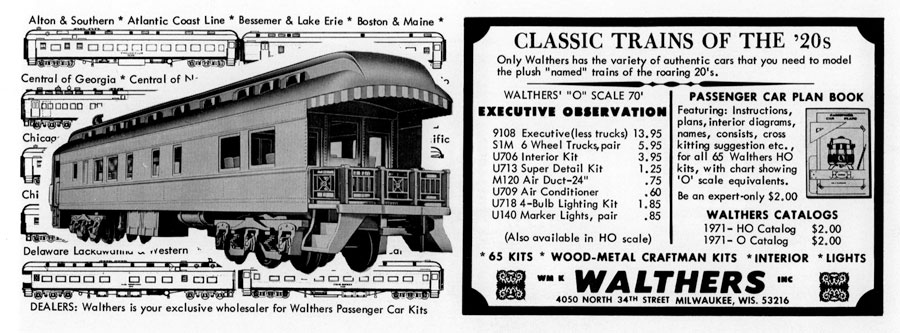
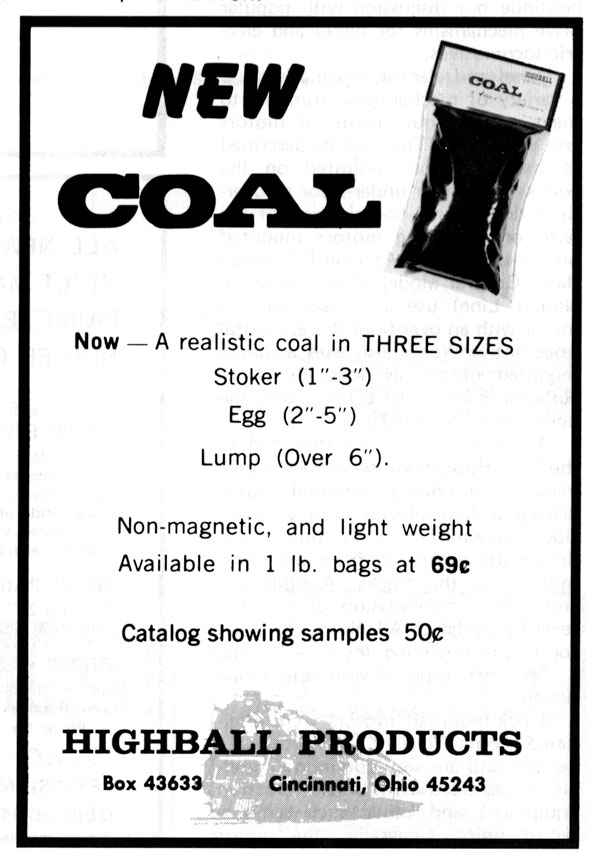
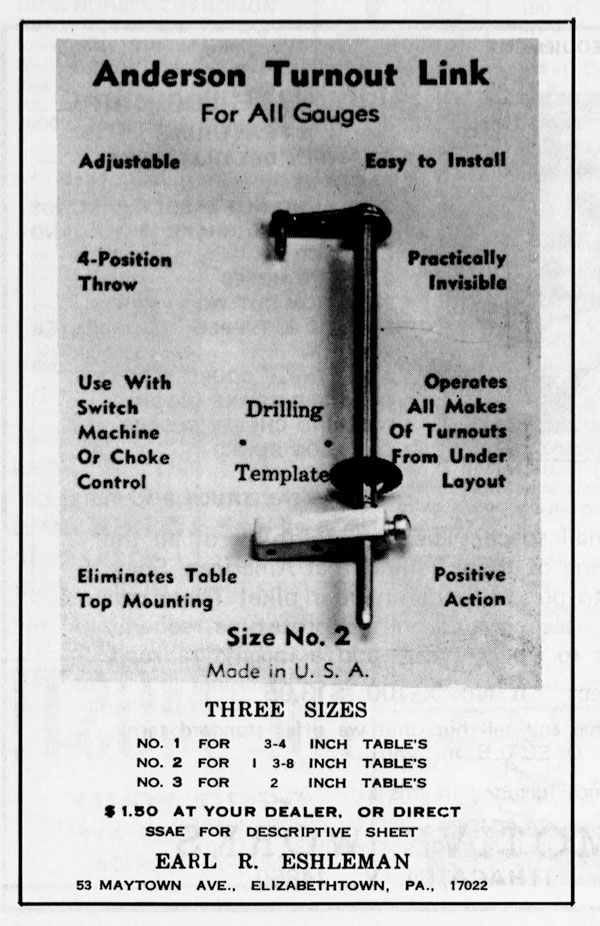
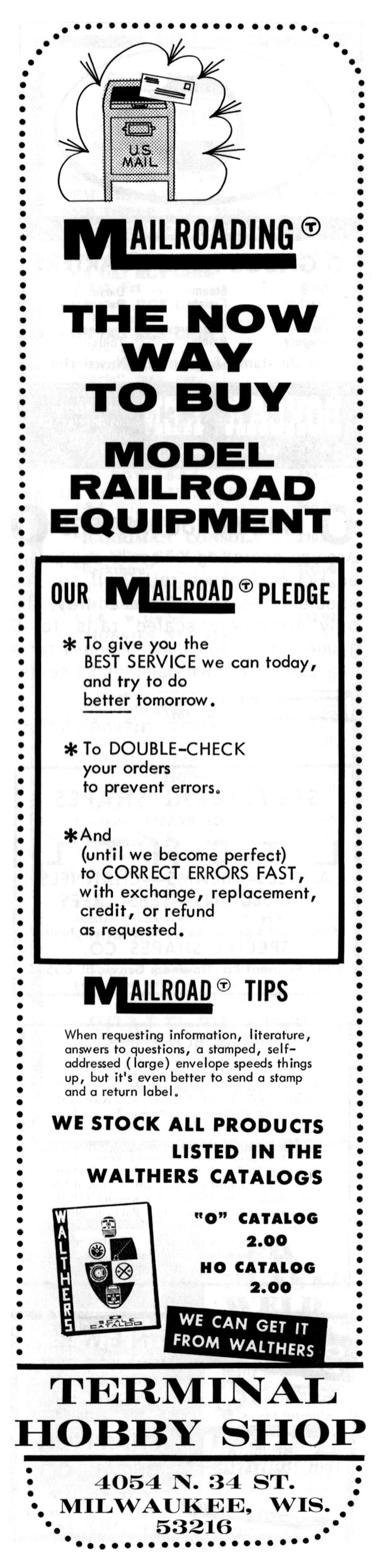
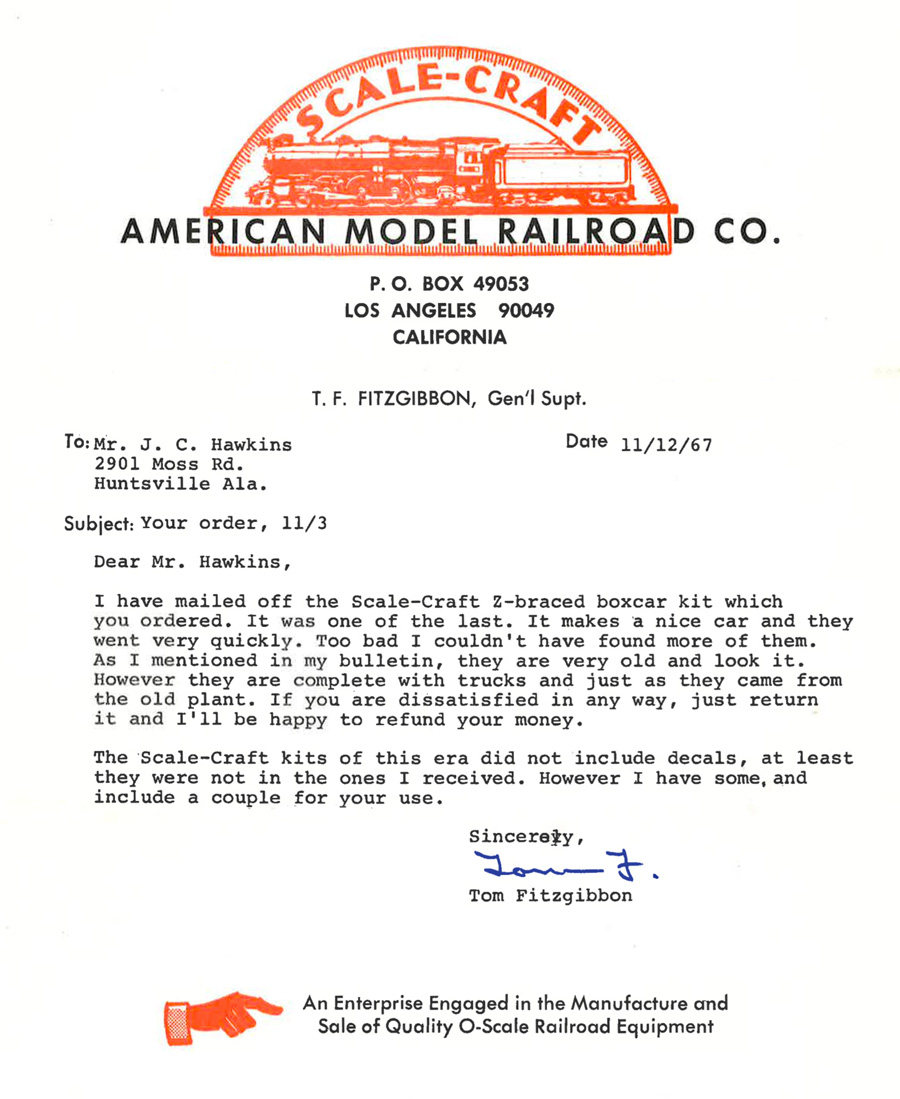
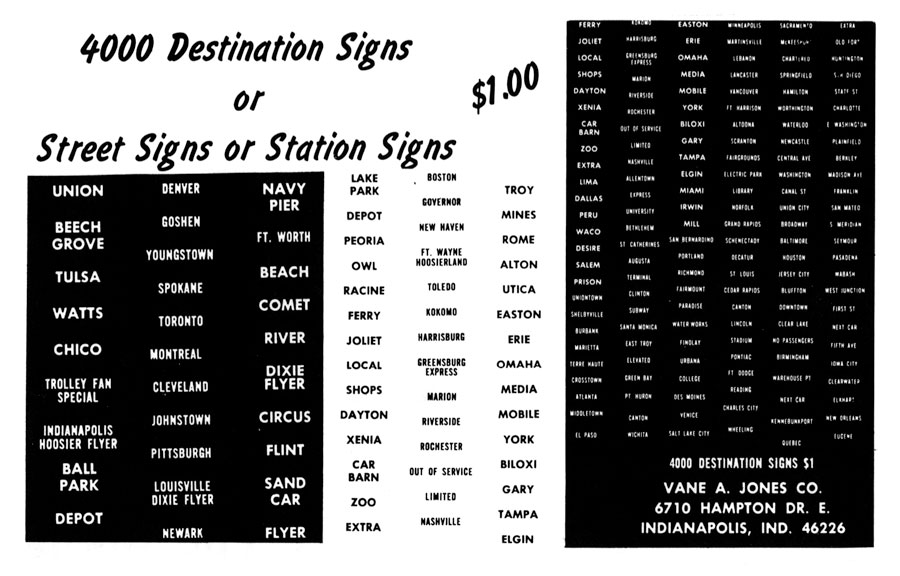
all advertisement clippings above from O Scale Magazine / collection
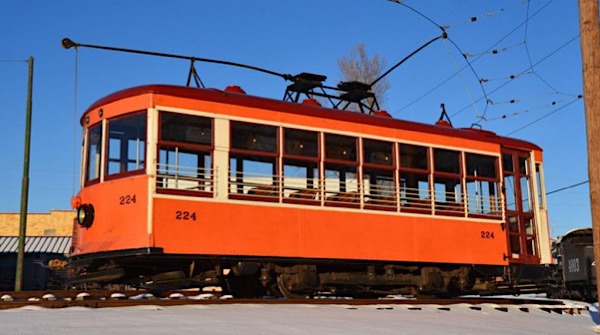
Streetcar Sketches
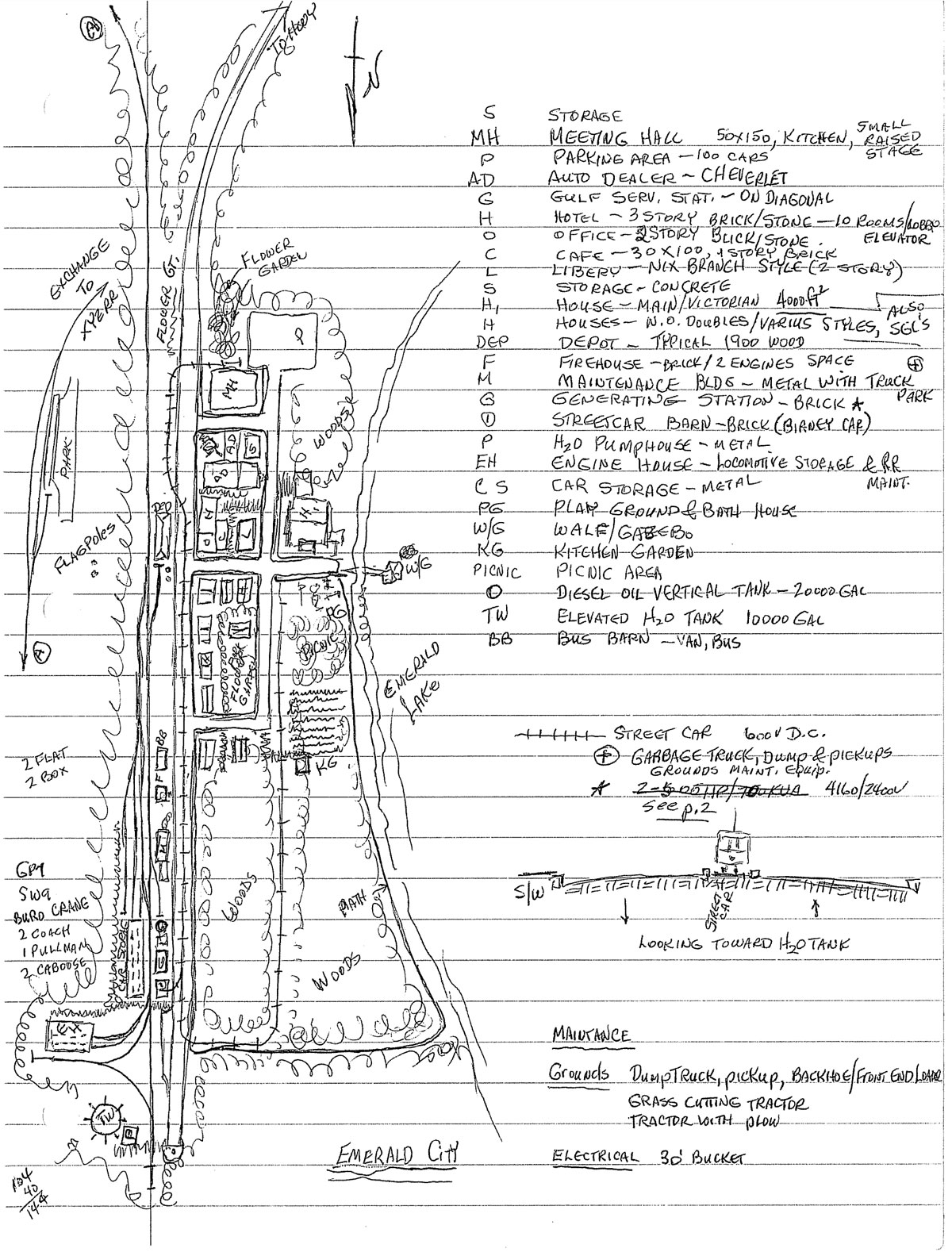
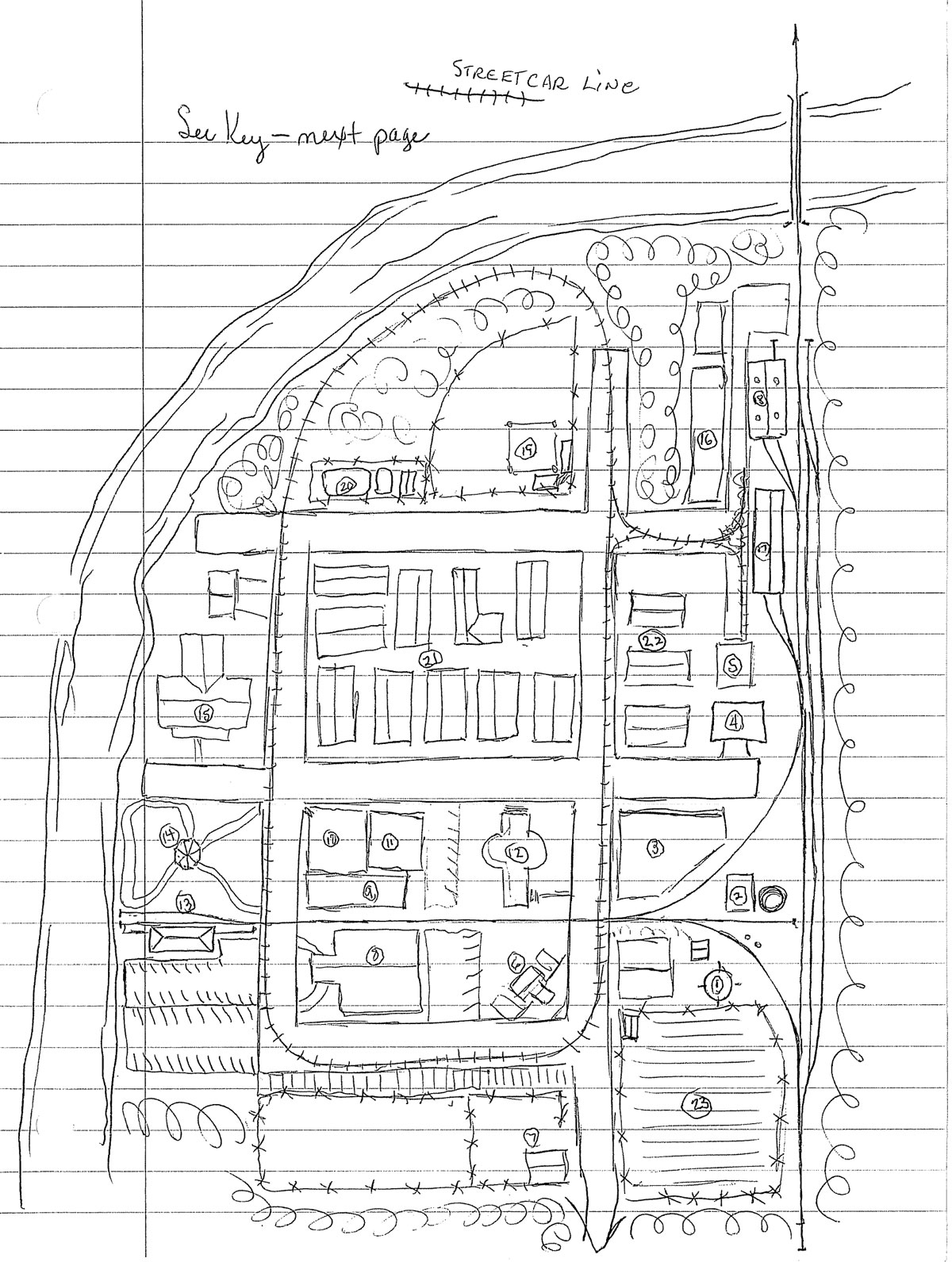
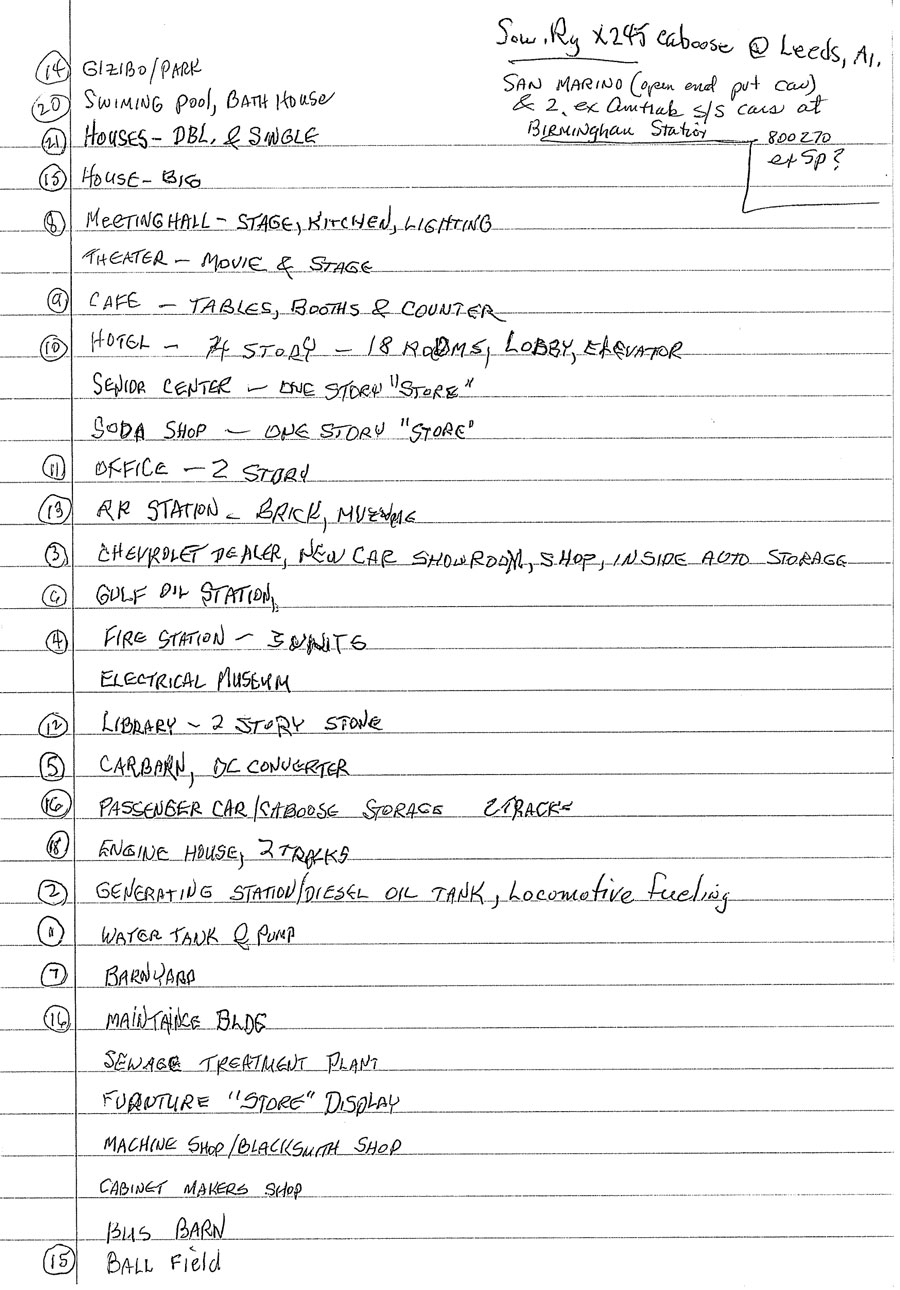
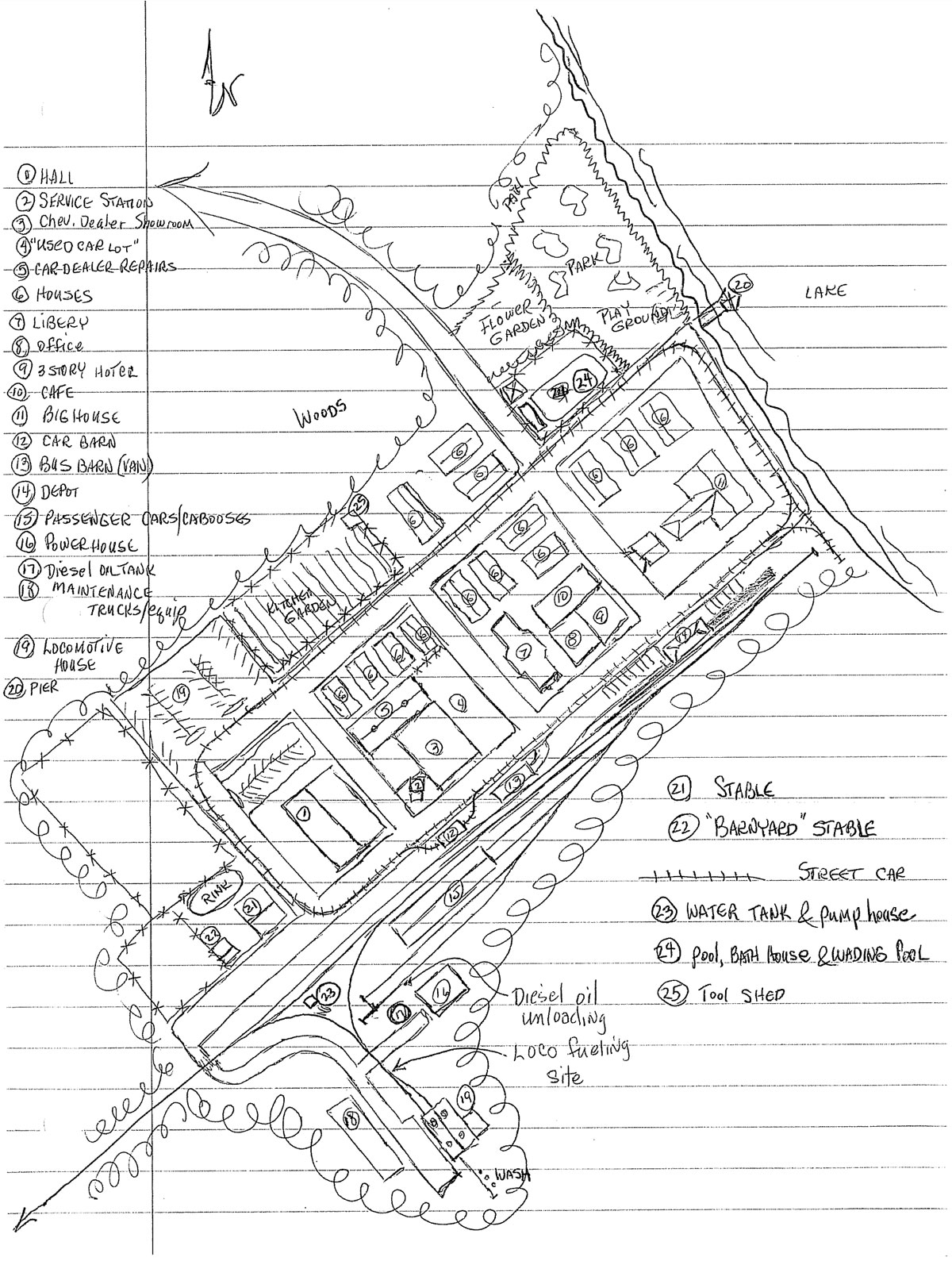
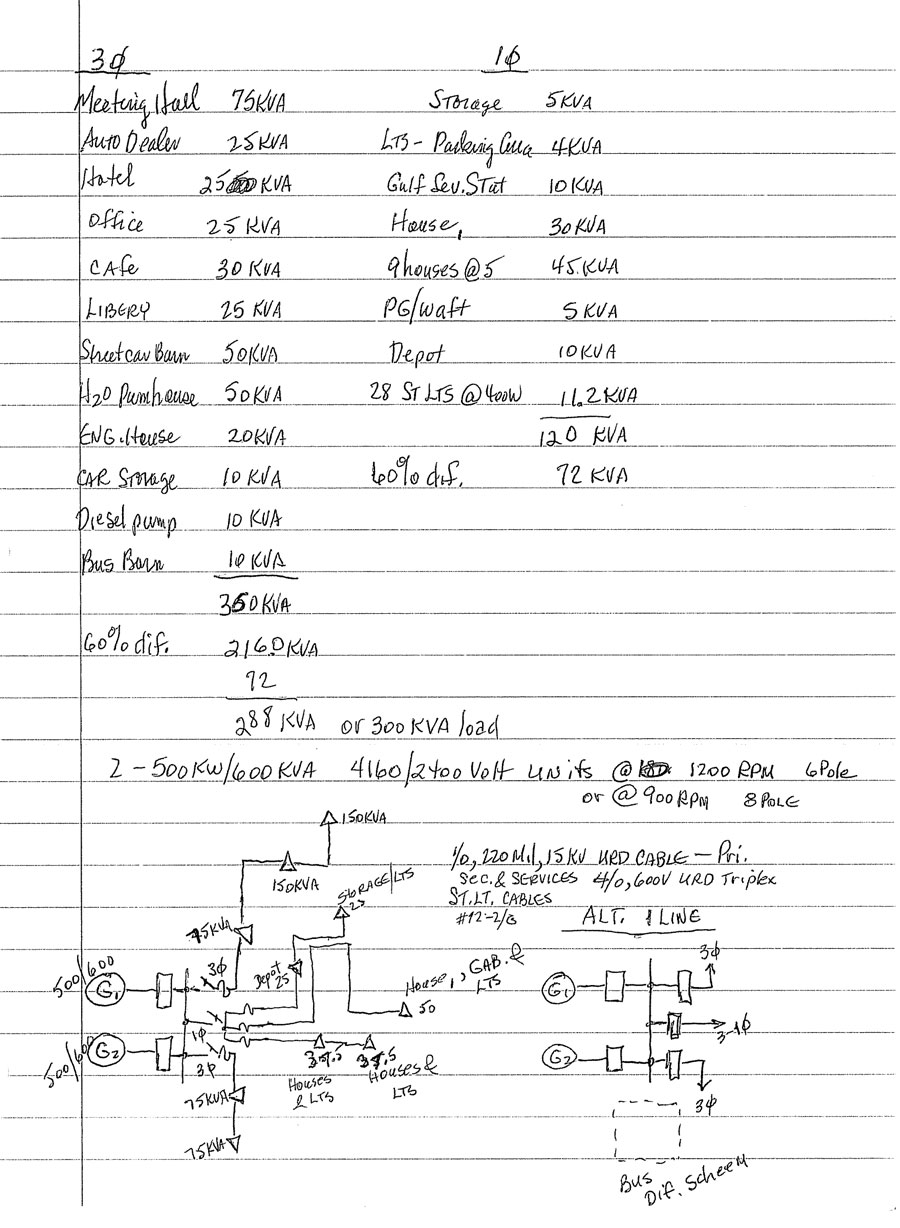
JCH notes