 |
Amtrak Great Stations Kansas City |

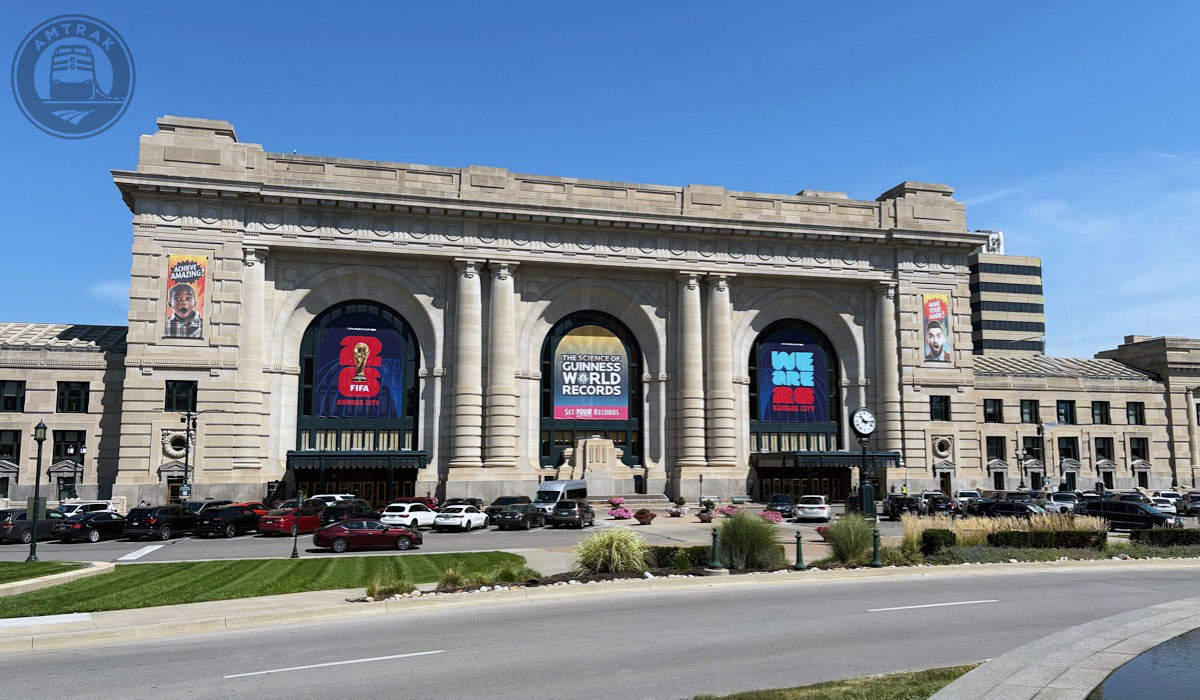
Kansas City, Mo / Aug 2025 / ETH
Kansas City Union Station
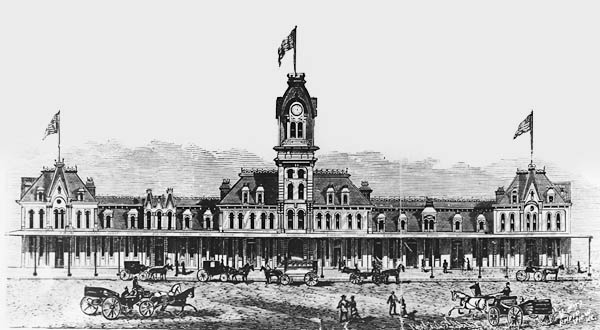
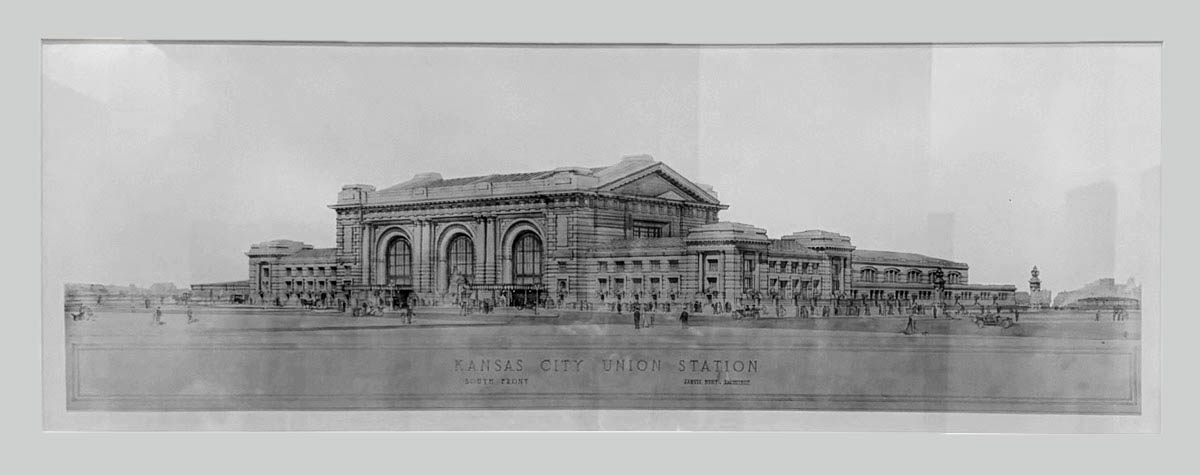
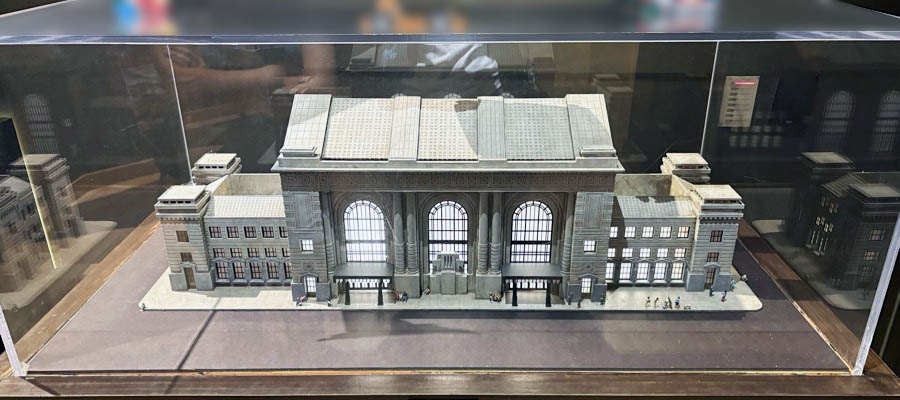
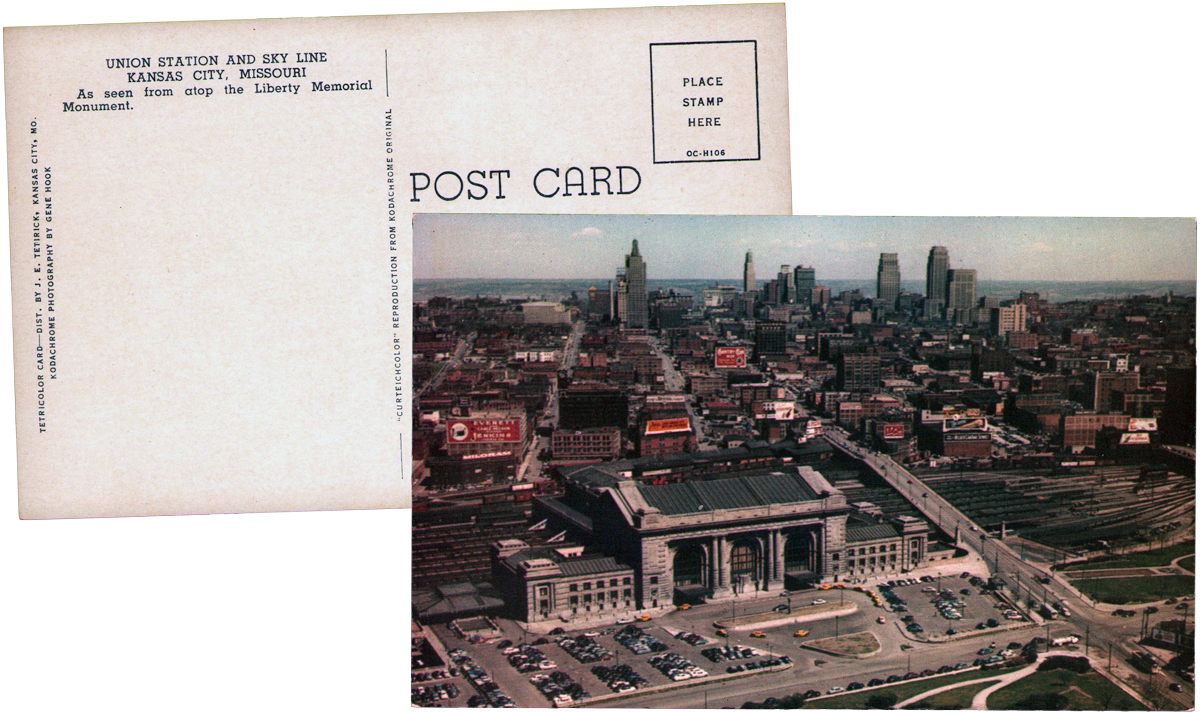
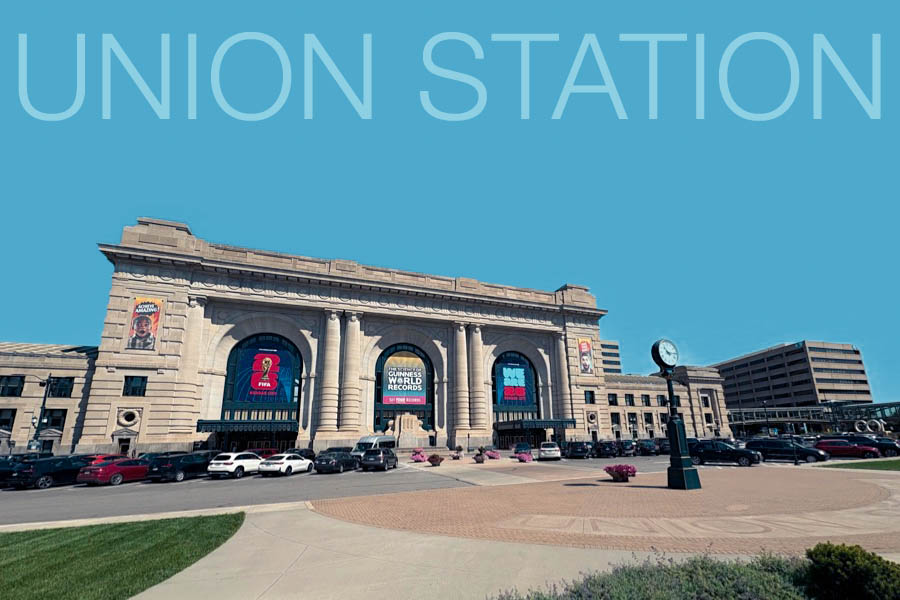
 The Kansas City Terminal Railway, a company formed by the twelve railroads serving the city, built the limestone and granite Kansas City Union Station that we see today. Excavation began in 1911; and on October 30, 1914, Kansas City Union Station opened as the third-largest train station in the country. Designed in the grand Beaux-Arts style, it reflected the city’s status as major Midwestern metropolis and a significant passenger and freight rail hub with links to all parts of the nation. The building replaced the original Union Depot in the city’s West Bottoms area, which was demolished after a 1903 flood inundated it, thereby convincing city leaders to rebuild on higher ground.
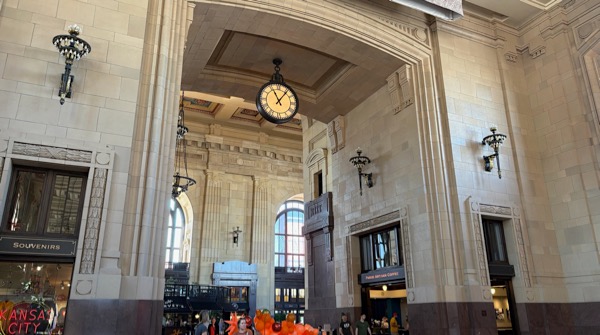
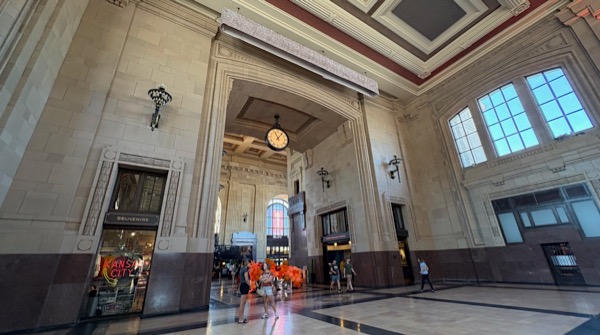
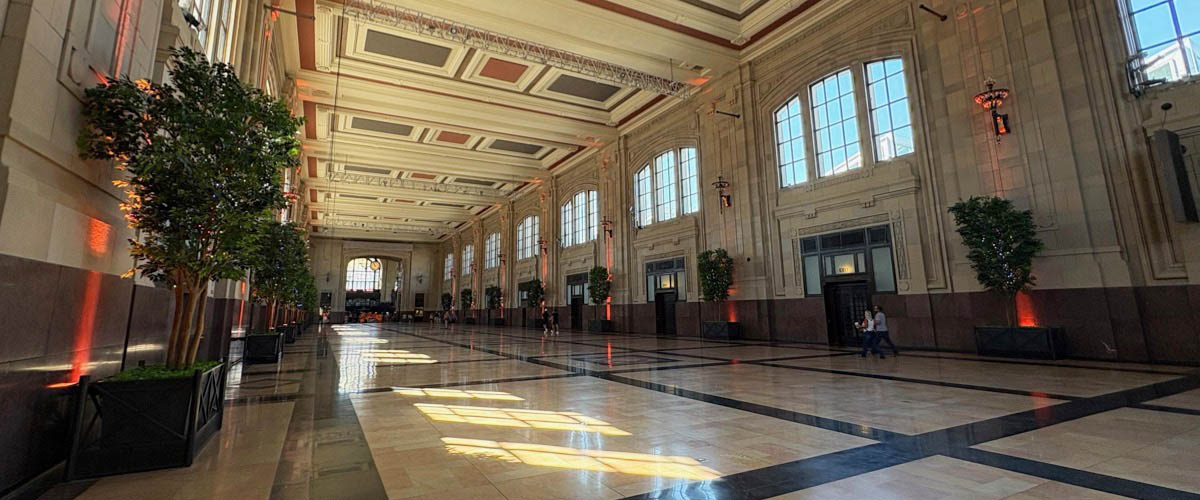
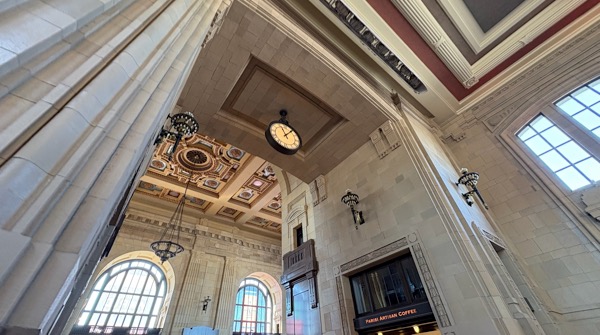
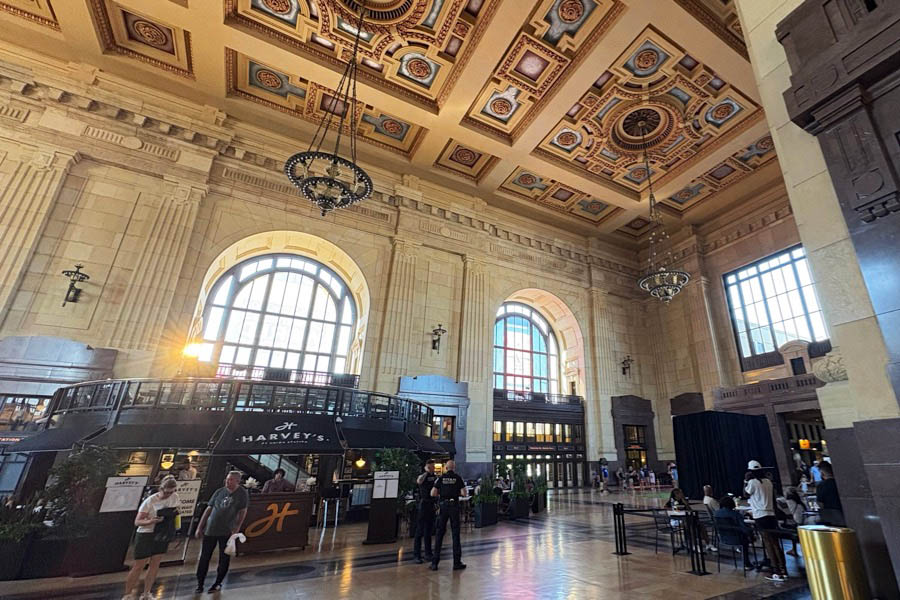
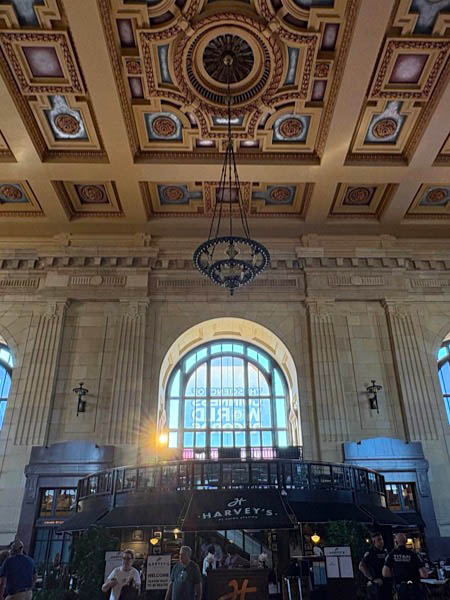
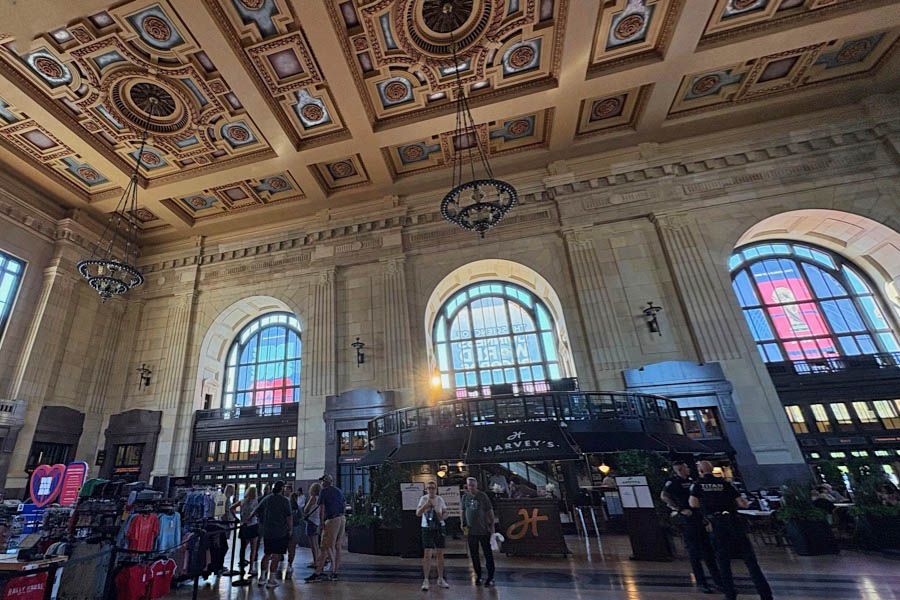
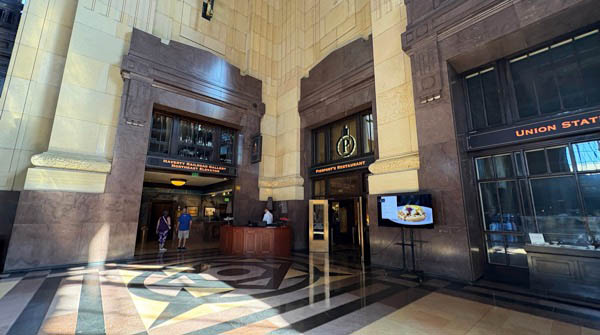
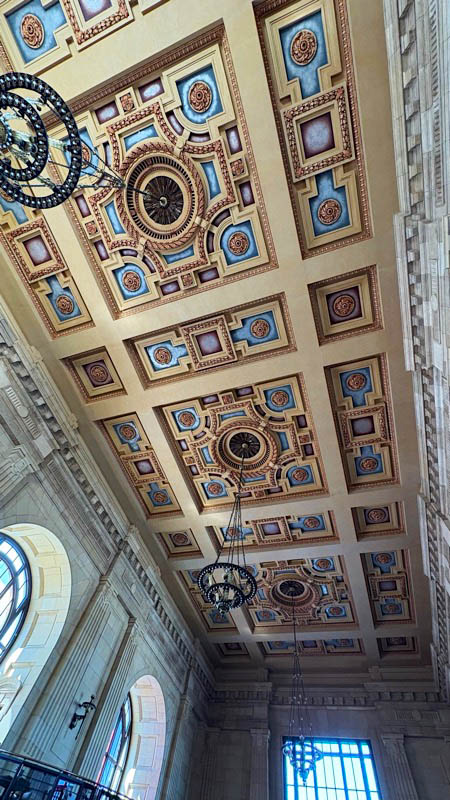
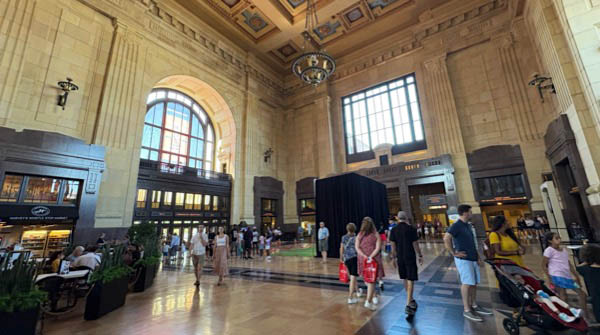
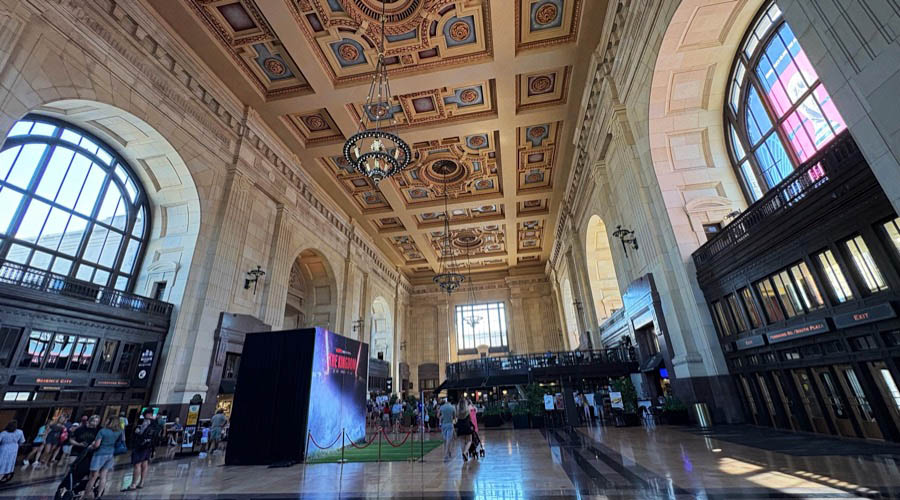
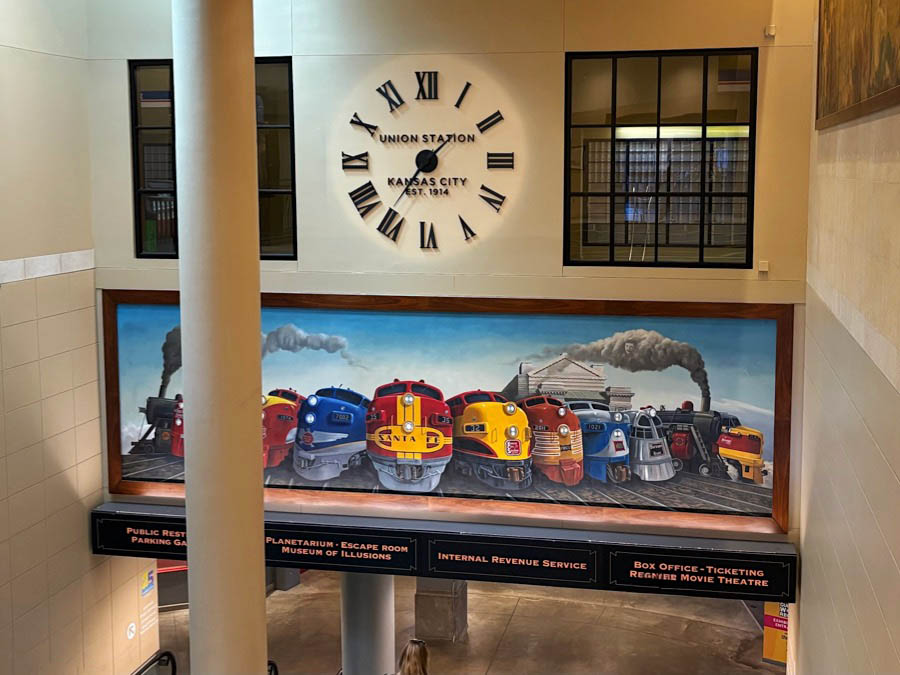
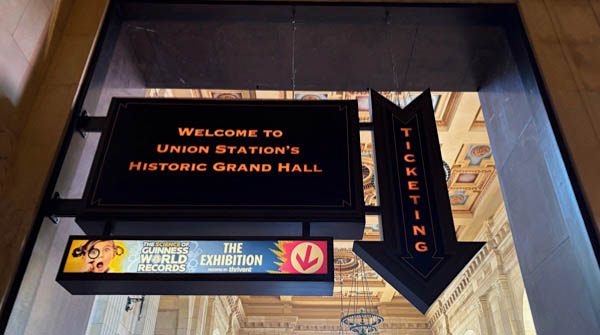
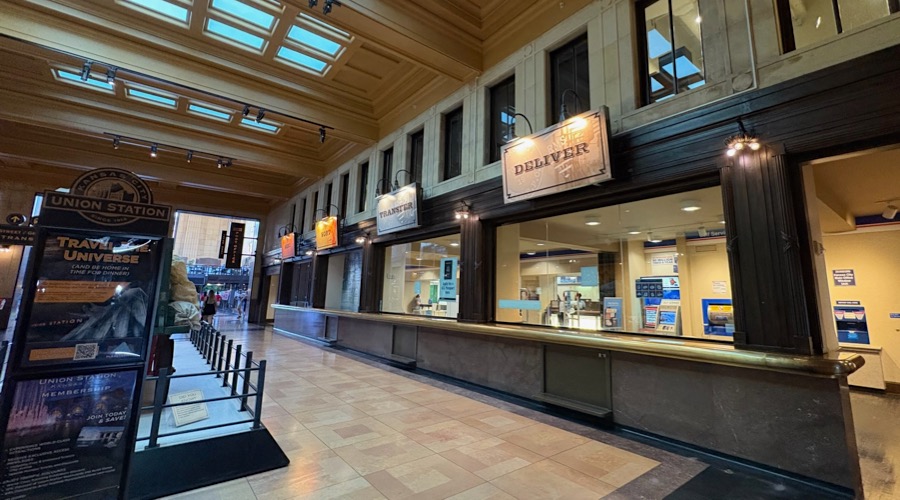
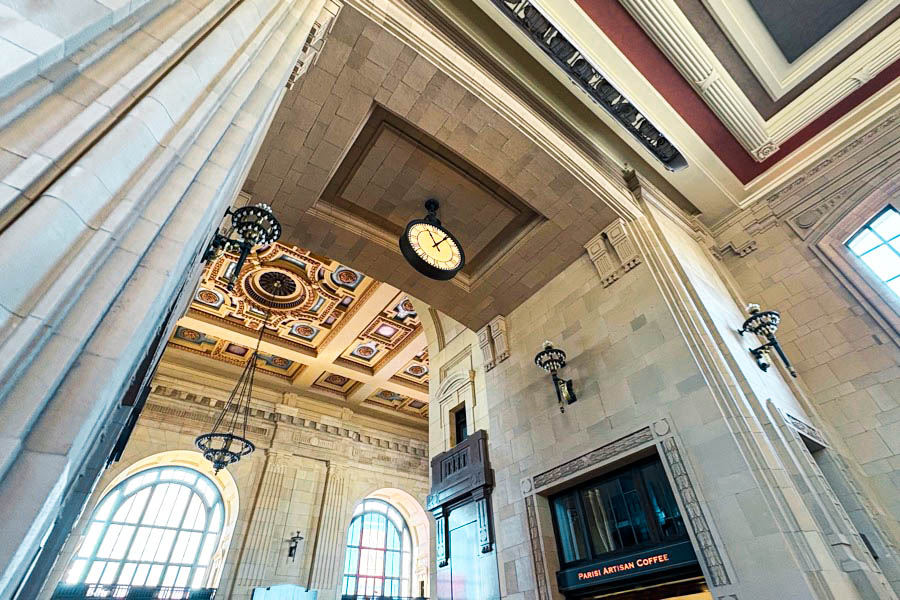
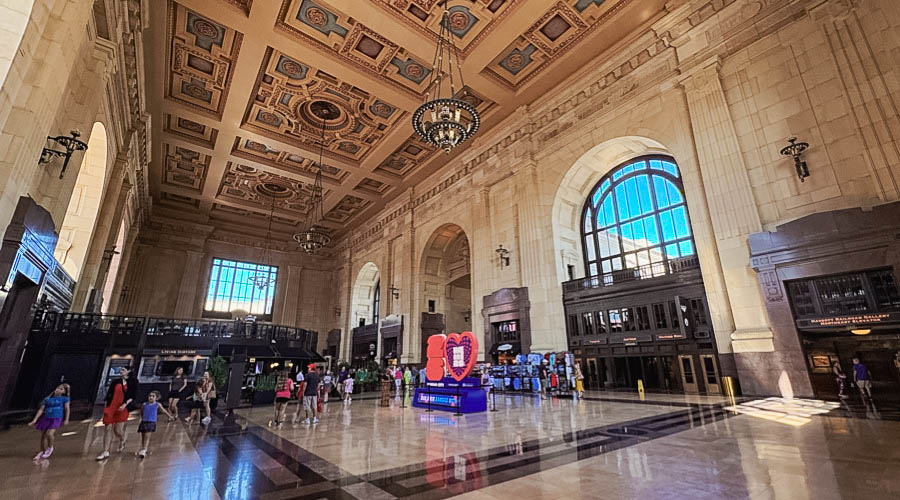
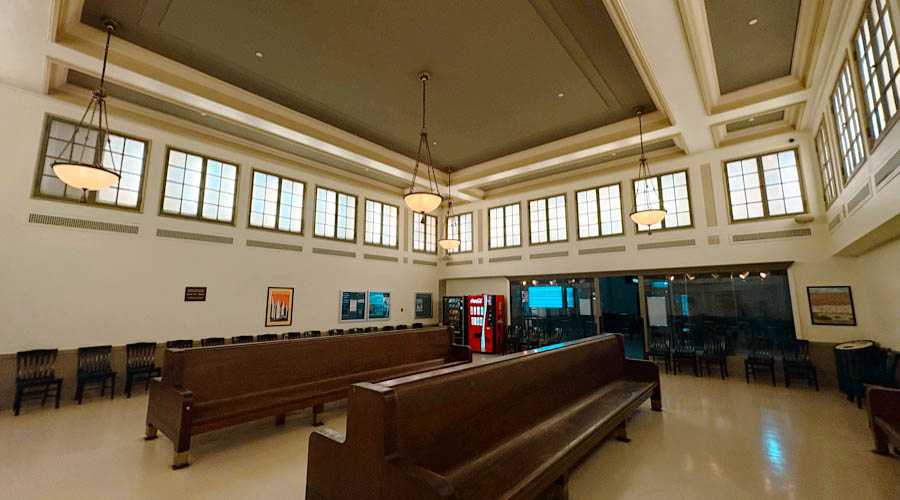
Union Station encompasses 850,000 square feet of space and originally had 900 rooms on 10 levels. The Grand Hall was intended for ticketing, while the North Waiting Hall, extending perpendicularly from the Main Hall and over the railway tracks, served as a passenger waiting area. The ceiling in the Grand Hall soars 95 feet high and from it hang three glittering chandeliers, each weighing 3,500 lbs. A six-foot-high clock hangs from the ceiling at the nexus of the Grand and North Halls. The North Waiting Hall, with its 65-foot ceiling, can contain an assemblage of 10,000 people.
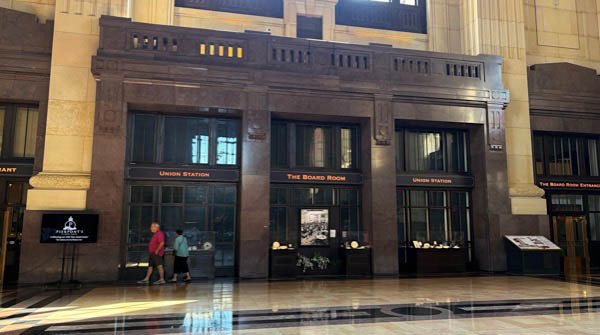
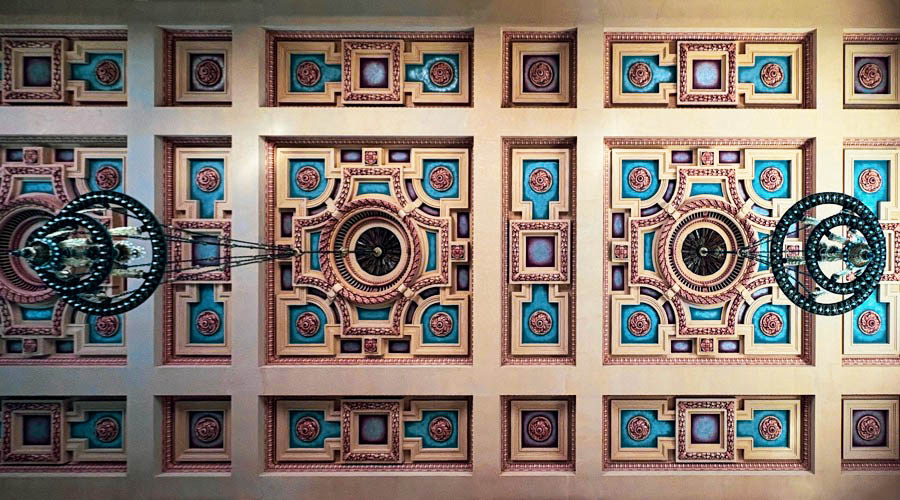
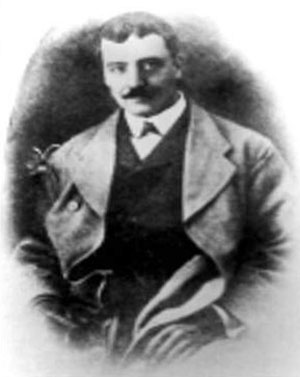 Designed by Chicago architect Jarvis Hunt, a proponent of the City Beautiful movement, the station features a coffered ceiling in the Grand Hall, rose-brown marble floors throughout the main areas, and both light and dark stone facings on the interior walls. Three enormous, deep-set arches mark the facade, rendering the Grand Hall light and airy. More arched windows similarly light the North Hall.
Through a strong regional initiative, Kansas City Union Station has been revived from a sad state of dilapidation in the mid-twentieth century. At one time in 1917, as many as 300 trains passed through this station; traffic peaked at 79,368 trains that year. In 1945, annual passenger traffic at Kansas City Union Station peaked at 678,363; but by 1973, with the increase of automotive traffic on the interstate highway system, only 38,842 passengers passed through the station, with only six trains a day.
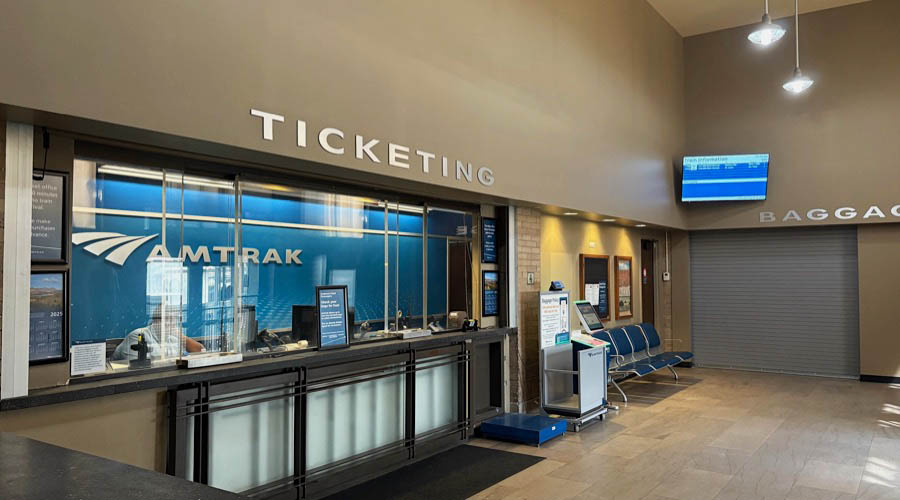
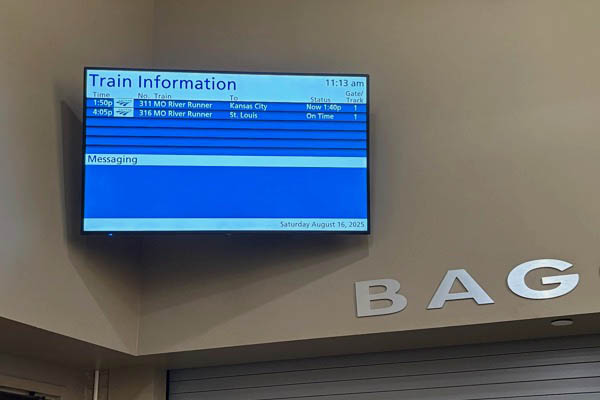
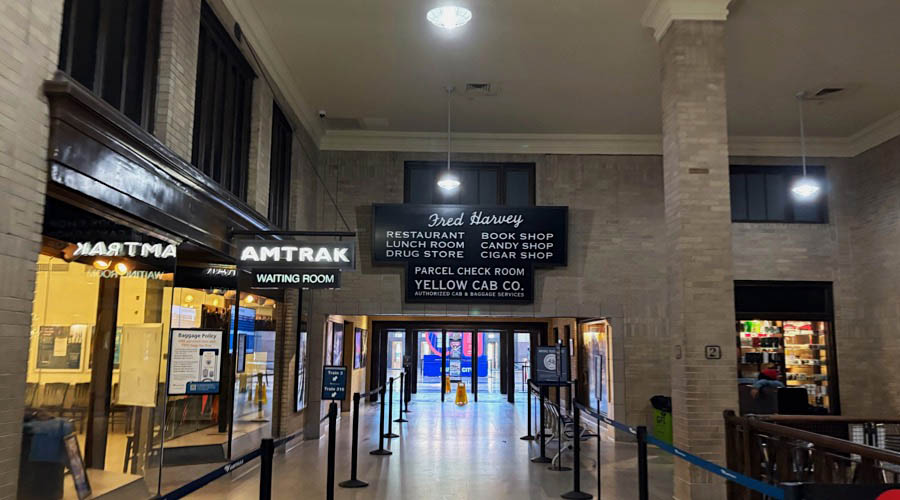
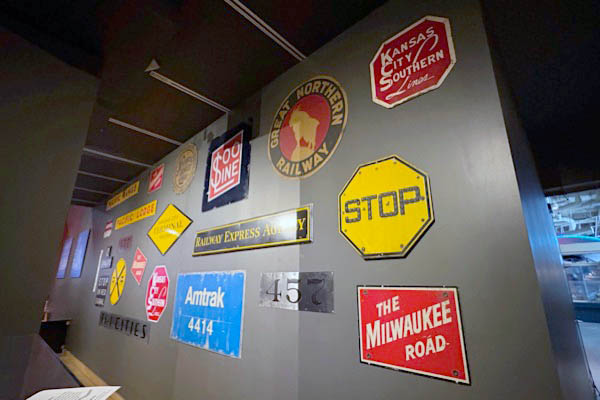
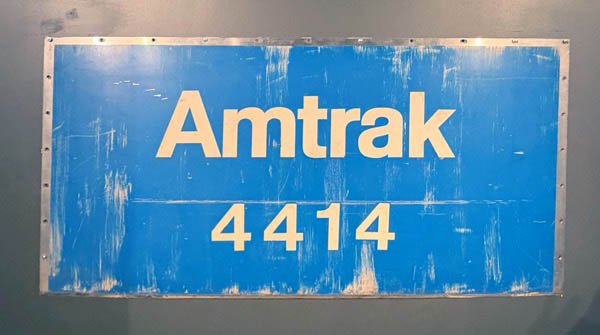
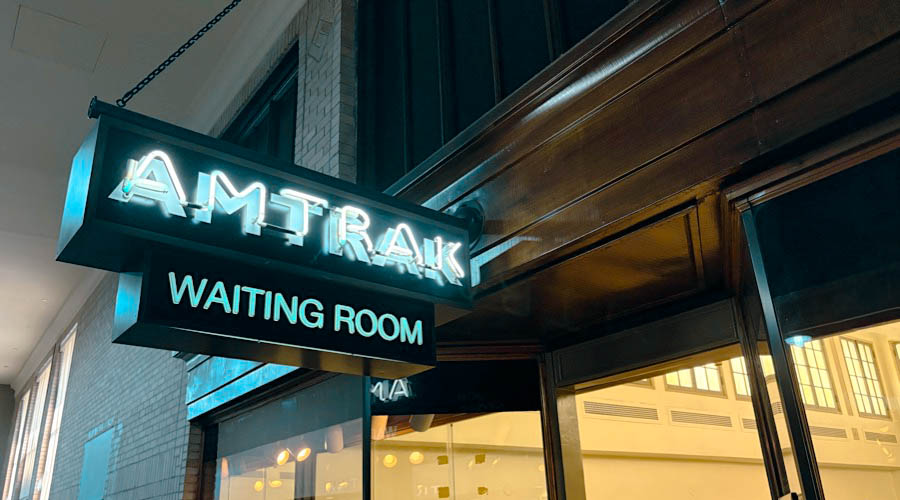
 In 1971, newly-formed Amtrak took over operation of most of the nation’s intercity passenger rail services, including those using Kansas City Union Station. Amtrak would vacate the station in 1985, when it moved to a smaller nearby structure in a cost-saving move. Nonetheless, Kansas City Union Station’s rich history and structural and design integrity were recognized when it was listed in the National Register of Historic Places in 1972.
 In 1996, residents in five adjacent counties in both Missouri and Kansas approved a 1/8 cent sales tax, part of which funded half of the $250-million restoration project. More funding was also provided by private foundations as well as state and federal grants. Renovations were completed by November, 1999. The Kansas City Museum, as Science City, was a major participant in the restoration. The new science museum occupies the space left by the old train sheds next to the North Waiting Hall.
 The new construction faced many challenges, including providing modern spaces and identity for Science City and yet maintaining the terminal’s integrity, as well as keeping within budget. This challenge was undertaken by a joint venture architectural team of Ehrenkrantz Eckstut & Kuhn of New York and SmithGroup of Washington, D.C. The architects remained true to Hunt’s original vision. Indeed, the restoration team went to great lengths to match colors, shapes and styles of the original plaster and marble. They managed to do this with extensive initial investigation, resulting in a significant cost savings.
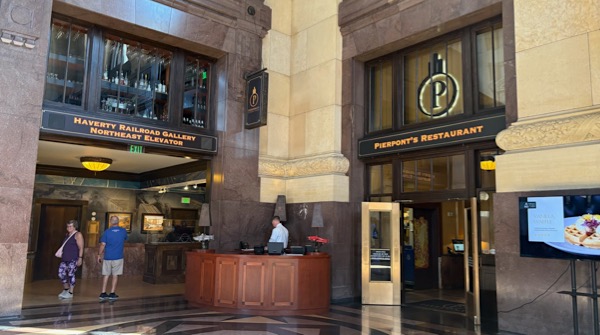
Today, Kansas City Union Station provides not only intermodal transportation options, but also serves as a destination in itself, with the large interactive science museum, rail exhibit, Irish museum, five-story Regnier Extreme Screen theater and Gottlieb Planetarium, the Block theater, as well as restaurants, shops and event spaces. Kansas City Union Station is largely self-supporting due to its various partnerships, making it a model for other station rehabilitation projects.
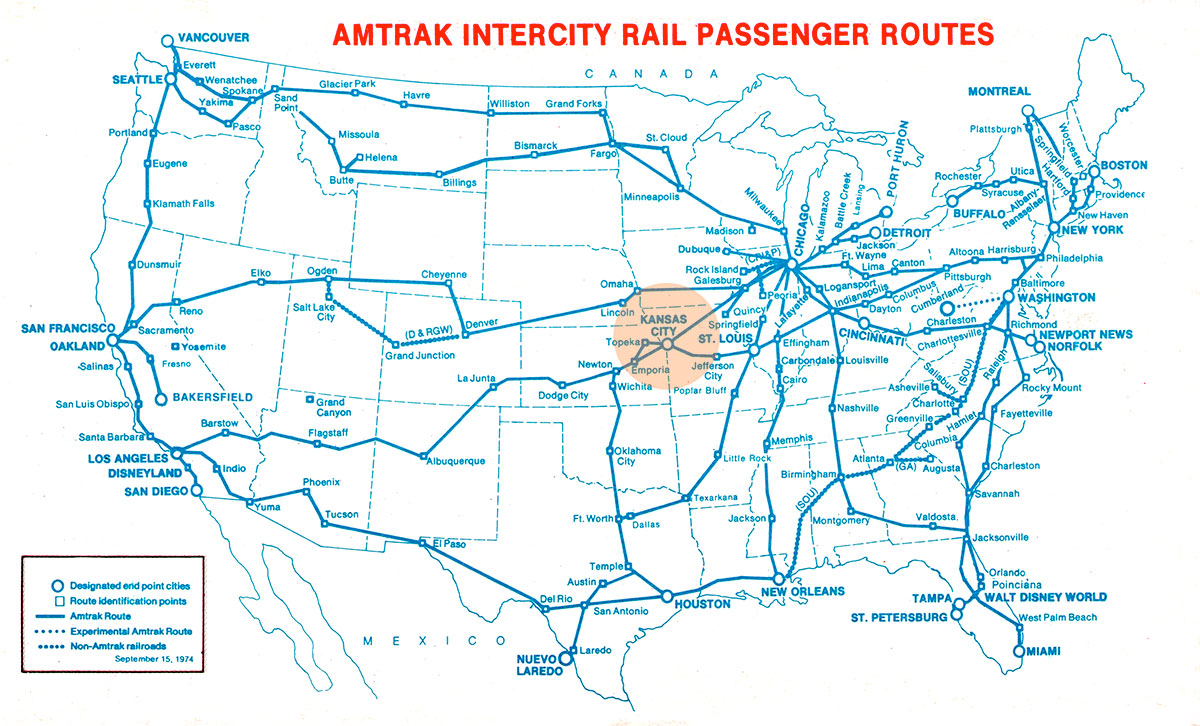
1974 Amtrak system map / collection
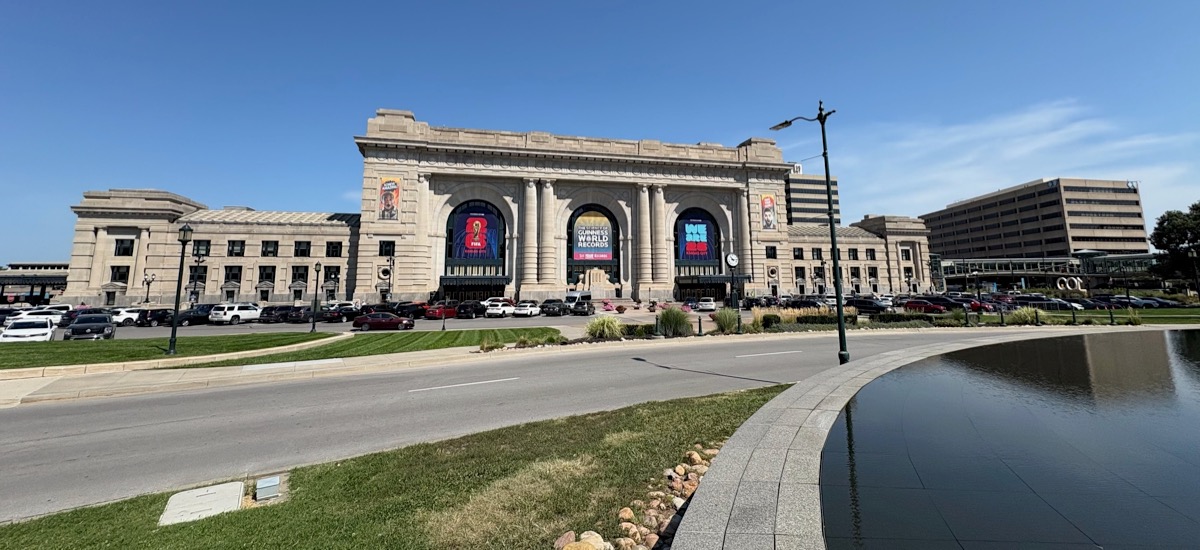
Kansas City, Mo / Aug 2025 / ETH

Click to see Kansas City Union Station plotted on a Google Maps page
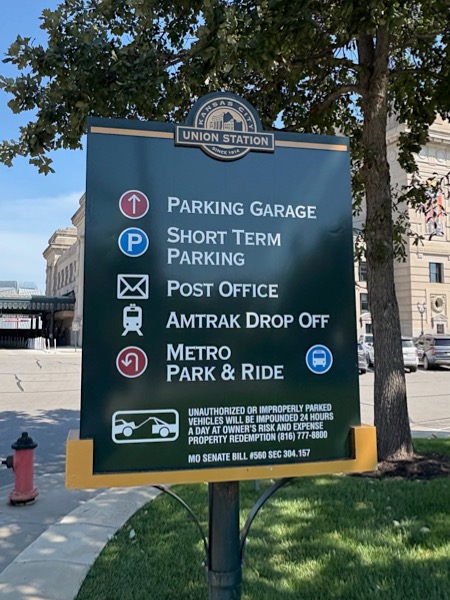
Aug 2025 / ETH
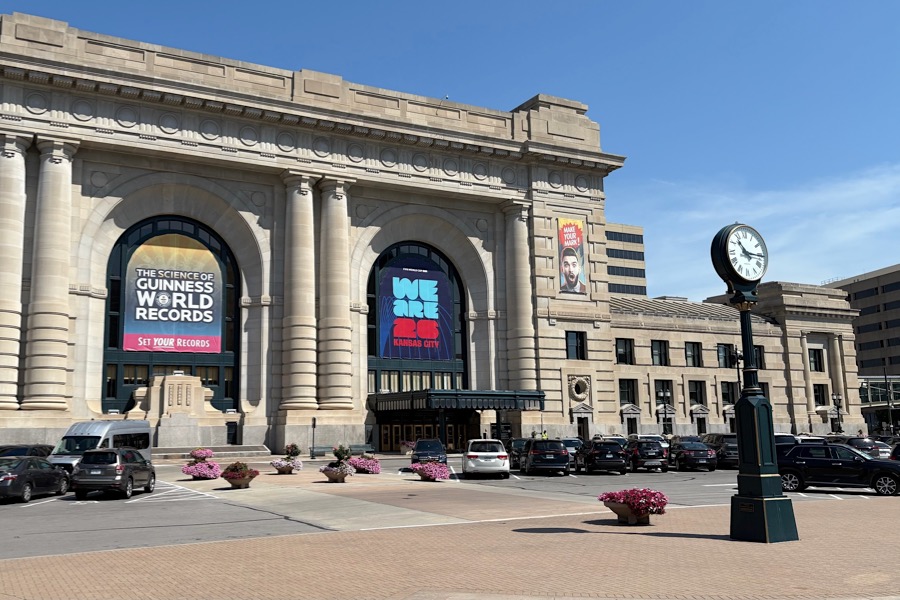
Kansas City, Mo / Aug 2025 / ETH
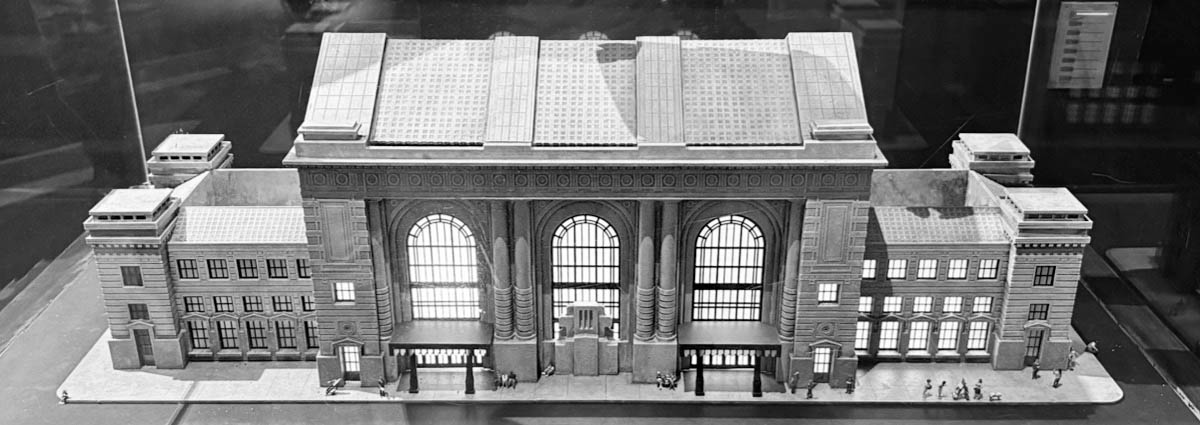
Aug 2025 / ETH

Kansas City
- name:Union Station
- station code:KCY
- location:30 West Pershing Road, Kansas City
- owner:Union Station Kansas City, Inc.
- operators:Amtrak
- platforms:1 island platform
- tracks:4 tracks
- opened:Oct 1914, replaced Union Depot
- style:Beaux-Arts
- architect:Jarvis Hunt
- rebuilt:1997-99
- Nat Reg Historic Places:1972
- notes:
- 3rd largest train station in US when opened
- routes:
- Southwest Chief | Missouri River Runner
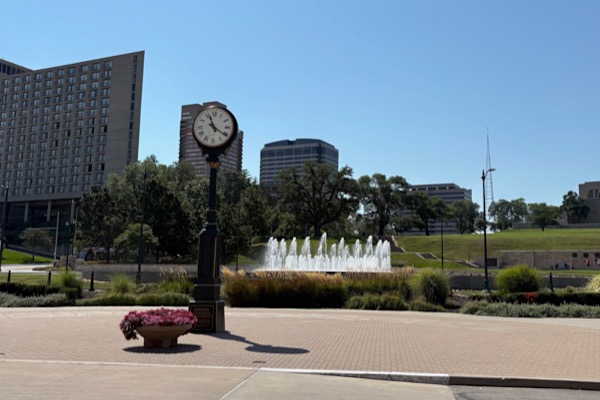
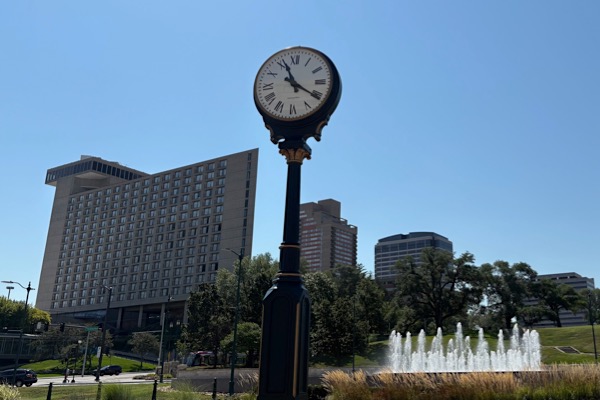
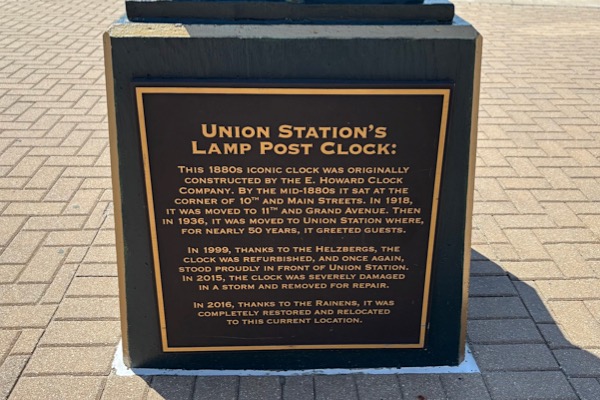
Aug 2025 / ETH

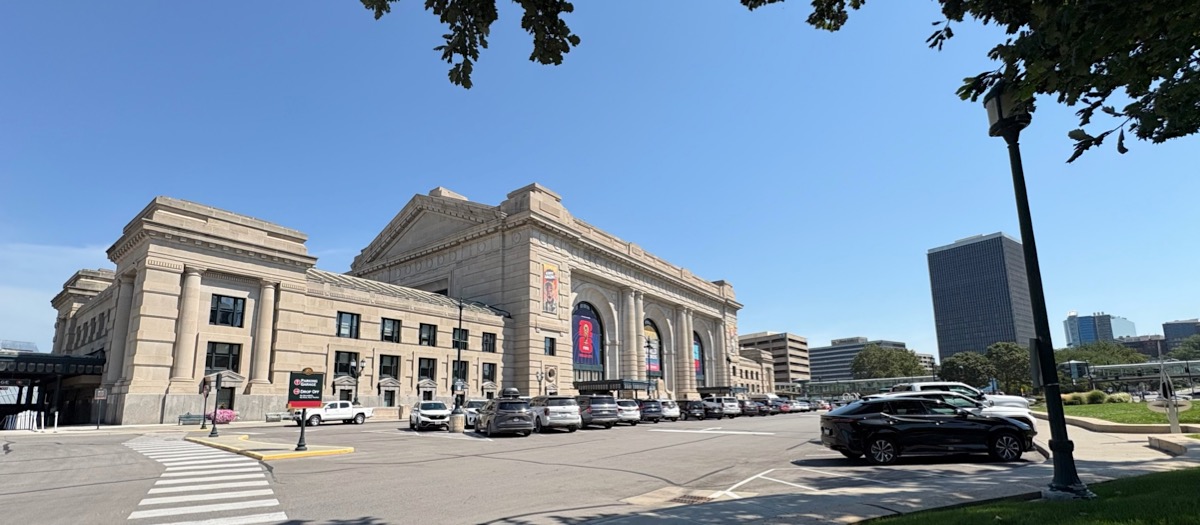
Kansas City, Mo / Aug 2025 / ETH
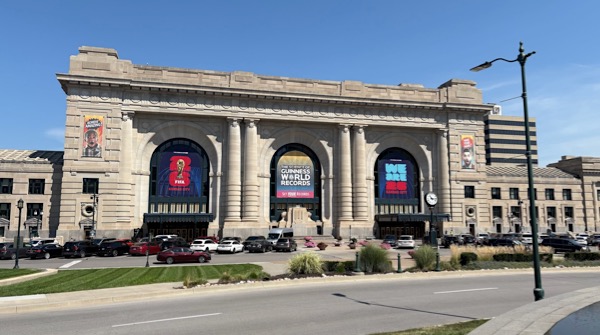
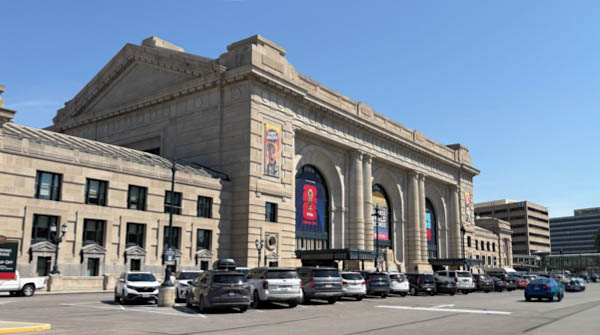
Aug 2025 / ETH
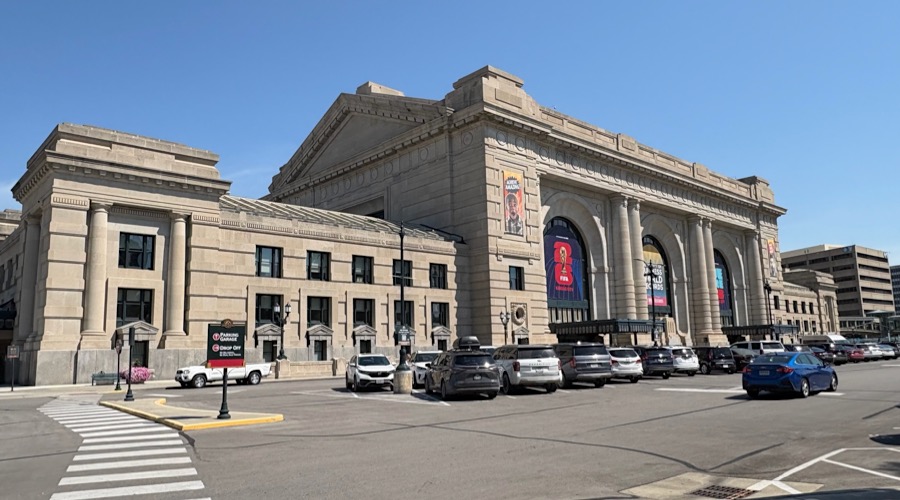
Kansas City, Mo / Aug 2025 / ETH

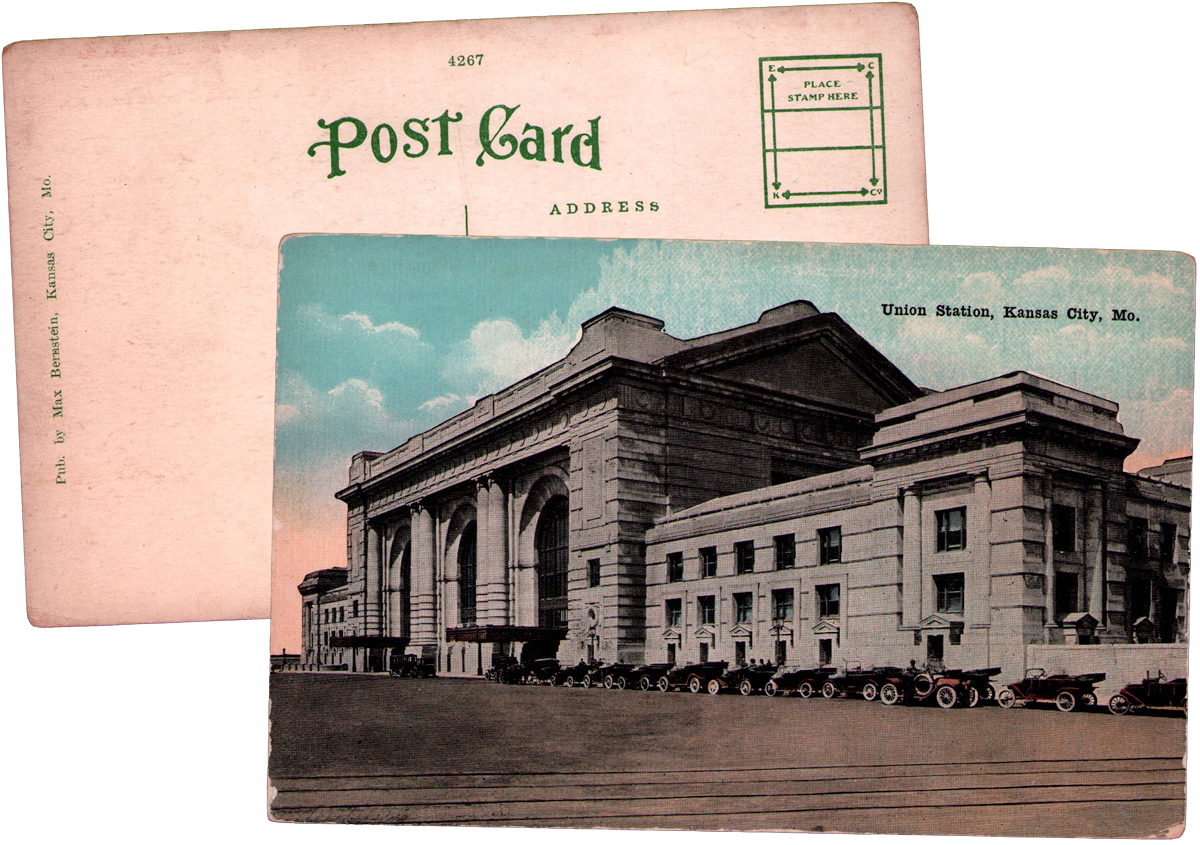
postcard / collection
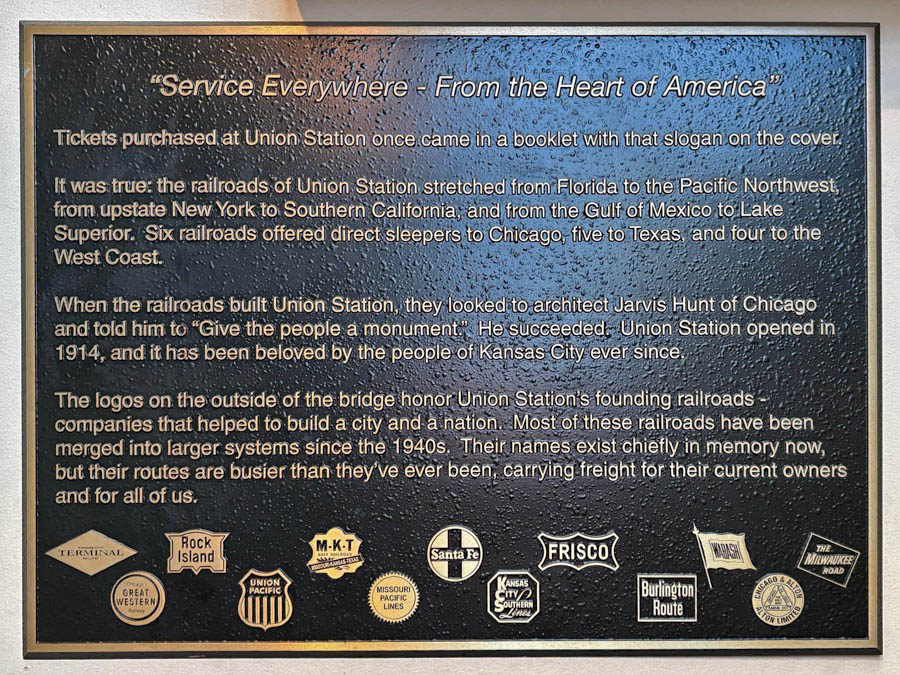
Aug 2025 / ETH
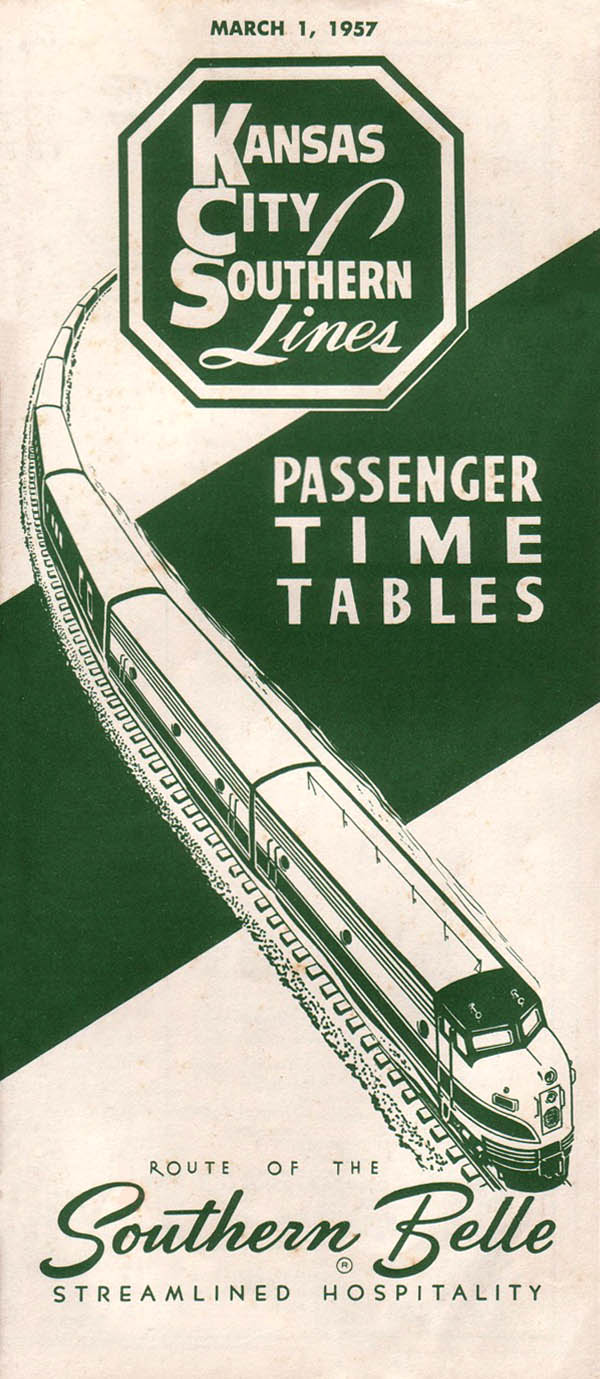
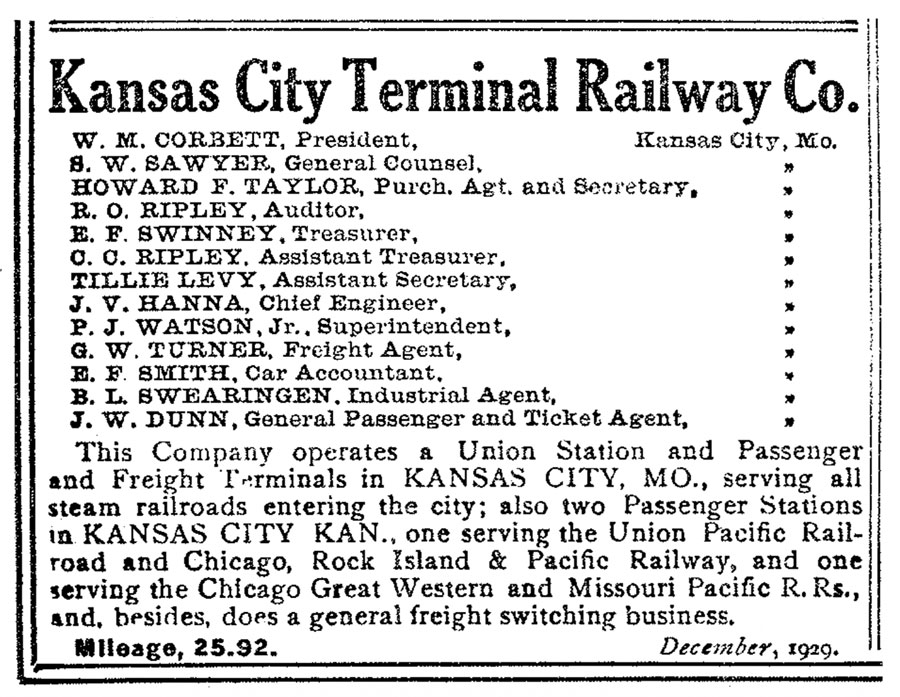
1930 Official Guide ad / collection


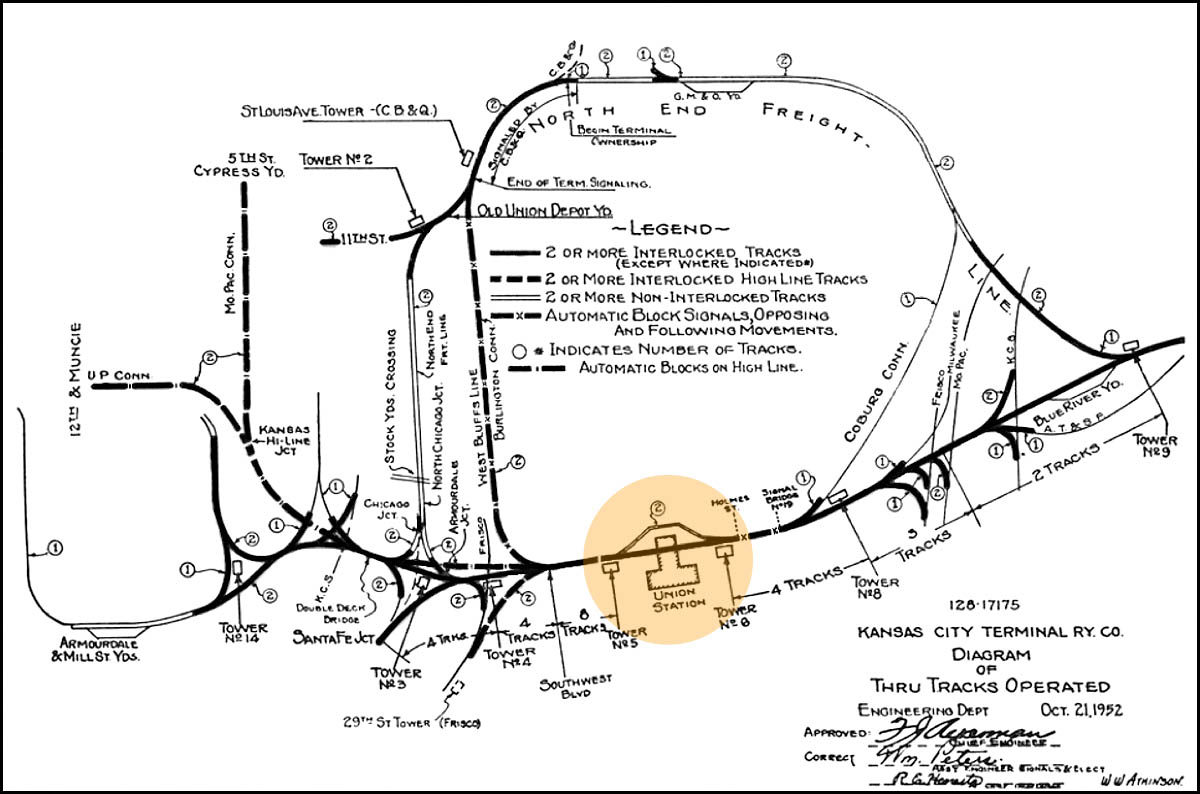
1952 KCT system map / collection
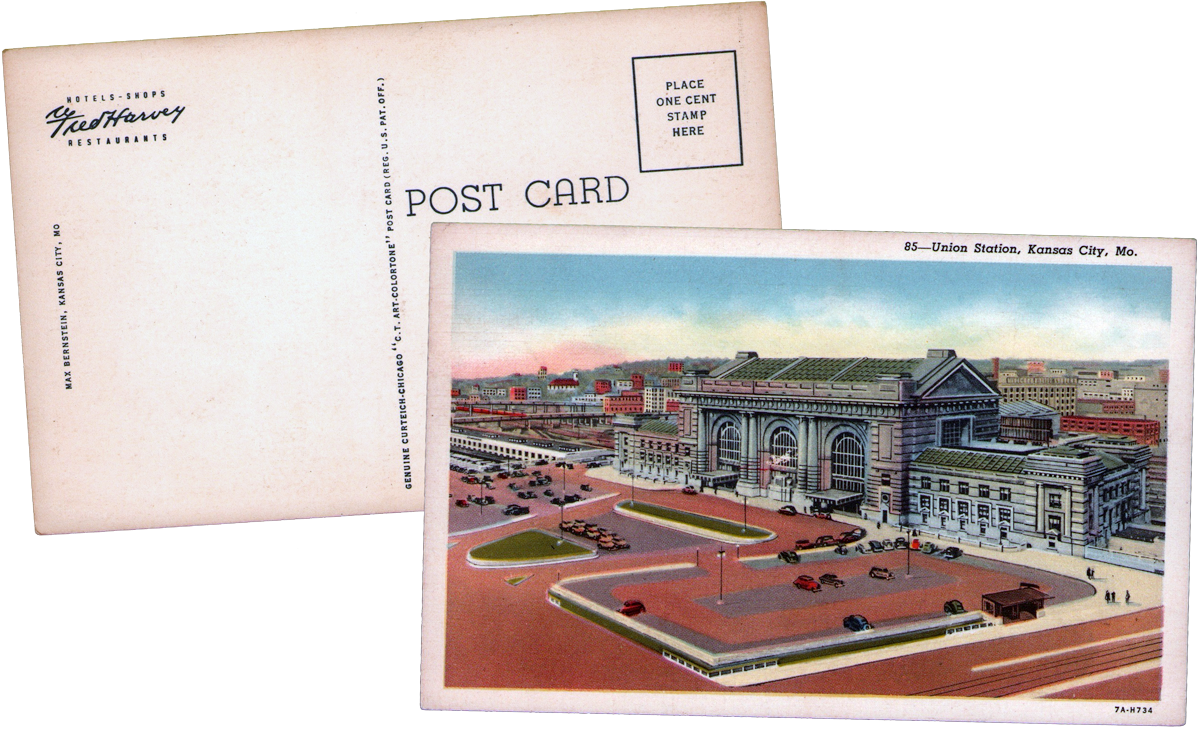
postcard / collection
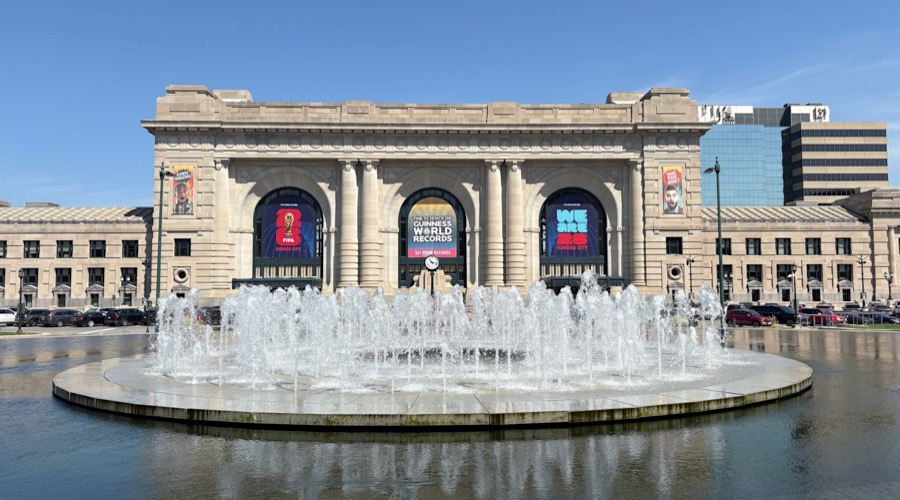
Kansas City, Mo / Aug 2025 / ETH
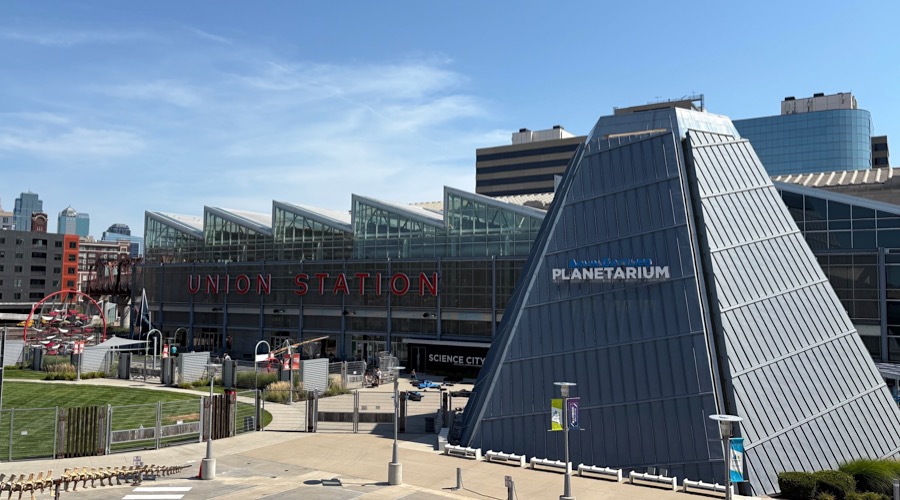
Kansas City, Mo / Aug 2025 / ETH
Aug 2025 / ETH
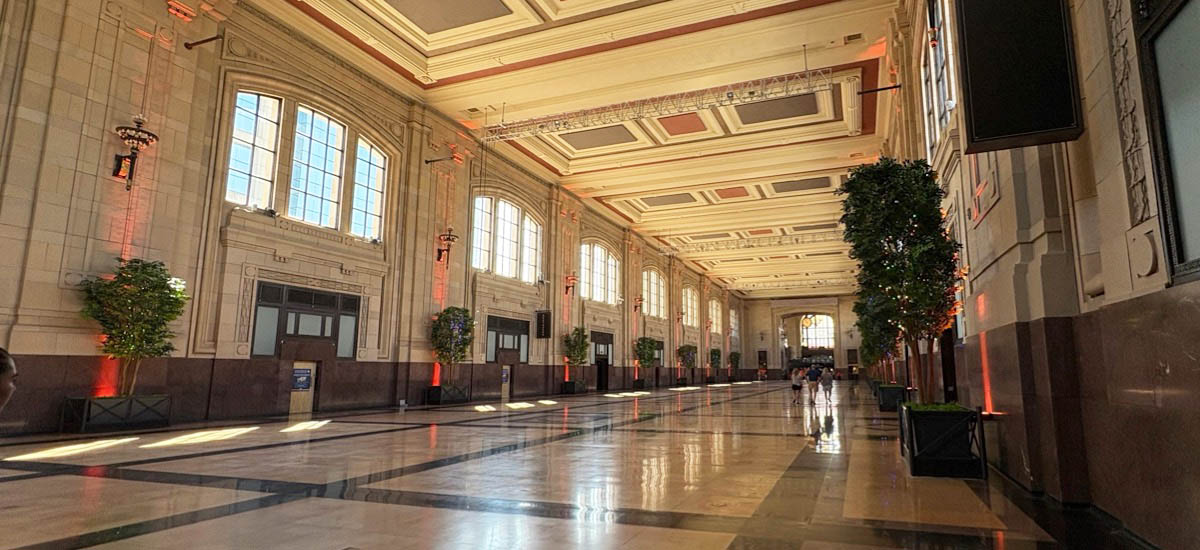
Aug 2025 / ETH
Aug 2025 / ETH
Aug 2025 / ETH
Aug 2025 / ETH
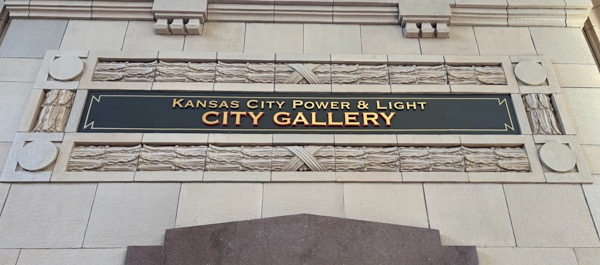
Aug 2025 / ETH
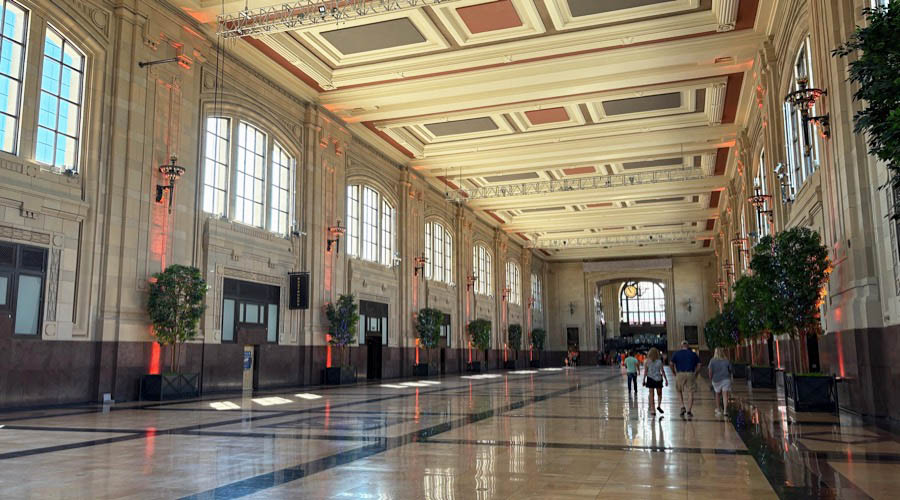
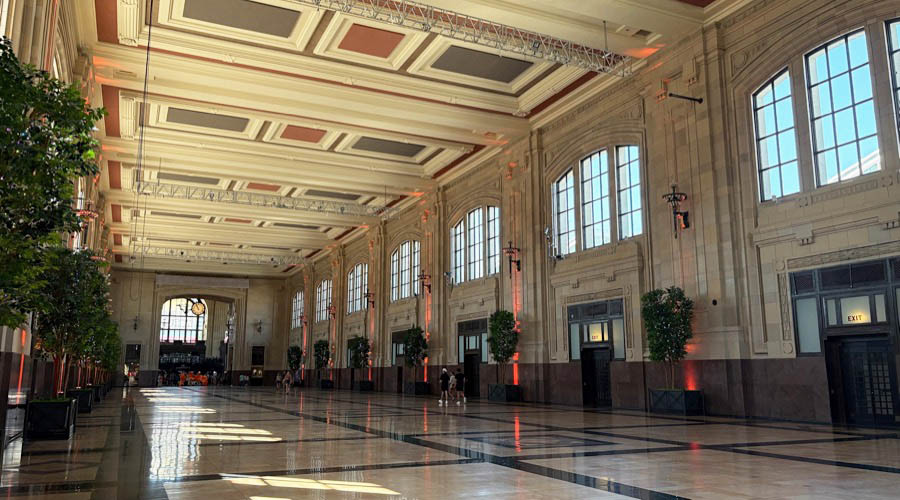
Aug 2025 / ETH

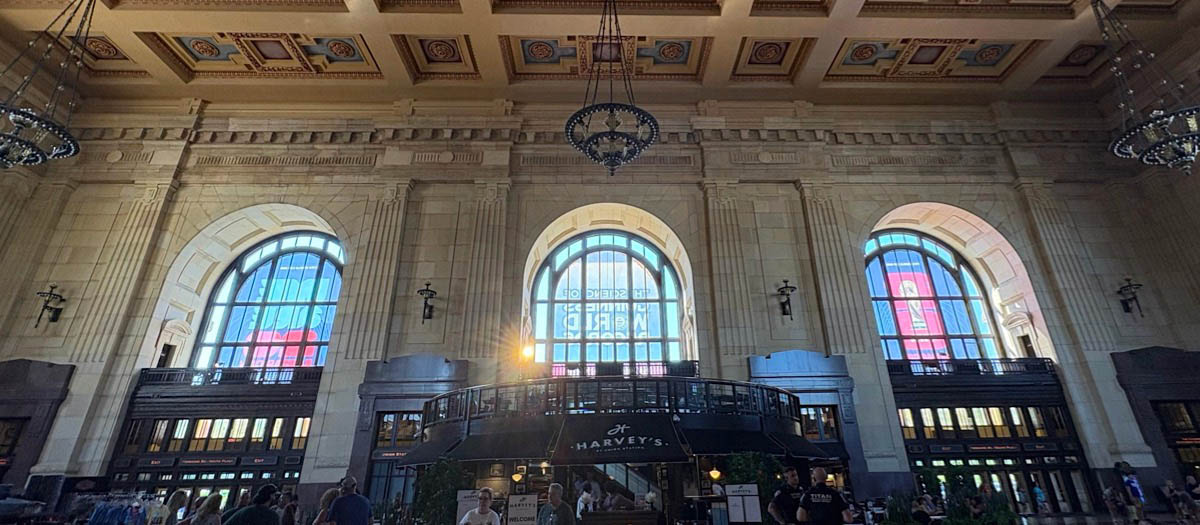
Aug 2025 / ETH
Aug 2025 / ETH
Aug 2025 / ETH
Aug 2025 / ETH
Aug 2025 / ETH
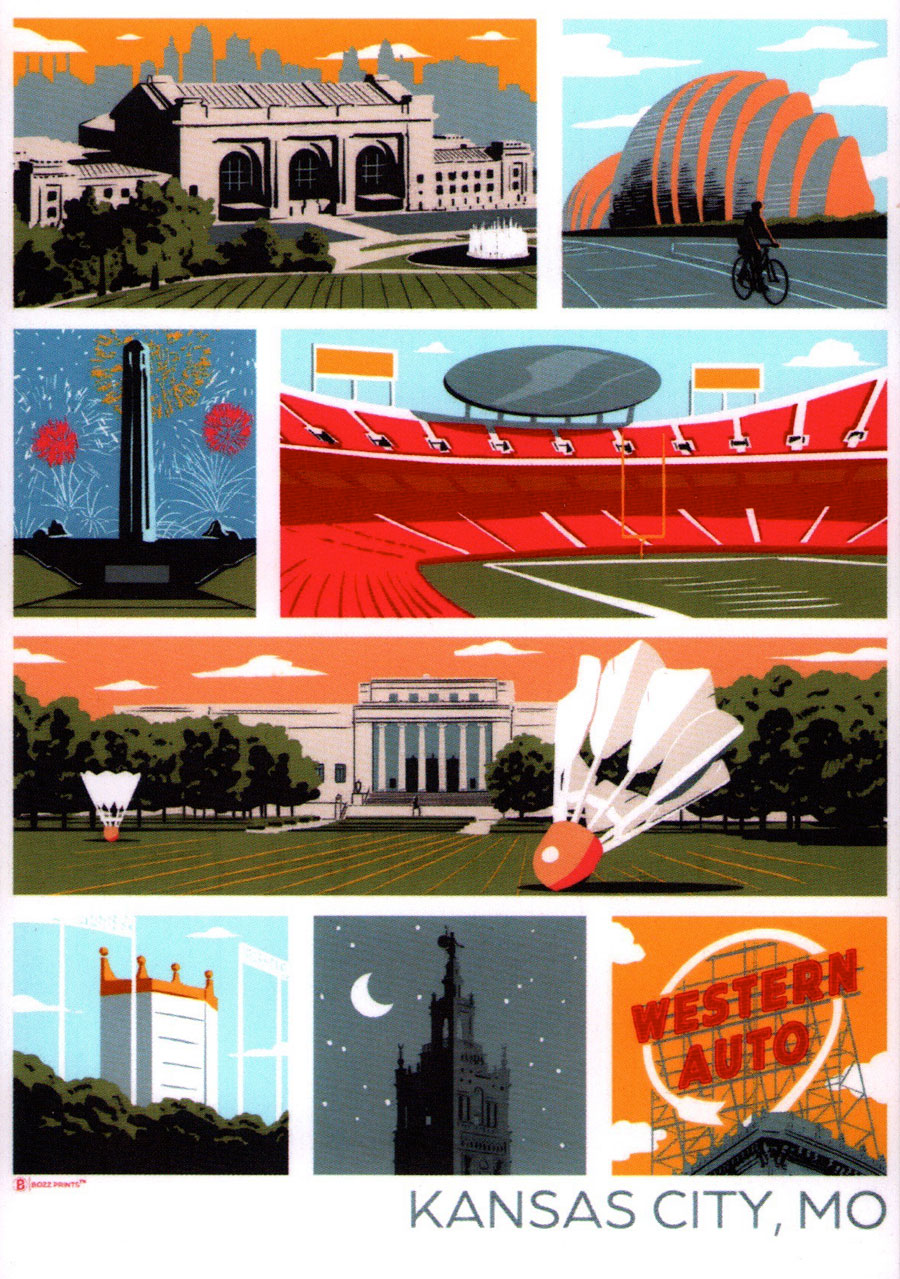
postcard / collection
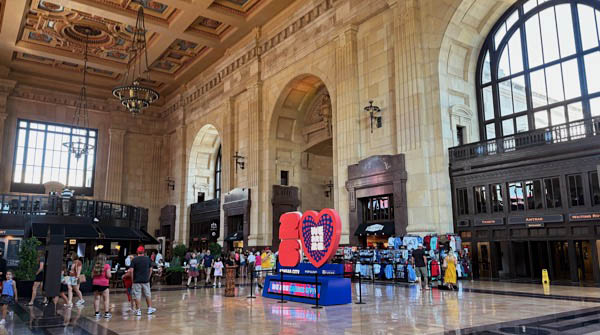
Aug 2025 / ETH
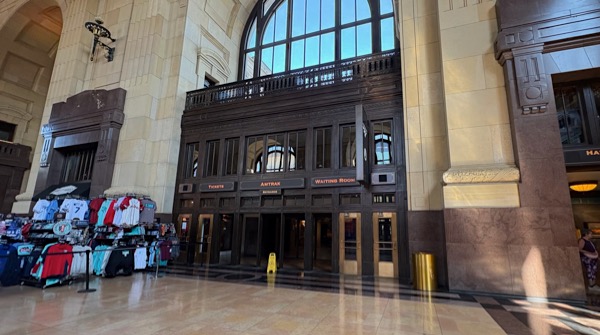
Aug 2025 / ETH
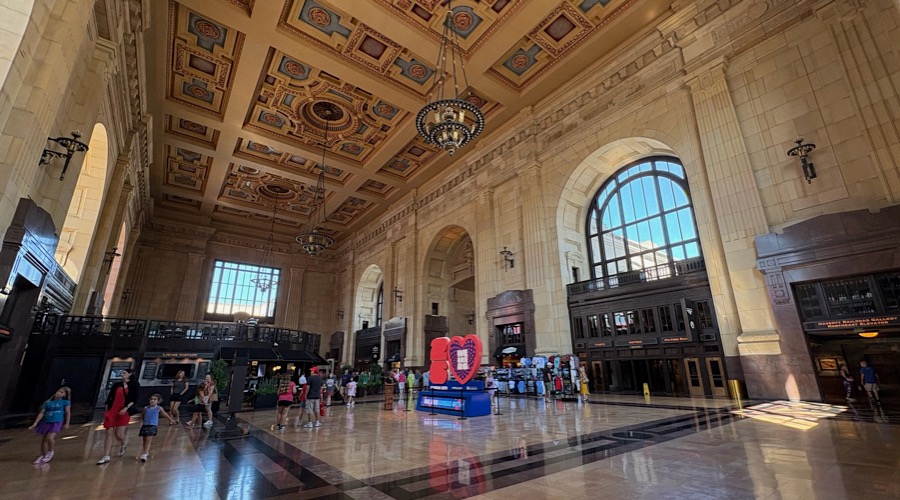
Aug 2025 / ETH
Aug 2025 / ETH
Aug 2025 / ETH
Aug 2025 / ETH
Aug 2025 / ETH
Aug 2025 / ETH
Aug 2025 / ETH
Aug 2025 / ETH
Aug 2025 / ETH
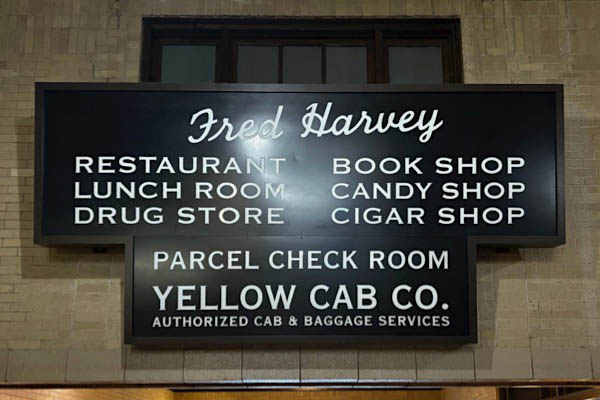
Aug 2025 / ETH
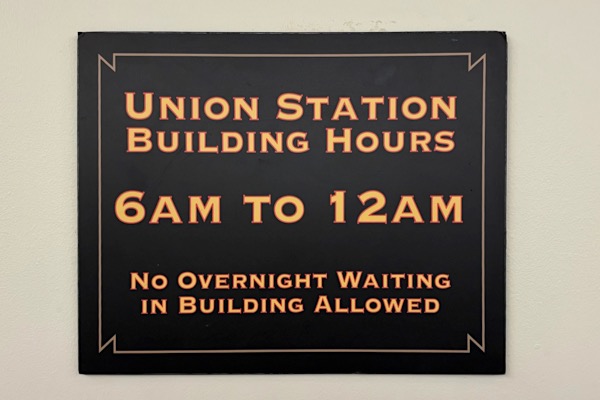
Aug 2025 / ETH
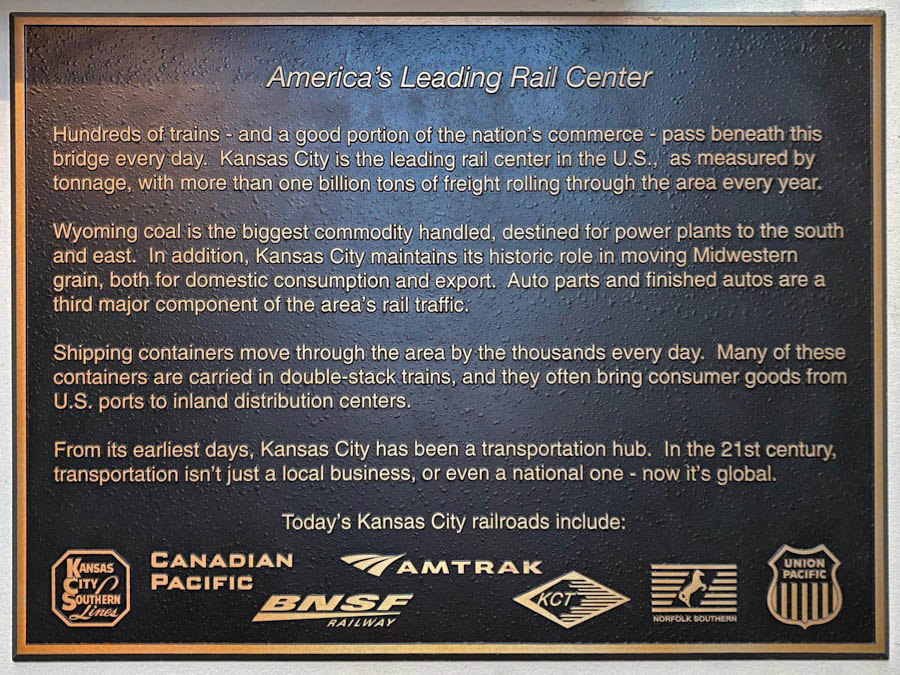
Aug 2025 / ETH
Aug 2025 / ETH
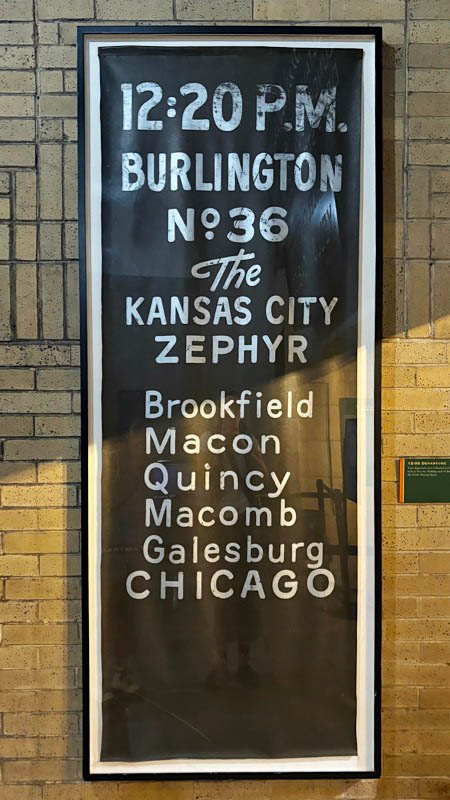
Aug 2025 / ETH
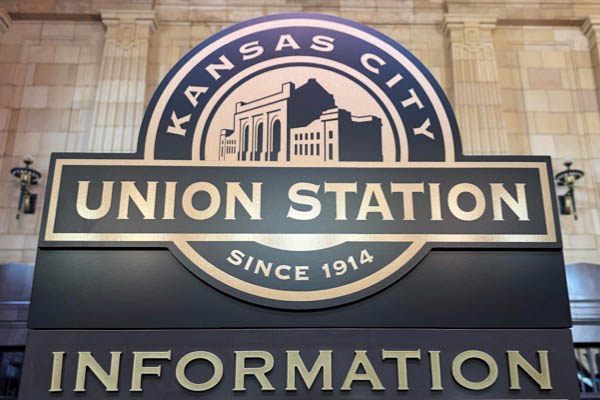
Aug 2025 / ETH
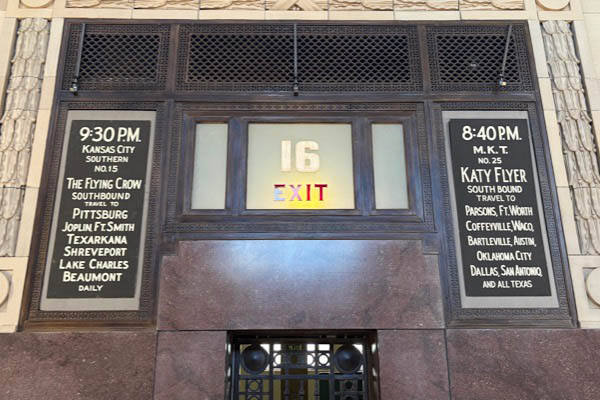
Aug 2025 / ETH

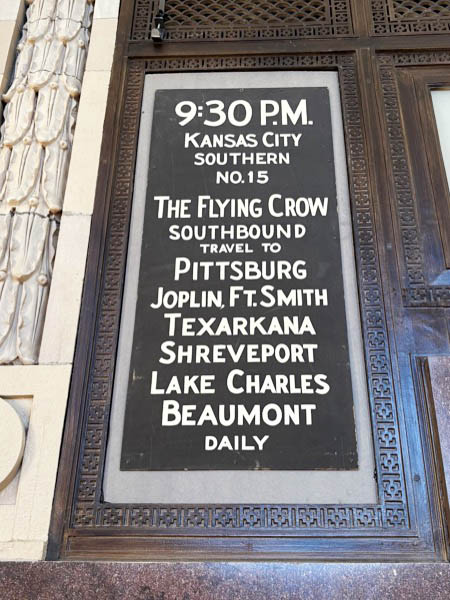
Aug 2025 / ETH
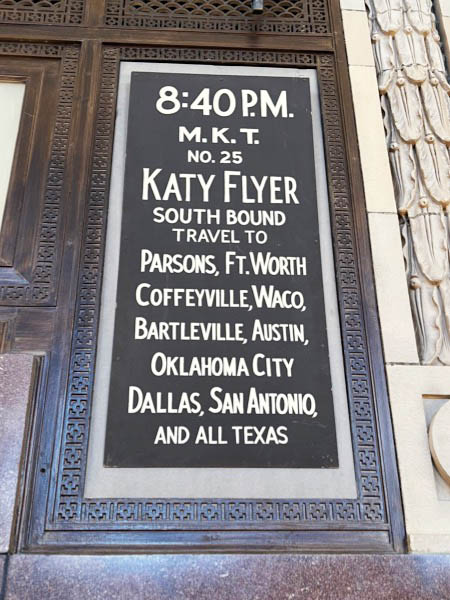
Aug 2025 / ETH
 Kansas City, MO
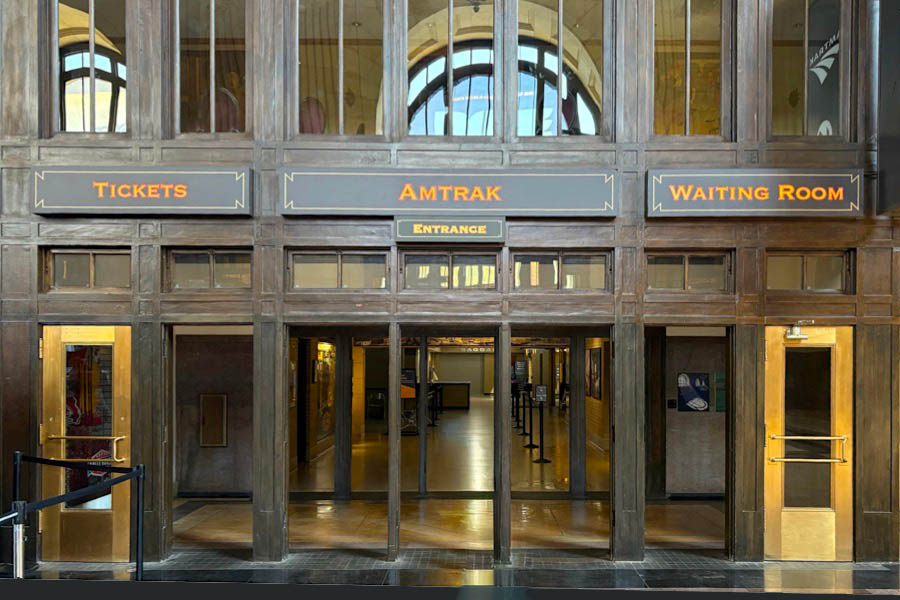
Aug 2025 / ETH
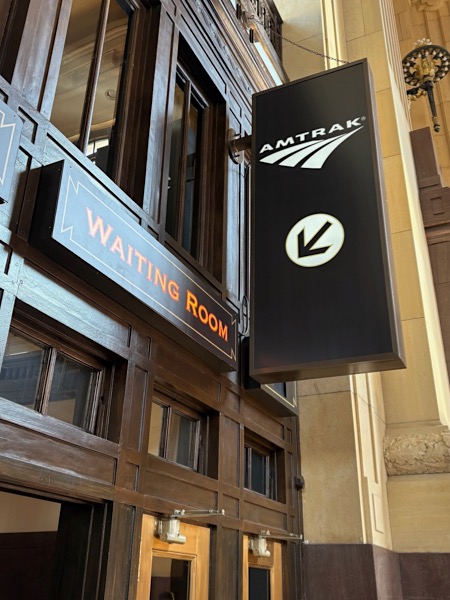
Aug 2025 / ETH
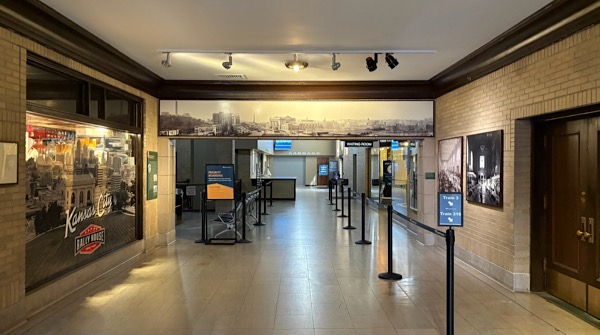
Aug 2025 / ETH
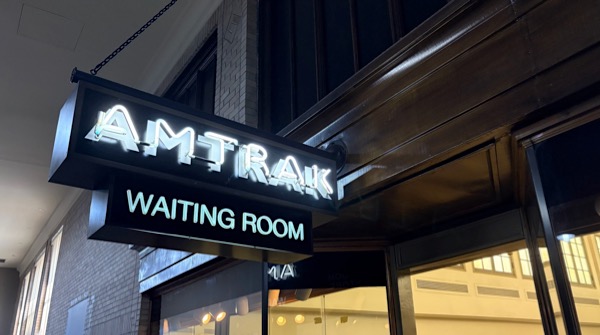
Aug 2025 / ETH

Aug 2025 / ETH
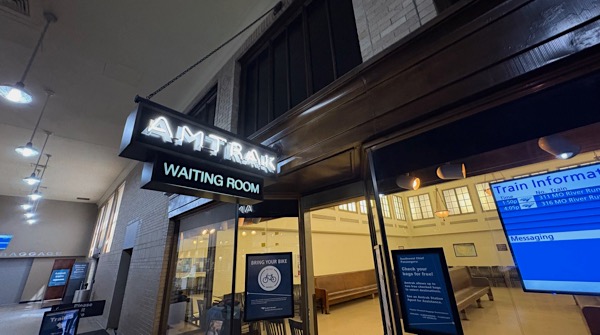
Aug 2025 / ETH
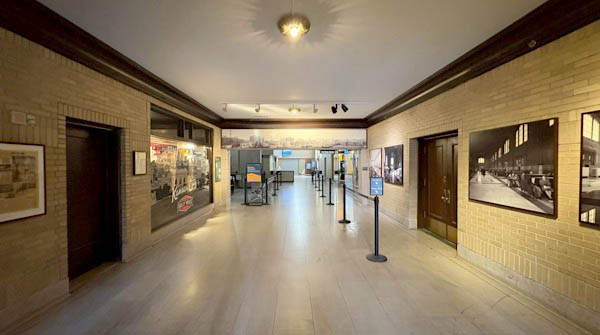
Aug 2025 / ETH
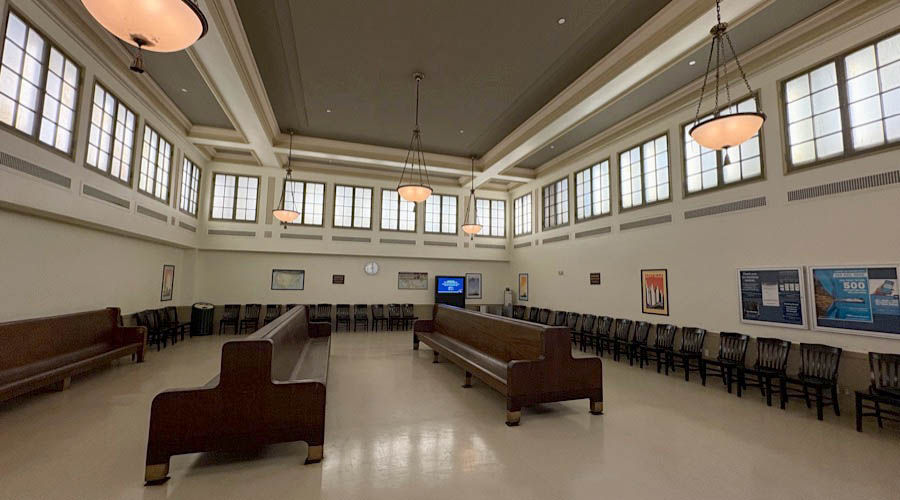
Aug 2025 / ETH
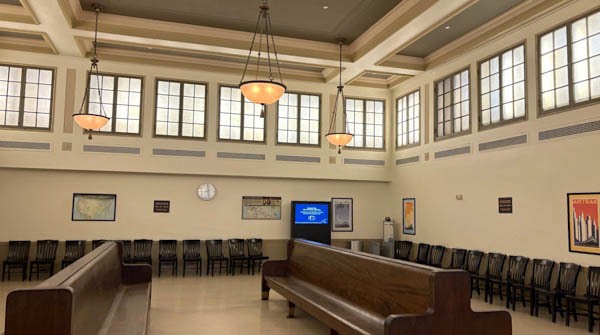
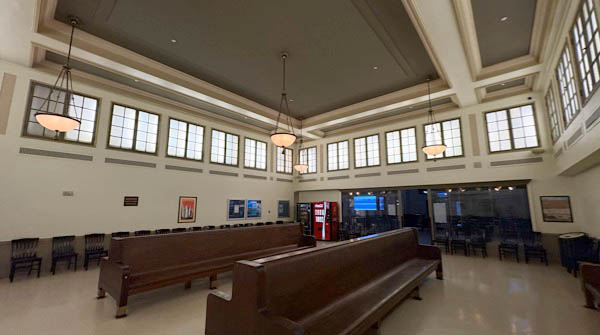
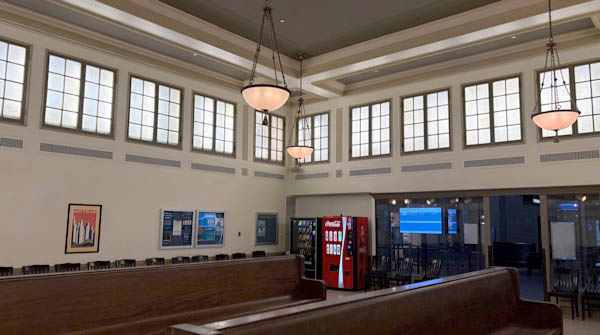
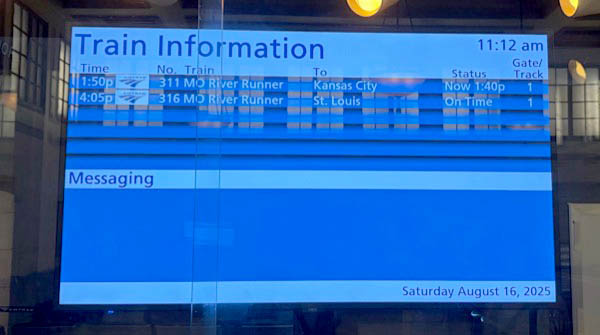
Aug 2025 / ETH
Aug 2025 / ETH
Aug 2025 / ETH
Aug 2025 / ETH
Aug 2025 / ETH
 Model Train Gallery
Aug 2025 / ETH

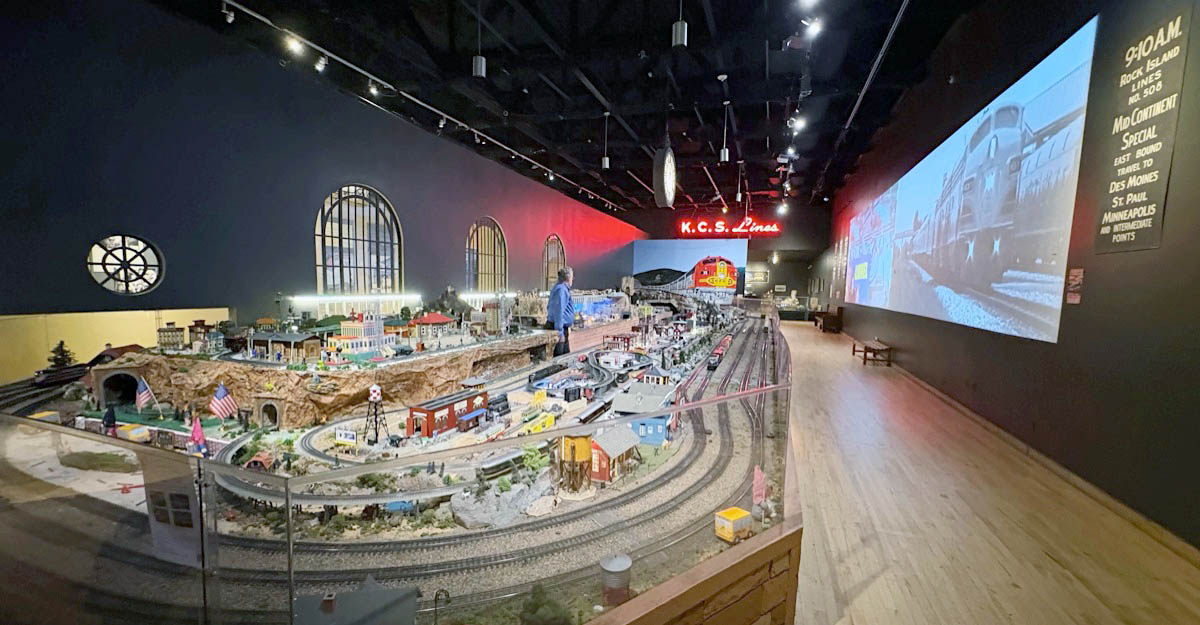
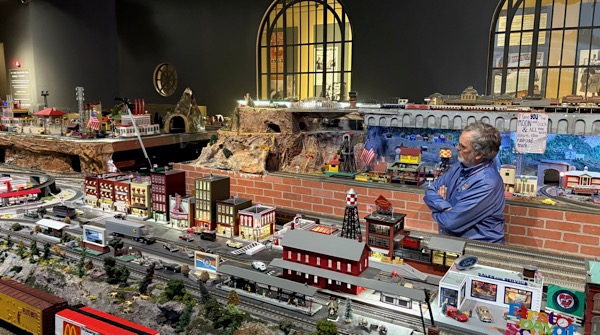
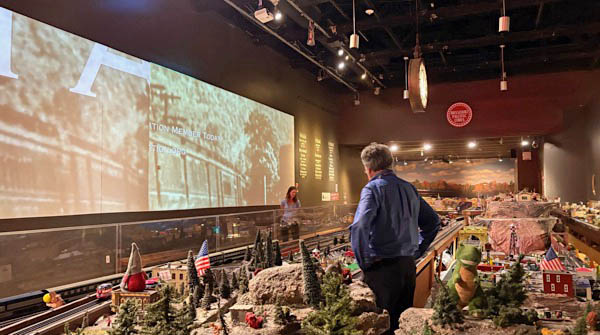
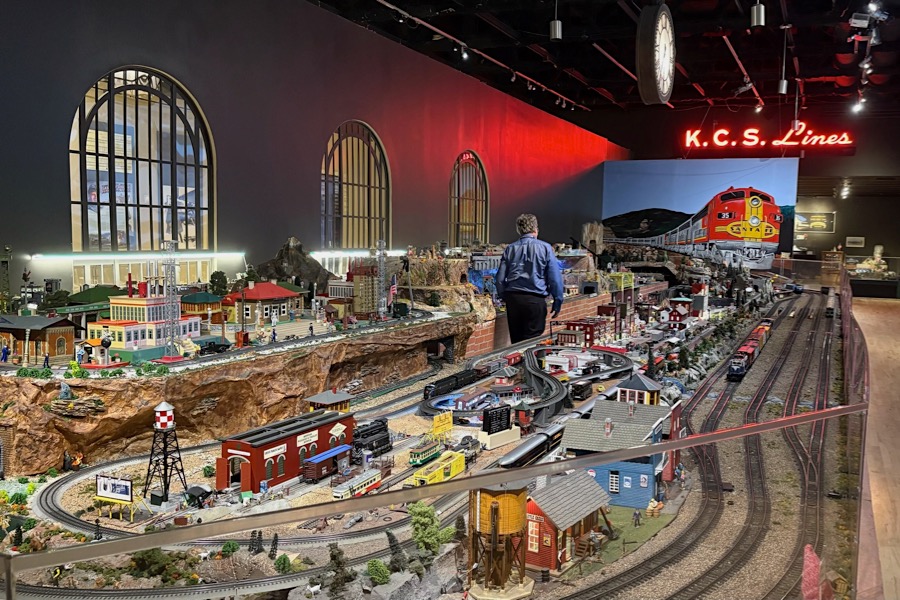
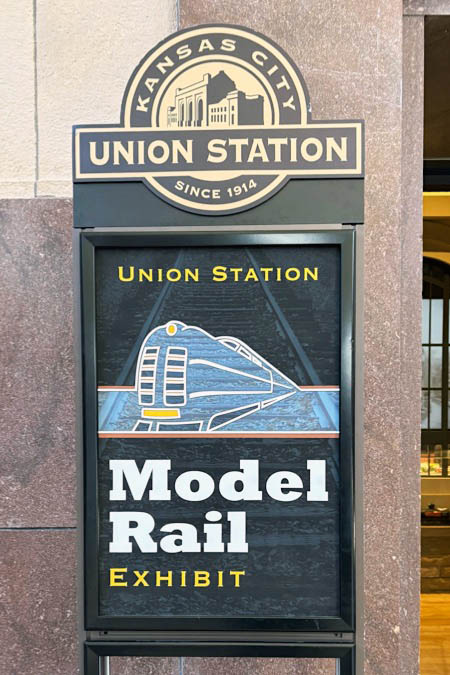
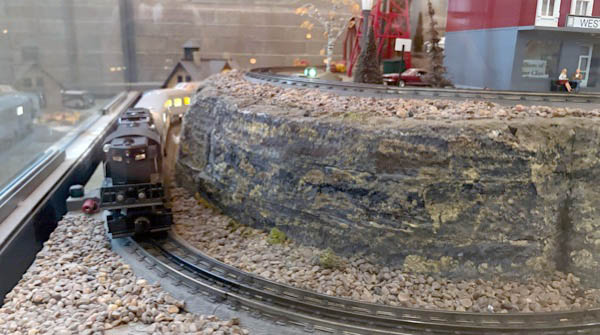
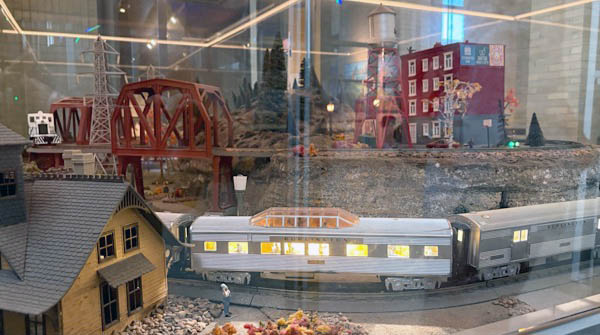
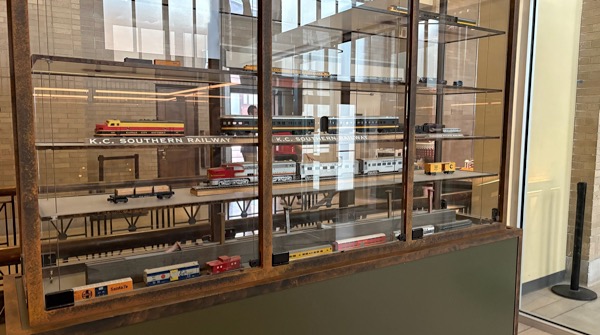
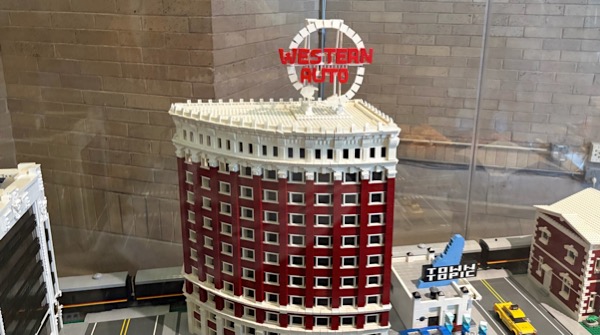
 What does 8,000 square feet of model trains look like? Come and see Union Station Kansas City’s Model Train Exhibit and find out! From tiny N-scale model trains to the big G-scale giants of the model train world, sample the hobby and enjoy the fun of model railroading.
The Model Train Gallery – visited by over one quarter of a million people annually — is designed, built, and maintained by Union Station Volunteers. Because of these dedicated volunteers, the Model Railroad runs year-round and nearly doubles in size during the Christmas holiday season. Eight different train scales, ranging from the smallest Z-Gauge to the largest G-Gauge, run simultaneously. And more than 80 total trains are running daily to capture the imaginations of model railroaders and casual fans of every age.
What does 8,000 square feet of model trains look like? Come and see Union Station Kansas City’s Model Train Exhibit and find out! From tiny N-scale model trains to the big G-scale giants of the model train world, sample the hobby and enjoy the fun of model railroading.
The Model Train Gallery – visited by over one quarter of a million people annually — is designed, built, and maintained by Union Station Volunteers. Because of these dedicated volunteers, the Model Railroad runs year-round and nearly doubles in size during the Christmas holiday season. Eight different train scales, ranging from the smallest Z-Gauge to the largest G-Gauge, run simultaneously. And more than 80 total trains are running daily to capture the imaginations of model railroaders and casual fans of every age.
Aug 2025 / ETH
Aug 2025 / ETH
Aug 2025 / ETH
Aug 2025 / ETH
Aug 2025 / ETH



Aug 2025 / ETH
Aug 2025 / ETH
Aug 2025 / ETH
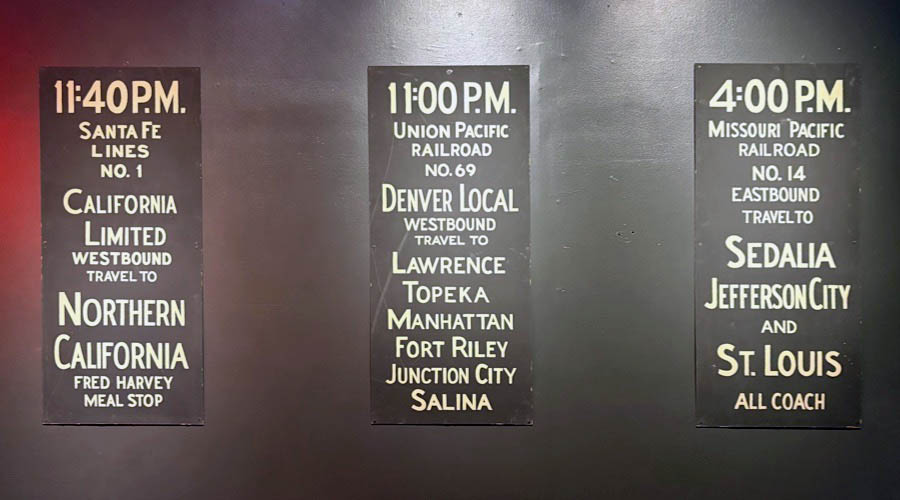
Aug 2025 / ETH
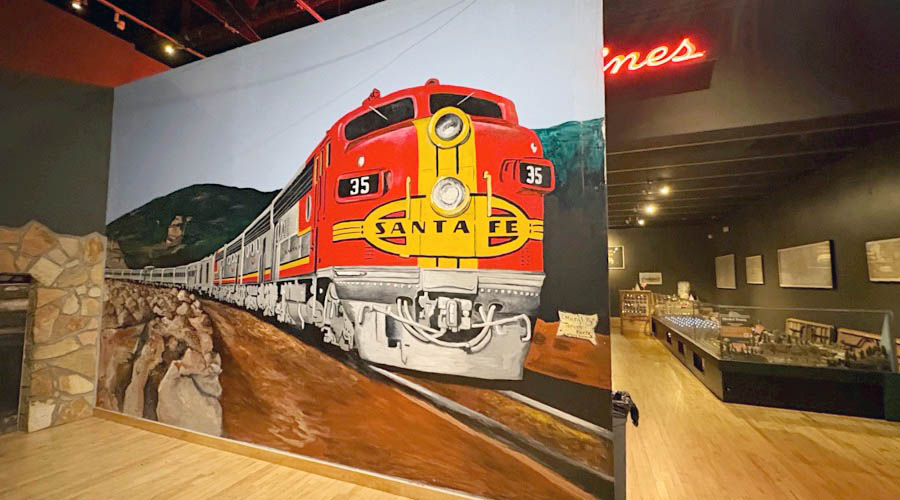
Aug 2025 / ETH
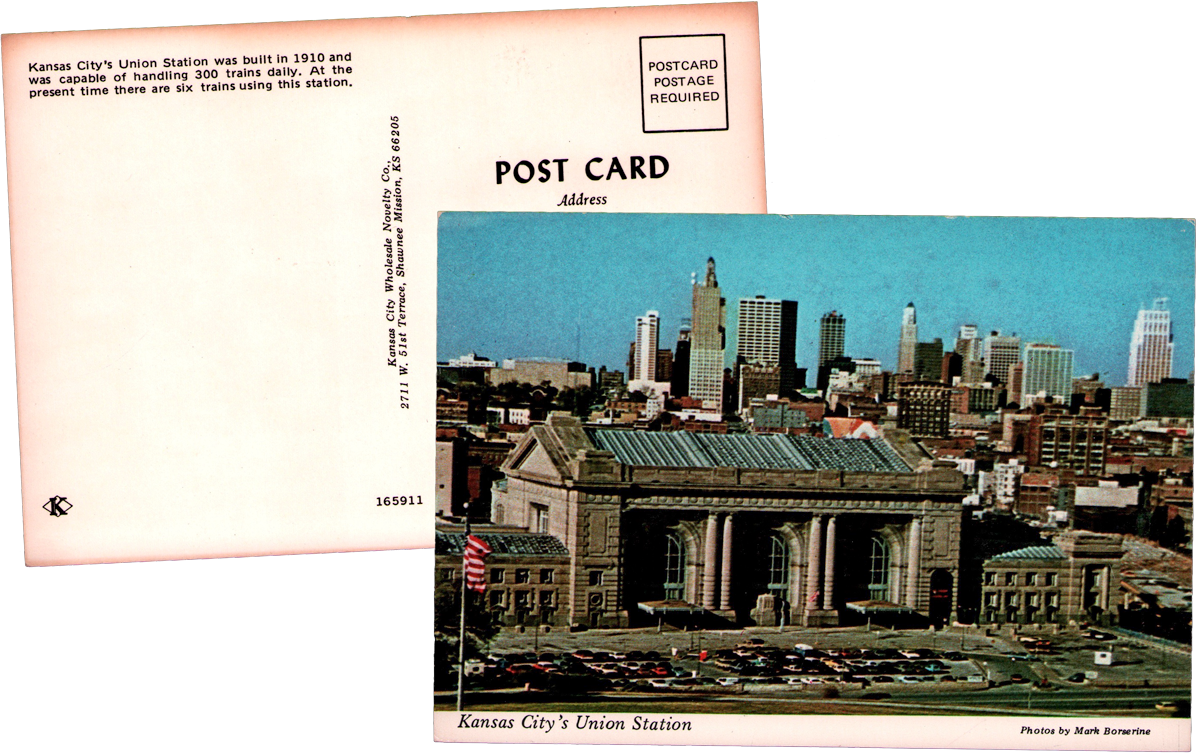
postcard / collection
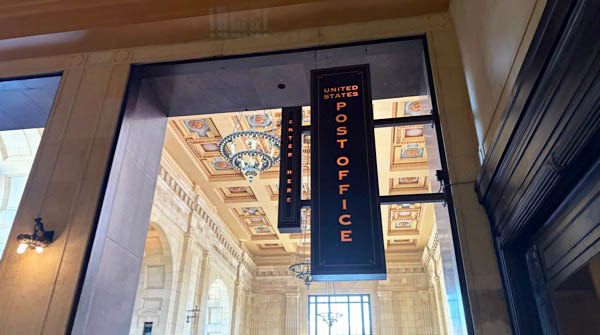
Aug 2025 / ETH
Aug 2025 / ETH
Aug 2025 / ETH
Aug 2025 / ETH
Aug 2025 / ETH
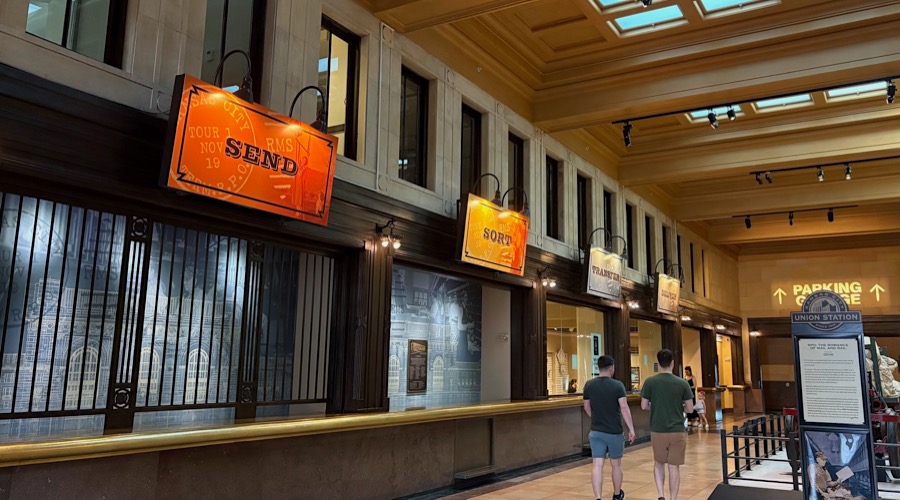
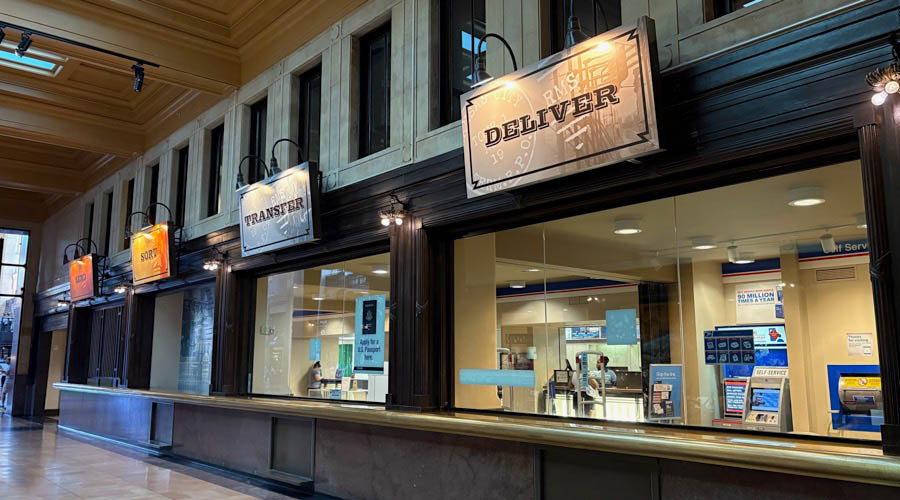
Aug 2025 / ETH
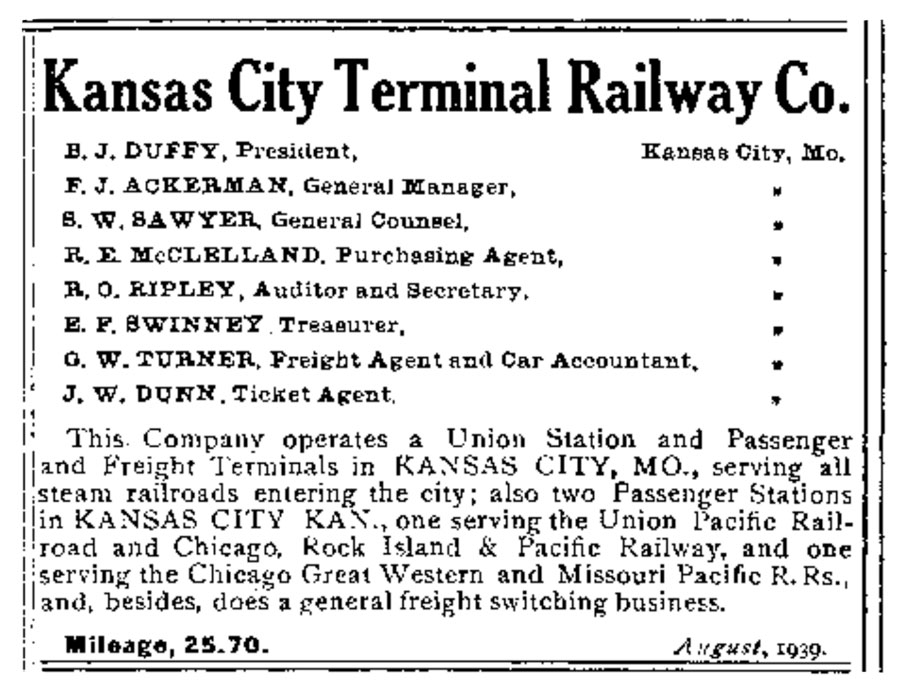
1940 Official Guide ad / collection
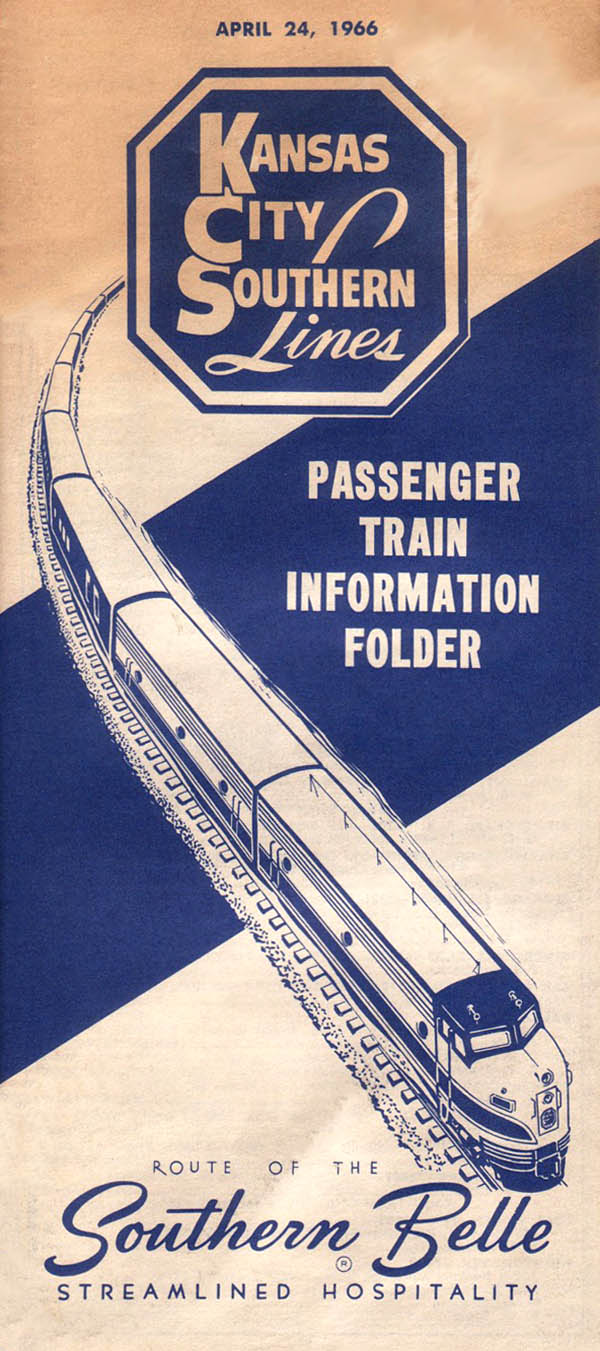
postcard / collection
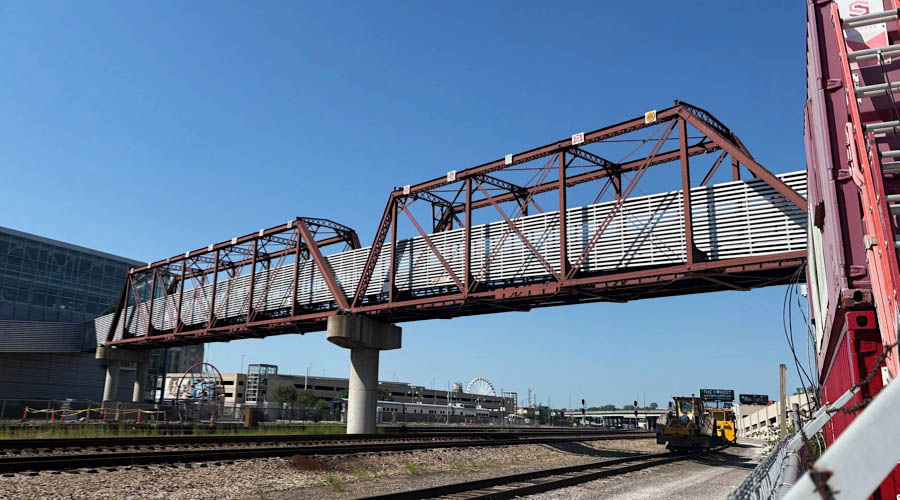
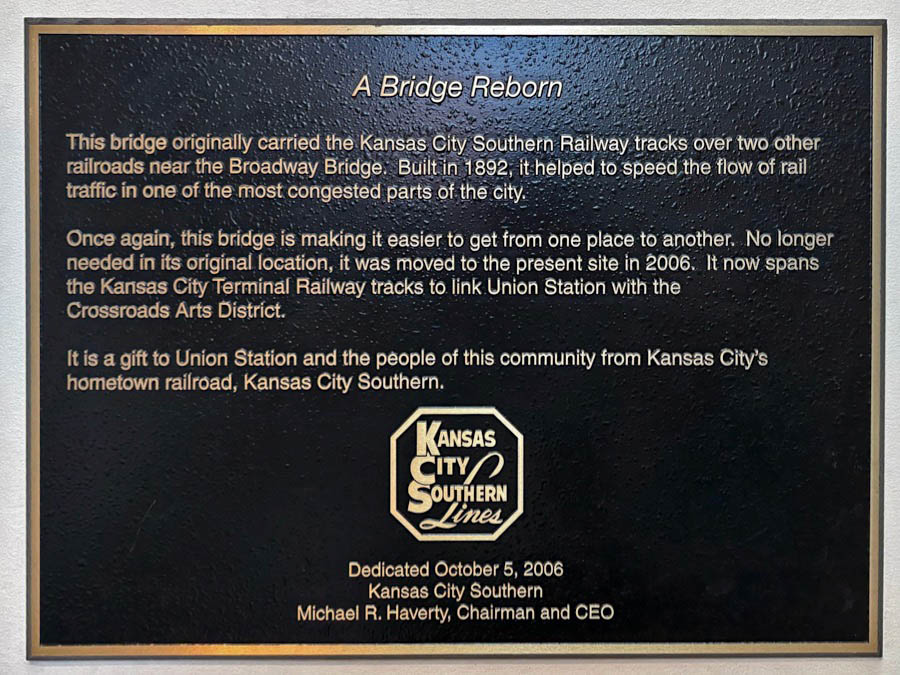
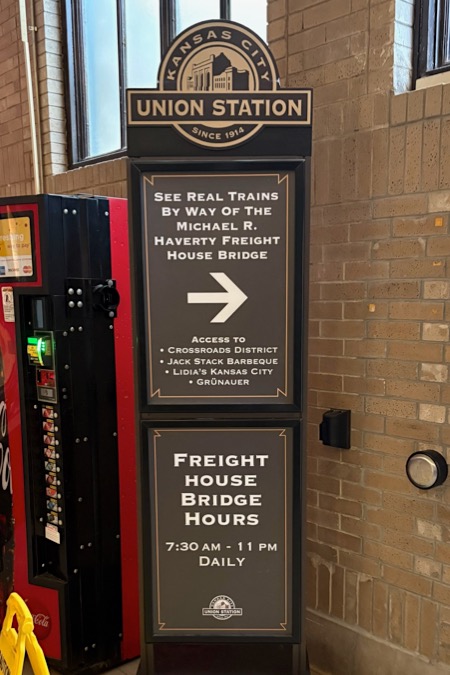
A Bridge Reborn
Kansas City, Mo / Aug 2025 / ETH
Click to see the Freight House Pedestrian Bridge plotted on a Google Maps page
Aug 2025 / ETH
Aug 2025 / ETH
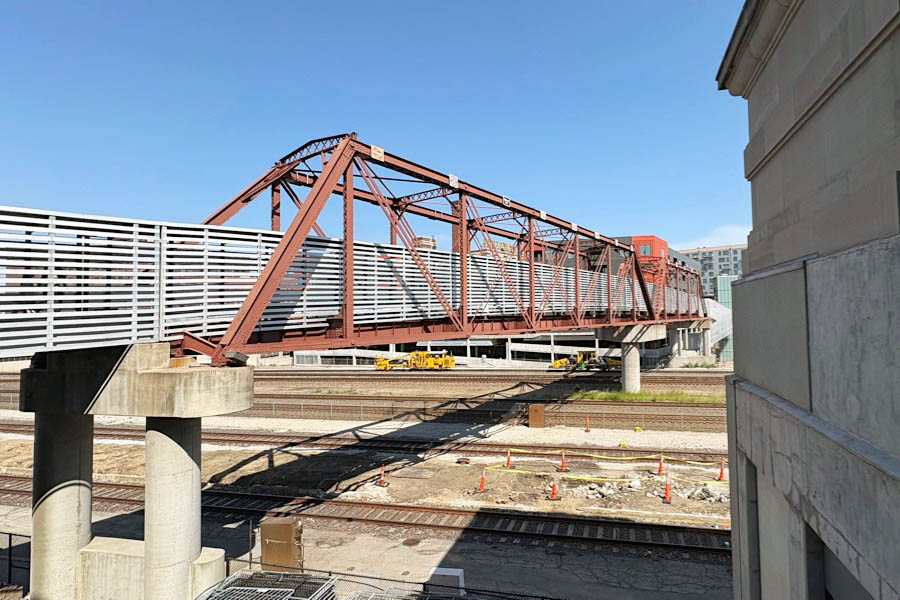
Kansas City, Mo / Aug 2025 / ETH
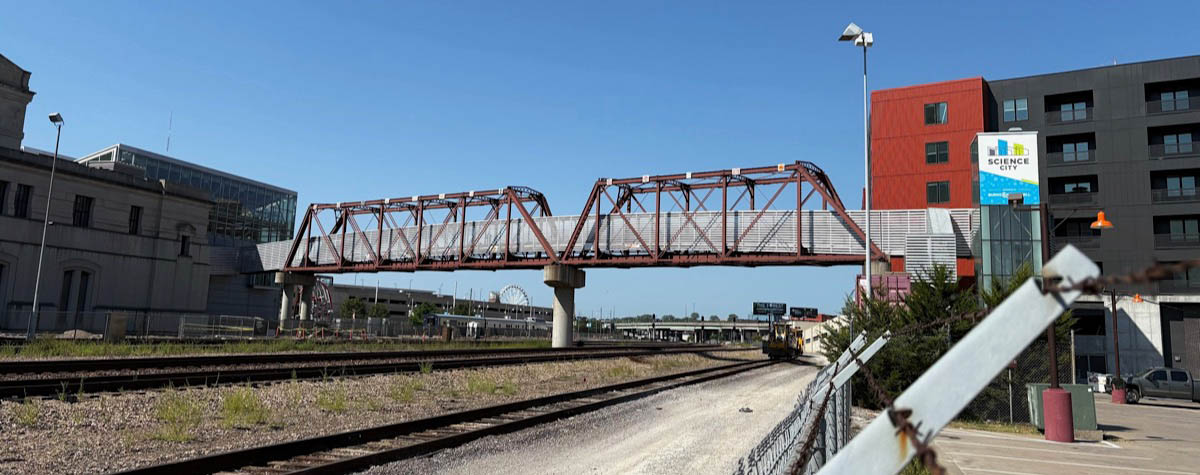
Kansas City, Mo / Aug 2025 / ETH
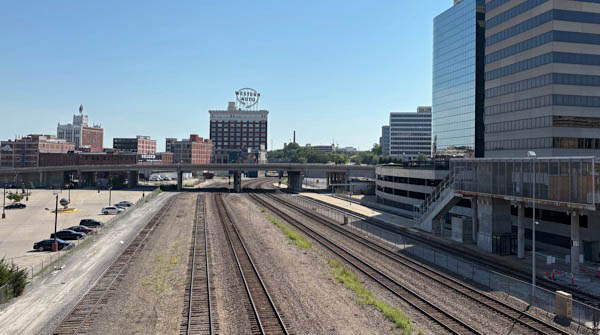
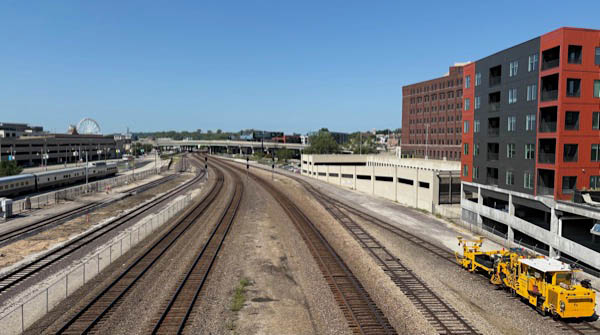
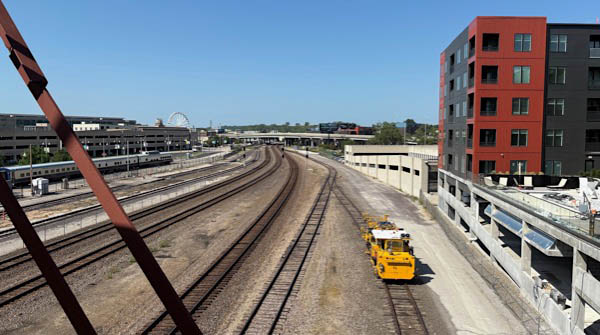
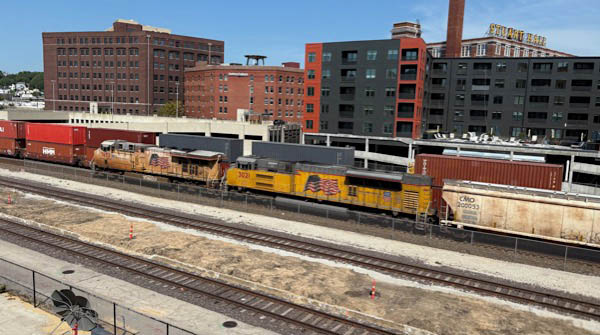
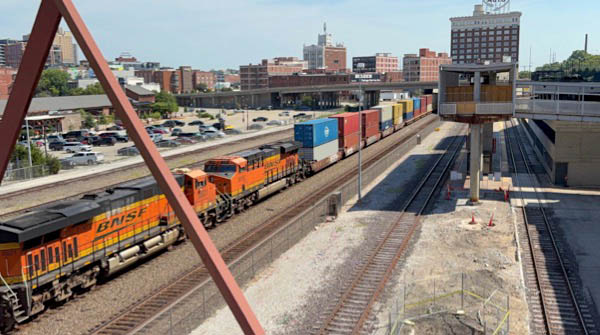
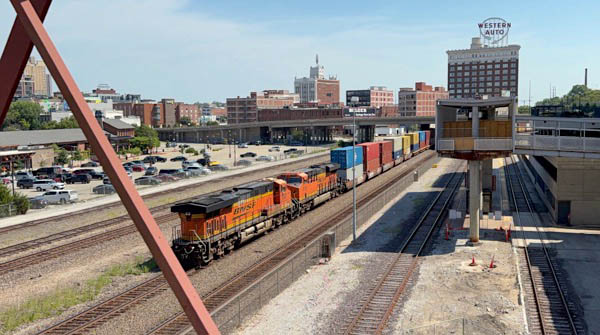
Kansas City, Mo / Aug 2025 / ETH
Lagniappe


"Service Everywhere"
image ETH / artwork RWH
A Temple to Time
Kansas City, Mo / Aug 2025 / ETH
Union on Parade
Kansas City, Mo / Aug 2025 / ETH
Basically Beaux-Arts
Aug 2025 / ETH
Waiting Room Blues
Kansas City, Mo / Aug 2025 / ETH
Warbonnets Work the Wall
Kansas City, Mo / Aug 2025 / ETH
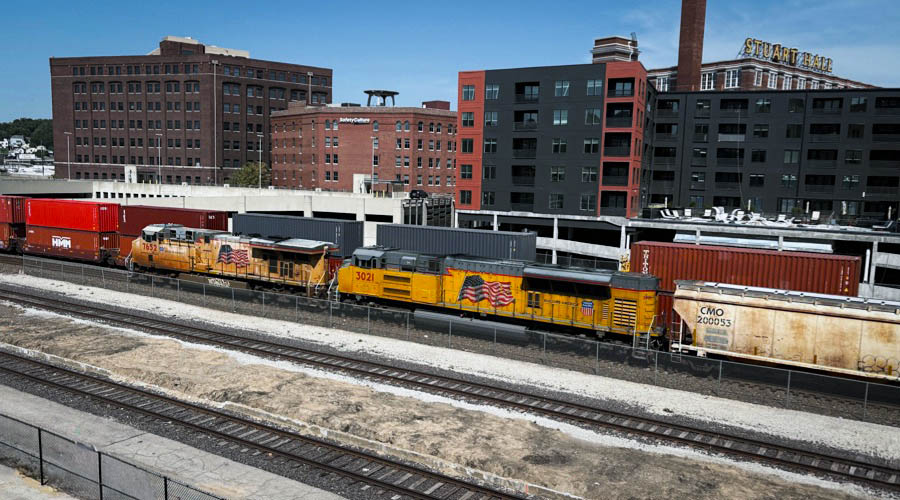
Armor Yellow Advance
Kansas City, Mo / Aug 2025 / ETH
Links / Sources
- Amtrak Kansas City page
- Great American Stations Kansas City page
- Wikipedia article for Kansas City Union Station
- Kansas City Union Station official website